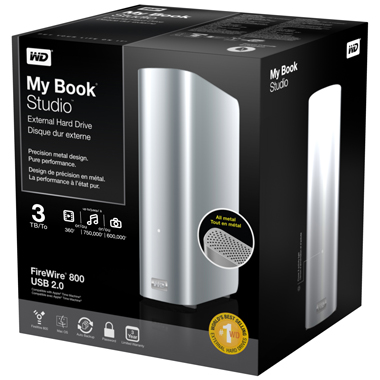
These are going to compare nicely to the Promise RAID setup that has similar speeds, but it does not have a price or release date yet. The vibe seemed to be like Q2 with perhaps an announcement at Macworld.
Next up is the Hitachi G-Drive series of Thunderbolt Drives, and these drives are 8TBs…
MacConnection drops the price on the base MacBook Pro 13 inch from $1199 to $999 after a $50 rebate with free shipping. Even without the rebate, it is the lowest price we could find on a Thunderbolt-equipped MacBook Pro anywhere. This model includes Intel 3000 Graphics, LED-backlit display, 802.11n wireless, full-size backlit keyboard, Multi-Touch trackpad, FaceTime camera, Bluetooth 2.1 + EDR, Thunderbolt port, and up to 7 hours of battery life.
Until recently, I merely thought of Hitachi as the company that builds the OEM hard drives that are found in some Apple and other high end PCs. It turns out that Hitachi makes very high quality enclosures for those same hard drives that companies like Apple demand for their machines.
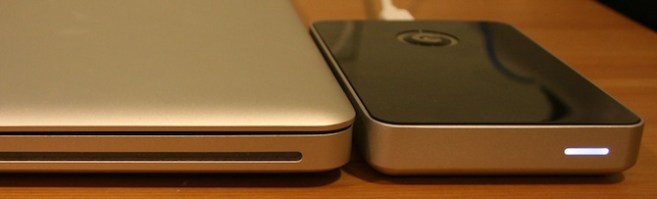
Hitachi’s drives that range from the G-Drive portable hard drives (which I reviewed earlier this year, above) to the newer G-Speed for high end A/V professionals. Take for instance the G-Speed FC XL, shown below:
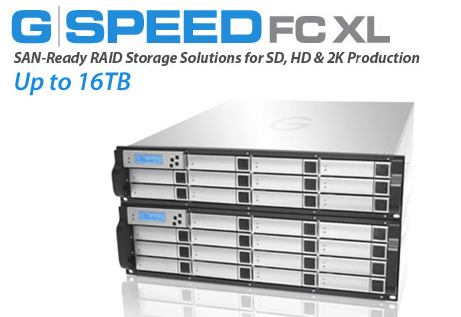
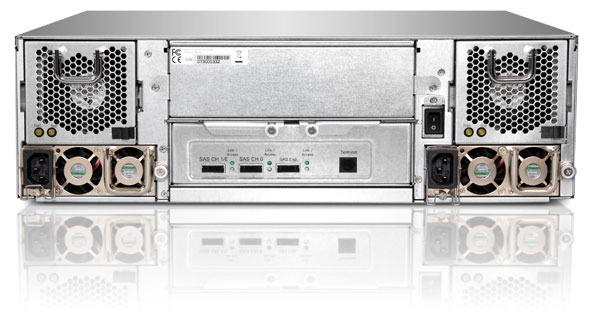
The SAN Ready G-SPEED FC XL offers industry leading Fibre Channel performance and easily supports multi-stream ProRes, uncompressed HD and 2K Film video editing work flows. A 16-drive G-SPEED FC XL connected to a dual-channel 4 Gbit Fibre Channel host bus adapter will pump out over 550 MB/second to support the most demanding post production environments. Upgrade mini SAS model, back panel below, and expect up to 800MB per second. That’s uncompressed 60 frames 1080P with room to spare and virtually unlimited space for drives with its stacking functionality.
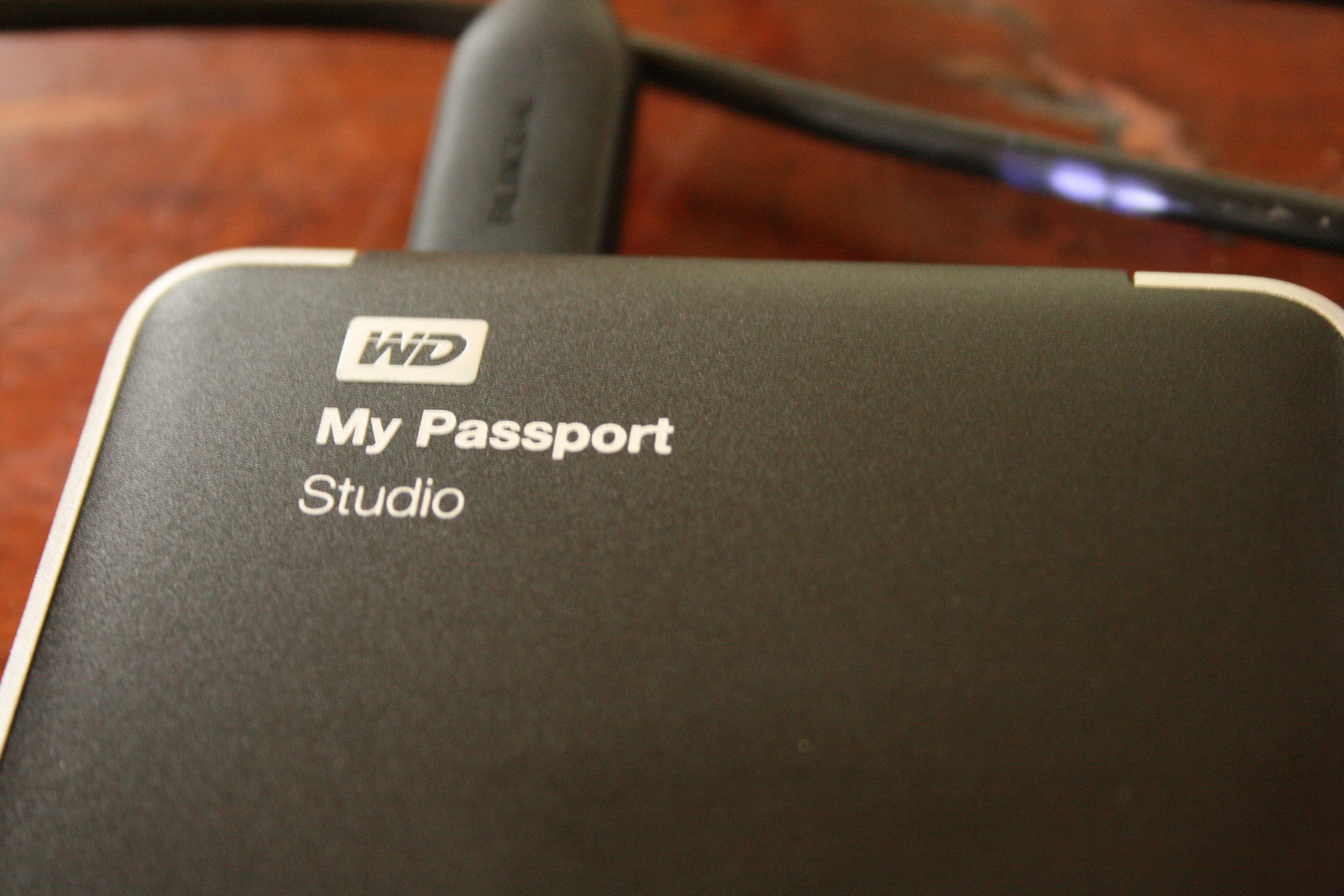
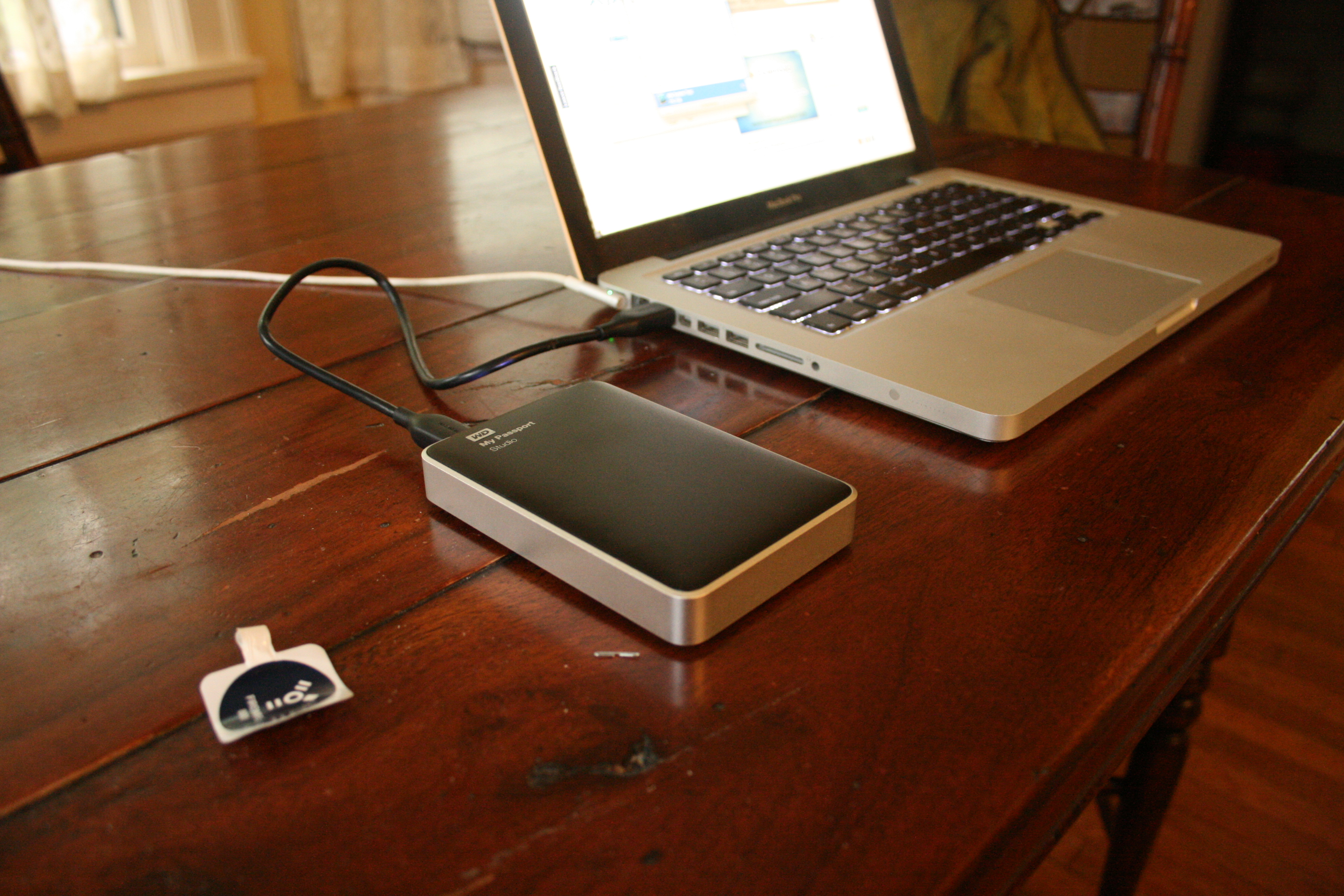
We’ve been messing around with a damn fine looking set of portable hard drives for the past few days from Western Digital called My Passport Studio and My Passport Mac. They are encased in an all-aluminum shell, the My Passport Studio comes with two FireWire 800 ports as well as a Mini USB port around back; the latter only has a Mini USB port. The speed tests on these guys (see results below) was pretty average for 2.5-inch Firewire hard drives at just under 80MB/sec read, making the slight premium Western Digital is asking for these mostly “an aesthetic upgrade”.
…not that there is anything wrong with that. You can feel the quality in these drive enclosures. The aluminum shell is going to protect these from more drops than a plastic casing and these drives look the part of a high quality Mac setup. These drives are also so whisper quiet that the only way to know if they are running is the white LED on the back (much better than the front). As you can see from the pictures, both the Studio (formatted Windows) and Mac go well with a Unibody MacBook.
On the downside, these are slightly heavier than your typical hard drive at half a pound. Still though, that’s a small price to pay for quality. They are available now for $189.99 from Amazon for the Studio and $159 for the 1TB Mac
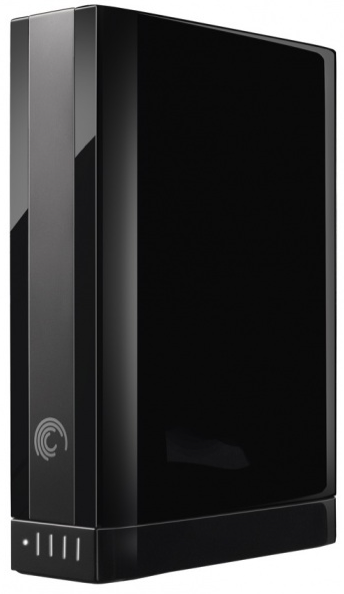
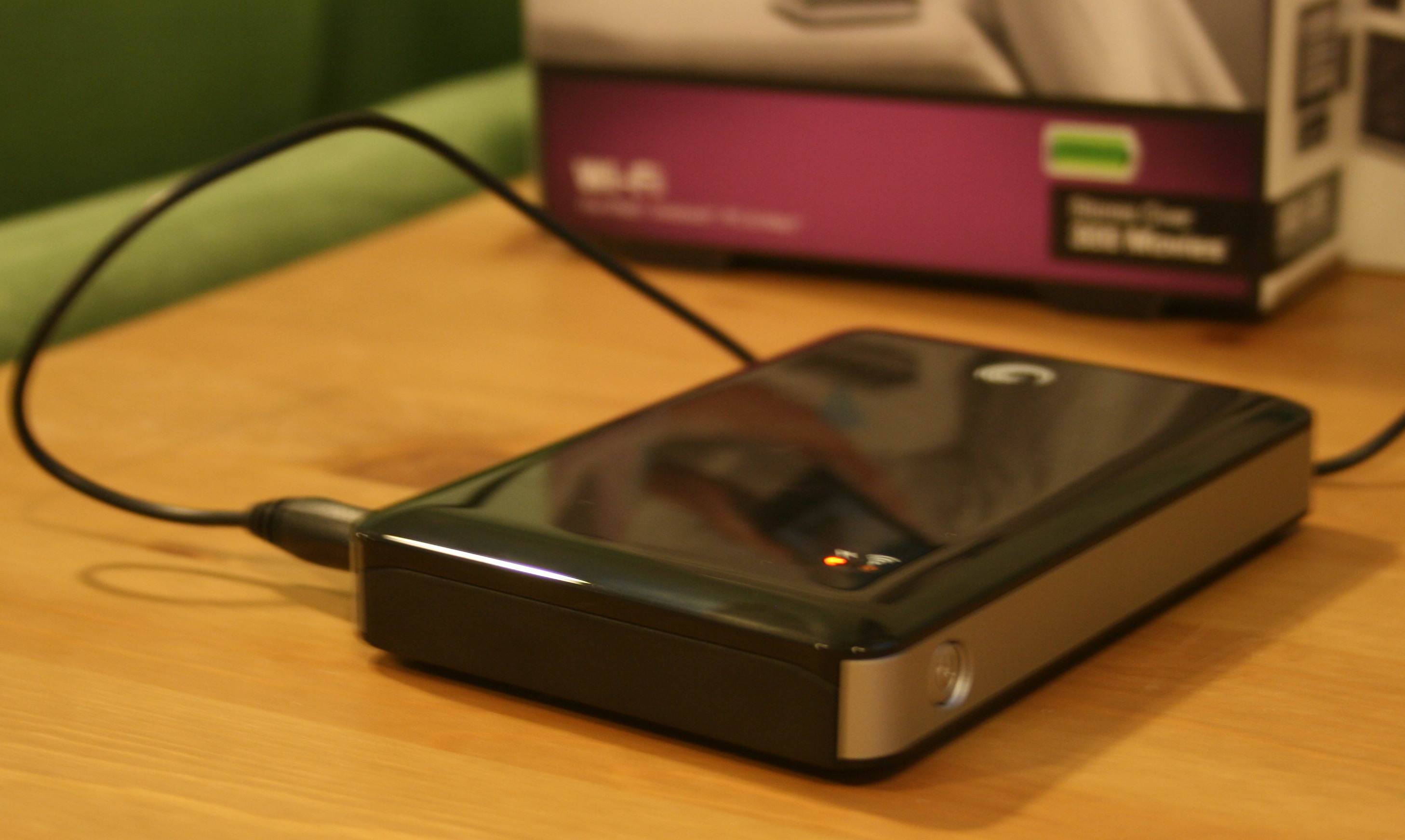
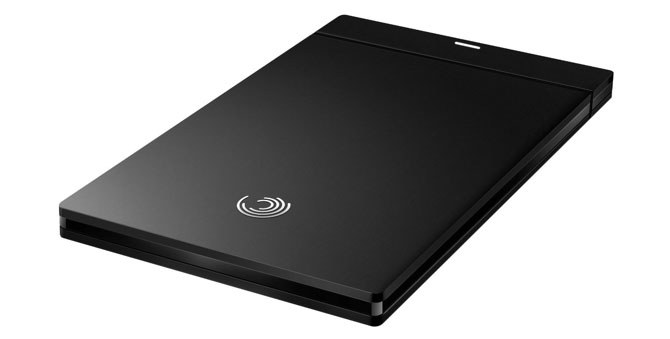
We’re big fans of the Seagate GoFlex series of hard drives and, as of this evening, Seagate has pushed the size limit to an impressive 4TB on a single physical disk.
Currently the 4TB disk is only available in the form factor to the right for a significant $249 price tag. Obviously, the added density drives will filter down into other form factors including bare drives and RAID arrays in the coming weeks and months.
Seagate’ GoFlex enclosure got a facelift as well but alas, no Thunderbolt action for a few more months according to the press release.
As for the USB Desktop version pictured, we’re looking to get our hands on one for a review as soon as possible. It is available for pre-order now for $229 at Amazon.
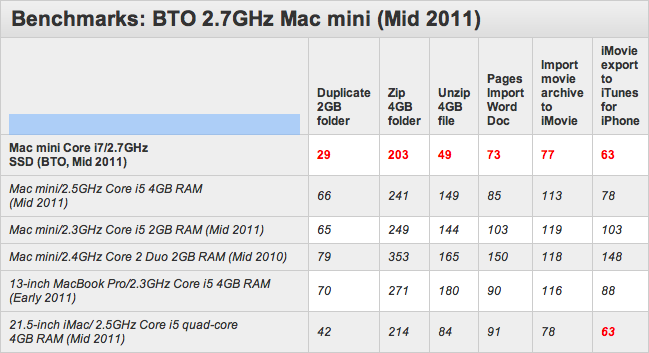
Macworlddecided to put a decked out Mac Mini Mid-2011 against a current baseline iMac 2.5GHz to see what kind of performance could be gotten from Apple’s diminutive little machine when an SSD is added.
When we say “decked out”, we’re referring to the $100 2.5->2.7GHz CPU improvement + $600 SSD upgrade which almost doubles the price of the $799 ($769) high end Mini and pushes it above the price of the base model iMac. Minis start out at around $568.
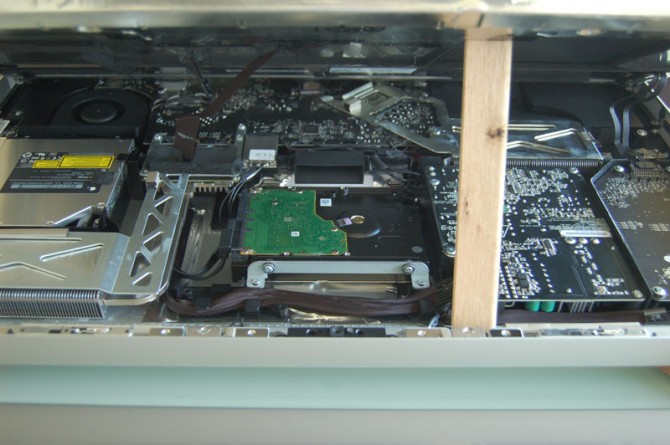
The results are pretty apparent: when running simple tests, especially ones that rely only on CPU and disk access, the Mini beat the iMac handily (above). That’s almost entirely due to the added speed of the SSD compared with the iMac’s 3.5-inch HDD. When doing more graphics intensive tests (below), the iMac and its more powerful GPU took over.
The takeaway on this however is that a HDD to SSD upgrade can make a heck of a lot of difference in performance. For those handy out there, adding an SSD to a Mac Mini doesn’t have to be a $600 proposition either. Reasonable SSDs can start out at $100 and can be added to the new Minis’ hard drive configuration (not swapped) with a simple kit.