HomeKit

See All Stories

HomeKit is Apple's home automation framework that lets you control connected accessories from your iPhone, iPad, Apple Watch, HomePod, and Siri.
Your home at your command.

What is HomeKit / Apple Home?

Along with several other new APIs for developers, Apple announced HomeKit in June 2014, which allows all home automation accessories/devices to work together in harmony with iOS. The API allows home automation developers to centralize all home automation without needing separate apps to access each device’s specific features. These devices include locks, lights, cameras, doors, thermostats, plugs, switches, and more.

HomeKit allows for secure pairing with devices and the ability to control individual devices. It also makes it possible to group several home automation devices into scenes that allow for easier control of any automation device in specific situations. One of the coolest features available with HomeKit is the ability to control any home automation accessory with Siri based on certain commands or scenes previously configured with these devices.

In 2016, Apple introduced a new Home app that came with a modern look, relatively easy-to-use controls, and access to accessories and scenes from anywhere on iOS 10. Apple’s new built-in Home app arrived on the iPhone’s Home screen, plus you can access a ton of functions from the Lock screen or anywhere on iOS from the new Control Center once you have a HomeKit accessory set up.

In 2018, Apple released the HomePod. It was a way to interact with your connected home devices through Siri using a standalone device.

In 2020, Apple announced that tvOS 14 would gain access to the Home app. iOS 14 is also bringing improvement to the Home app UI.

HomeKit Secure Video
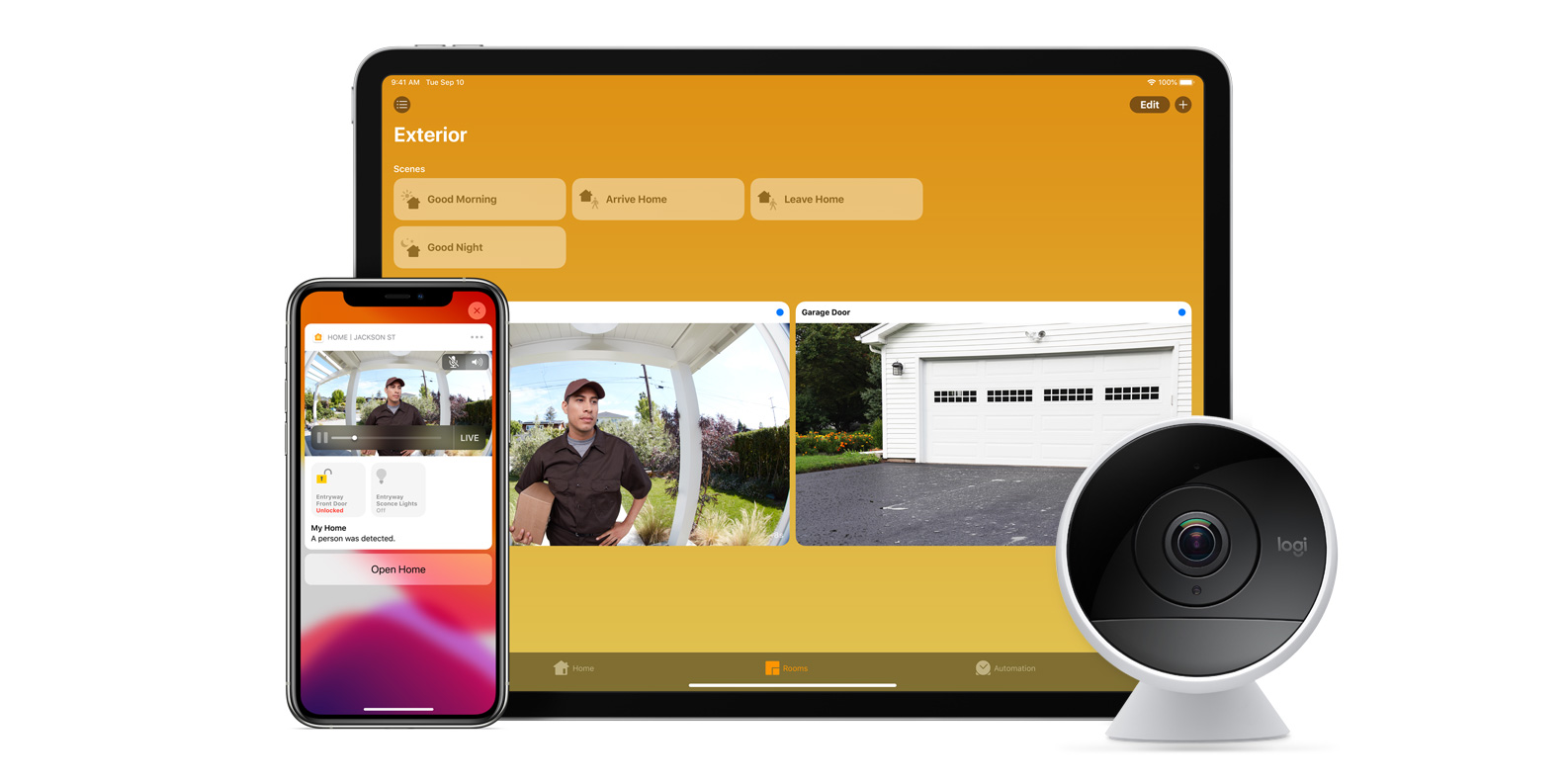
With iOS 13, Apple announced HomeKit Secure Video.

Footage from home security cameras contains your most personal and sensitive data. With HomeKit Secure Video, activity detected by supported cameras is privately analyzed by your home hub using on‑device intelligence to determine if people, pets, or cars are present. When important activity is detected, you and anyone you share your Home app with will receive a rich notification that lets you view the clip right from the Lock Screen. Recorded video is available to view for ten days from the Home app. It’s securely stored for free in supported iCloud accounts and doesn’t count against your storage limit.

While the rollout has been slow, Logitech, Arlo, Netatmo, and Eufy are among the early standouts. With recent privacy issues with Ring, HomeKit Secure Video is likely to continue to grow in popularity. One key benefit with Secure Video is that it works with your existing iCloud storage (200GB and up plan), so you don’t have an extra monthly fee for storage.

HomeKit Router
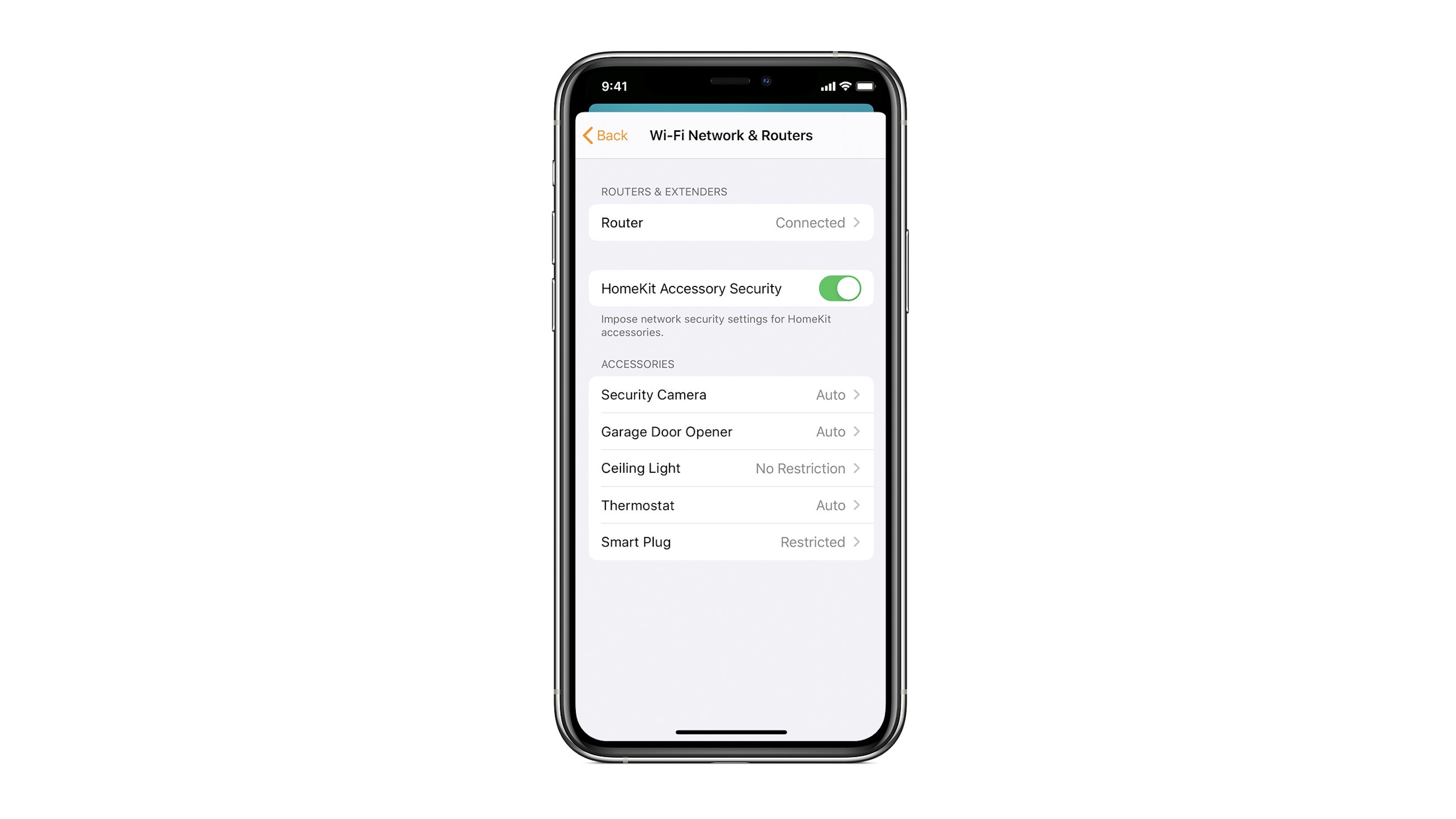
HomeKit Router was also announced with iOS 13, but it wasn’t released until early 2020. The idea behind the feature is you can give granular control to smart home enabled devices to control where on the internet they can reach.

eero was the first company to roll out support in for HomeKit Router.

With Apple HomeKit, eero gives you even more protection of your HomeKit accessories and an easy way to manage what they are allowed to communicate with in your home and through the internet.

There are three levels of security Apple offers for accessories paired with HomeKit routers:

  • Restrict to Home: Most secure. Your accessory can interact only with HomeKit through your Apple devices. The accessory won’t connect to the Internet or any local devices, so any third-party services, like firmware updates, might be blocked.
  • Automatic: Default security. Your accessory can communicate with HomeKit and connections recommended by its manufacturer.
  • No Restriction: Least secure. This setting bypasses the secure router and allows your accessory to interact with any device in your network or Internet-based service.

How Do You Use HomeKit?
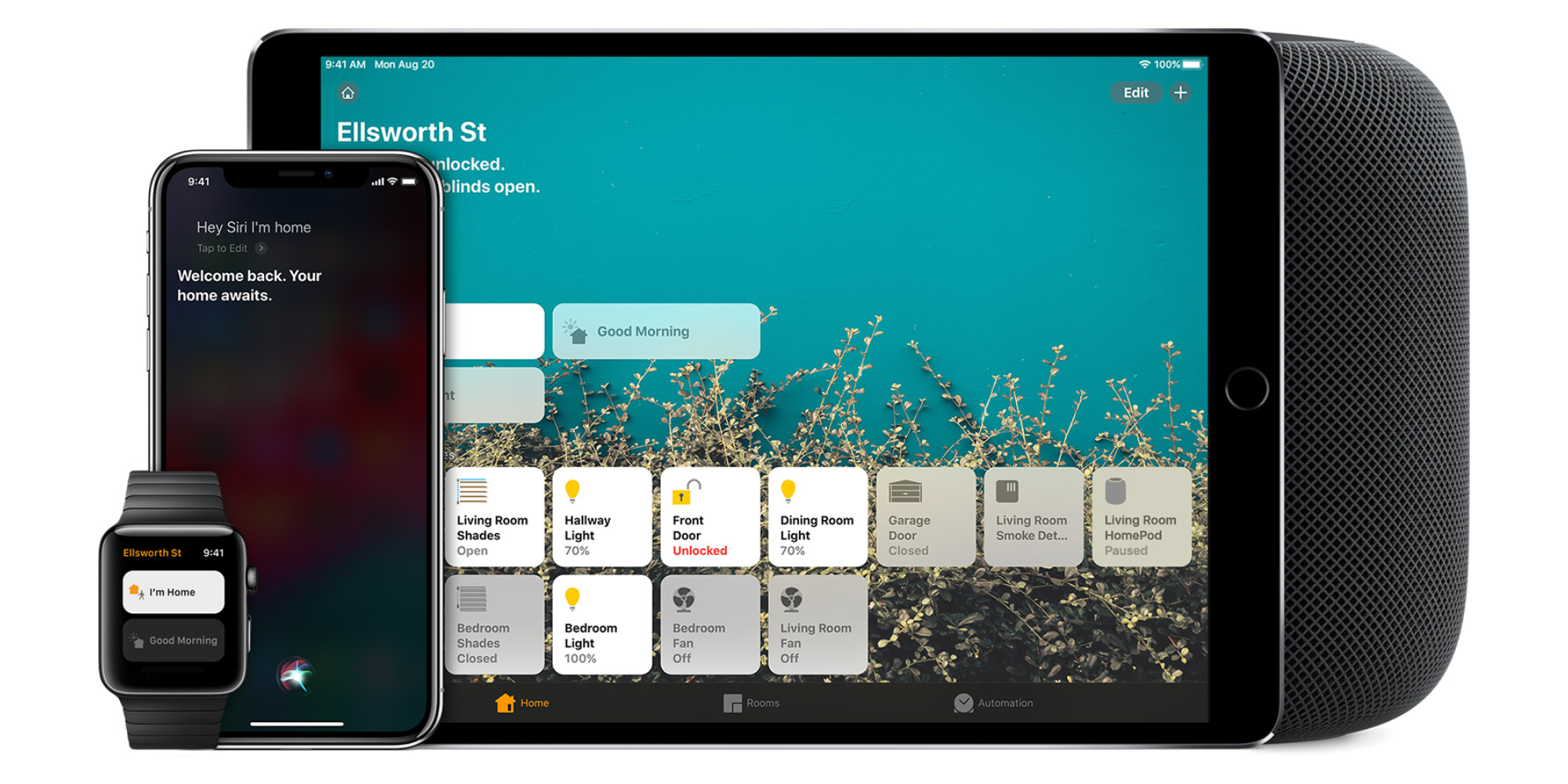
Homekit app

HomeKit devices can be controlled from iPad, iPhone, Mac, Apple Watch, and HomePod. A 4th generation Apple TV (or newer) is an essential Apple smart home device as it acts as a bridge over iCloud to allow access to your devices when away from home.

9to5Mac’s Bradley Chambers does a regular column about the “Apple Home” lifestyle in his HomeKit Weekly column.

Apple opens the door for HomeKit accessory makers w/ finalized MFi specs

Site default logo image

Apple has now finalized and published specifications for HomeKit through its Made-For-iPhone/iPad/iPod (MFi) licensing program. The finalized specifications, which allow accessory makers to start building products that integrate iOS 8’s new framework for home automation devices, come ahead of Apple’s yearly MFi summit in November where it plans to brief manufacturing partners on HomeKit and other new iOS 8 features for accessories.
Expand
Expanding
Close

Withings’ new HomeKit-integrated video monitoring & environmental sensor device detects crying

Site default logo image

Withings, a company well-known for its line of iPhone-connected health and fitness tracking accessories, today announced a new video monitoring device with environmental sensors called  Home. While Home is a video monitoring solution that can be used for security, the company is also including some pretty unique features that it hopes will make your home both a healthier and safer environment.
Expand
Expanding
Close

Ginger Keyboard brings customizable themes to iOS 8’s keyboard

Site default logo image

More developers are stepping forward with early looks at upcoming third-party keyboards for iOS 8. Today, Ginger Keyboard is going public with a keyboard that focuses on customization. The actual keyboard itself while used across iOS 8 does not add much new functionality, but many users will likely enjoy being able to completely customize the design of their keyboard.


Expand
Expanding
Close

Apple sets developer rules for HealthKit, HomeKit, TestFlight, and Extensions ahead of iOS 8 launch

Site default logo image

Today, Apple has updated its official App Store developers Review Guidelines to outline the requirements for iOS 8 applications that will make use of the new HealthKit, HomeKit, TestFlight, and Extensions services. Today’s update indicates that Apple is nearing the release of iOS 8, the next-generation mobile operating system for the iPhone, iPad, and iPod touch ahead of the September 9th Apple media event. Apple will provide developers with a golden master seed of iOS 8 on the day of the event, according to sources with knowledge of the plans. The review guidelines are a “living document” that list reasons that App Store apps could be rejected. Below are the full lists for HealthKit, HomeKit, TestFlight, and Extensions, but here are some of the more significant points:

  • “Apps using the HealthKit framework that store users’ health information in iCloud will be rejected.” This point should reduce fears of intruders being able to access a user’s health data, especially after the scandal surrounding the leak of celebrity photos potentially stored in iCloud.
  • “Apps that share user data acquired via the HealthKit API with third parties without user consent will be rejected.”
  • “Apps that provide diagnoses, treatment advice, or control hardware designed to diagnose or treat medical conditions that do not provide written regulatory approval upon request will be rejected.” This point is crucial in that these fine print allows Apple to work around the FDA’s regulatory guidelines for mobile health applications.
  • “Apps using the HealthKit framework must provide a privacy policy or they will be rejected.”
  • “Apps must not use data gathered from the HomeKit APIs for advertising or other use-based data mining.” Same deal with HealthKit, as we noted earlier this week.
  • There are also a number of third party keyboard guidelines that will be critical for developers to follow.

In addition to those four new sections, Apple has also updated the guidelines to say that “if your app is plain creepy, it may not be accepted.” You can read all of the new bullet points below:


Expand
Expanding
Close

Elgato announces Eve home automation integrated with Apple’s HomeKit, Avea smart LED lights and Smart Power batteries

Site default logo image


Everything has pretty much stopped in North America for Labor Day (except for perv hackers), but IFA 2014 is ramping up in Germany and Elgato is using this event to debut a new lineup of smart accessories. The announcement encompasses three major new products: Eve, Avea, and Smart Power.

Elgato Eve is easily the most compelling new product in this lineup. Through the use of several sensors, Avea monitors your home’s “air quality, temperature, humidity, air pressure, energy and water consumption.” These Bluetooth connected sensors report back to your iPhone or iPad via the Elgato Eve app. And here’s the best part, it will be fully compatible with Apple HomeKit…

Expand
Expanding
Close

Samsung acquires iOS-connected home automation company SmartThings

Site default logo image

About a month ago, word broke that Samsung was interested in acquiring home automation firm SmartThings and today the two companies have made things official. A blog post by the company’s founder and CEO, Alex Hawkinson acknowledged the deal and stated that SmartThings will continue to act as an independent company under Samsung’s Open Innovation Center group.


Expand
Expanding
Close

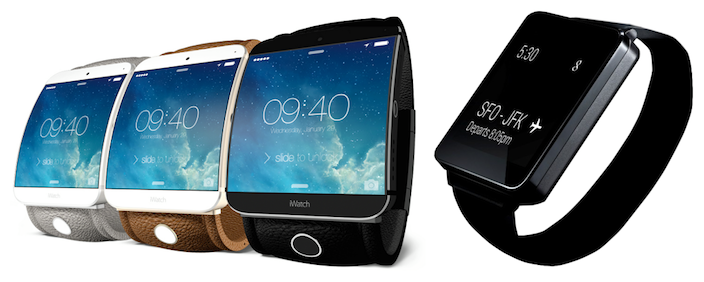
Android Wear gives us a glimpse at what home automation with an iWatch should look like

Site default logo image

Home automation, a category more broadly referred to as the “internet of things,” is almost surely going to be a large and growing market in the coming years. And while Apple’s recently announced entry is the forthcoming HomeKit platform, Google has yet to announce anything exactly equivalent. At I/O 2014, however, Google did announce its plan for Nest, and shed much more light on its Android Wear smartwatch operating system.


Expand
Expanding
Close

Apple’s HomeKit partner Honeywell launches Lyric smart thermostat Nest competitor

Site default logo image

With Apple stepping into the home automation arena by way of offering closer device integration through its new HomeKit API announced alongside iOS 8, just about every appliance in the home is potential for being refreshed and gaining deeper connectivity with our iPhones and iPads. Honeywell, a launch partner for Apple’s new home automation development tools, is today announcing its new Lyric smart thermostat to compete against similar offerings from competitors like the now Google-owned Nest.
Expand
Expanding
Close

Site default logo image

Tado confirms smart air-conditioning controller funded, aiming now for Apple HomeKit support

Tado, the location-aware alternative to the Nest smart thermostat, has confirmed that it has achieved its Kickstarter goal to launch a device to control existing air-conditioners, turning them into smart cooling systems.


We talked about the GE-backed Quirky Aros in March which can now be purchased at Amazon.

Tado is now aiming to raise an additional $50k to allow Tado Cooling to integrate with Apple’s HomeKit, enabling Siri control.

If HomeKit is integrated, our customers will be able to use the tado° app together with some key iOS features such as Siri or TouchID.

  • Imagine setting your tado° to sleep mode or adjusting the desired temperature with a simple voice command.
  • Imagine giving your AC a little boost just by placing your finger on the home button.
  • Imagine combined scenarios with other connected devices …

Tado says that its system will be compatible with 82 percent of existing air-conditioning units, with a control unit working in the same way as its smart thermostat: using an app to track the location of those in the household, automatically turning off air-conditioners when the last person leaves the home and pre-cooling the home when it detects that someone is on their way back.

Low-energy Bluetooth is also used to track the position of people within the home, automatically adjusting air-conditioners within different rooms.

Tado Cooling will retail for $149, but Kickstarter backers can pre-order for $99, with units expected to ship in August. The existing product is fully funded, but currently needs an additional $47,000 in the next six days to add HomeKit support.

Other iOS controlled home cooling systems on the market and in the news include Big Ass Fans.

Apple announces HomeKit API for iOS, will serve as a central hub for home automation

Along with several other new APIs for developers, Apple has announced HomeKit which allows all home automation accessories/devices to work together. The new API will allow home automation developers to centralize all home automation in iOS without needing separate apps to access each device’s specific features. These devices include locks, lights, cameras, doors, thermostats, plugs, switches, and more.


Expand
Expanding
Close