
New peer-reviewed research suggests Apple Watch could play a much bigger role in spotting atrial fibrillation. In a real-world study, researchers found that smartwatch-based monitoring caught far more cases than traditional approaches, including in people who had no idea anything was wrong.
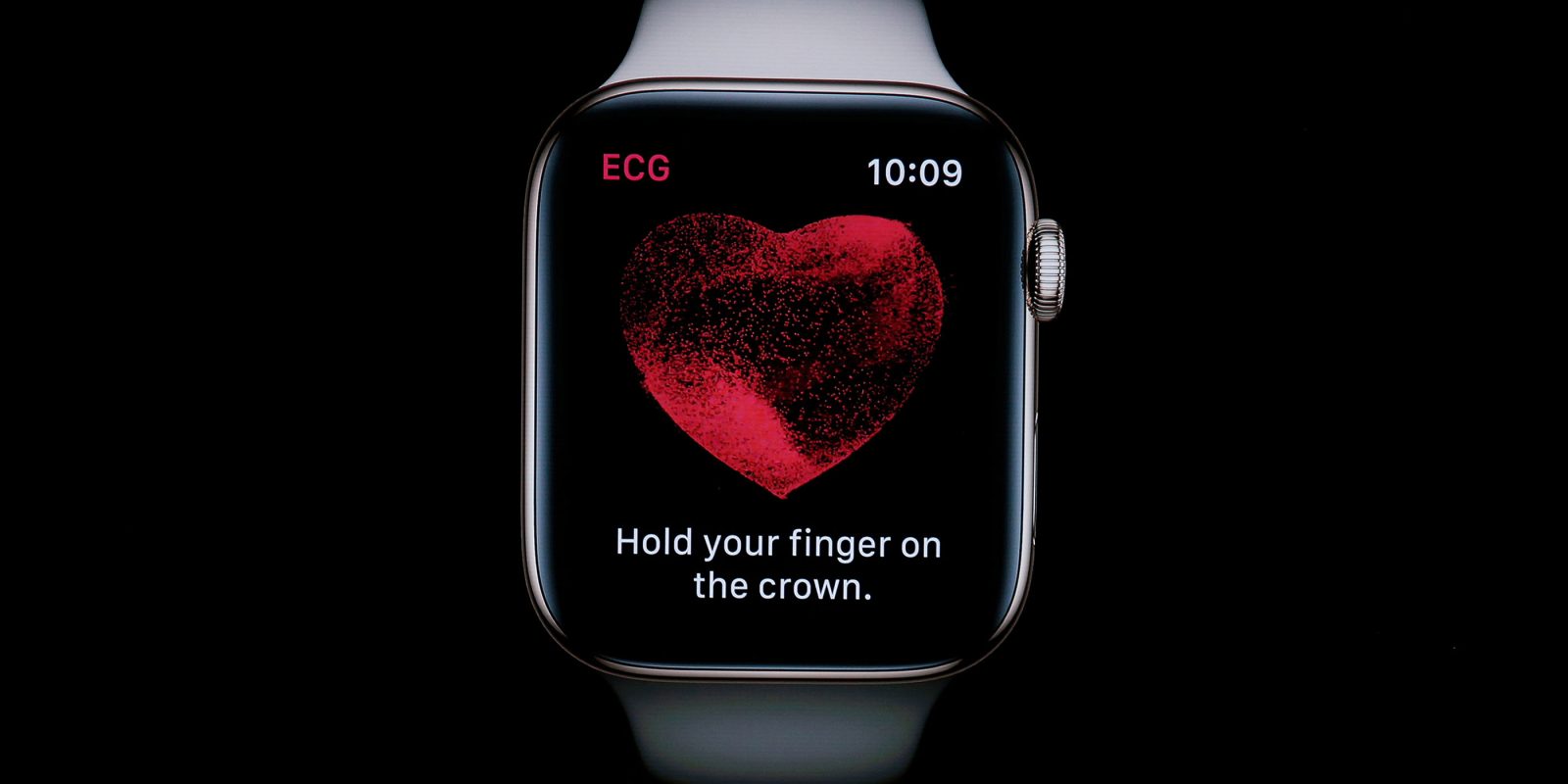
Apple Watch added the ECG app and irregular heart rhythm notification with the Apple Watch Series 4 in 2018. Since then, we’ve heard countless stories of Apple’s wearable helping save people’s lives.
This new study from Amsterdam UMC shows just how effective the Apple Watch is at detecting atrial fibrillation.
The six-month study included 437 people, all of whom were over the age of 65 and at elevated stroke risk. 219 people were given an Apple Watch and wore it for around 12 hours per day, while 218 people received standard care.
After six months:
- 21 people in the Apple Watch group were diagnosed
- 57% of those people had no symptoms.
- 5 people in the standard-care group were diagnosed
- All of whom experienced symptoms.
This highlights how the Apple Watch can catch AFib in people who never would’ve gone looking for it because they felt fine. AFib is often intermittent and asymptomatic, so short-term monitoring can miss it. That’s why the Apple Watch’s continuous monitoring is key.
Here’s Michiel Winter, cardiologist at Amsterdam UMC:
“Using smartwatches with PPG and ECG functions aids doctors in diagnosing individuals unaware of their arrhythmia, thereby expediting the diagnostic process. Our findings suggest a potential reduction in the risk of stroke, benefiting both patients and the healthcare system by reducing costs. This reduction would offset the initial cost of the device.”
You can read the full study at the JACC Journals website.


FTC: We use income earning auto affiliate links. More.



Comments