
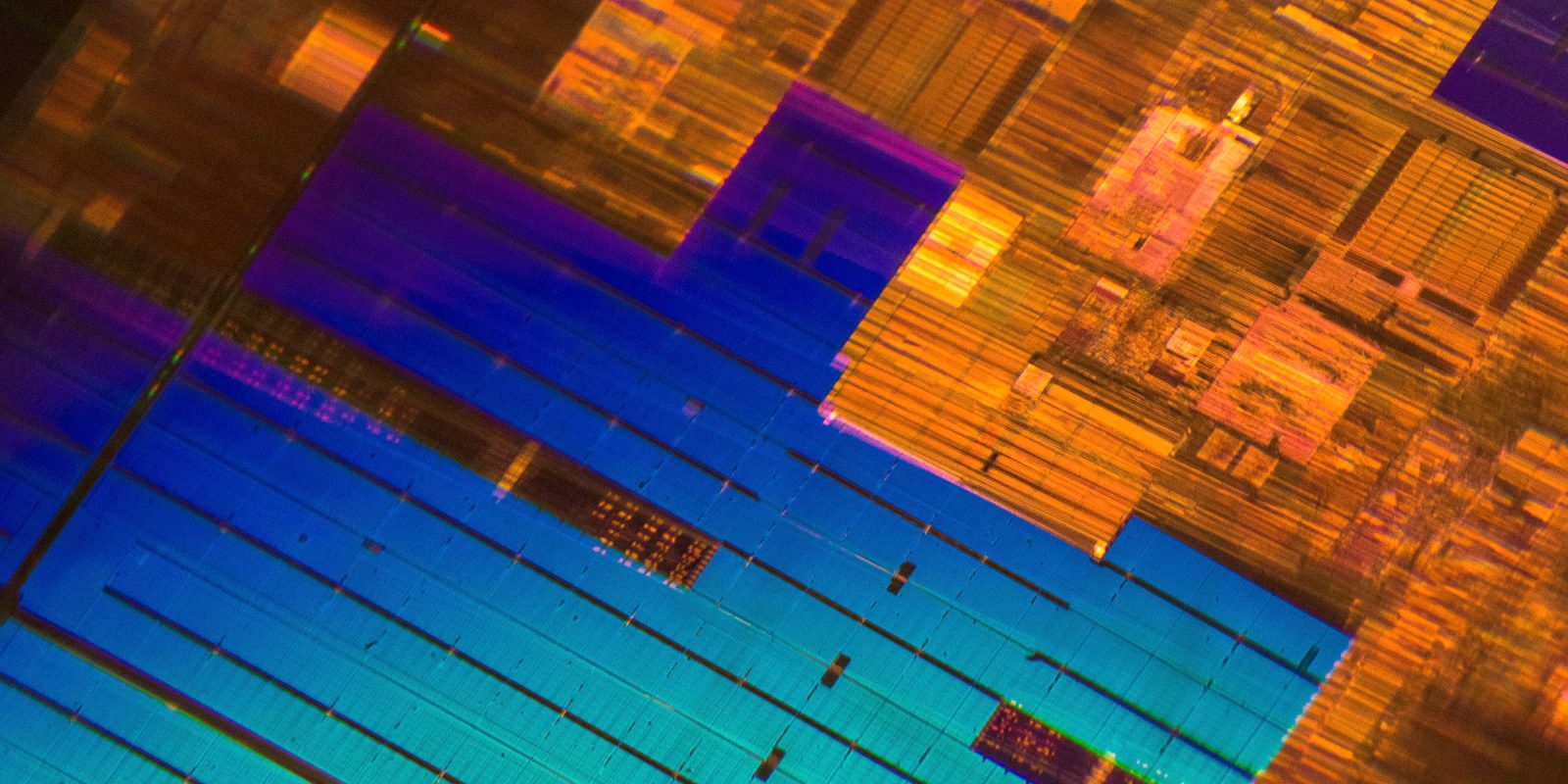
Apple has for years been using a procedure known as chip binning to reuse faulty chips in other models of a product, or even entirely different products.
A new report gives further examples of cases where Apple has been able to take chips which failed quality control for one product and subsequently use them in another – and says that the practice dates all the way back to the original iPad and iPhone 4 …
Chip binning
We first drew attention to the process back in 2020 when Apple used it for the M1 MacBook Air.
A number of people commented on what appears to be a comical difference in the new MacBook Air specs, between the $999 base model and the $1249 version. While the higher-spec model has an 8-core GPU – also seen in the new MacBook Pro and Mac mini – the base model only has a 7-core GPU.
Apple isn’t asking TSMC to produce a version of the M1 chip with a 7-core GPU instead of an 8-core one. Rather, it is taking those chips which are not capable of running the machine with all 8 graphics cores. Those are designated 7-core versions and allocated to the base model MacBook Air.
The benefit of taking this approach is cost savings. Instead of throwing away the chips which don’t quite live up to the full spec, Apple is able to use some of them. That increases yields and thus reduces costs.
MacBook Neo uses binned iPhone chips
We noted that this was key to Apple being able to offer the MacBook Neo at such an attractive price. The company was using binned A18 Pro chips that were rejected for use in the iPhone 16 Pro because only five of the six graphic cores were working.
That strategy was almost too successful. Demand for the MacBook Neo was so high that the company used up all of the binned chips it had saved from iPhone 16 Pro production and is now having to have more of them manufactured.
Binned chips in other Apple products
A Wall Street Journal report highlights a further five products using binned chips:
- A15 Bionic: Used in the iPhone SE
- A17 Pro: Used in the iPad mini
- A18: Used in the iPhone 16e
- A19: Used in the iPhone 17e
- A19 Pro: Used in the iPhone Air
This is far from an exhaustive list, with the report suggesting that Apple has been using chip binning all the way back to the original iPad and iPhone 4.
A4 chips that drew too much power weren’t well-suited for smartphones running on a battery, but worked just fine in the Apple TV plugged into an outlet, said people familiar with the products. Something similar happened with less efficient S7 chips, which ended up in the second-generation HomePod rather than the Apple Watch for which they were originally designed, these people said.
This practice has likely produced savings for Apple amounting to hundreds of millions of dollars.
- Official Apple Store on Amazon
- Discounted AirPods Pro 3
- Wireless CarPlay adapter
- AirTag holders and accessories
- Mac Pro-style Mac mini casing
- NordVPN – privacy-first VPN with no logs and independent audits to verify
Photo by Jason Leung on Unsplash


FTC: We use income earning auto affiliate links. More.



Comments