
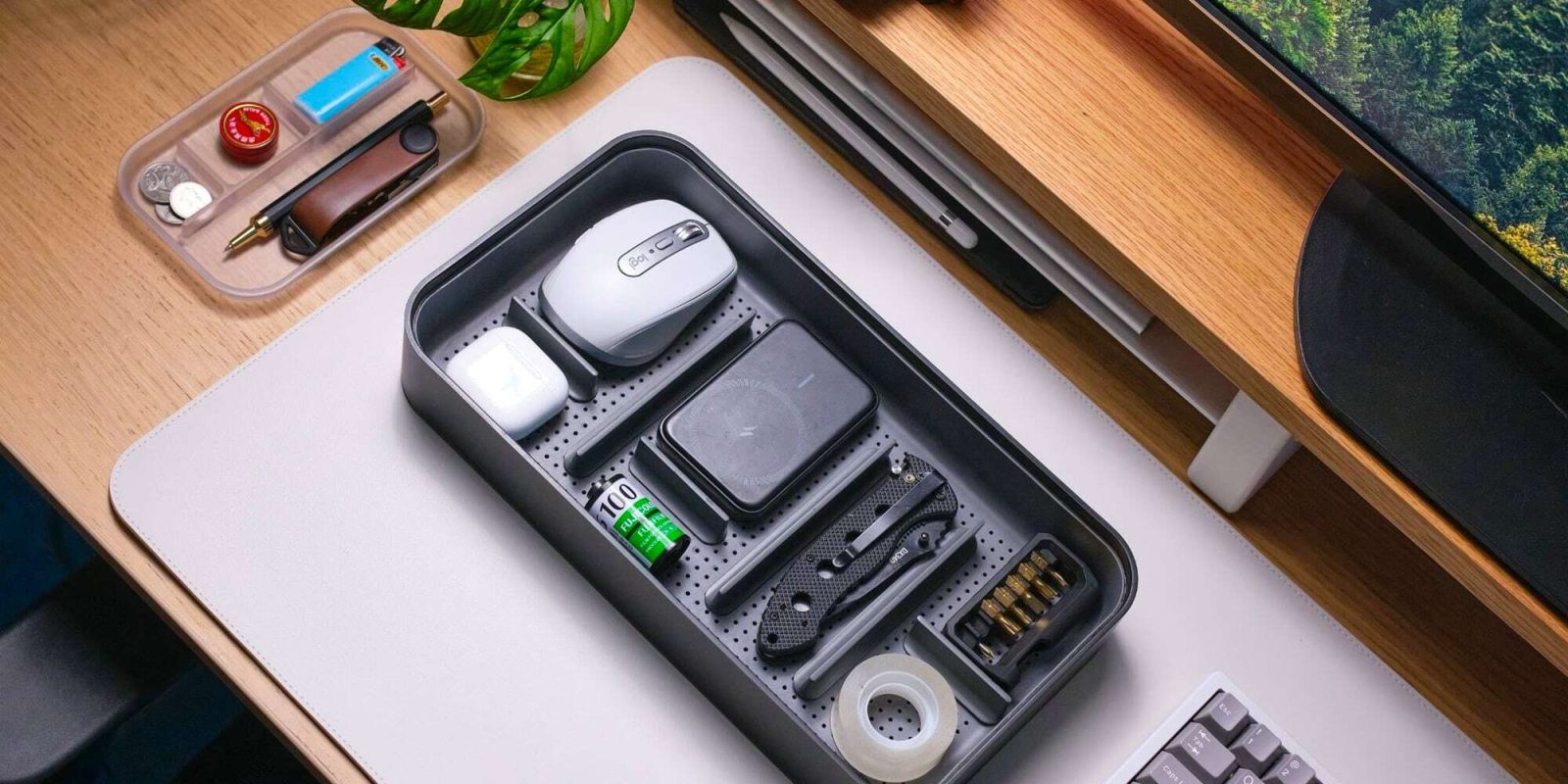
I have used Orbitkey products for years. They first came onto the scene with their award-winning Nest Organizer, which really put them on the map for many tech enthusiasts like myself. They have continued to make useful, intentional products that I still use to this day, like their Premium XL deskmat, which features a unique magnetic cable-organizing system and a second layer for tucking away loose papers. Orbitkey has consistently focused on simple, useful, and premium products, and they are back with their new Grid Desk Organizer. Here is what you need to know.
Grid Desk Organizer
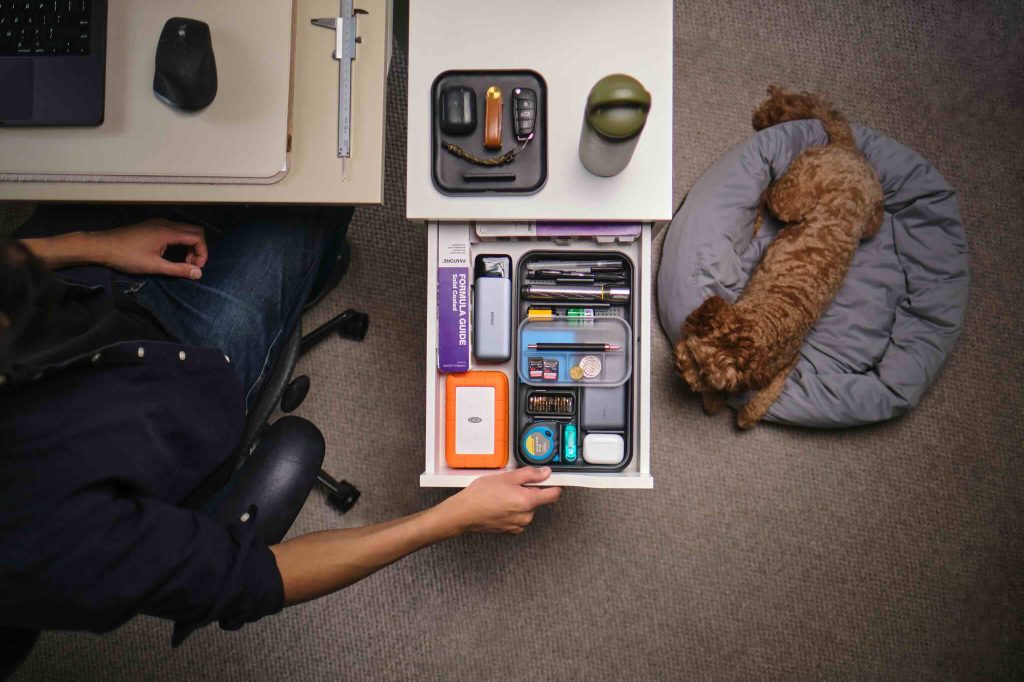
This seems to be the successor to the beloved Nest Organizer. At its core, it is a modular organization system designed to adapt to the accessories you use daily. Since it is fully modular, you can customize it to your specific needs. Orbitkey uses its patent-pending snap-in divider layout that can be reconfigured at any time. If you have ever used those Ikea peg boards, imagine that, but miniaturized. The idea here is that instead of forcing your accessories into predetermined slots, you can create a compartment that fits your accessories. That way, there is less wasted space, and it feels like space was made for your accessories instead of the other way around. As someone who has a ton of tiny tech like SD cards, small SSDs, dongles, and Apple pencils, this is right up my alley.
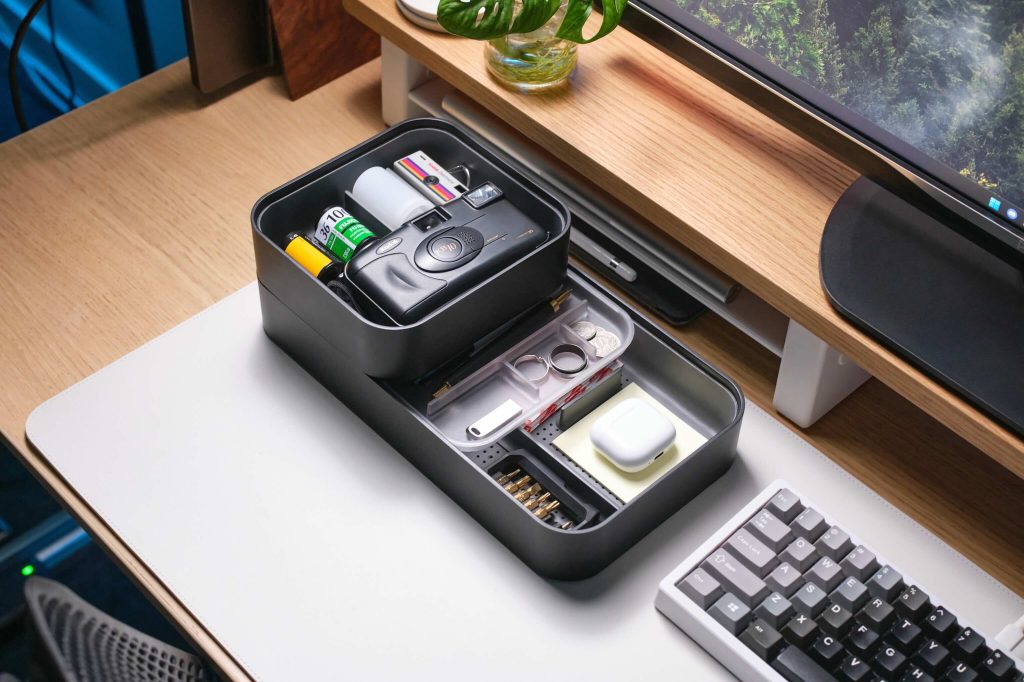
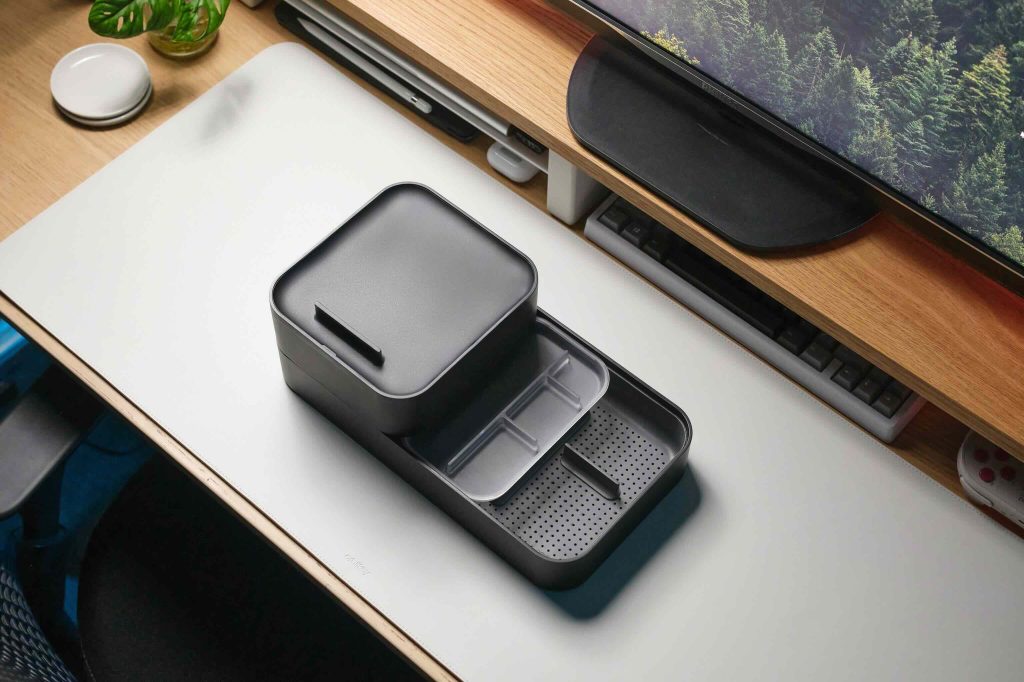
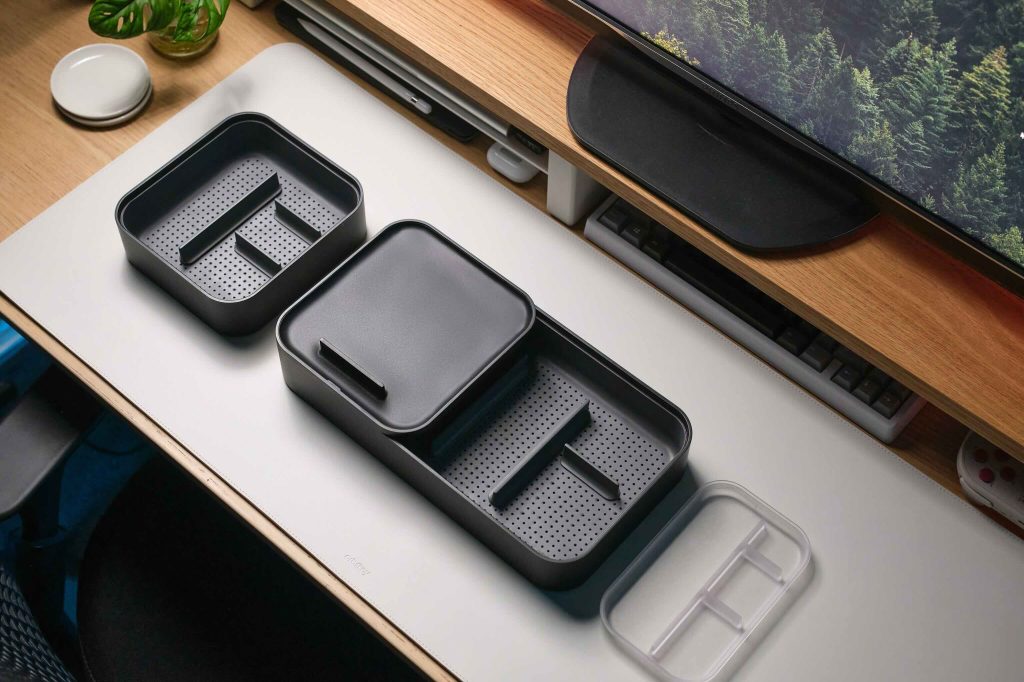
The Grid Desk organizer features a layered design with:
- A customizable main tray
- A secondary accessory tray for smaller items
- A lid that doubles as a valet tray
Orbitkey shows off in their promo video how the trays can slide open like a mini drawer, which is nice, so you do not have to take apart their entire organizer to get to your accessories. If you have limited desk real estate, this is a great space-saving solution. Some other additional details include:
- Soft-touch rubberized interiors
- Soft feet for quieter desk placement
- Stackable and expandable design
- Horizontal and vertical expansion support
- Future-compatible inserts and accessories
- Lid handle that doubles as a portrait phone stand
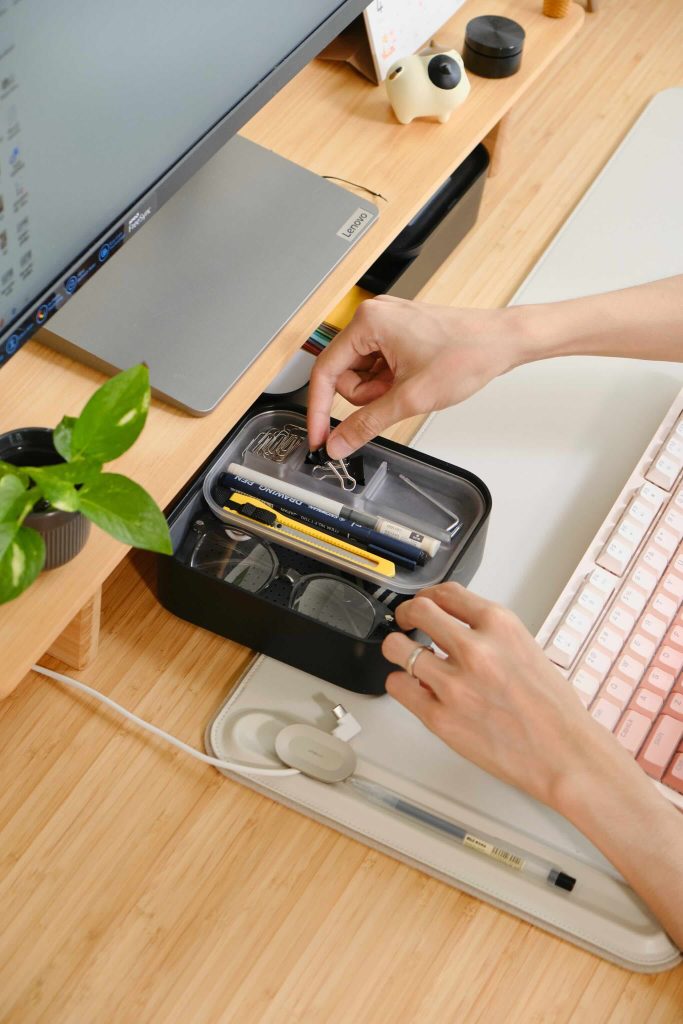
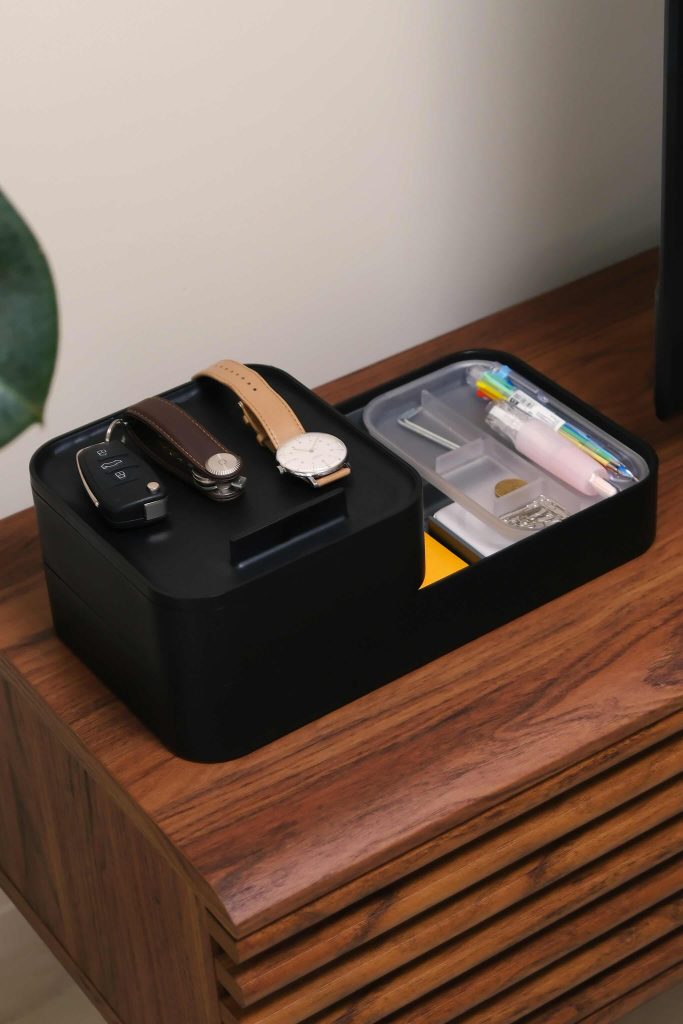
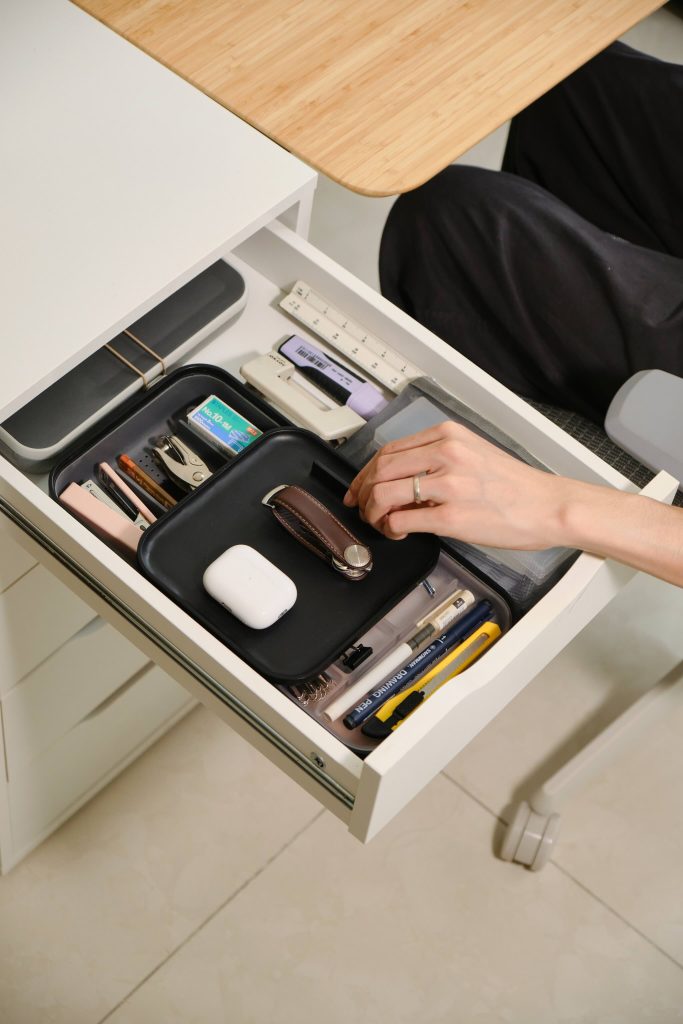
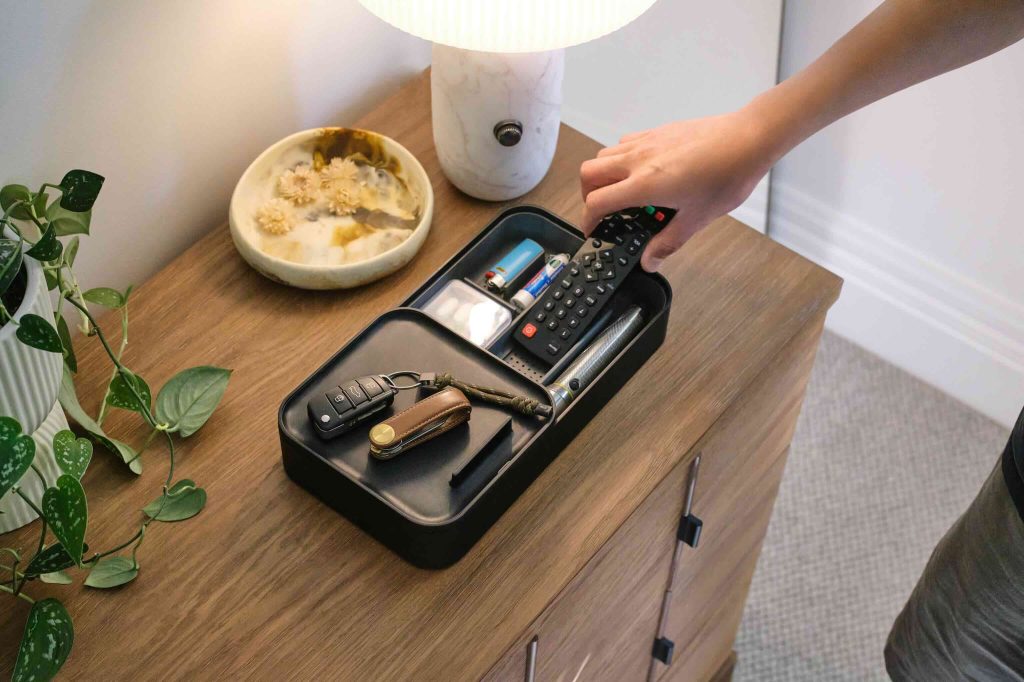
They have really thought of everything, and every piece of this was built with intention in mind. You can use this on a desk, in a drawer, or on your nightstand, and you can even split it: put half in your nightstand and the other half on your desk. There is also room to expand and add more modular pieces to this. I can see them adding a MagSafe charger or an Apple Watch tray.
Pricing and availability
The Orbitkey Grid Desk Organizer is available on Kickstarter starting at $42, with options available for purchase. Final retail pricing will be around $50. What’s nice is that you get everything from the entry-level $42 option, and if you need more, you can bundle. The Grid Desk Organizer is available in three colors: Black, Stone, and Terracotta (I think Terracotta is my favorite). The first 5,000 backers also get a free Founder’s gift. As of this post, they have about 3,750 backers, so there is still some time.
Overall, I think this is for someone who appreciates an organized space. There are so many small accessories and tech products I use that just do not have a permanent spot. Orbitkey’s new Grid Desk Organizer really changes that for me.
What do you think? Have you tried Orbitkey products before? Is this something you have been looking for? Let’s discuss below.


FTC: We use income earning auto affiliate links. More.


Comments