
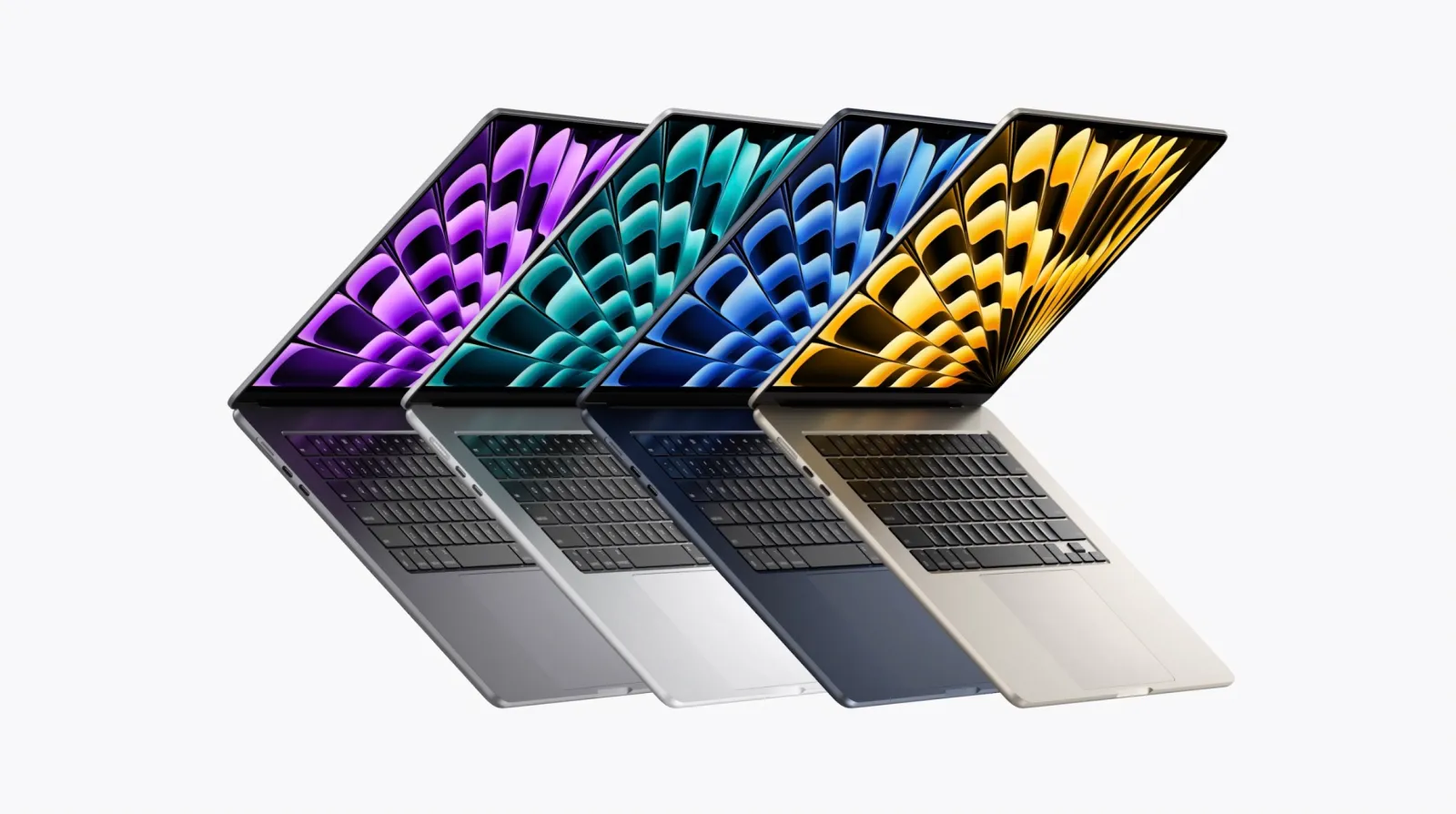
Yesterday morning, Hector Martin resigned from his position as project lead of Asahi Linux. This was a community effort that kicked off shortly after the Mac transition to Apple Silicon begun, in early 2021. After a ton of effort, the team finally released an alpha build of Asahi Linux for M1 and M2 Macs in early 2022. The project was going well.
However, because of burnout and an uphill battle with the Linux community, including Linus Torvalds himself, Hector Martin decided to resign. The project should ideally continue on without him.
Background
Porting Linux to Apple Silicon was no easy feat, for many reasons. However, thanks to tons of support pouring in from the community, Martin made it possible. The project was thriving, for quite some time:
The first couple of years were amazing, as we brought the platform from nothing to one of the smoothest Linux experiences you can get on a laptop. Sure, there were/are still some bits and pieces of hardware support missing, but the overall experience rivaled or exceeded what you could get on most x86 laptops. And we built it all from scratch, with zero vendor support or documentation. It was an impossible feat, something that had never been done before, and we pulled it off.
Unfortunately, the fun didn’t last for long. There were many entitled users in the community who wouldn’t stop complaining, despite the incredible feats. Asahi Linux was never perfect, but it was pretty remarkable.
On top of users complaints, this project was also an uphill battle. Many key developers in the Linux community have attempted to hurt the project, according to Martin:
Suffice it to say, I consider Linus’ handling of the integration of Rust into Linux a major failure of leadership. Such a large project needs significant support from major stakeholders to survive, while his approach seems to have been to just wait and see. Meanwhile, multiple subsystem maintainers downstream of him have done their best to stonewall or hinder the project, issue unacceptable verbal abuse, and generally hurt morale, with no consequence.
Despite the fact that Linus Torvalds, creator and lead of the Linux kernel, was initially supportive of the project (he even wrote the Linux 5.19 release notes on an M2 MacBook Air running Asahi Linux), he didn’t provide the hands-on involvement that Martin believed was necessary for such a feat to move forward, especially given the context of other Linux maintainers not being so nice.
As unfortunate as it is, Martin decided to call it quits following all of these hurdles. I’d highly recommend reading his blog post for a more in-depth and technical breakdown.
What’s next?
According to Hector Martin, the effort will be moving forward, and he’ll be passing on the torch to the rest of the Asahi Linux team. In 2025, the team aims to achieve kernel upstreaming, meaning that all of the drivers necessary for M1 and M2 Macs would be part of the Linux kernel.
As of now, Asahi Linux is a downstream effort, which means the patches are separate from general Linux development. Upstreaming is a huge feat, but would have massive implications.
On top of that, the team would like to improve their testing efforts, as well as develop some new features for M1 and M2 devices, such as DisplayPort alt mode, DirectX 12 support, and internal microphones. Internal mic support should ship as soon as a few days from now.
Top comment by Edgecrusherr
I really appreciate what Linus did, branching off of / being inspired by Unix, and developing an open OS, that anyone can use and develop. That being said, from what I’ve seen of him, he can be a bit arrogant at times, and I don’t think he fully realizes that what he has created is bigger than himself, and that he needs to give over to that fact. I appreciate that he’s safeguarding the kernel, but. sometimes I think he’s so protective of it, that he loses his sight of the bigger picture.
As far as anyone who’s trying to sabotage this project, that is truly foolish on their parts Apple has consistently made the best overall ARM computers. Having full Linux support for Apple Silicon, not only creates an amazing opportunity for people (especially when getting an Apple Silicon Mac secondhand), but it’s also a shining example of the spirit of Linux: being able to take great hardware, and doing what you WANT with it, versus what the OEM tells you CAN do with it. And while Apple’s ARM computers are different than the more generic ARM hardware out there, development on this project can only enrich the community as a whole..
As for people who are complaining about it, they really need to get a handle on their perspective. While there are Linux distributions that make a profit, and have a very large development team, this is just a handful of people doing their best with absolutely nothing but their own ingenuity
I think the Asahi distro is one of the most important out there right now.
Unfortunately, new hardware won’t be a priority, so M3 and M4 Mac users will have to wait quite some time. Efforts are being made in that regard, but all of the changes mentioned prior are a far higher priority. The project needs a strong foundation to survive in the long term.
There’s always going to be questions when a project lead leaves, but it seems like things will hopefully continue to live on, albeit not on the latest hardware. I wish the Asahi Linux team all the best, and hope to be able to report on some exciting developments in the future.
My favorite Apple accessories on Amazon:
- ESR MagSafe Wallet with Kickstand, Grip, and Find My support
- Anker MagSafe 2-in-1 Wireless Charging Stand with Qi2
- UGREEN 6.6ft braided USB-C charging cables, 2-pack
- AirPods Pro 2 (USB-C)
Follow Michael: X/Twitter, Bluesky, Instagram


FTC: We use income earning auto affiliate links. More.



Comments