
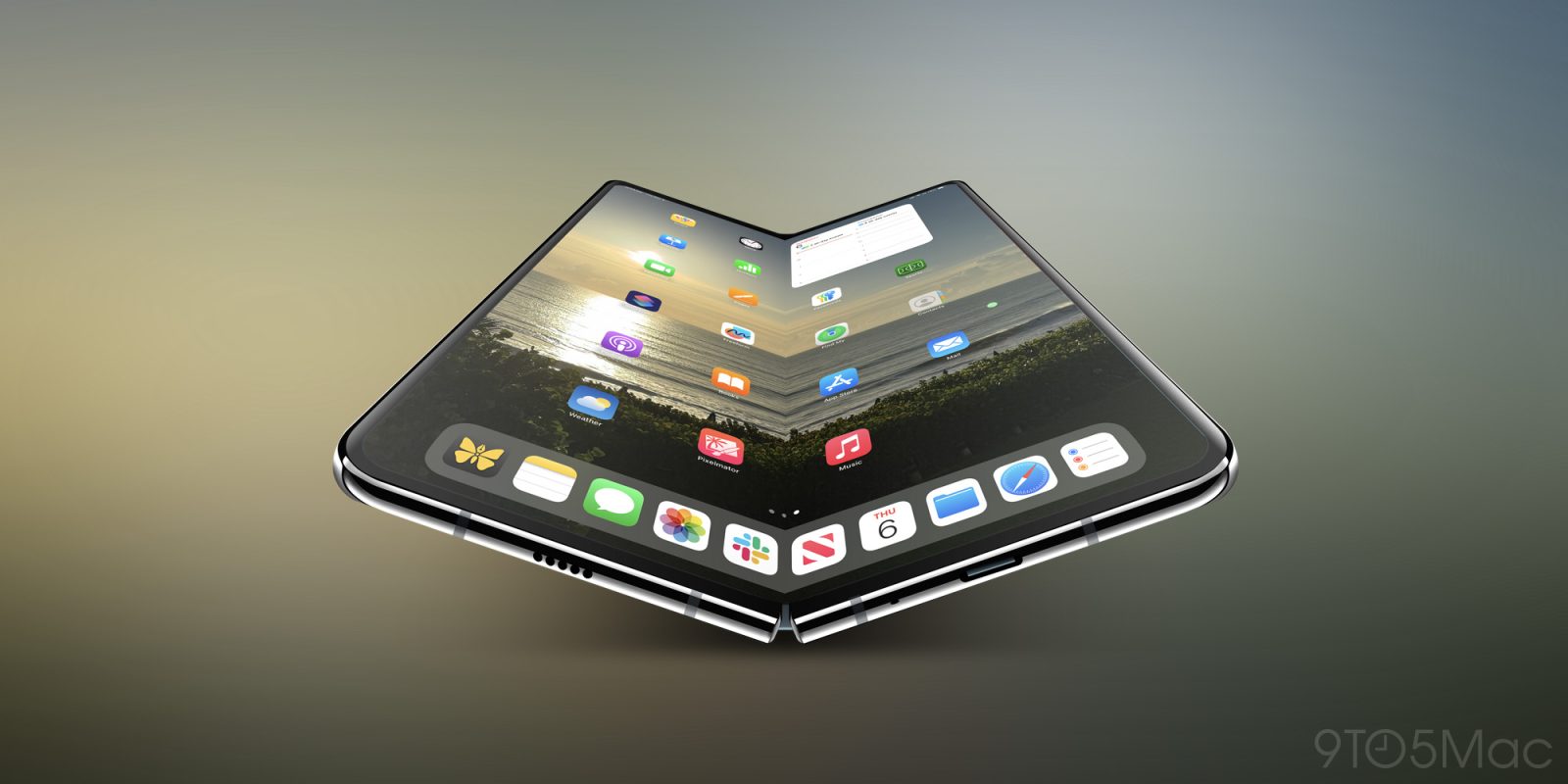
Next year’s foldable iPhone is expected to boast several advantages over competition. But what I expect will be the iPhone Fold’s biggest selling point has been more than a decade in the making, rooted in a well-established app feature.
iOS apps with adaptive layouts arrived over a decade ago
Back in 2014 at WWDC, Apple gave developers tools to build apps with auto-adaptive layouts. The concept of ‘size classes’ in apps was a precursor to a big hardware launch later that year: the iPhone 6 and 6 Plus.
Until then, the iPhone had largely stayed the same size. It got slightly taller with the iPhone 5, but iPhone 6 and 6 Plus represented the first major size changes.
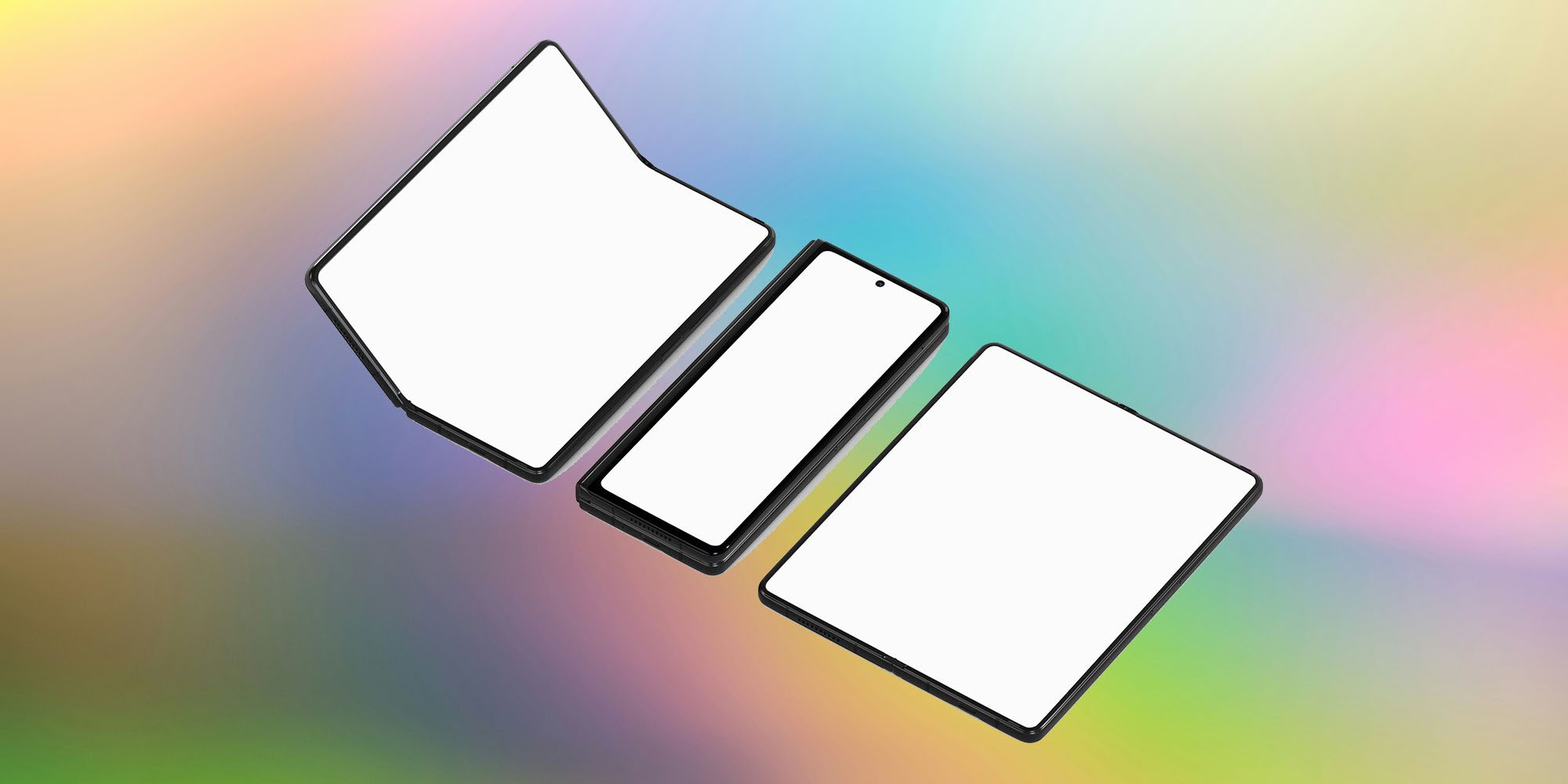
Apple knew that third-party iOS apps would need to adapt accordingly. So it created tools to help make that happen.
These tools were extremely valuable a year later, when iOS 9 gave the iPad its first true multitasking features. Split View and Slide Over worked seamlessly for apps that had implemented Apple’s new layout tools.
And it’s this same foundation of adaptive apps that, I suspect, will prove the iPhone Fold’s greatest advantage.
iPhone Fold’s biggest strength could be the iPhone and iPad app ecosystems
For as long as Android tablets have been a thing, the app ecosystem has lagged behind that of the iPad.
Whenever I’ve read reviews of Android tablets, or even of foldable Android phones, one of the main complaints involves apps.
In short, Android phone apps don’t necessarily translate well to foldable layouts, or that of tablets.
iPhone Fold, however, is poised to capitalize on Apple’s strong iPad app ecosystem and adaptive layouts.
For all that we already know about the iPhone Fold’s hardware, we don’t yet know what the software story will be.
But it seems a given that, with a 7.8-inch inner display that resembles an iPad mini, the iPhone Fold will be able to run iPad-class apps.
A huge number of iPhone apps have iPad versions too.
Top comment by Blurft
Ah, it's so nice to see the predictable timeline of a rumored new Apple product...
Stage 1: Competitor releases early version, said version is criticized, "Apple would never do that."
Stage 2: Competitor iterates and improves product, complaints become increasingly nitpicky (the very minor and practically-unnoticeable seam on foldables is a deal-breaker!)
Stage 3: Rumor that Apple will somehow solve nitpicky issues, or those complaints just quietly fade away (remember concerns about OLED burn-in or USB-C fragility?)
Stage 4: "Actually Apple has been working on this technology for years, they're going to release a perfected product." <-- WE ARE HERE
Stage 5: Product is released, it receives praise if it sells even moderately well ("Apple solved what nobody else could!") or excuses if it doesn't ("It was only ever meant as a devkit, it's not for everyone, Apple always planned this outcome")
Tale as old as time, true as it can be...
So on day one, iPhone Fold should provide a seamless app experience whether you’re using it folded (iPhone-size app) or unfolded (iPad-size app).
The beautiful thing is, developers may not even need to do much work to prepare their apps for Apple’s first foldable.
Most of the work, I suspect, was already done as early as 2014.
What excites you most about the iPhone Fold? Let us know in the comments.
Best iPhone accessories
- AirPods Pro 2 (now only $169, down from $249)
- MagSafe Car Mount for iPhone
- HomeKit smart plug 4-pack
- 10-year AirTag battery case 2-pack
- 100W USB-C power adapter for fast charging


FTC: We use income earning auto affiliate links. More.


Comments