
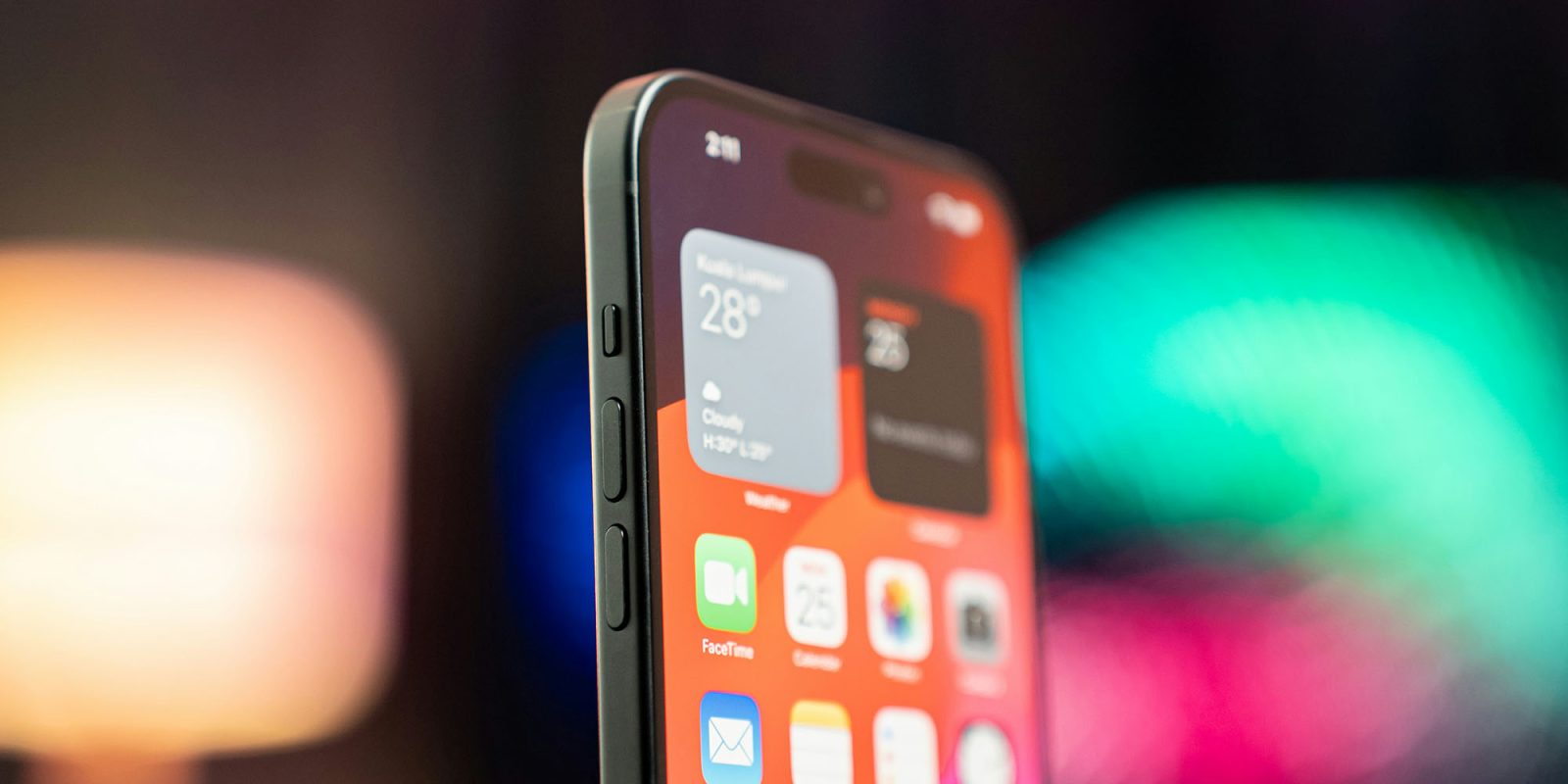
Apple’s terrible, horrible, no good, very bad streak of regulatory woes just got a little worse. According to The New York Times, government members have raised concerns about the company’s partnership with Alibaba to bring AI features to iPhones in China.
When Apple announced Apple Intelligence, it struck a deal with OpenAI to bring ChatGPT into the system as part of its AI offerings. Since OpenAI can’t operate in China, Apple went shopping for a domestic partnership the country.
For the past few months, Apple has explored potential deals with Baidu, DeepSeek, and Tencent. However, it seems to have settled with Alibaba, whose open-source model Qwen has been improving rapidly.
Apple is yet to publicly acknowledge its partnership with Alibaba, although its chairman appears to have already done that for them.
Washington is watching
Recently, officials from the White House and the House Select Committee on China have inquired about the deal. They have reportedly raised the issue directly with Apple executives and questioned what kind of commitments the company might be making under Chinese law.
Lawmakers and national security officials fear that any deal with Alibaba could strengthen China’s AI capabilities, particularly if it gives the company access to user data or helps refine its models.
Top comment by Pete Garza
I honestly do not see what’s the issue is here, openAI can’t be used in China so then use a Chinese AI for Chinese market. 🤷🏻♂️
Representative Raja Krishnamoorthi, a senior member of the House Intelligence Committee, called the deal “extremely disturbing”. He warns that Apple could be enabling a company closely tied to the Chinese Communist Party’s, much like the fears over TikTok that got it banned-but-not-quite in the U.S.
“The United States is in an AI race with China, and we just don’t want American companies helping Chinese companies run faster,” added Greg Allen, the director of the Wadhwani A.I. Center at the Center for Strategic and International Studies.
Behind the scenes, U.S. officials have reportedly debated adding Alibaba and other Chinese AI firms to a restricted list that would prohibit them from working with American companies. The Department of Defense and intelligence agencies are also said to be evaluating the company’s ties to the Chinese military.
Apple has not provided a timeline for when Apple Intelligence will launch in China. But the clock is ticking. iPhone sales and overall revenue in the country have been shrinking. With the next generation of iPhones expected to launch in the fall, the outcome of this controversy could significantly shape how Apple positions itself in one of its most vital markets.


FTC: We use income earning auto affiliate links. More.


Comments