
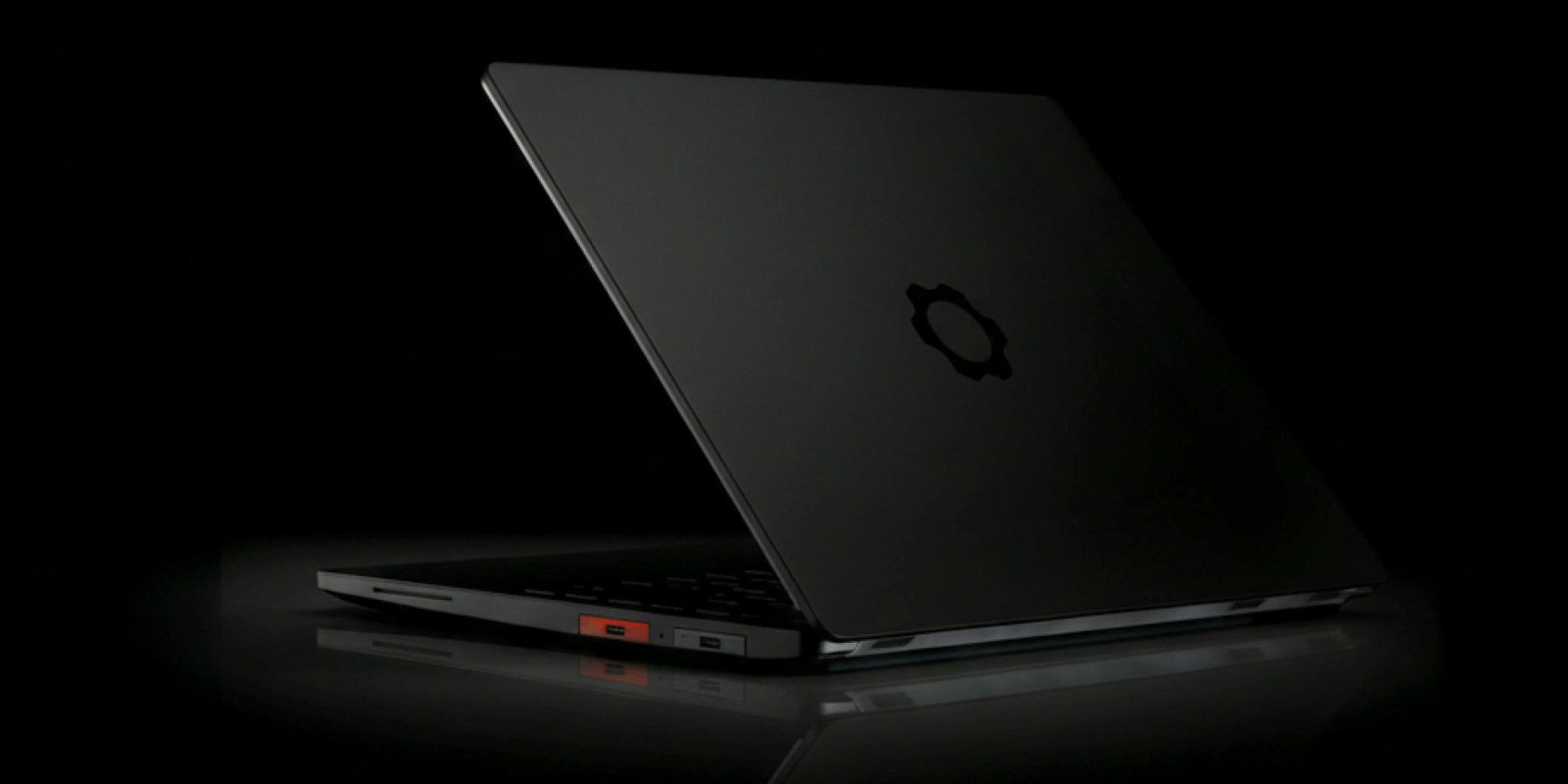
The new Framework Laptop 13 Pro has been described by the company’s CEO as “the MacBook Pro for Linux users” (though you can also run Windows on it). It even claims to beat the 14-inch M5 MacBook Pro for battery life.
The new machine copies a number of key Apple features, but is the complete opposite in terms of its underlying philosophy …
The same …
The Verge got a hands-on with the new machine, and highlighted a number of features which could have been taken direct from Apple’s website.
It’s the company’s first laptop to be fully machined out of blocks of 6000-series aluminum, its first with a haptic trackpad, and its first with a fully custom 13.5-inch, 3:2, 2.8K, variable refresh rate (30-120Hz) IPS screen that comes color-calibrated right out of the box.
This is in stark contrast to the company’s previous machines, which have not been noted for either sleek design or Apple-like build quality.
Framework CEO Nirav Patel says its goal for this computer is to be “the MacBook Pro for Linux users.” And — especially in anodized black, though it also comes in silver — it looks like it could play the part.
But radically different
This is where the similarities end, however. While MacBooks have frequently been criticized for lack of repairability and the high cost of upgraded specs, the latest framework laptop retains the modularity and upgradability for which they are known.
Top comment by RDLink
Good on them. Much like Android phones the hardware does not overcome the OS/software issues for me. I don't buy computing power to spend my days configuring and tinkering. I need to GSD.
You can replace both the RAM and the SSD, and can configure it with a completely different CPU.
You can also configure the Laptop 13 Pro with last year’s AMD Ryzen AI 300 boards if Intel or LPCAMM isn’t your thing.
You can even upgrade your existing Framework Laptop 13 to the higher spec of the Pro.
The Laptop 13 Pro has the same dimensions, including the same 15.85mm thickness, though it weighs slightly more at 1.4kg (3.08lb) vs 1.3kg (2.86lb). You can swap just the new Intel Core Ultra Series 3 into an existing Laptop 13, or just the display, or just the keyboard and trackpad. Or you can buy the new chassis. Or just a new bottom cover and the bigger battery for your existing machine.
In the past, the price you paid for that flexibility was a machine whose fit and finish lagged significantly behind Apple. If the company truly has managed to offer the best of both worlds, that’s a pretty appealing option for those who aren’t wedded to the Apple ecosystem.
- Official Apple Store on Amazon
- Apple’s iPhone cases: iPhone 17 | iPhone 17 Pro and Pro Max | iPhone Air
- Wireless CarPlay adapter (2026 update)
- AirTag holders and accessories
- Mac Pro-style Mac mini casing
- NordVPN – privacy-first VPN with no logs and independent audits to verify
Photo: Framework


FTC: We use income earning auto affiliate links. More.



Comments