
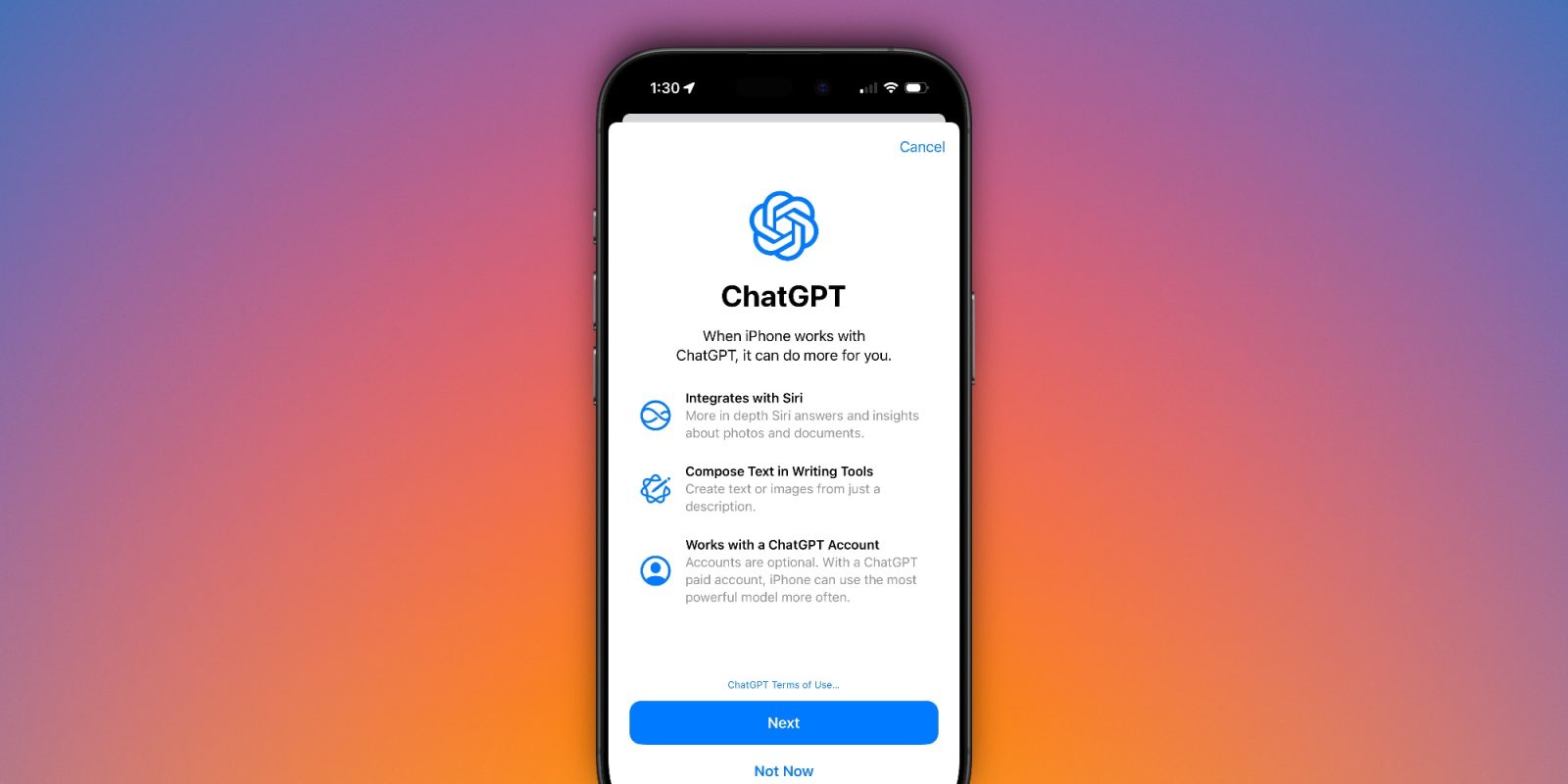
As reported by The Financial Times, new court filings show that OpenAI was disappointed by the adoption of ChatGPT through Apple Intelligence, which it says “dramatically underperformed” after launching in 2024. Here are the details.
OpenAI asks court to rule before trial
In August 2025, Elon Musk said that X, now part of SpaceXAI, would sue Apple and OpenAI over alleged collusion to shut out competitors in the AI space, stemming from OpenAI’s deal with Apple to make ChatGPT part of Apple Intelligence and Siri.
When the lawsuit was filed, it actually went beyond Musk’s original public complaint about App Store rankings. X and SpaceXAI also accused Apple of trying to stifle the development of “super apps,” including X’s effort to turn itself into an “everything app.”
In the weeks and months that followed, all companies involved filed briefs, accusations, and defenses with the court. Apple and OpenAI have argued, among other things, that their deal was not exclusive as the complaint alleged, while court filings have also revealed new details about how the partnership worked behind the scenes.
One of those details surfaced today in a filing from OpenAI. As first reported by The Financial Times, OpenAI “said it was disappointed by how little interest Apple generated from iPhone users after the two companies struck a deal in 2024 for ChatGPT to power ‘Apple Intelligence’.”
From the report:
When the 2024 deal was agreed, OpenAI expected a “halo effect” from promotion and brand association with Apple, as well as more subscriptions coming from Apple Intelligence users, Wednesday’s court document says.
But a month after the ChatGPT integration launched, it “appeared to be off to a slow start” and OpenAI was cutting its forecasts for how many weekly active users it expected to attract, it said. By the summer of 2025, “it was clear that Apple’s integration of ChatGPT was dramatically underperforming”.
The report notes that today’s filing contains multiple redacted conversations, but the unredacted portions show that OpenAI executives were concerned Apple could “want to move faster” to secure another AI partner.
When Apple Intelligence was first announced in 2024, Craig Federighi said in an interview that Apple ultimately wanted users to be able to choose between different AI models, specifically pointing to Google Gemini as a potential future integration.
That specific partnership never materialized, but Apple has since turned to Google’s Gemini models to help power the new Siri AI, while Xcode has expanded to support coding agents from Anthropic, Google, and OpenAI.
Back to today’s filing, The Financial Times notes that it also points to the way Apple implemented ChatGPT as one possible reason for the slow adoption, as the integration was turned off by default.
Finally, as noted by Reuters, OpenAI is also arguing that recent securities disclosures from SpaceX undermine SpaceXAI’s claims that the Apple partnership harmed competition. In its filing, OpenAI said SpaceX’s IPO registration statement was “replete with disclosures diametrically opposed” to the competitive harm alleged in the lawsuit.
For these reasons, OpenAI is asking Judge Mark Pittman to rule in its favor before trial on SpaceXAI’s antitrust claims. The case is currently set to go to trial in January.
You can read The Financial Times’ report here. For Reuters’ report, follow this link.
Worth checking out on Amazon
- Apple Watch Series 12
- Apple Watch Ultra 4
- AirPods Pro 3
- AirPods 5
- AirTag (2nd Generation) – 4 Pack
- MacBook Neo
- Logitech MX Master 4


FTC: We use income earning auto affiliate links. More.




Comments