
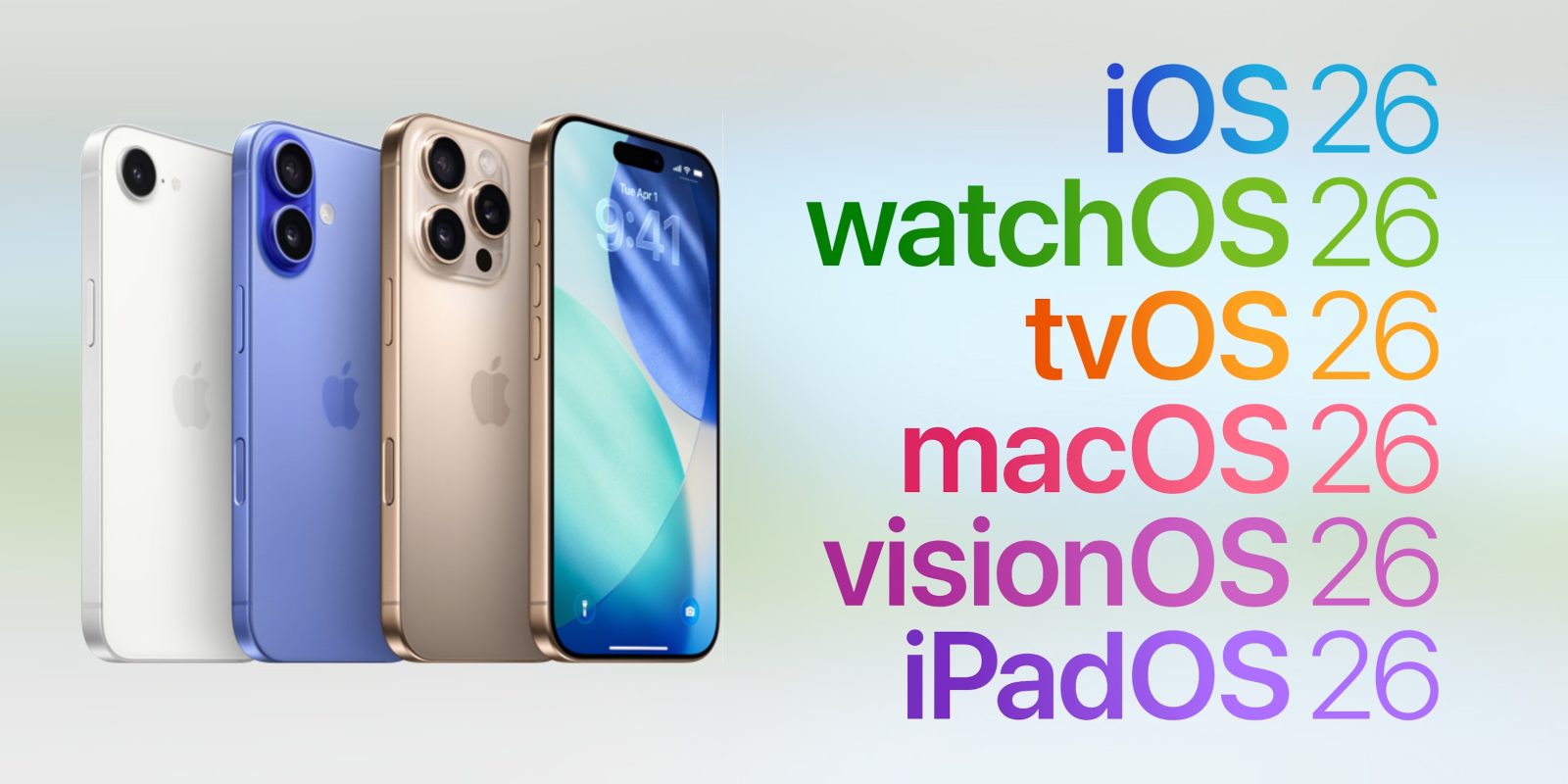
So, Apple has just released the next major version of its iPhone operating system, called iOS 26. If you have an iPhone model newer than the XS, you can update to iOS 26 for free right now.
But the previous version number of iOS was iOS 18. So what happened to iOS 19? Why did Apple jump to 26?
The simple reason is that OS version numbers are based on marketing rather than hard science, and Apple can name its platforms whatever it wants.
Apple has taken this opportunity to align the iPhone operating system version number with the current calendar year. But isn’t the current year 2025, and 2026 is next year? Yes, but the lifetime of the new OS will mostly reside in 2026.
Top comment by mxoff@me.com
In my view, it's a lot more than marketing. It is the right move (regardless of it being 25 or 26 or whatever). Having the same number for all platforms is just a no brainer for me.
More and more apps, more and more features across the different apps, more and more "continuity" features, make each platform related to, if not dependant on, the others. So you clearler know now what version all your devices should be at to have a consistent and similar experience.
Also, because of the same reasons, the release cycle is the same for all platforms so it makes sense (for me at least) to have one number only.
iOS 26 will be the current operating system all the way through to September 2026, when we assume iOS 27 will be ready. But that means for nine out of the twelve months of iOS 26’s lifespan, it will be the 2026 operating system.
So, that is why Apple has decided to number iOS after the digits of the coming year, rather than the current year. For consistency, the company is also moving all of its other platforms to the 26 numbering scheme as well. This means they are now are aligned:
- iOS 19 -> iOS 26
- iPadOS 19 -> iPadOS 26
- watchOS 11 -> watchOS 26
- macOS 15 -> macOS 26
- visionOS 3 -> visionOS 26
- tvOS 19 -> tvOS 26
That certainly makes it easier to keep everything straight in your memory, and it’s simply less confusing for customers. All updates to the current OS versions will be in the form of 26.x, until the next major release set to be announced next June, as iOS 27.
However, the company has elected not to change the numbering scheme of its hardware. It’s iPhone 17, not iPhone 26. This is probably because while software updates are free and customers can upgrade each year, Apple will sell the iPhone 17 in stores for multiple years. This makes numbering-by-year less compelling as a marketing tactic.


FTC: We use income earning auto affiliate links. More.




Comments