
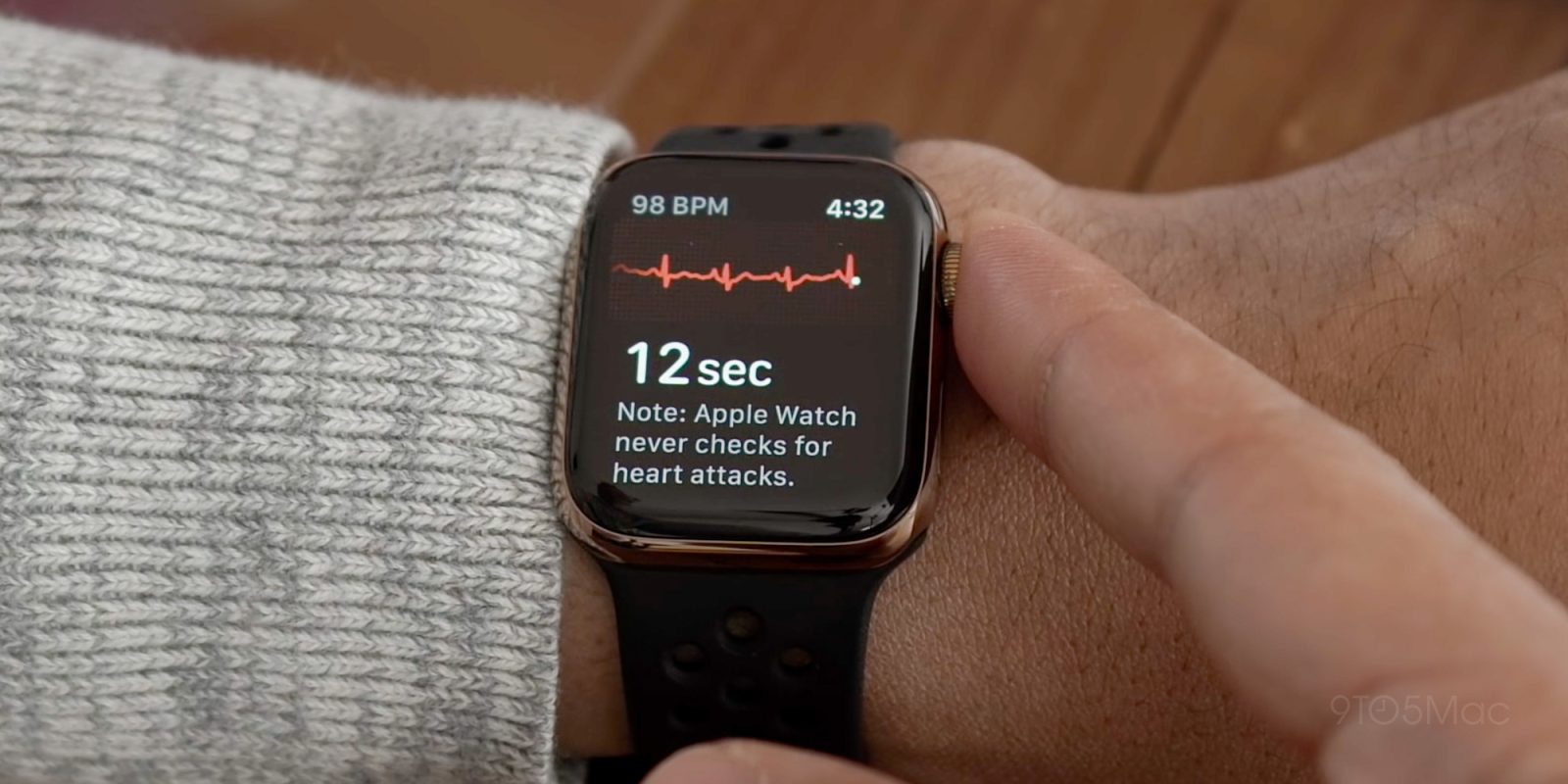
A new trial suggests Apple Watch could make a meaningful difference in what happens after atrial fibrillation ablation, not by changing the procedure itself, but by changing what patients and doctors catch afterward.
Researchers found that a simple routine of patient-led ECG check-ins surfaced more recurrences and was linked to fewer unplanned hospitalizations over the follow-up period.
The study was conducted by researchers at St Bartholomew’s Hospital in London, with the results published in the Journal of the American College of Cardiology.
It focused on how patients who had an AFib ablation, which is a procedure that uses heat or cold to destroy heart tissue causing irregular rhythms, and how they were monitored after that procedure. There were two groups in the study, first the Apple Watch group:
- Patients were given an Apple Watch and instructed to record an ECG on the watch every day.
- If they felt symptoms or received a notification from their Apple Watch, they were to record an ECG then as well.
- A clinical team reviewed those ECGs remotely.
Then, the standard care group:
- Standard clinic-based follow-up at 3, 6, and 12 months with ECG monitoring and interval symptom-guided Holter monitoring.
After the 90-day “blanking period,” the Apple Watch group had AFib recurrences detected sooner than the standard-care group, with a median time to first confirmed recurrence of 116 days vs 132 days.
By the end of follow-up, recurrences were also detected more often with the watch: 52.9% of patients in the Apple Watch arm versus 34.9% in the control group.
That gap was largely driven by the watch catching more paroxysmal (intermittent) episodes — the kind that are easy to miss with occasional clinic ECGs or short Holter monitoring.
Notably, even with more abnormalities identified, the Apple Watch group had fewer unplanned hospitalizations, while repeat ablation rates were similar between the two groups.
The study suggests that by shifting monitoring into a patient’s daily life with on-demand ECGs, a structured Apple Watch workflow could improve post-ablation surveillance and potentially reduce unnecessary escalations in care.
It’s a good example of the Apple Watch not just being useful for the initial catch of atrial fibrillation, but also for longer-term, post-procedure monitoring.
My favorite Apple Watch links:
- Apple Watch Series 11
- Twelve South Butterfly 2-in-1
- Anker 3-in-1 Charging Station for iPhone, AirPods, and Apple Watch
- Nomad Titanium Apple Watch Band
- My favorite Apple Watch band
Follow Chance: Threads, Bluesky, Instagram, and Mastodon.


FTC: We use income earning auto affiliate links. More.


Comments