
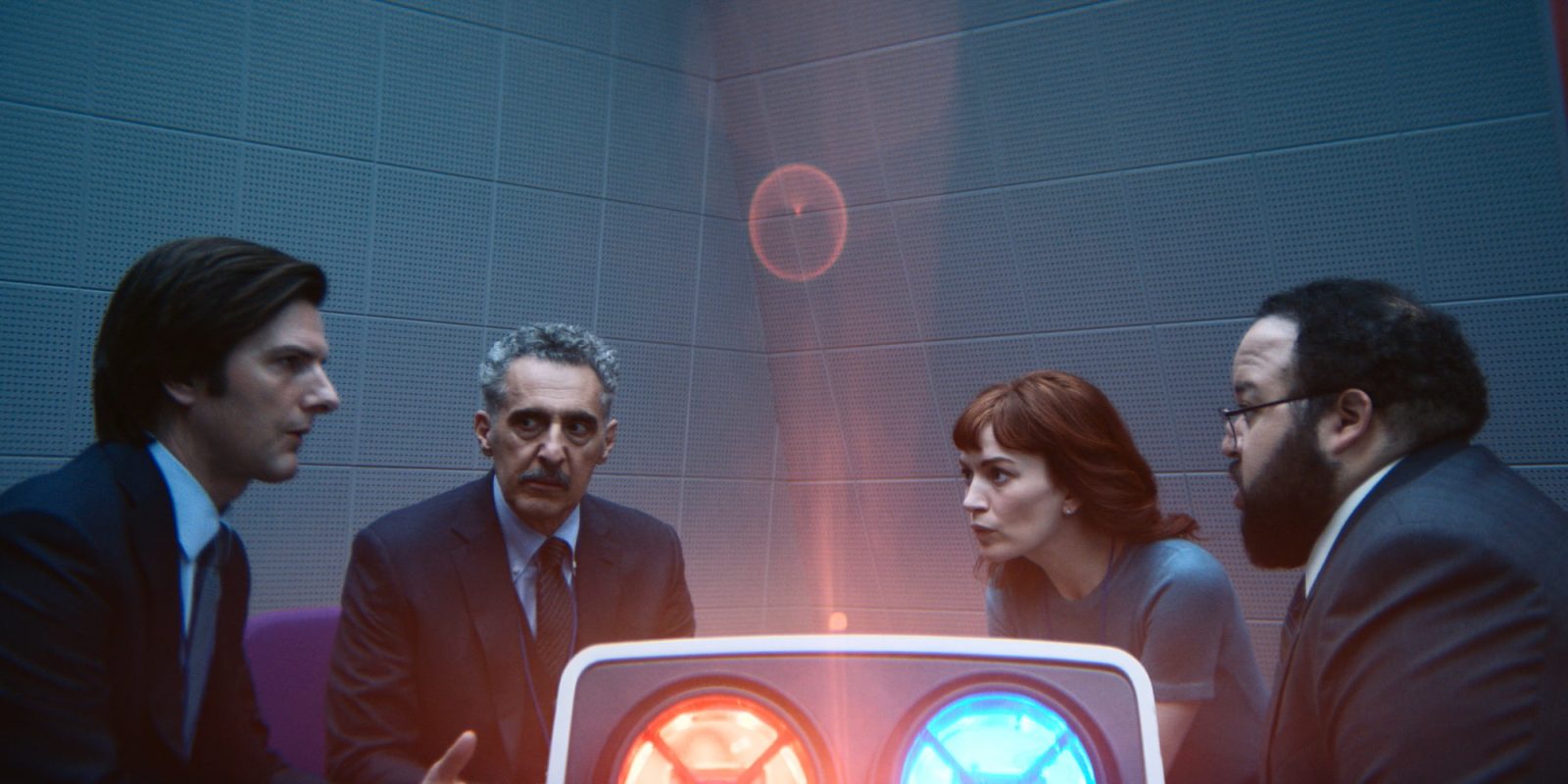
Deadline reports that Apple now owns “the IP and all rights” to Severance, and that future plans might include more than just four seasons. Here are the details.
Severance now belongs to Apple Studios
According to the report, Apple paid “just under $70 million” to acquire the IP and all the rights to Severance, effectively bringing the series in-house under Apple Studios.
Previously, the show was produced by Fifth Season, with Apple acting as the distributor. Now, Apple Studios will produce the series in-house, with Fifth Season staying on as an executive producer alongside show creator Dan Erickson.
One of the reasons behind the deal was the financial strain on Fifth Season, since production costs ballooned in Season 2, and the studio faced delays in receiving tax credit payments.
Here’s Deadline:
Severance films in New York where it gets tax credits, though there have been payment delays. While costs were going up and Season 2 was taking longer, borrowing became more expensive, with rates climbing from 1% to 5.5%-6%, making it harder to carry the cost for up to 36 months — the gap between Seasons 1 and 2 — especially when tax rebates are not coming in quickly enough.
The report notes that Fifth Season, “asked Apple TV for advances and help with payments and mulled moving the show from New York to Canada for bigger and quicker tax rebates,” and that Apple TV’s leadership “felt that, from a financial standpoint, if the streamer owned the show, they could bear the burden better.”
Expanding the Severance universe
According to Deadline, although Severance is currently planned for a 4-season run, Ben Stiller and Dan Erickson “are open to the idea of doing more with the Severance universe; possibilities include a prequel, spinoffs and foreign versions.”
This, Deadline notes, could help keep fans engaged during long breaks between seasons and expand the show’s overall profitability: while Season 2 had roughly double the viewership of Season 1, it cost as much as $20 million per episode.
With full control over the show, Apple will now have the opportunity to balance the show’s growth and its cost, as well as recalibrate the business side of the series, including talent compensation and backend deals.
Here’s Deadline:
In 2024, Apple TV became the first streamer to introduce a new, performance-based compensation model for talent on shows produced by Apple Studios that involves bonuses based on a points system whose sizes are based on the number of people who signed up for Apple TV to watch and on viewership vs. cost. The arrangement, a version of which has since been adapted by most other major streamers, introduces a “more risk, more reward” approach akin to the old broadcast syndication model.
Finally, the report notes that while most of the scripts for season 3 are locked, the development process has stretched on for longer than initially planned. This means that although Apple still hopes to start shooting season 3 in the summer, “the targeted filming start will likely have to be pushed another couple of weeks.”
If you’re into the nuts and bolts of TV production, Deadline’s report is well worth a read, as it takes an even deeper dive into the business side of Severance and Apple’s TV initiatives as a whole.
Apple TV is available for $12.99 per month and features hit TV shows and movies like F1 The Movie, Pluribus, Severance, The Studio, The Morning Show, Shrinking and Silo.
Accessory deals on Amazon
- AirPods Pro 3
- Apple AirTag 4 Pack
- Beats USB-C to USB-C Woven Short Cable
- Wireless CarPlay adapter
- Logitech MX Master 4


FTC: We use income earning auto affiliate links. More.




Comments