
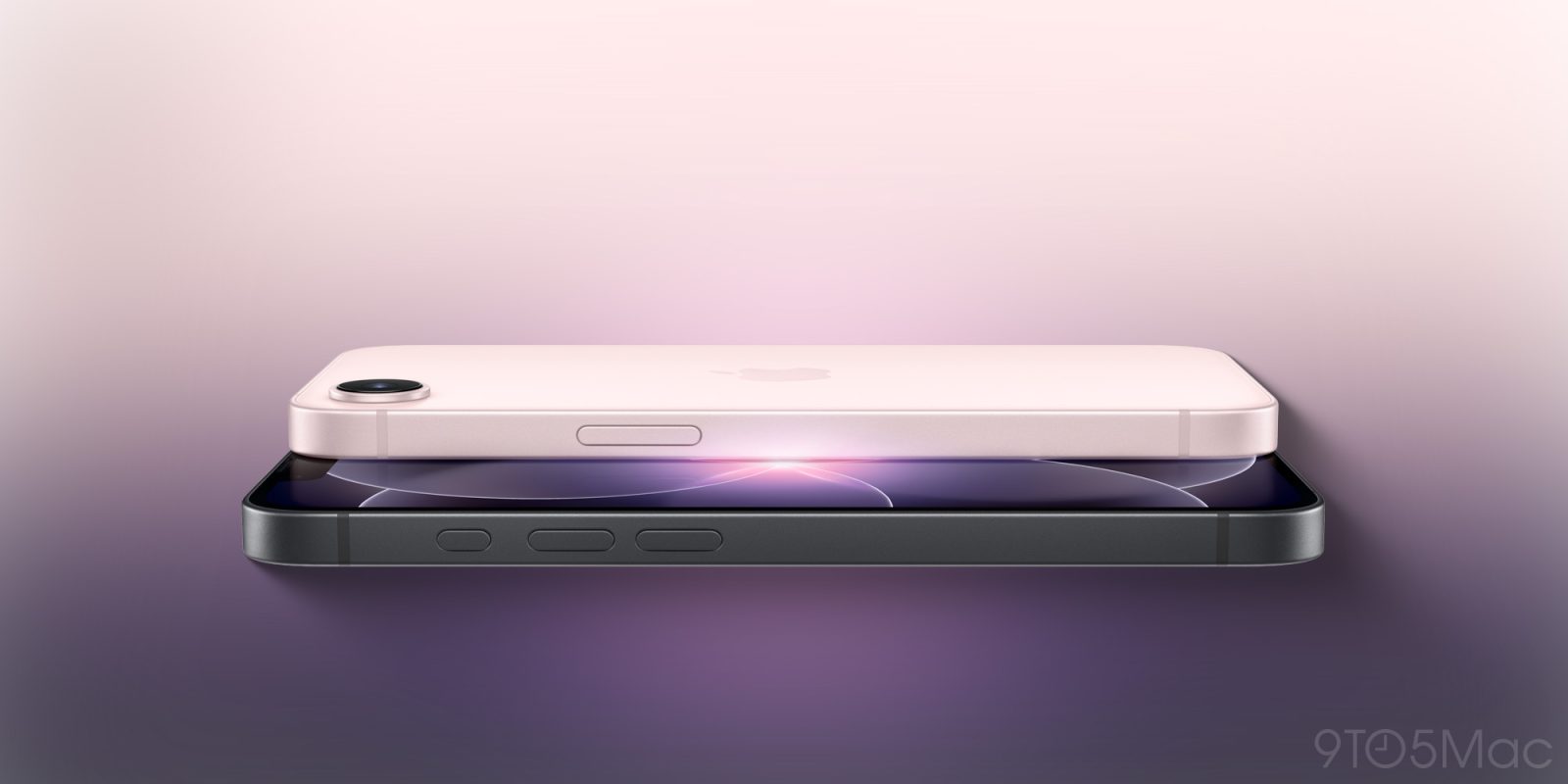
When Apple released the iPhone 17e, it doubled the storage and added what it calls the “magic of MagSafe” to the $599 iPhone 16e replacement. Apple’s decision to bring MagSafe to the last iPhone holdout meant every iPhone includes a useful hardware feature that zero Samsung phones offer.
Every new iPhone sold by Apple includes MagSafe
When Apple introduced the iPhone 16e in March 2025, not including MagSafe in the budget model didn’t make much sense. The iPhone 16e replaced the iPhone SE, which technically never had MagSafe charging, but it still felt like a miss.
Since March 2026, however, every new iPhone sold by Apple works with MagSafe — no case required. This was a first since Apple introduced the iPhone 12 with MagSafe in October 2020.
Adding a strong magnetic connection to the back of the iPhone enables attaching accessories like wallets, stands, and battery packs. It also greatly improves wireless charging with charging coil alignment that snaps into place.
Samsung is missing the appeal
Meanwhile, in Samsung land, reviewers ding the company for choosing not to put magnets inside even their most premium Samsung Galaxy smartphones. The reason, they say, is because most people use a case.
In early 2026, The Verge asked a Samsung executive about the decision to continue not offering a feature like MagSafe:
I asked Samsung’s Won-Joon Choi, the executive in charge of both R&D and operations for Samsung’s mobile business. He says the added thickness of magnets is a bad tradeoff to make, because you’re just going to buy a case anyhow.
“About 80 or 90 percent of people are using a case, and cases with magnets are very popular these days,” he tells me.
Samsung would rather use that extra height to give the phone a larger battery or make it thinner, he says.
That doesn’t mean Samsung isn’t looking into magnets. “We’re still doing a lot of research to make sure we don’t have any sacrifice inside the phone; when we actually achieve that, we’ll integrate,” he says.
Apple, of course, was able to put MagSafe inside the impossibly thin iPhone Air. Somehow they manage, and battery life is completely usable.
Top comment by Frank deBros
They’re not really leaving it to manufacturers any more than Apple is. All the case manufacturers are going to make their stuff MagSafe-compatible/MagSafe-equivalent anyway. They’re just letting someone else define the standard for them.
This is probably the simplest business decision for them. They have to copy MagSafe without actually copying MagSafe, while everyone will want them to do something that is compatible with MagSafe (so they can take advantage of all the stuff already available). They’re certainly not going to license MagSafe from Apple. So let the case manufacturers make what everyone wants and wash your hands of it.
Meanwhile, Samsung is leaving it up to case makers to standardize magnet placement, strength, and quality, which pretty much guarantees a mixed experience for accessories.
It’s a much simpler story when the phone itself sets the bar for magnetic accessory support.
Now a new rumor claims Apple may be ditching MagSafe on future iPhones, but we have it’s misguided or just lost in translation.
Originally published March 9, 2026. Updated April 29, 2026 with additional context around a new MagSafe rumor.
Do more with your Apple products
Apple AirTag 2 | Add Find My tracking to keys, bags, bikes, more
Beats USB-A to USB-C Cable | The official CarPlay cable


FTC: We use income earning auto affiliate links. More.




Comments