
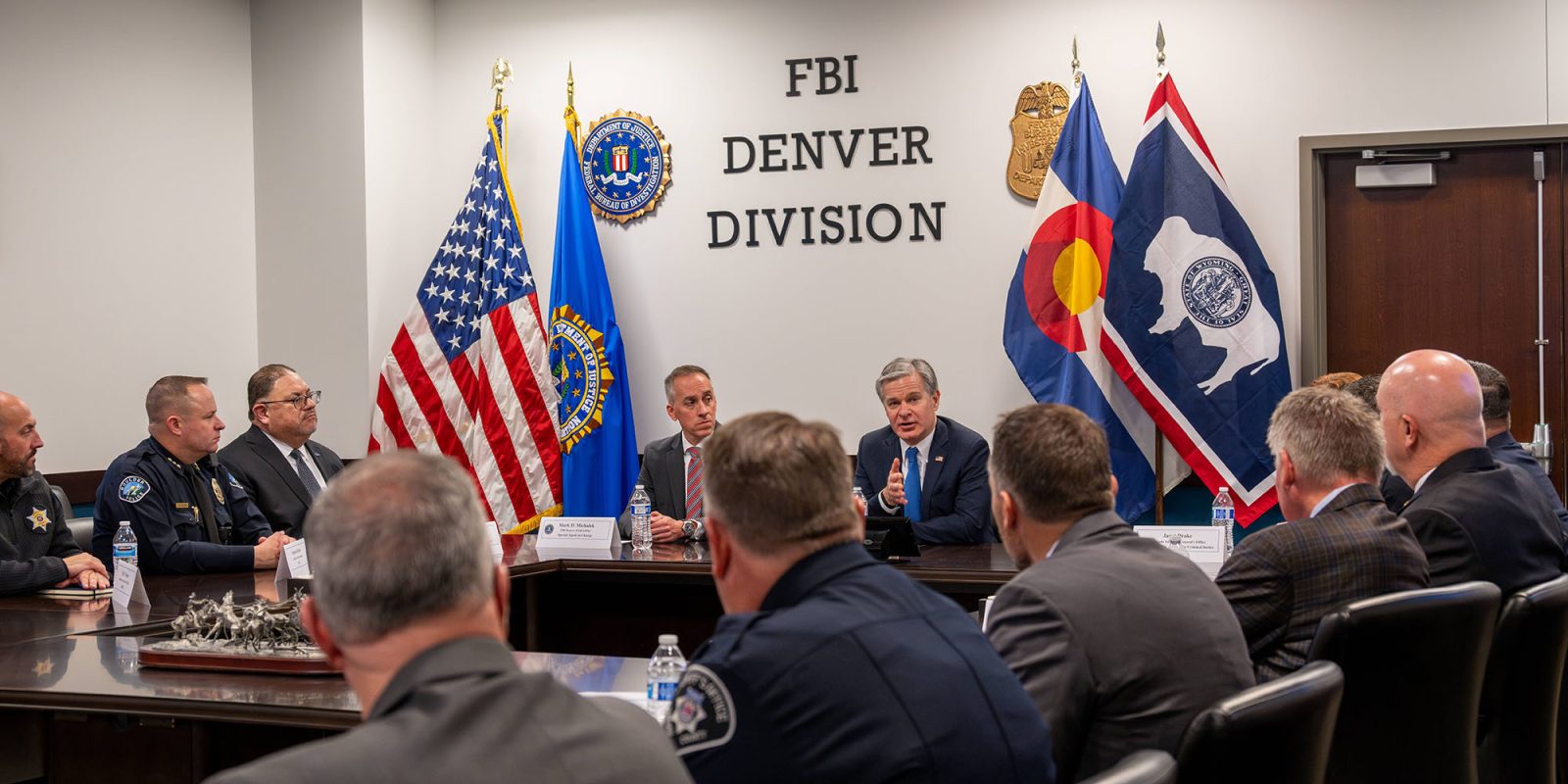
The Federal Bureau of Investigation (FBI) is reportedly investigating identity theft as digital scans of more than 153 million driver’s licenses went on sale on the dark web. Additional documents offered through a massive security breach include medical cards, residence cards, and more.
The licenses belong to people in the US and Canada, and appear to have been collected by hacking an identity verification service …
Krebs on Security was able to confirm the authenticity of the claim made by the cybercriminals as they were able to provide a scan of his own driving license, with other victims likewise confirming their scans were correct.
A new identity theft service [dubbed Nexus] launched on the dark web this week is selling digital scans of more than 153 million drivers licenses from people in the United States and Canada […] The people behind Nexus claim the license images are coming from an active breach at “a major identity verification company” whose customers include multiple Fortune 500 companies.
KrebsOnSecurity also has learned that the New Orleans field office of the Federal Bureau of Investigation (FBI) today launched an official inquiry into the source of the images.
The report says that the ID verification company appears to be one based in Louisiana. The criminals claim that they still have access to the source of these scans, a claim supported by their adding almost 400,000 new ones within the past 24 hours.
There are indications suggesting that at least some of the data was stolen from a verification service used by rental car company Hertz. The report points to a New Orleans-based company as a potential source, and that company’s client list includes Hertz, Target, Fedex, Motorola Solutions, Jack Henry, and Caesars Entertainment. There are many more details in the full report.
9to5Mac’s Take
The irony of criminals being able to hack an identity verification service in order to provide documents that can be used for identity theft would be amusing if it weren’t so serious. This type of breach is depressingly common.
It was recently estimated that online scams cost Americans almost $150 billion last year as the number of cyber scams continue to increase dramatically.
- Certified refurbished Apple products 15% off at apple.com
- Official Apple Store on Amazon
- Discounted AirPods Pro 3
- Wireless CarPlay adapter
- 10-year AirTag battery case
- Logitech MX Master 4 for Mac
Photo: FBI


FTC: We use income earning auto affiliate links. More.




Comments