Abner Li has worked at 9to5Google since 2015 and in late 2020 took on the role of editor-in-chief. He is keenly focused on tracking what happens at Google and is often the first to spot new features in Google’s ever-growing family of applications that are updated on a daily basis, including Search, Assistant, Maps, Workspace, Android, and Chrome/OS.
To him, what Google does greatly impacts the technology space and modern life. Inside the company, he is particularly interested in the key products mentioned above, as well as up-and-coming services like Google Podcasts and Google Lens. Each are massive platforms that can be unwieldy to grasp, with Abner keenly bent on understanding their philosophy and future direction. He is most excited about Google’s plans for augmented reality glasses.
Abner spearheads the APK Insight program at 9to5Google to chronicle all changes in the company’s Android apps, often finding new features before they are officially announced. This includes redesigns and revamps, launches, and new products.
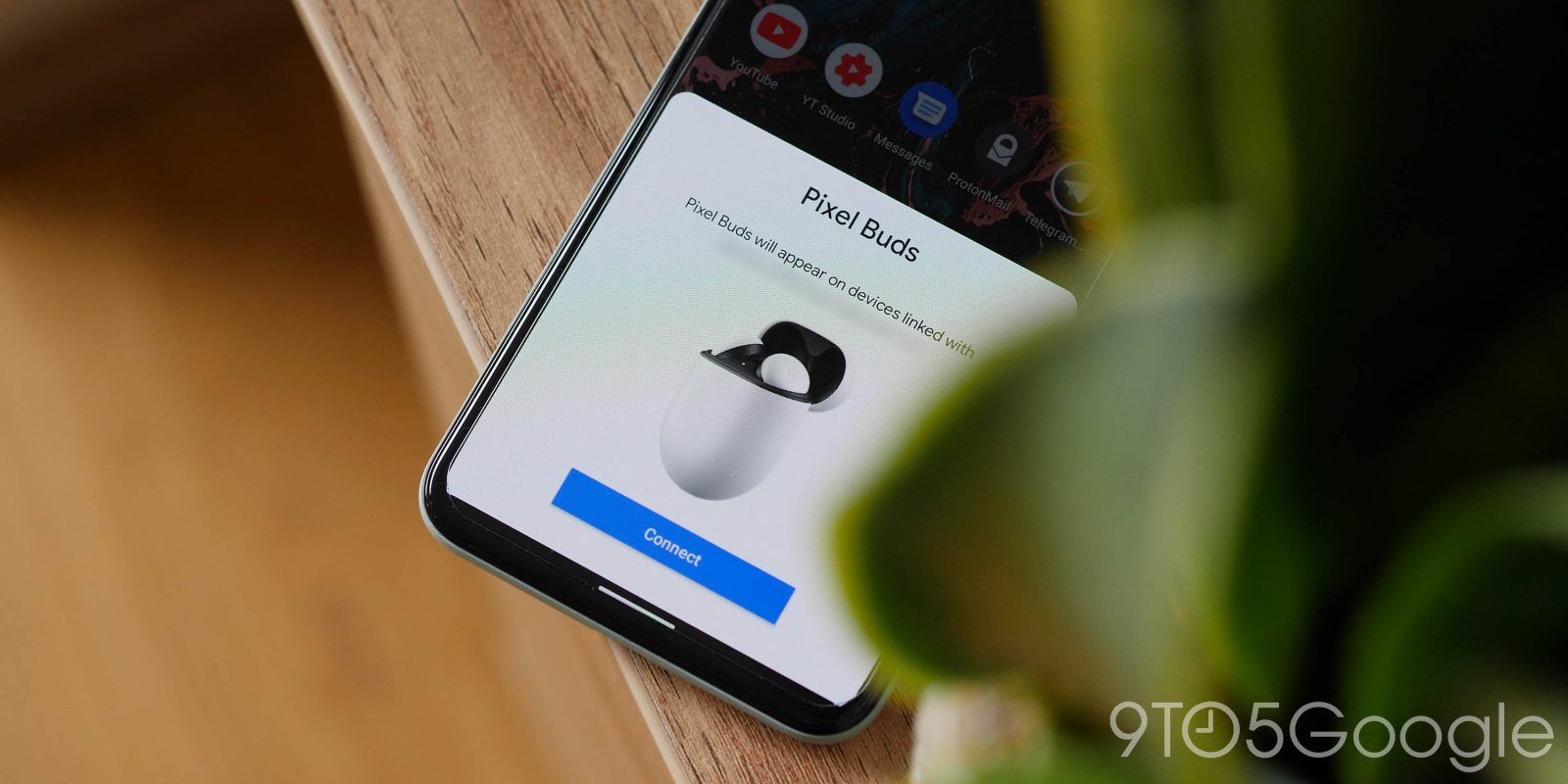
With Fast Pair, Google made connecting Bluetooth accessories as simple as tapping a single button on your phone. At I/O 2021, Google provided an update on Fast Pair usage and announced support for new devices, including cars.
Last year, Google announced that the future of Gmail will see Chat messaging and group Rooms join the existing Meet video calling integration. This is already available to enterprise Workspace users, and Google is now letting personal Gmail accounts get this “integrated workspace.”
Last month, Google released the first Chrome for iOS update since November. However, that version just focused on delivering bug fixes as the company waited for the next major browser milestone to add new features. Chrome 90 for iPhone and iPad is now rolling out with widgets.
While recent weeks have seen a flurry of developments in the podcasting industry, Google has remained relatively quiet about its offering. That said, Google Podcasts has just redesigned the Now Playing screen on iOS and has widely rolled out the ability to block recommendations.
With the underlying concept popularized by Stadia and other game services, Mighty wants to stream an entire Chromium browser from the cloud. The effort emerged this week after two years of development with a tagline of “Make Chrome Faster.”
Apple’s Spring Loaded event this morning saw a number of product and service unveils. On the television and media front, the Apple TV 4K was revamped, but the real highlight was a new Siri Remote that addresses how frustrating the original is to use. That $59 remote can be purchased separately for older Apple TV models, and it’s somehow more expensive than the Chromecast with Google TV.
Google today announced a handful of new Assistant features, while making others more widely available. The biggest lets iPhone owners find misplaced devices using Google Smart Displays and speakers as Assistant Routines availability expands.
At the start of last month, Google started to release new iOS versions of the YouTube family of applications following a long, unspecified pause. Gmail, Google Calendar, Docs, and other apps were updated today in a seeming return to normal for iPhone and iPad owners.
Android users have long wanted an iMessage app to use the popular messaging service on non-Apple devices. Epic’s lawsuit against Apple has now revealed and confirmed that lock-in is the reason why iMessage for Android does not exist.
Unlike other first-party apps, Google’s browser has historically followed a strict, publicized six-week release cycle. After going without updates for the past four months, a new version of Chrome for iPhone and iPad is rolling out now.
Last year, Google’s video calling app gained an improved desktop layout to help you see everyone in large meetings. The Google Meet tile view is now coming to the mobile apps, starting with iOS.
Chrome is perennially criticized for its memory usage, and Google has been working to address those complaints in recent browser releases for Mac, Windows, and Android.
As announced in December, Apple TV is now available globally on the Chromecast with Google TV. The new app allows you to watch original Apple TV+ content, as well as access existing iTunes movie and television show purchases.
The vast majority of Google’s iOS apps have not been updated since early December. A trio of smaller Google applications saw new versions towards the end of last month, while YouTube for iPhone and iPad was just updated this evening.
While Chrome for iOS hasn’t seen a stable release since November amid an ongoing pause in updates, Google continues work on the beta channel and is currently testing a way to lock Incognito tabs with Face or Touch ID.
Google hasn’t updated the vast majority of its iOS services since December. Those apps are now throwing up “This app is out of date” messages when attempting a Google sign-in.
Google’s MVNO has offered a virtual private network since the service had “project” in its name. As part of Safer Internet Day, the Google Fi VPN will soon be available for iPhone subscribers.
Besides iTunes, Apple’s biggest offering on Microsoft’s operating system is the iCloud sync client for files, photos, and mail. Apple is now extending its presence on Windows with an iCloud Passwords Chrome extension.
It’s standard practice for developers to pause app updates over the December holidays and resume in early January. That was the case for Google this year, but the lack of new iOS releases oddly continued for almost the entire month until app updates resumed yesterday and today.
Over the years, Apple has made available a handful of application for Microsoft platforms to mostly serve iPhone owners using Windows. One of primary apps today is an iCloud sync client, and Apple looks to soon be releasing an iCloud Passwords Chrome extension.
With iOS 14, Apple is requiring app developers to tell users about and have them opt-in to tracking. Google announced today that its first-party iOS apps will stop using certain tracking methods to avoid having to show the upcoming permission prompt. Meanwhile, the company also provided guidance to developers and advertisers ahead of Apple’s App Tracking Transparency initiative.
Since the November launch of Apple Silicon-powered Macs, third-party developers have been steadily updating their apps with native support. Google now plans to update Drive File Stream in April with M1 support.
In May 2018, Pocket Casts was acquired by NPR, WNYC Studios, WBEZ Chicago, and This American Life. That consortium of “top podcast producers” is now looking to sell the Android, iOS, and web application.
A Google Photos storage system “mistake” this year resulted in image and video uploads being “inaccurately” counted towards your cloud storage quota. This Photos issue, which is now fixed, was present throughout 2020 and Google is offering a refund for One storage during that period.