
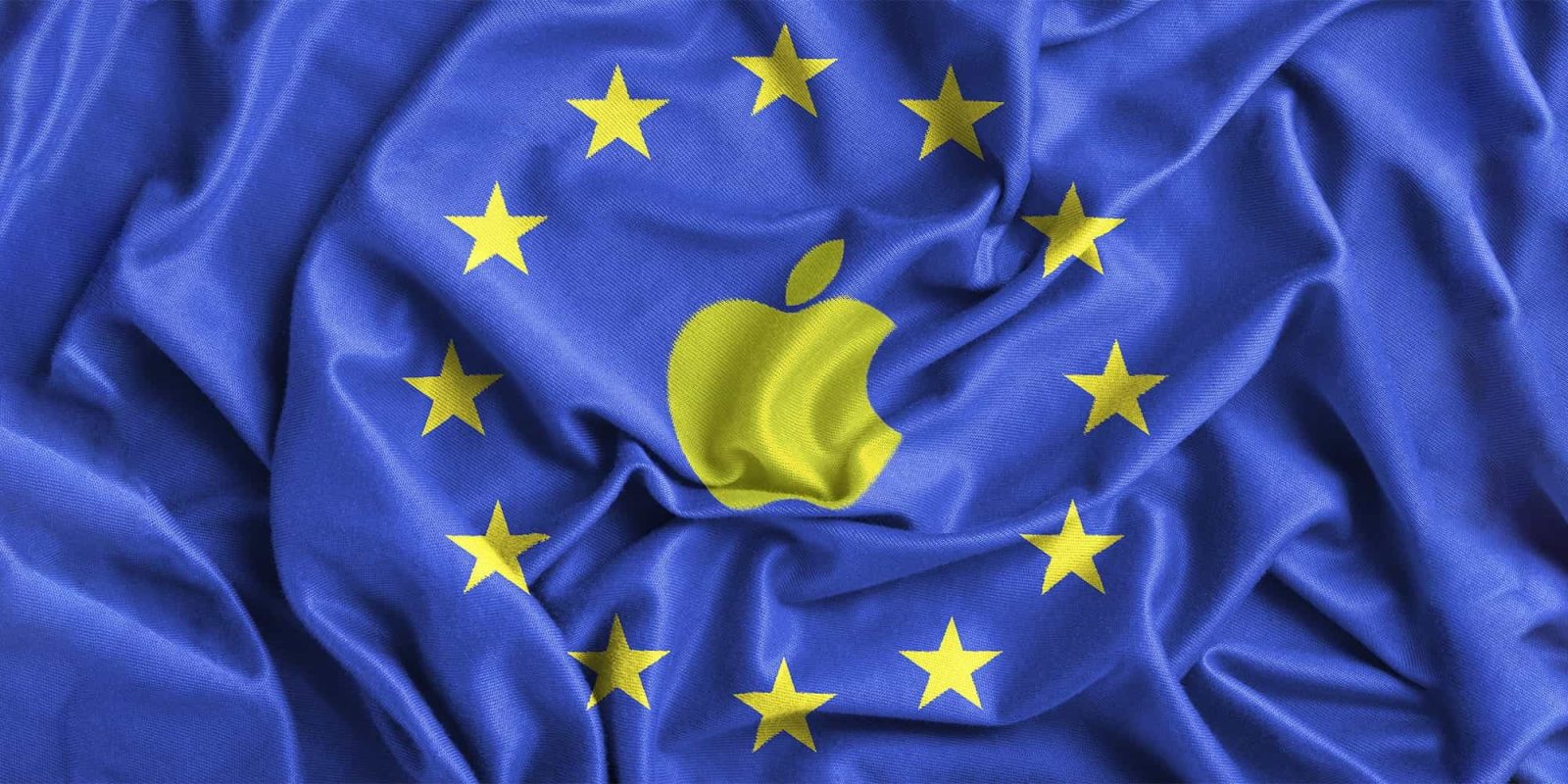
With iOS 26.2 and watchOS 26.2, Apple is removing a key Wi-Fi sharing feature from iPhone and Apple Watch in the European Union due to interoperability requirements under the Digital Markets Act.
This news was first reported last month by French publication Numerama. The report explained that starting with iOS 26.2 and watchOS 26.2, iPhone won’t be able to sync Wi-Fi history to a newly-paired Apple Watch like it can now.
Here are more details on how exactly this will work and why Apple is making the change.
How it works today
Typically, when a user sets up a new Apple Watch, their Wi-Fi network history is automatically shared from their iPhone. This means the user doesn’t have to manually connect to new Wi-Fi networks and enter passwords directly on their Apple Watch. Everything is seamlessly handled in the background.
Apple says that Wi-Fi sharing between iPhone and Apple Watch is designed to be private. Apple doesn’t have access to Wi-Fi names or passwords. Everything is handled completely privately between a user’s respective devices.
This is key because there’s a lot of information that can be gleaned from knowing which Wi-Fi networks a person has connected to. That information can be used to easily create a profile on users tracking their interests, where they’ve visited, and more.
This is how things will continue to work everywhere except the European Union.
What’s changing in the EU
In the EU, however, things are changing because of the interoperability requirements under the DMA. Starting with iOS 26.2 in the EU, when a user sets up a new Apple Watch, their Wi-Fi network history will no longer sync from their iPhone.
The process will work like this:
- When your iPhone connects to a known network and your paired Apple Watch is with you, the network is automatically shared to your Apple Watch.
- Any future new networks you connect to on your iPhone will automatically be shared to your Apple Watch, so long as the iPhone and Apple Watch are in the same place at the same time. If both devices are not together, the Wi-Fi network won’t be synced.
For example:
- When you visit a coffee shop whose Wi-Fi you’ve previously used on your iPhone: if your iPhone and Apple Watch are both with you, the network information is shared to your Apple Watch.
- If you only have your Apple Watch and not your iPhone, you’ll need to connect manually on your Apple Watch.
- A new coffee shop you’ve never visited before: connect to its Wi-Fi with your iPhone and that Wi-Fi name and password will be shared to your Apple Watch.
Another example:
- Your home Wi-Fi network: when your iPhone connects for the first time after setting up your new Apple Watch, the network is shared with your Apple Watch.
- An Airbnb you’re visiting for the first time: connect to the Wi-Fi with your iPhone and that information will sync to your Apple Watch.
It’s a bit confusing, but it essentially boils down to access to Wi-Fi history. Under the DMA, third-party accessories must receive the same interoperability features that Apple’s own products receive.
Before iOS 26.2, that meant Apple Watch got your full historical Wi-Fi list all at once — and that exchange happened privately, device-to-device, without Apple ever seeing or storing it.
If Apple had kept that behavior, it would have been obligated to give equivalent access to third-party devices. Apple, however, would have no guarantees on how a third-party treats that data.
As a result, Apple is removing historical Wi-Fi syncing for newly paired Apple Watches in the EU. In iOS 26.2 and watchOS 26.2:
- When setting up a pair of Meta Ray-Ban Glasses, for example, your Wi-Fi history will not be shared with Meta. Only information about new Wi-Fi networks you join, while your iPhone and the accessory are together, will be shared.
In a post on X earlier this month, Epic Games CEO Tim Sweeney questioned why Apple doesn’t just “ask the user whether or not to share Wi-Fi history identically, whether connecting to an Apple product or a Meta product.”
Sweeney’s framing, however, ignores how the feature works.
First, Apple itself never receives your Wi-Fi information. That data is shared privately, device-to-device, from your iPhone to your Apple Watch. The system is intentionally engineered so that Apple can’t see or store your network history. Everything it’s on your device.
Second, there’s no mechanism by which Apple can ensure third parties keep that Wi-Fi data private. Once they receive it, nothing in the DMA prevents them from storing it, analyzing it, or using it to build detailed behavioral profiles around it.
9to5Mac’s Take
Taken together, this makes Apple’s approach in iOS 26.2 easy to understand.
I think where Apple has landed with iOS 26.2 and watchOS 26.2 is a perfectly fair position.
It’s reasonable to assume a company like Meta, with its horrific privacy track record, would ingest a user’s Wi-Fi history and use that information to build profiles on Apple users and learn patterns about their day-to-day lives.
Did you connect to a Wi-Fi network named “Starbucks Wi-Fi”? Great! Here are some ads for coffee. That’s a harmless example, but in today’s world there are also more serious implications. Do you really want Meta to know about the health clinic you visited six months ago?
Instead of building a system to store and share Wi-Fi history, Apple has opted for this approach in the EU.
iOS 26.2 is currently in beta testing. It’s expected to be released to everyone sometime next month.
Updated 6:08pm PT to correct details on the connection process for a new Apple Watch.
My favorite iPhone accessories:
- Anker Nano USB-C wall charger with built-in screen
- AirPods Pro 3: Check the current sale price
- Charge all your Apple gear at the same time
- Bring wireless CarPlay to any car
- USB-C cable that shows how fast you’re charging
Follow Chance: Threads, Bluesky, Instagram, and Mastodon.


FTC: We use income earning auto affiliate links. More.


Comments