
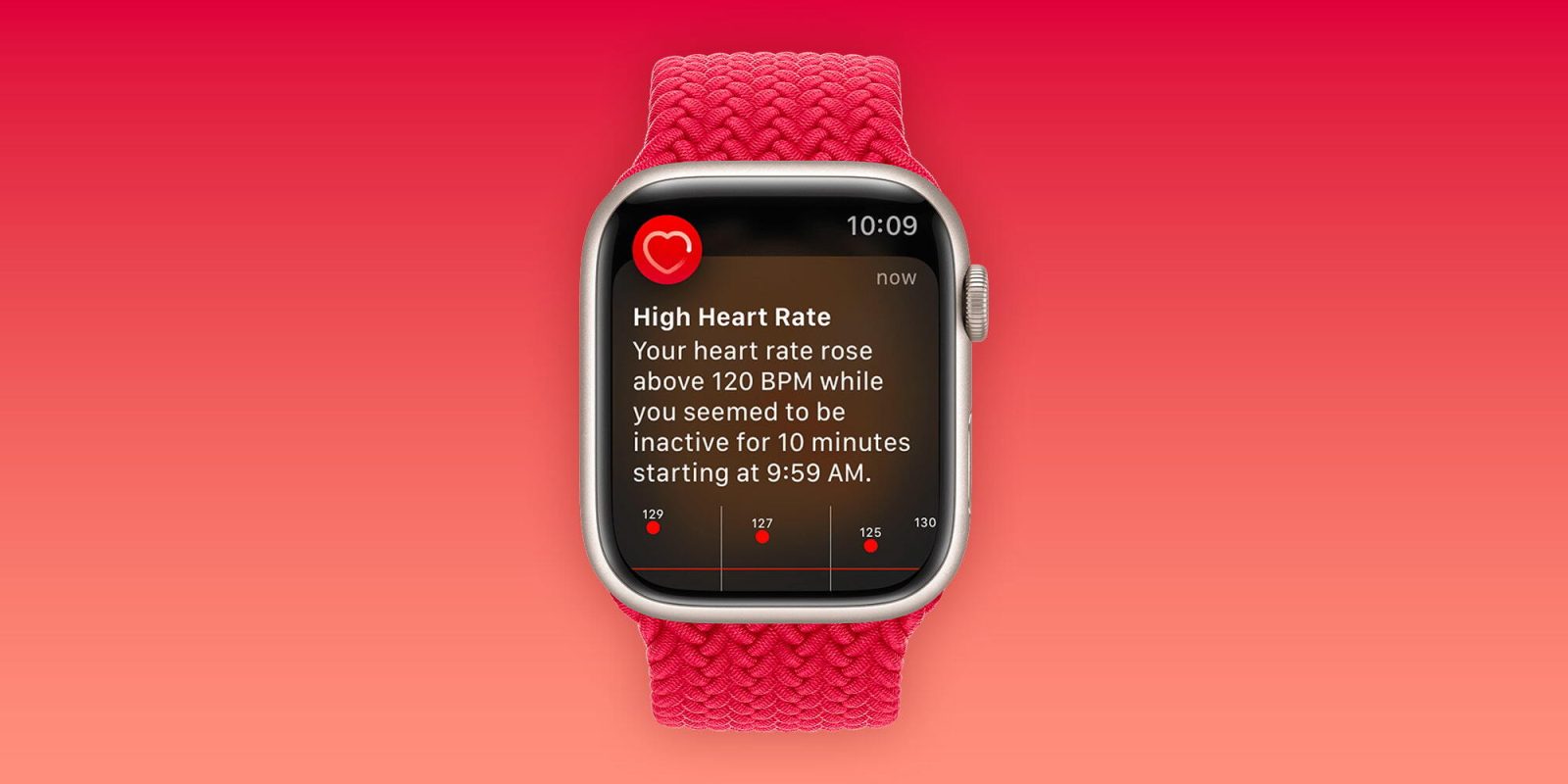
Stephen Pollard writes about how a high heart rate alert from his Apple Watch helped diagnose a potentially serious drug interaction issue. Here’s what happened.
‘I live on my own and a heart attack in bed could have killed me’
Political columnist Stephen Pollard has been undergoing chemotherapy for leukemia, a treatment that involves taking what he calls his “miracle pill” every evening, along with three other medications to manage side effects.
Recently, after a cough developed into what appeared to be a chest infection, he saw a GP, who prescribed antibiotics. That’s when trouble began.
That evening I started to get a bad headache, which I assumed was the result of the heaving and shaking from the cough. Hopefully a good night’s sleep would put paid to it.
I didn’t get a good night’s sleep. The headache went but instead I developed extreme nausea. It felt as if my brain was floating but being pushed around, like the worst seasickness imaginable, made worse by the heaving when I coughed. If I tried to get up (I am a man in my sixties and night-time peeing is a thing) it felt 20 times worse. I just couldn’t do it.
Pollard is the first to admit that waiting it out wasn’t the best decision. He also notes that during that night, his Apple Watch warned him of a steep increase in his heart rate despite him being in bed, but he attributed it to his restlessness and overall discomfort.
Eventually, he spoke to another GP from the same medical center he had visited the day before, and the GP suspended the antibiotic immediately, claiming it should have never been prescribed in the first place, given his ongoing leukemia treatment.
Enter, the Apple Watch of it all:
More urgently, was I suffering heart palpitations? (…) I remembered the watch’s heart-rate warnings. Suddenly he seemed a lot more concerned. It was vital that the rate started to come down now I had taken my last dose. If that happened, the nausea would start to lift and I would be on the mend. But if the rate didn’t fall, damage had already been done. Until then I needed to be monitored at least every hour to check.
Thankfully, the damage had not yet been done. Pollard was able to use his Apple Watch to monitor his heart rate and make sure it was coming down. Looking back, he says the heart monitor “may have saved my life. At the very least, it prevented big trouble — my euphemism for a heart attack.”
The GP who identified the drug interaction was even more blunt: “You need to say a very big thank you to your watch. You might not have been here without it.”
Pollard ends his account urging readers to “please think about wearing a smartwatch or a fitness device,” a sentiment I can’t echo enough.
(Via MacMagazine)
Accessory deals on Amazon
- Apple Watch Series 11, 46mm (7% off)
- AirPods Pro 3
- Beats USB-C to USB-C Woven Short Cable
- Wireless CarPlay adapter
- Logitech MX Master 4
- Apple AirTag 4 Pack


FTC: We use income earning auto affiliate links. More.


Comments