
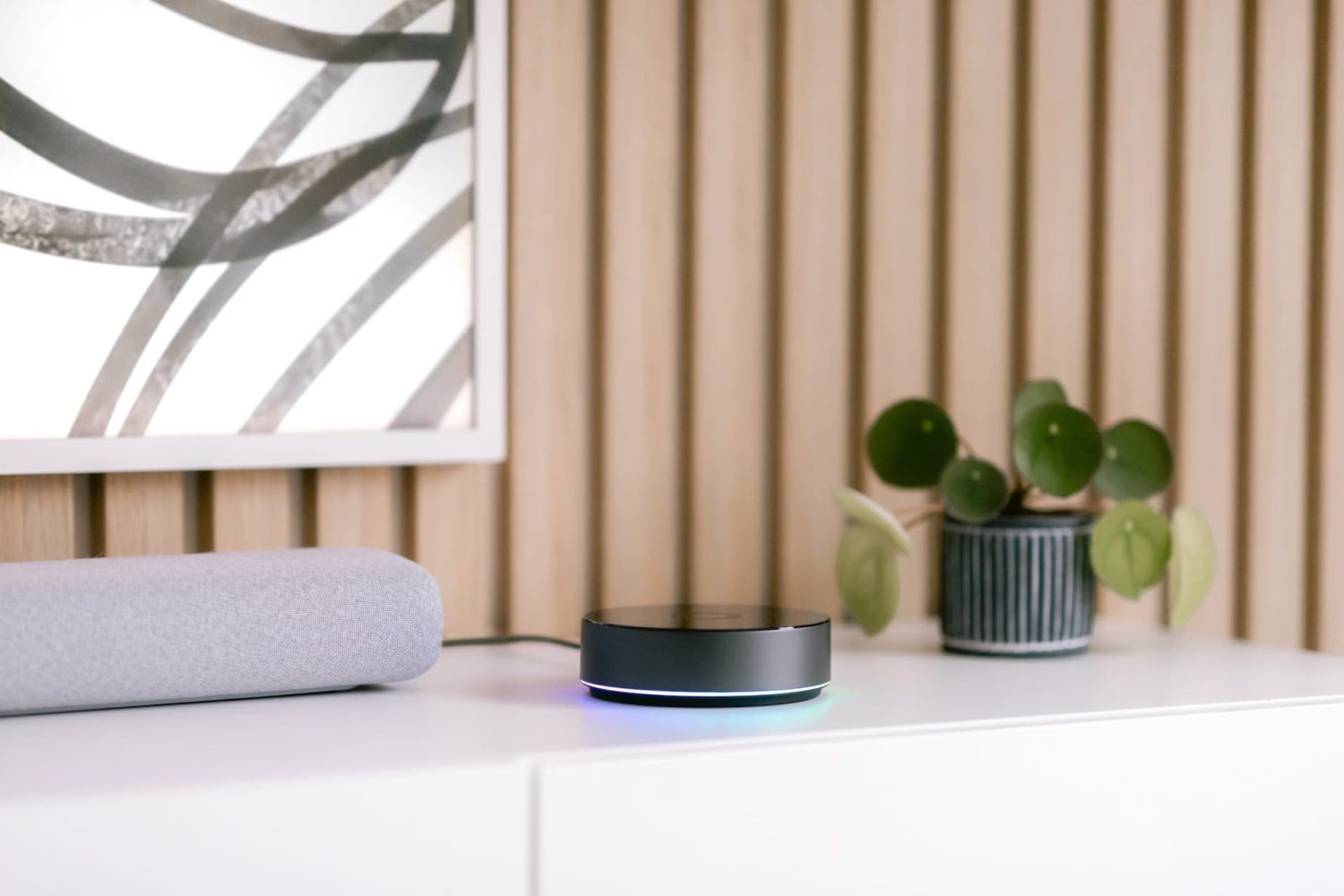
Firmware updates have been the weakest link for a decade with smart homes. Every sensor, light bulb, and smart lock in your house runs software that should be updated regularly. This is on top of even if they have software updates. Homey just announced a fix for a big piece of that, and the way it handles Matter devices is the part that Apple Home users should take note of.
HomeKit Weekly is a series focused on smart home accessories, automation tips and tricks, and everything to do with Apple’s smart home framework.
Device updates from one place
Homey’s new Device Updates feature lets you update Matter, Z-Wave, and Zigbee devices directly from the Homey Mobile App or Web App. You can update a Matter light, install a security patch for a Z-Wave lock, or improve a Zigbee sensor’s reliability, all without ever opening a manufacturer’s app. You start the update, and Homey handles the rest, including delivery, progress tracking, and a notification when it’s done. Updates are available in More > Settings > Device Updates or in each device’s Maintenance settings.
For Z-Wave and Zigbee gear, updates are delivered via their respective Homey apps, so availability depends on the developer and manufacturer. The launch list of supported vendors is already pretty solid: IKEA, Aeotec, INNR, Niko, Inovelli, Zooz, frient, ThirdReality, EcoDim, HeatIt, Namron, amina, CTM Lyng, and Nous have added support, with more to come soon.
“Device firmware rarely gets updated because the process is cumbersome,” said Stefan Witkamp, CEO at Athom. “By handling device updates inside Homey, we make it practical for both users and developers. That makes the whole smart home more dependable.”
The Matter part is the real story
For Matter devices, Homey doesn’t rely on manufacturer apps at all, and manufacturers don’t need to update their Homey app for it to work. Homey checks the Connectivity Standards Alliance’s Distributed Compliance Ledger for available Matter firmware updates. The DCL provides the firmware version, download URL, file size, checksum, and applicability information. Homey then retrieves the firmware from the manufacturer-provided URL and delivers it to the device using Matter’s standardized OTA update mechanism.
The DCL is basically a trusted public registry for Matter products, run by the same organization that certifies them and is behind the Matter standard itself. Manufacturers publish firmware update metadata to the Matter Distributed Compliance Ledger, allowing Homey to discover and grab the available updates.
This means that the update path for Matter devices isn’t tied to any one company’s app or cloud service. It’s part of the actual Matter standard itself, verified by the certification body, and any Matter controller could implement it.
If you don’t see an update you expect, it’s usually because the device’s Homey app doesn’t offer it yet, or the manufacturer hasn’t published one. Device Updates is available on Homey Cloud, Homey Pro (2023 through 2026), Homey Pro mini, and Homey Self-Hosted Server, and requires v13.2.0 or later of the Homey Mobile App.
Eve devices now work with Homey, thanks to Matter
Speaking of Matter doing what it promised, there’s a second piece of Homey news worth covering. With Homey Pro and Homey Pro mini acting as Matter Controllers and Thread Border Routers, Matter-enabled Eve devices now work with Homey. That covers favorites I’ve written about plenty in this column: Eve Energy, Eve Door & Window, Eve Motion, Eve Thermo, Eve Weather, Eve MotionBlinds, and more.
Eve has always been one of the most trusted and privacy-focused brands in the smart home (with deep Apple Home integration), with no cloud service, no registration, and no tracking. If you’re running Eve gear in Apple Home today, nothing changes. What’s changed is that the same Thread and Matter foundation that made Eve great in Apple Home now makes it portable across other platforms, and that flexibility is exactly the point of the Matter standard. It’s a protocol vs a platform.
Wrap up
For years, the smart home industry has promised interoperability and delivered walled gardens with extra steps. Simply working with the big 3-4 major platforms isn’t enough. This Homey news is what the long-term benefits of Matter are proving to bring: firmware updates going through the standard body itself.
Matter has taken plenty of criticism for moving slowly, but features like this are why it matters.


FTC: We use income earning auto affiliate links. More.



Comments