
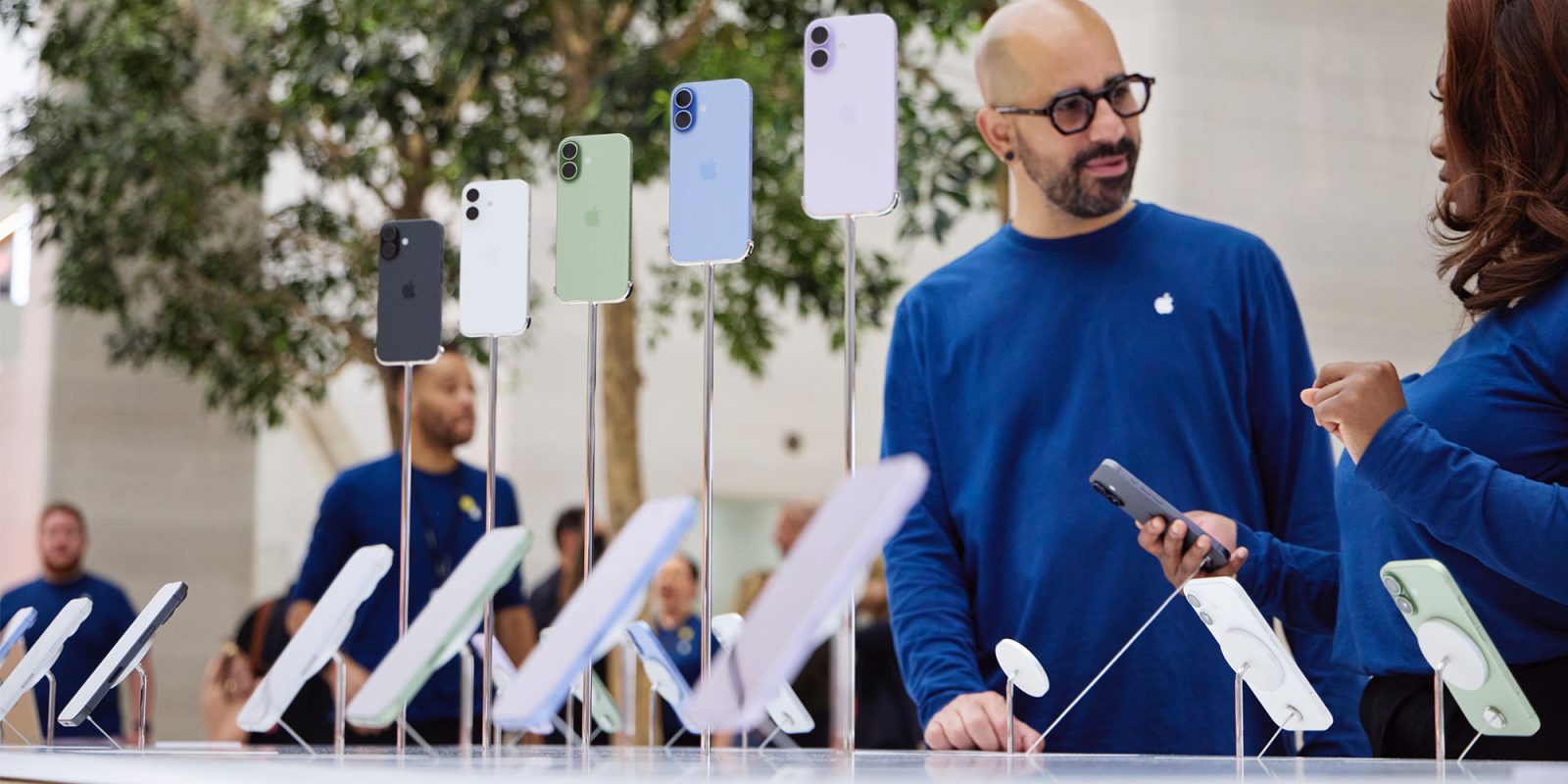
Apple CEO Tim Cook declined to comment on repeated questions during Thursday’s earnings call about how the company would respond to rising memory costs.
The decision on whether to absorb rising costs or pass them on to customers in the form of higher prices is not going to be an easy one, and a look at the numbers makes it clear why Cook was unwilling to rule out the latter possibility …
Tim Cook didn’t rule out price rises
More than one analyst on the call asked how Apple was going to respond to the significant increase in the cost of memory chips, with one of them putting Cook on the spot about potential price rises.
Q: Back to the memory price. I appreciate you have a range of options to address that. Historically, Apple’s not used a pricing lever [other than for currency movements]. But given some of these unprecedented moves in memory, would pricing be a lever that you would be willing to pull or push?
A: I wouldn’t want to speculate on that one
Cook of course specializes in vague answers to questions about the company’s future plans, but if Apple had ruled out price rises for this year’s new models, he’d likely have wanted to say so.
Cost increases are dramatic
Apple is famous for protecting its high profit margins, and is usually able to use its market dominance to force suppliers to give it extremely competitive pricing for components.
However, the boom in AI is creating unprecedented demand for both RAM and flash storage chips for use in AI servers, meaning that not even Apple is able to avoid paying more. Analysts cited by the Wall Street Journal say that these cost increases are likely to be dramatic.
“Apple is getting squeezed for sure,” said Sravan Kundojjala, who analyzes the industry for research firm SemiAnalysis […]
“The rate of increase in the price of memory is unprecedented,” said Mike Howard, an analyst for research firm TechInsights […] By the end of this year, the price of DRAM will quadruple from 2023 levels, and NAND will more than triple, estimates TechInsights.
Howard estimates that Apple could pay $57 more for the two types of memory that go into the base-model iPhone 18 due this fall compared with the base model iPhone 17.
Given that iPhone 17 pricing starts at $799, that’s a very significant proportion of the manufacturing costs.
Do you think Apple will be willing to take a hit on its margins for the iPhone 18 lineup, or do you think we should expect price rises? Please share your thoughts in the comments.
- Official Apple Store on Amazon
- AirTag holders and accessories
- Mac Pro-style Mac mini casing
- Wireless CarPlay adapter
- NordVPN – privacy-first VPN with no logs and independent audits to verify
- Official iPhone cases: iPhone 17 | iPhone 17 Pro and Pro Max | iPhone Air
Photo: Apple


FTC: We use income earning auto affiliate links. More.




Comments