Mark is an award-winning journalist who worked at 9to5Mac for over six years. He covers Apple and other topics related to the consumer technology industry.
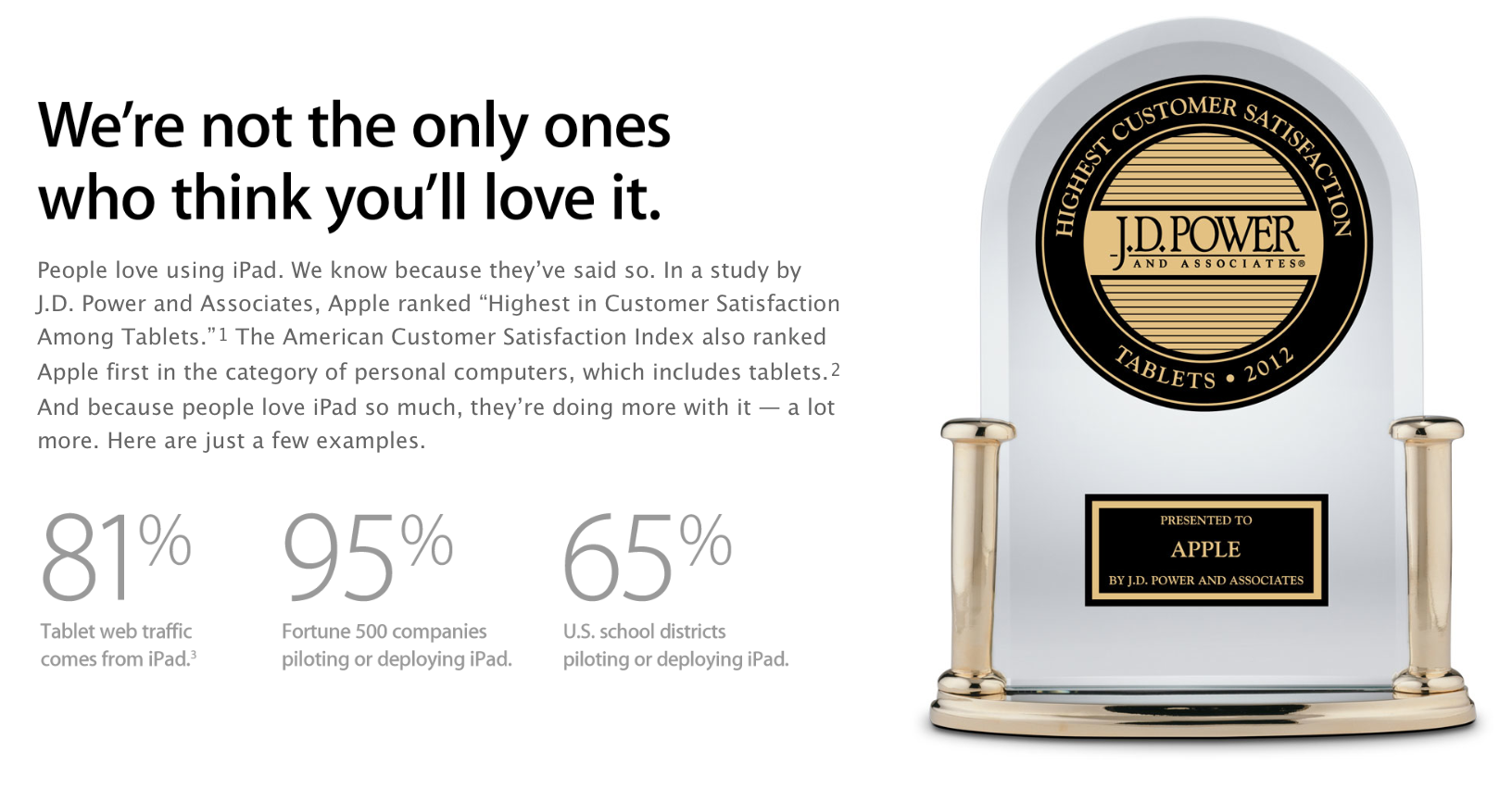
Following up on its recently launched “Why you’ll love an iPhone” campaign,” Apple has begun a similar strategy for its iPad and iPad mini tablets. Alongside a redesigned iPad website, Apple’s new “Why you’ll love an iPad” page lists some of the awards and reasons for why customers use the iPad and iPad mini.
Like with the iPhone version of the marketing, Apple touts its J.D. Power and Associates awards for the iPad. The company also shares some statistics about who uses the device:
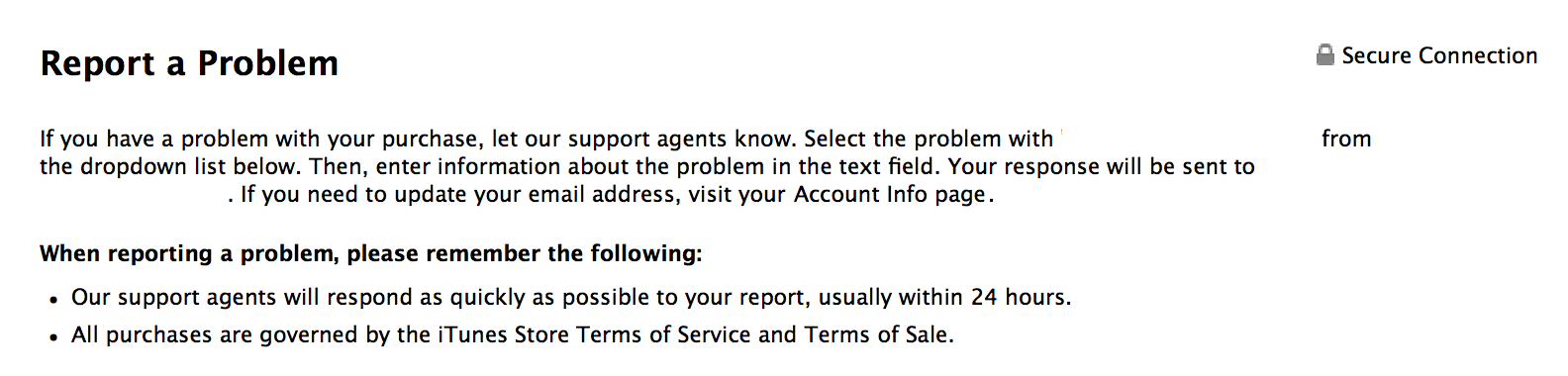
Apple has begun rolling out a redesigned version of its iTunes Store “Report a Problem” tool to a select batch of customers. Up until earlier this month, the tool has been exclusive to inside of the iTunes application on OS X and Windows. However, the new version of the tool is accessible via web browsers on computers and mobile devices.
The ability to access Report a Problem on your mobile device feeds into Apple’s recent post-PC device initiative. Users can finally handle iTunes problem reporting if they only own an iPad, iPhone, or iPod touch.
The iTunes “Report a Problem” feature allows users with certain content issues to discuss the issue with an iTunes Store customer service representative. Apple lists different issue options depending on whether the purchase is a song, app, or movie. For example, here are the current options for songs:
The Wall Street Journalreports that Apple has acquired WiFiSLAM for “around” $20 million. Apple has confirmed the deal, but did not share its purpose for the company. According to a description of the firm, the company has created technology that uses ambient WiFi signals to precisely track the location of a smartphone or other mobile devices.
Allow your smartphone to pinpoint its location (and the location of your friends) in real-time to 2.5m accuracy using only ambient WiFi signals that are already present in buildings. We are building the next generation of location-based mobile apps that, for the first time, engage with users at the scale that personal interaction actually takes place. Applications range from step-by-step indoor navigation, to product-level retail customer engagement, to proximity-based social networking.
Notably, it appears that the technology can be utilized to construct in-door mapping solutions. Google Mapping software already supports indoor maps for a number of venues and buildings, so it would make sense that Apple would want to compete in some form with its own mapping app for iOS devices. The technology seems similar to Apple partner SkyHook which uses WiFi signals and cellular tower triangulation to location Apple devices without the need for a GPS chip.
Business Insider profiled WiFiSLAM in 2011 and a company executive explained some of the finer details of the technology:
Apple has informed developers that it will begin officially rejecting newly submitted and updated applications that access the iOS device UDID. Apple says that this new policy will begin on May 1st. With iOS 6, Apple began offering developers a new Advertising Identifier system that replicates the use of UDIDs for developers. Apple recommends that developers move over to this new system.
Starting May 1, the App Store will no longer accept new apps or app updates that access UDIDs. Please update your apps and servers to associate users with the Vendor or Advertising identifiers introduced in iOS 6. You can find more details in the UIDevice Class Reference.
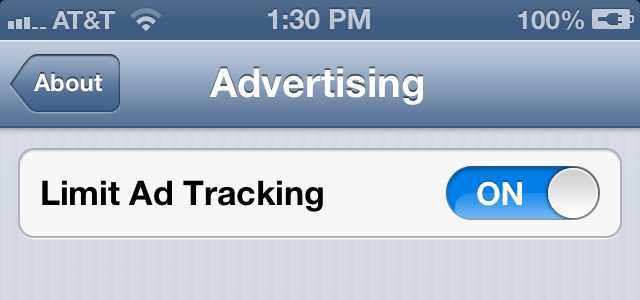
Interestingly, beginning last year, Apple began rejecting apps that access the UDID. Apple hinted that it would begin doing so, but today’s announcement from Apple to developers seems to be the final word on the matter. As pictured above, the iOS Advertising Identifier is a non-personal identifier for iOS devices that developers can access. It does not attach personal information to your device like the UDID system.
Additionally, Apple has announced that, also on May 1, it will no longer accept applications that do not support the iPhone 5’s taller, four-inch display and other iOS device Retina displays:
TheWall Street Journal has profiled some of the work between hardware and software teams within Apple since Jony Ive has taken on software interface responsibilities. According to the profile, Apple’s software design team is being briefed earlier on hardware specifics than ever before.
That dynamic is changing, according to the people close to the company. The stealth software developers still exist. But now, Apple’s mobile software, or “human interface” team, which has been led by executive Greg Christie, is being briefed about industrial prototypes earlier, these people said. The person described the change as “a thawing.”
With Jony Ive now leading both hardware and software, the executive likely wants the design of each to more closely resemble each other. This move is seemingly in an effort to accomplish that. Design review sessions are described as “cordial,” which is a strikingly different tone in comparison to sessions in the Forstall era.
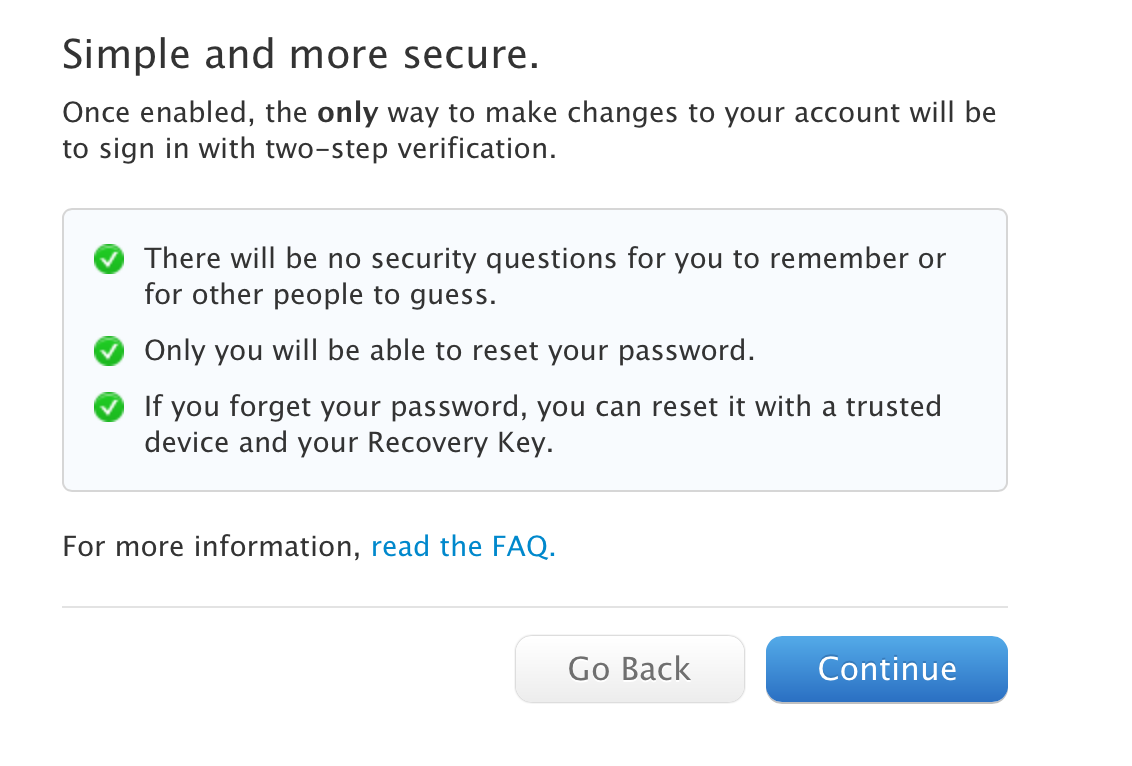
Today, Apple has rolled out a new two-step verification service for iCloud and Apple ID users. This functionality greatly enhances the security of Apple accounts because it requires users to use a trusted device and an extra security code.
This security code can be sent via SMS or via the Find my iPhone iOS app (if it is installed). Users can now setup two-step authentication on their devices via the Apple ID website. Users need to access the security tab on this website to conduct the setup process.
During the setup process for two-step verification, users can choose which of their iOS devices they want to be “trusted.” This new service will allow only you to be able to reset your password. All of the details below:
You’ll need to discuss that with Apple” (at around 17:50). “Apple has a policy of approving or disapproving apps that are submitted into its store, and some of them they approve and some of them they don’t,” he went on to say.
A purported promotional video for Google Now for iOS appeared briefly on the web last week (above). It is very similar to the Google Now experience baked into the most recent versions of the Android operating system. It competes with Apple’s Siri in the mobile voice recognition space.
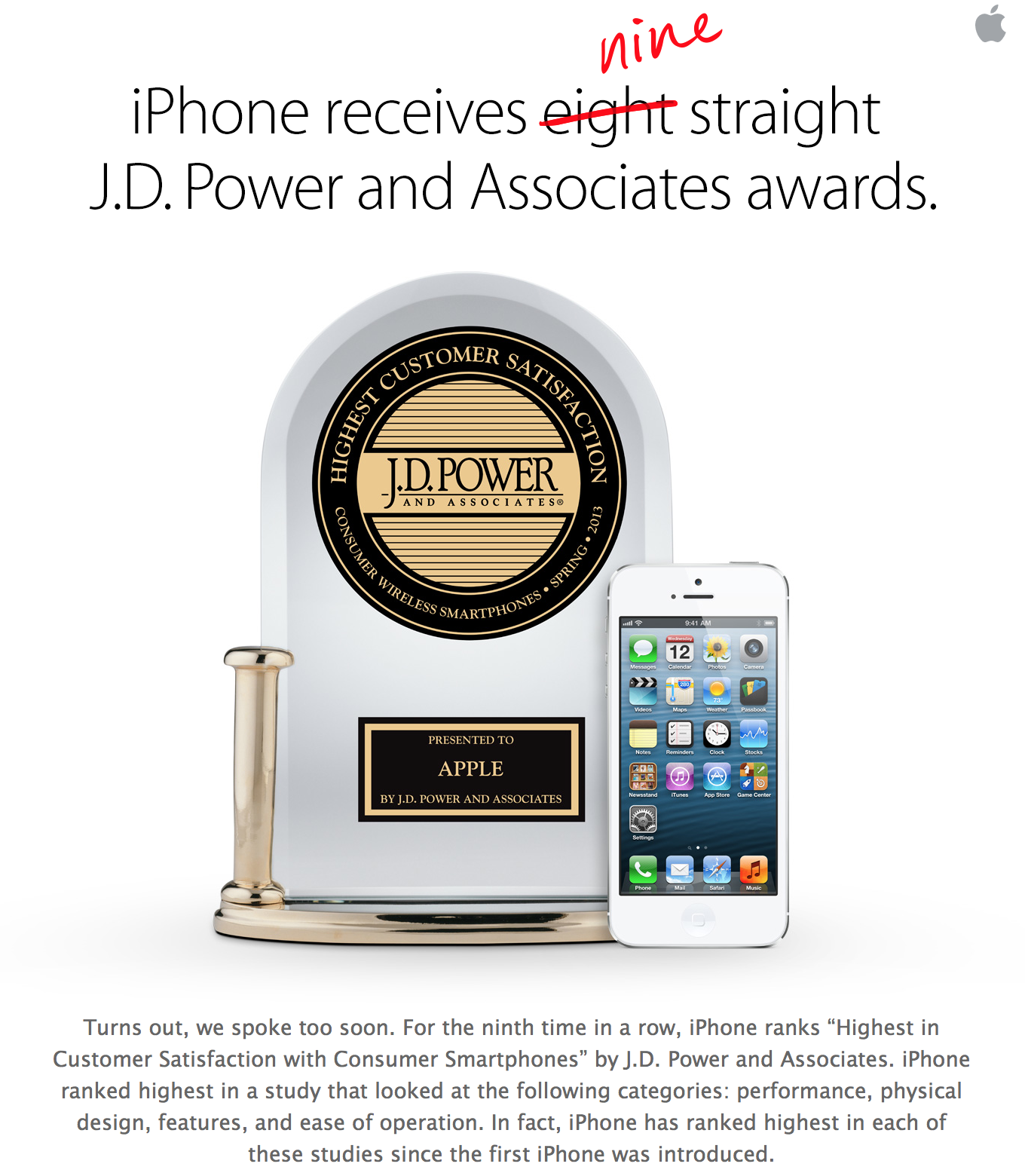
J.D. Power and Associates today released its first 2013 mobile and smartphone customer satisfaction survey. Notably, Apple, for the ninth consecutive time, has ranked the highest in smartphone customer satisfaction with the iPhone.
Walk into any one of Apple’s more than 400 retail stores across the globe and you will receive customer service that is typically unmatched in the consumer electronics industry. The experience that an Apple Store customer receives is consistently rated to be bar none, but it comes with sacrifice: hours of hard, tireless work by an army of over 40,000 men and women across several countries.
Last year, The New York Times profiled Apple’s retail employees as loyal, but “short on pay.” Our own extensive interviews with several current and former Apple retail employees demonstrated an onslaught of people who corroborated The New York Times report, but it also highlighted employees that demonstrated pride in addition to disagreement with the controversial claims. A common theme, however, is loyalty while at work, regardless of other factors.
At the store, Apple’s retail workers are loyal, helpful, and demonstrative of excitement (even if it is not genuine) for Apple’s products and customers. After work, though, some are, ironically as correctly described in Steve Jobs’ The Crazy Ones Think Different campaign, misfits, rebels, and troublemakers. While these unsatisfied workers have formerly expressed their feelings to the press and via informal (and now defunct) unions like “Apple Workers Union,” a growing group of Apple employees has now taken a more modern approach to expression: social media.
According to a tweet issued by CNBC, Adobe CTO Kevin Lynch will leave the company this week to join Apple. Neither Apple nor Adobe have confirmed the claim.
Update: Adobe has confirmed in an SEC filing that Lynch departed the firm. He left the company yesterday (March 18) to pursue other opportunities:
On March 18, 2013, Kevin Lynch resigned from his position as Executive Vice President, Chief Technology Officer, of Adobe Systems Incorporated, effective March 22, 2013, to pursue other opportunities.
CNBC has published its full report, which doesn’t include many additional details. Bloomberg is now reporting the same.
Excellent #WWDC today — including collaboration by Adobe and Apple on Photoshop for Retina. Thanks for the nice call out @pschiller
Kevin Lynch, Adobe CTO, is leaving the company effective March 22 to take a position at Apple. We will not be replacing the CTO position; responsibility for technology development lies with our business unit heads under the leadership of Adobe CEO Shantanu Narayen. Bryan Lamkin, who has recently returned to Adobe, will assume responsibilities for cross company research and technology initiatives as well as Corporate Development. We wish Kevin well in this new chapter of his career.
Apple has confirmed the move. Apple says Lynch will report to Bob Mansfield, SVP of Technologies (chips/wireless).
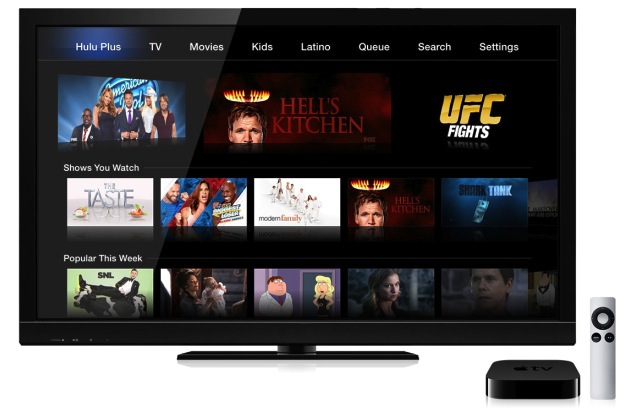
Hulu has updated its interface on the Apple TV with a more intuitive interface. The updated section on the Apple TV makes it easier and quicker to access content. Like other Apple TV features, the updated Hulu section now has a top-bar with categories. Users can now jump into each individual category to access content:
Right away, you’ll notice we’ve added content categories across the top navigation bar to make it easy to for you to jump to your chosen section – whether it is TV, Kids, Latino, Search, or something else. Inside each category, you’ll discover what’s new in our content library so it’s easy to discover new shows and keep up with the shows you already love. You can also jump into your favorite shows right away with the “Shows You Watch” tray. We built this to make sure you never miss a new episode or lose your place in a series.
Accessing content to instantly play it is now easier as well:
Apple previously released these Japanese Maps fixes over-the-air to non-iOS 6.1.3-beta devices, but it appears that the actual update might include even more improvements.
If you’ve been wondering what’s different with Apple’s ads lately, you are probably not alone. Scott Trattner had been working with Apple’s exclusive ad agency, TBWA’s Media Arts Lab, since 2004, but left the firm in the summer of 2012 to join 72andSunny. Trattner worked on multiple campaigns for Apple, including the famous Get a Mac series.
He served as the Executive Creative Director during his initial run with Apple’s ad firm.
Interestingly, 72andSunny happens to be an ad agency for Apple-competitor Samsung. It also won AdAge‘s “Agency of the Year” award.
However, last month, Trattner returned to Media Arts Lab as his former post of Executive Creative Director. His return is noted on his LinkedIn profile as was previously noted last month.
Apple’s most recent iPhone and iPad TV ad campaigns have been slightly controversial to some due to their different style in comparison to Apple’s previous marketing campaigns. With Trattner’s return, it will be interesting to see if Apple’s advertisements pick up similar styling to its older campaigns.
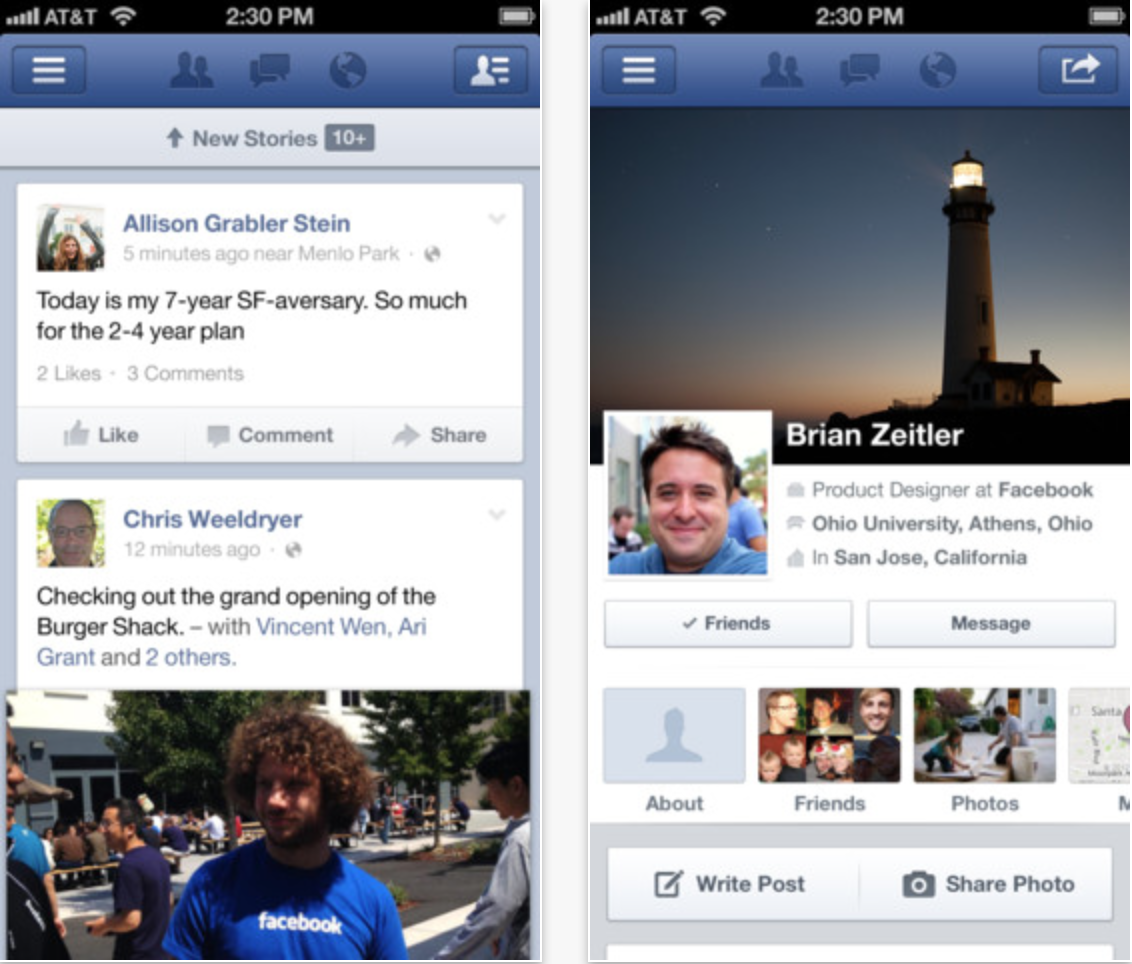
Continuing its string of frequent Facebook mobile app updates, Facebook has updated its iPhone, iPad, and iPod touch application with enhancements to group messaging. Facebook says that the application update will now require fewer taps to begin a message. Additionally, naming group conversations is now easier. Another neat enhancement is the new ability to change your Timeline cover photo from your iOS device. In the coming weeks, Facebook will update its mobile apps with a redesigned NewsFeed.
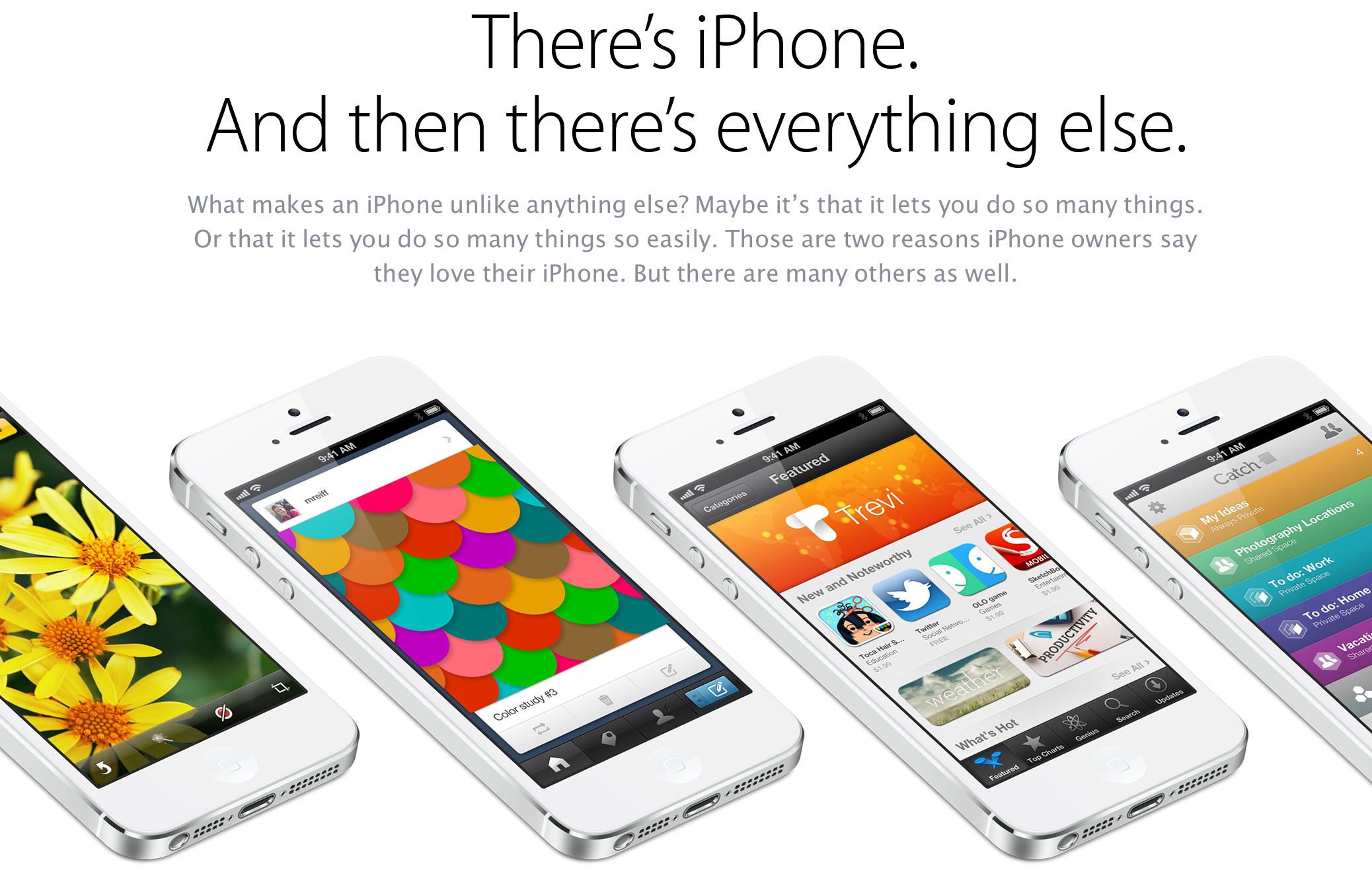
On the eve of Samsung’s Galaxy S4 launch, Apple and its marketing chief Phil Schiller spoke with mainstream news publications to slam Android and iPhone competitors. Now, following the launch of the new Samsung device, Apple has opened up an entire new web page to tout why people have loved the iPhone for so many years and to seemingly throw some negative claims against Android and Samsung devices.
Apple has also begun emailing a version of this webpage to its own customers, something that makes this seem more defensive than offensive.
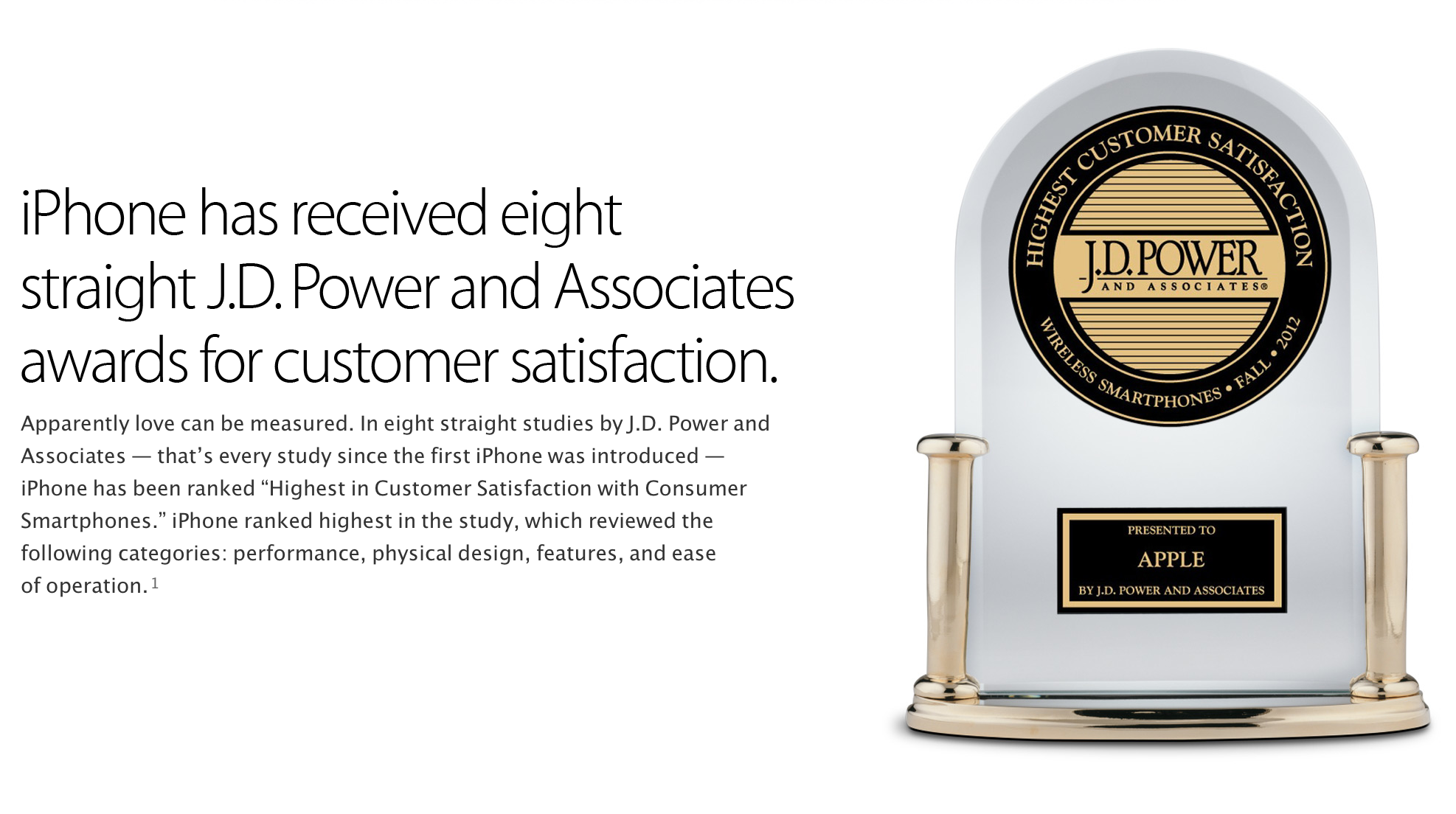
Apple leads its new page by explaining that people love the iPhone because of its ease of use and various capabilities. Apple then touts its high customer satisfaction with the iPhone via its numerous J.D. Power and Associates awards:
Apparently love can be measured. In eight straight studies by J.D. Power and Associates — that’s every study since the first iPhone was introduced — iPhone has been ranked “Highest in Customer Satisfaction with Consumer Smartphones.” iPhone ranked highest in the study, which reviewed the following categories: performance, physical design, features, and ease of operation.
Now that Apple has won a 9th JD Power award, the company sent the following email to customers:
Recycling its previously used “iPhone feels like a finely crafted watch” phrase, Apple again demonstrates how much work went into the iPhone 5’s design. Apple appears particularly proud of the aluminum enclosure. The iPhone 5’s aluminum design process can be seen as very different compared to the plastic body of the new Samsung device.
Apple also explains the resolution and quality of the Retina display found on the iPhone and other Apple devices:
While the upcoming biopic “Jobs” with Ashton Kutcher was set to make its debut on April 19th of this year, the movie’s release has reportedly been pushed back. The reason, according to the Hollywood Reporter, is that the film’s distribution company wants more time to market the film prior to release. A new release date has yet to be determined. (Thanks, Scott!)
Apple has released an SMC update for the 15-inch MacBook Pro with Retina display that attempts to resolve some of the issues that users have reported. Notably, this update has fixes for graphics issues, wake from sleep problems, fan control, and PowerNap bugs. It is available via the App Store Software Update tab or Apple’s support website. (Thanks, Thomas).
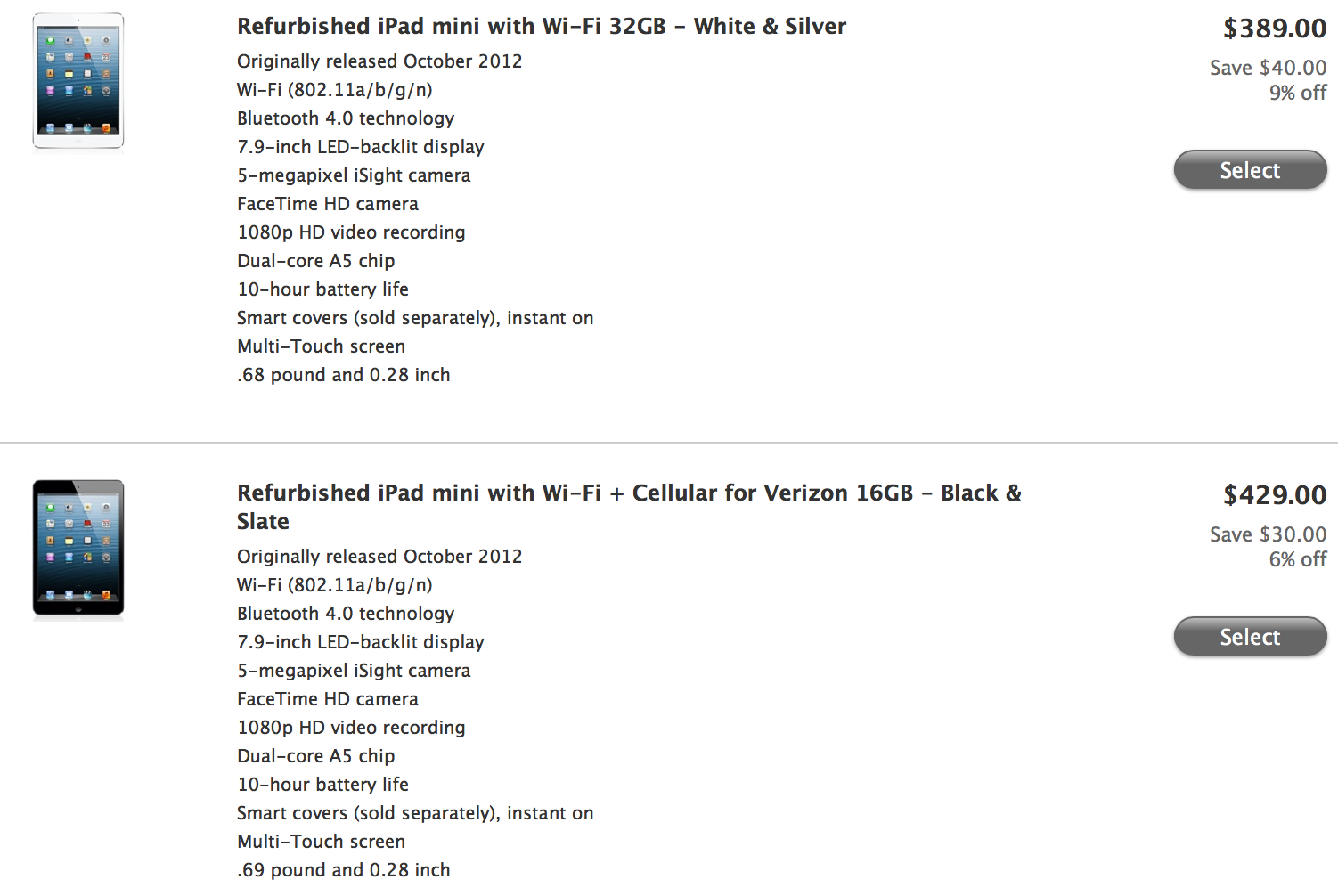
Apple has begun selling refurbished versions of its latest iPad models: the iPad mini and fourth-generation iPad. The iPad mini is available on the Apple Online Store’s refurbished product section in both WiFi and WiFi + Cellular variations, however, the storage capacity options are currently limited to the 32GB model for WiFi, and 16GB for WiFi + Cellular. The fourth-generation iPad is limited to 16GB and 32GB in both the WiFi and Verizon WiFi + Cellular section.
Following the launch of its YouTube Capture iPhone and iPod touch app last year, YouTube has released a version of the application for the iPad and iPad mini. The application comes as an update to the existing iPhone app. YouTube Capture allows YouTube users to quickly shoot, upload, and share their videos.
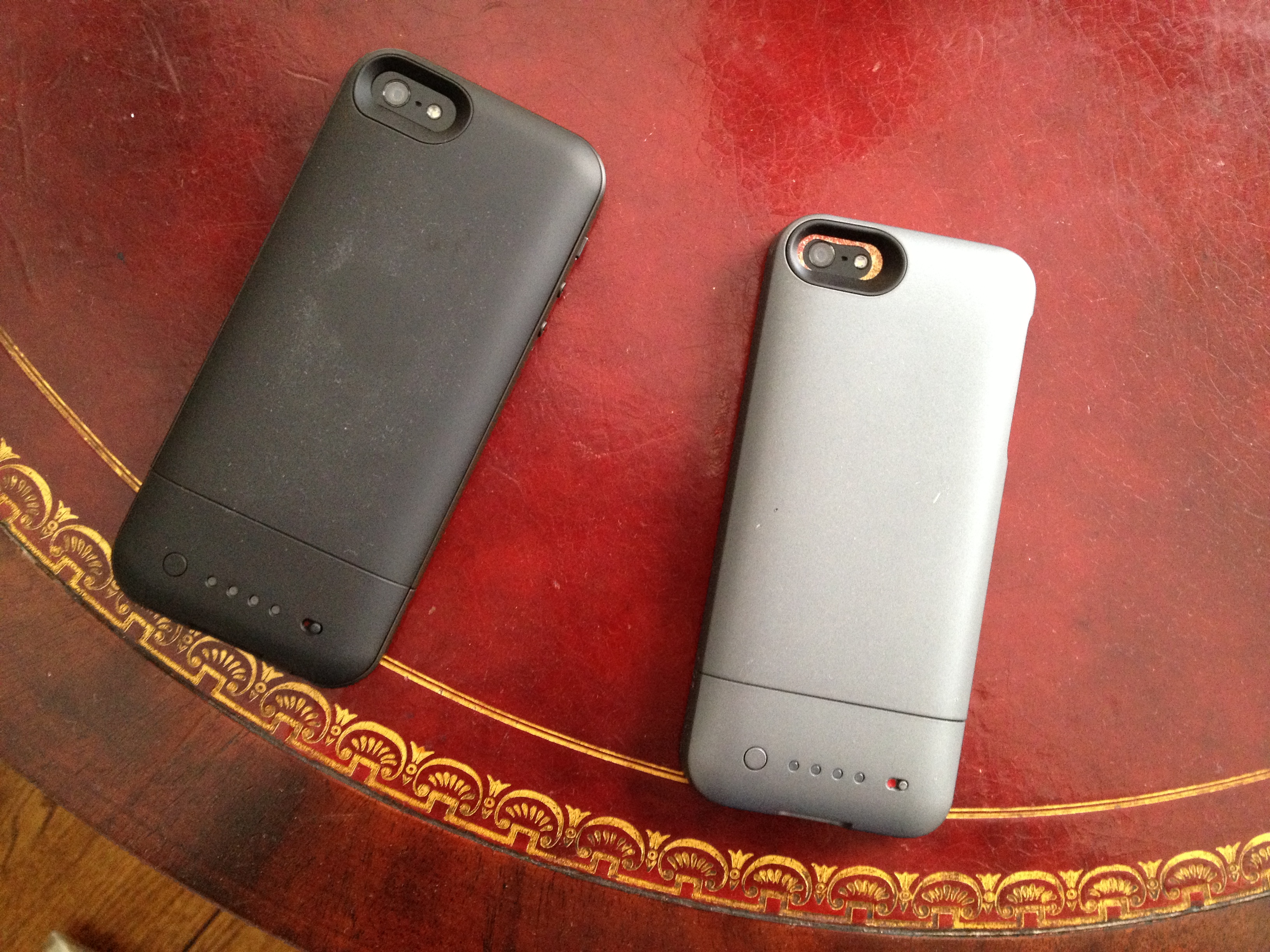
Over the past few weeks, Mophie has released two new battery cases for the iPhone 5: the Juice Pack Helium (above, right) and the Juice Pack Air (above, left). Both cases are similar in functionality, but both offer their own unique pros and cons. Read on after the break for our reviews.
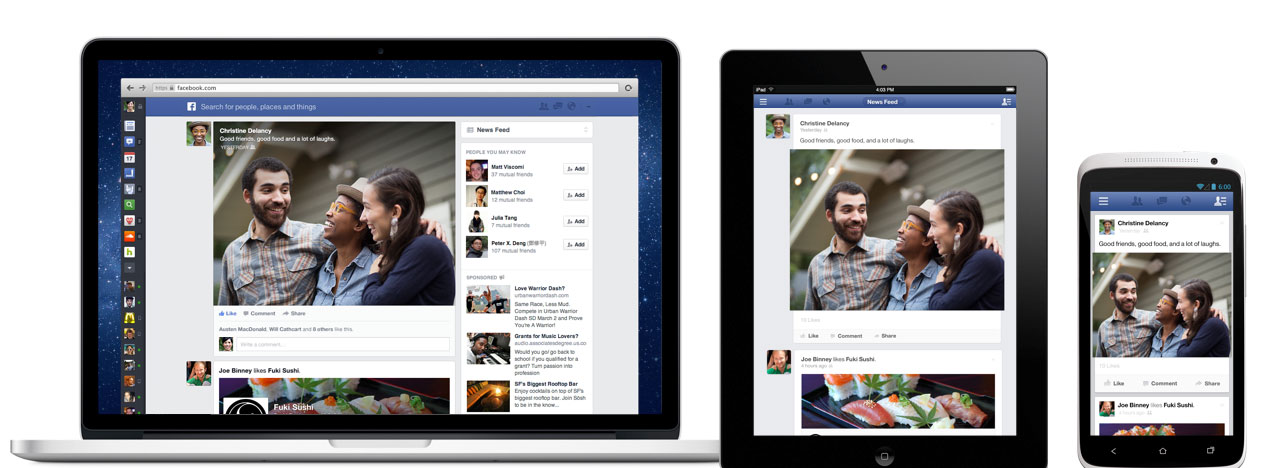
Today, Facebook announced a revamped News Feed for the web and mobile, offering a consistent Facebook experience across all devices. The fresh new look offers an even greater emphasis on photos, videos, events, and articles. The new News Feed also includes improved exploration options:
– All Friends – a feed that shows you everything your friends are sharing
– Photos – a feed with nothing but photos from your friends and the Pages you like
– Music – a feed with posts about the music you listen to
– Following – a feed with the latest news from the Pages you like and the people you follow.
Facebook says that the updates for the iOS applications will roll out “in the coming weeks.” Android updates will follow. The rollout for the web version on computers will begin today. After the break are videos about the new News Feed
Google has released its Field Trip application for the iPhone and iPod touch. Field Trip is an application that works in the background to notify users of interesting places nearby. In addition to pointing users to the best places to visit nearby, the application can also share local historical information.
★ Discover thousands of interesting places/experiences that fall under the following categories: Architecture, Historic Places & Events, Lifestyle, Offers & Deals, Food Drinks & Fun, Movie Locations, Outdoor Art and Obscure Places of Interest around you.
★ Choose from three different modes to set frequency of Field Trip notifications. See “Field Trip” worthy places around you on a map, by tapping on cards in map view to pull up enthralling points of interest around you.
★ Go on a Field Trip while you drive. Field Trip can detect when you’re driving and automatically “talk” about interesting places and experience around you.
★ Came across an amazing story or restaurant? Mark it as a favorite to easily come back to it at any point.
★ Capture the memory of a special place, by sharing a wondrous discovery through email and social networks such as Google+, Twitter and Facebook.
★ Wondering where the gem that you recently discovered is? Find your discovered field trip cards in the “recent’ section.
While it appears that Apple has been actively working on a streaming music service to take on services like Pandora and Spotify, Apple is reportedly still in continuous struggles in terms of getting the music record labels on board. According to the New York Post, Apple has having trouble getting labels to agree to its royalty offers for each song streamed. Reportedly, Apple is offering 6 cents to labels per 100 songs streamed, which is about half of what the competing Pandora pays: