
Abner Li has worked at 9to5Google since 2015 and in late 2020 took on the role of editor-in-chief. He is keenly focused on tracking what happens at Google and is often the first to spot new features in Google’s ever-growing family of applications that are updated on a daily basis, including Search, Assistant, Maps, Workspace, Android, and Chrome/OS.
To him, what Google does greatly impacts the technology space and modern life. Inside the company, he is particularly interested in the key products mentioned above, as well as up-and-coming services like Google Podcasts and Google Lens. Each are massive platforms that can be unwieldy to grasp, with Abner keenly bent on understanding their philosophy and future direction. He is most excited about Google’s plans for augmented reality glasses.
Abner spearheads the APK Insight program at 9to5Google to chronicle all changes in the company’s Android apps, often finding new features before they are officially announced. This includes redesigns and revamps, launches, and new products.
Another big area of interest is Google’s burgeoning hardware division. He detailed all of the Pixel 3’s camera features before launch and got wind of Stadia’s hardware controller. Most recently, Abner scooped the 2nd-generation Nest Hub’s Soli-powered Sleep Sensing capability and how it would integrate with Google Fit.
Send tips/talk to abner@9to5mac.com or @technacity (open DMs).
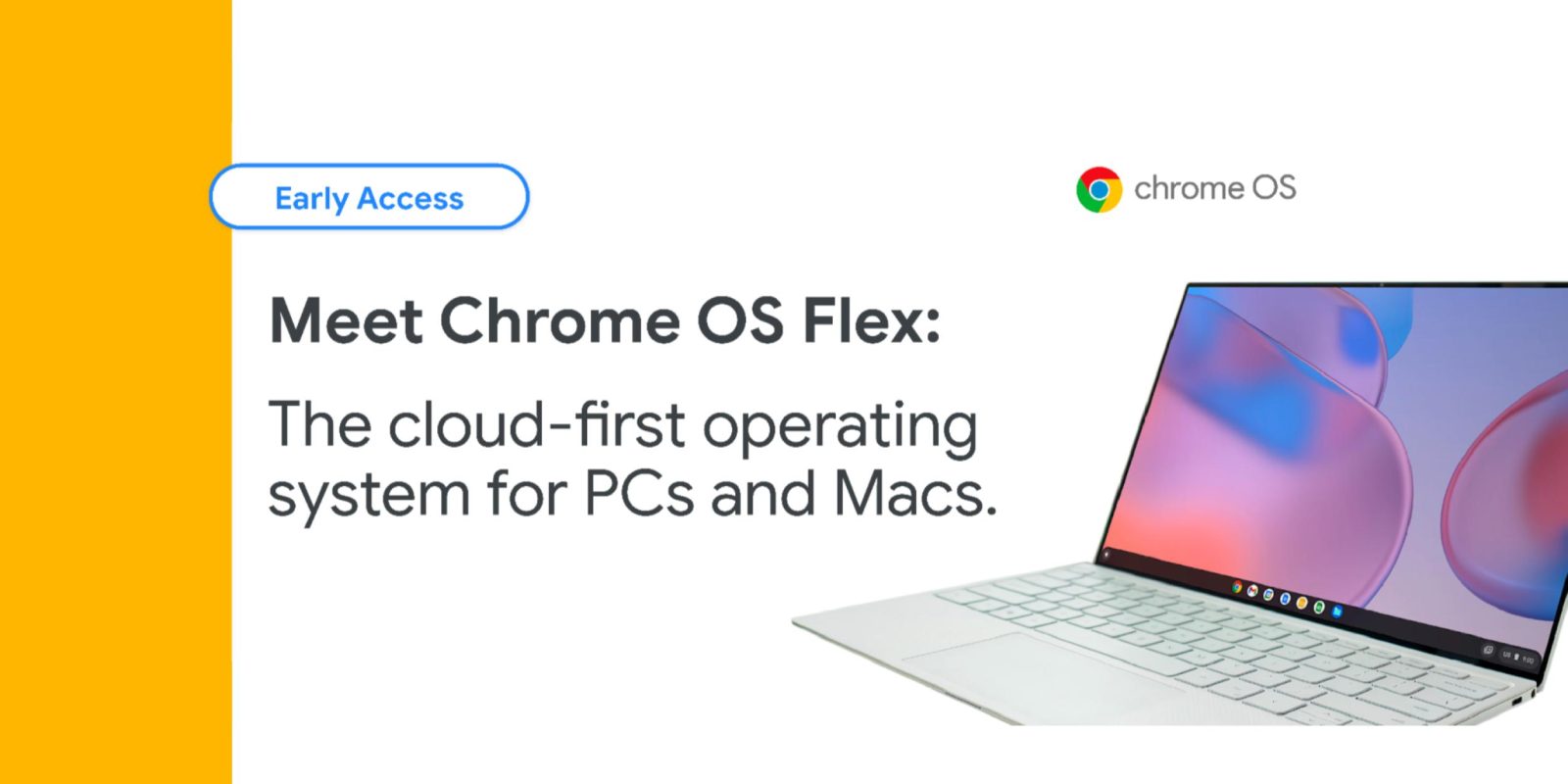

In December of 2020, Google acquired a Chromium-based operating system that turns old PCs into Chromebook-like devices. CloudReady is now becoming “Chrome OS Flex” and is launching in early access today.
Read More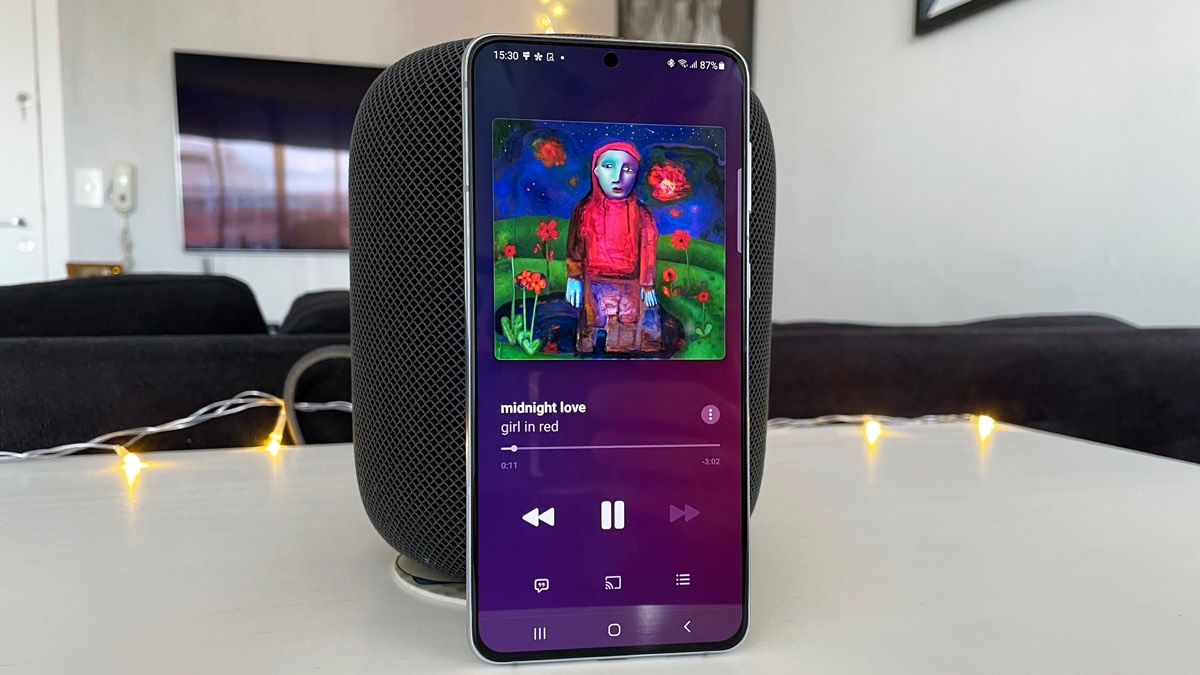
The latest beta version of Apple Music is rolling out on Android this evening with a very sizable upgrade to homescreen widgets, while possibly also revealing the name of Apple’s standalone classical genre app based on Primephonic.
Read More
The Google Chrome icon is in the process of being updated and modernized for the first time in eight years. This is meant to better “align with Google’s more modern brand expression,” with the company now optimizing the logo for each operating system.
Read More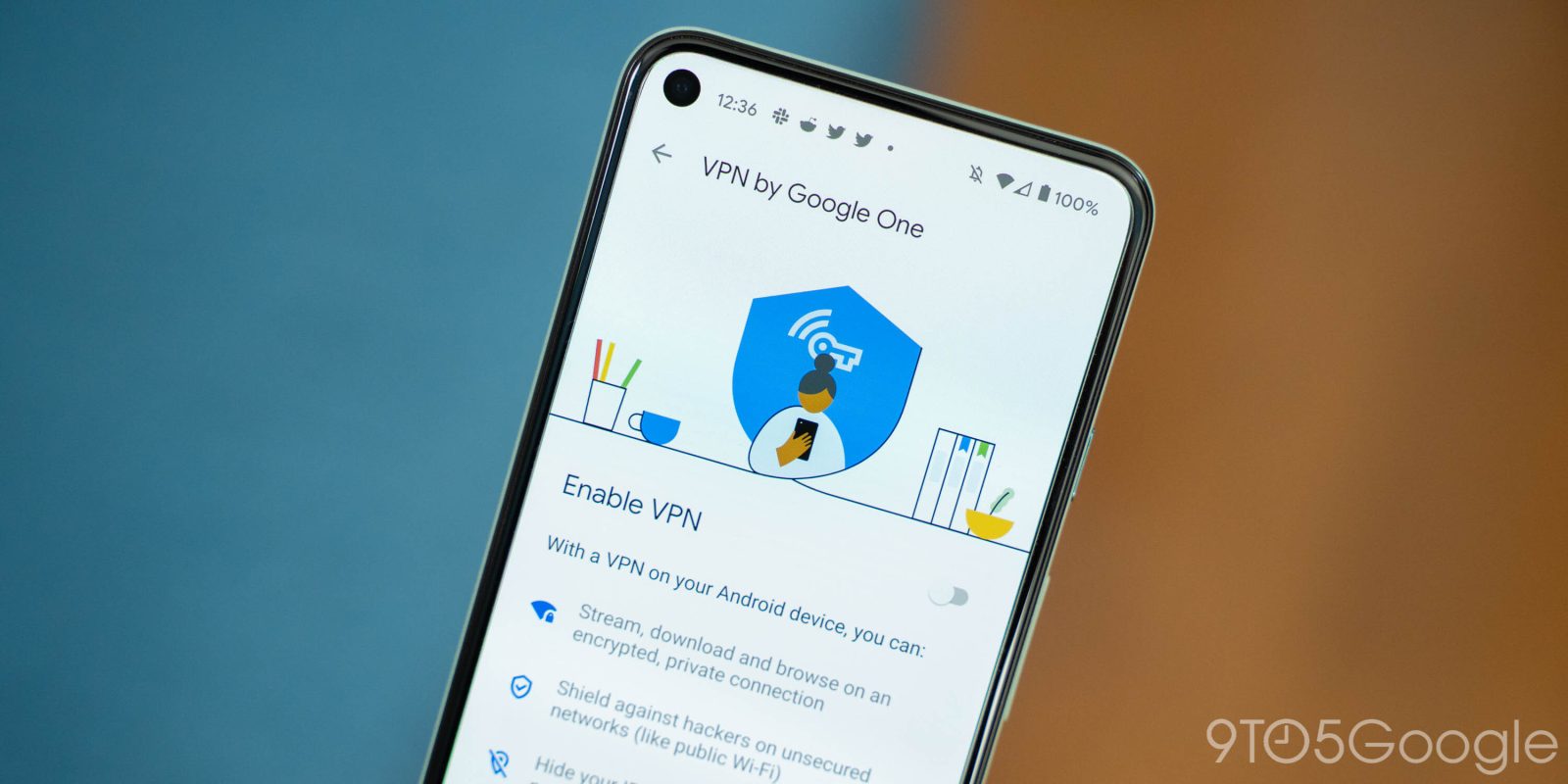
In late 2020, Google introduced a VPN for its Google One subscription that provides additional Drive/Photos storage, extended support, and other perks. After initially being Android-only, the Google One VPN is now launching on iOS.
Read More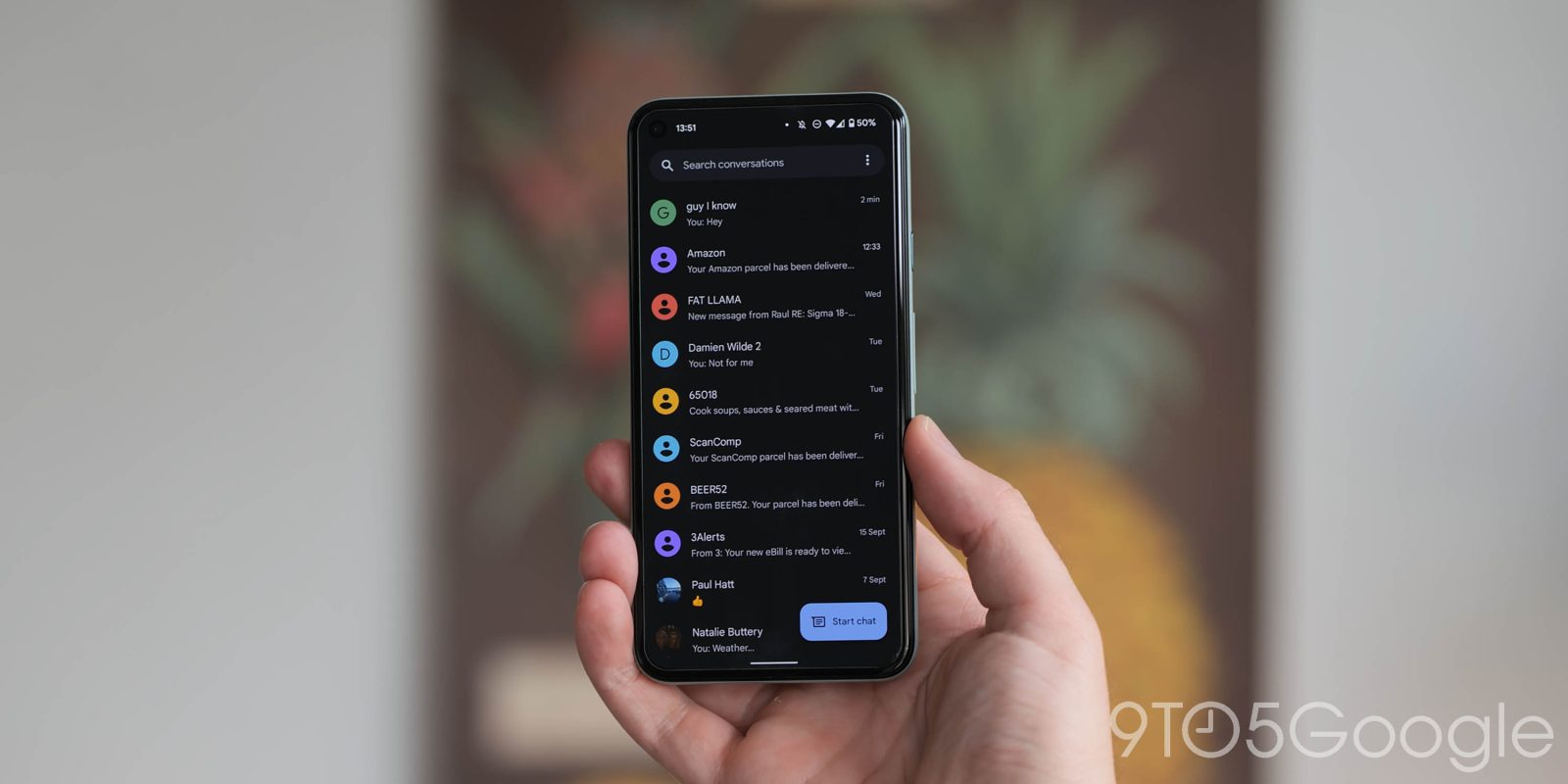
As we spotted in November and following the latest push for RCS support on iPhone earlier this month, Google Messages is starting to roll out iMessage reactions in beta for Android users.
Read More
Back in September, we spotted that Google was developing an “Augmented Reality OS” for an “innovative AR device.” A new report today reveals that Google is working on an AR headset with “Project Iris.”
Read More
In 2020, G Suite became Google Workspace as part of a mass reorganization of the company’s apps for the “future of work.” Various plans were migrated over, and Google is now finally getting rid of the G Suite legacy free edition.
Read More
A little over three and a half years after Voice was massively redesigned, Google started telling original users that the legacy web version would stop receiving updates and encouraged them to migrate over. Legacy Google Voice is now set to be “phased out” from next month.
Read More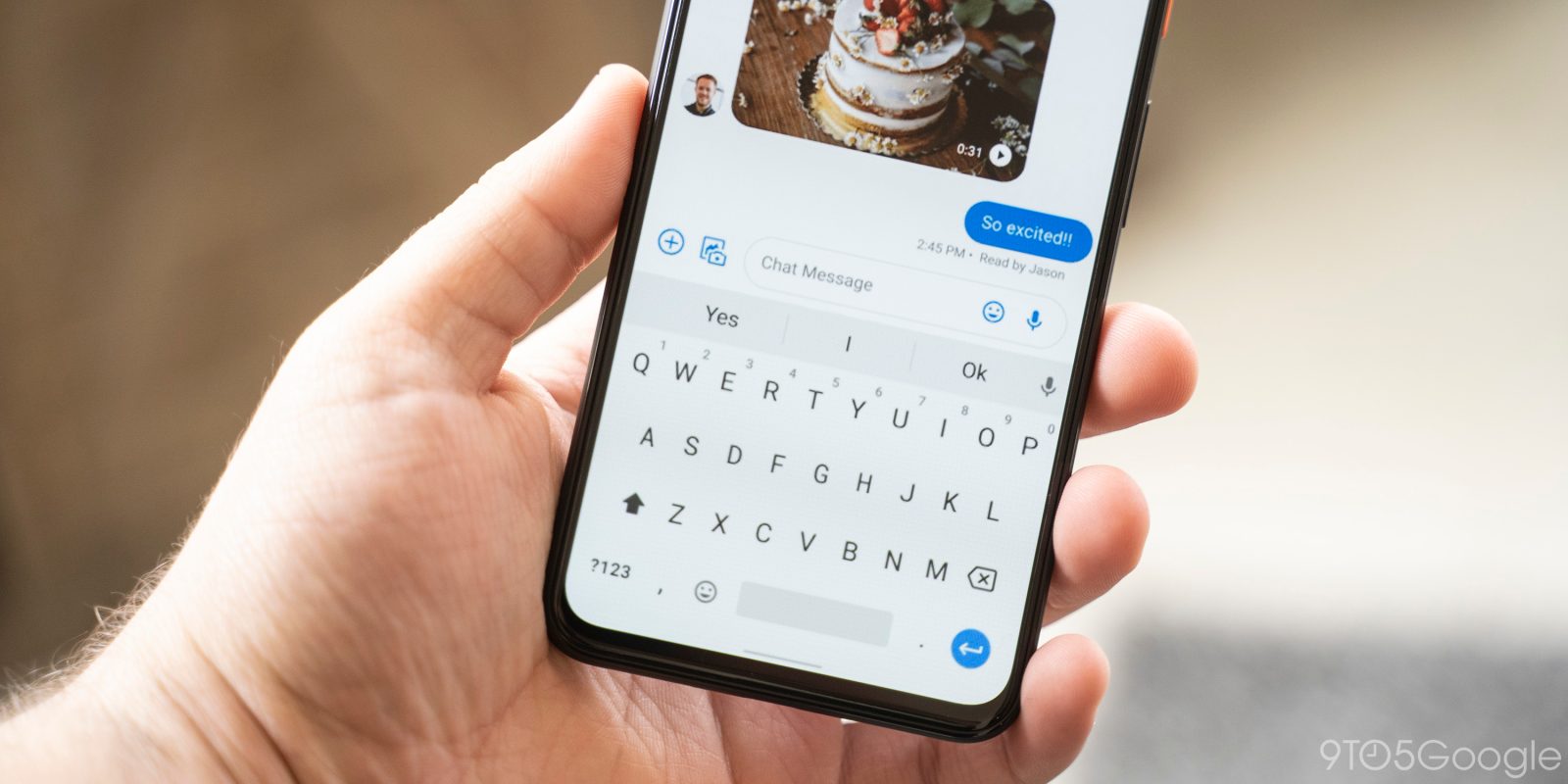
Over the past year, Google has publicly pressured Apple to support Rich Communication Services. The latest salvo this weekend was the harshest yet, but RCS on the iPhone is not the panacea to Google’s historical messaging woes, nor will support lead to a transformatively better experience for Android users when interacting with their iPhone counterparts.
Read More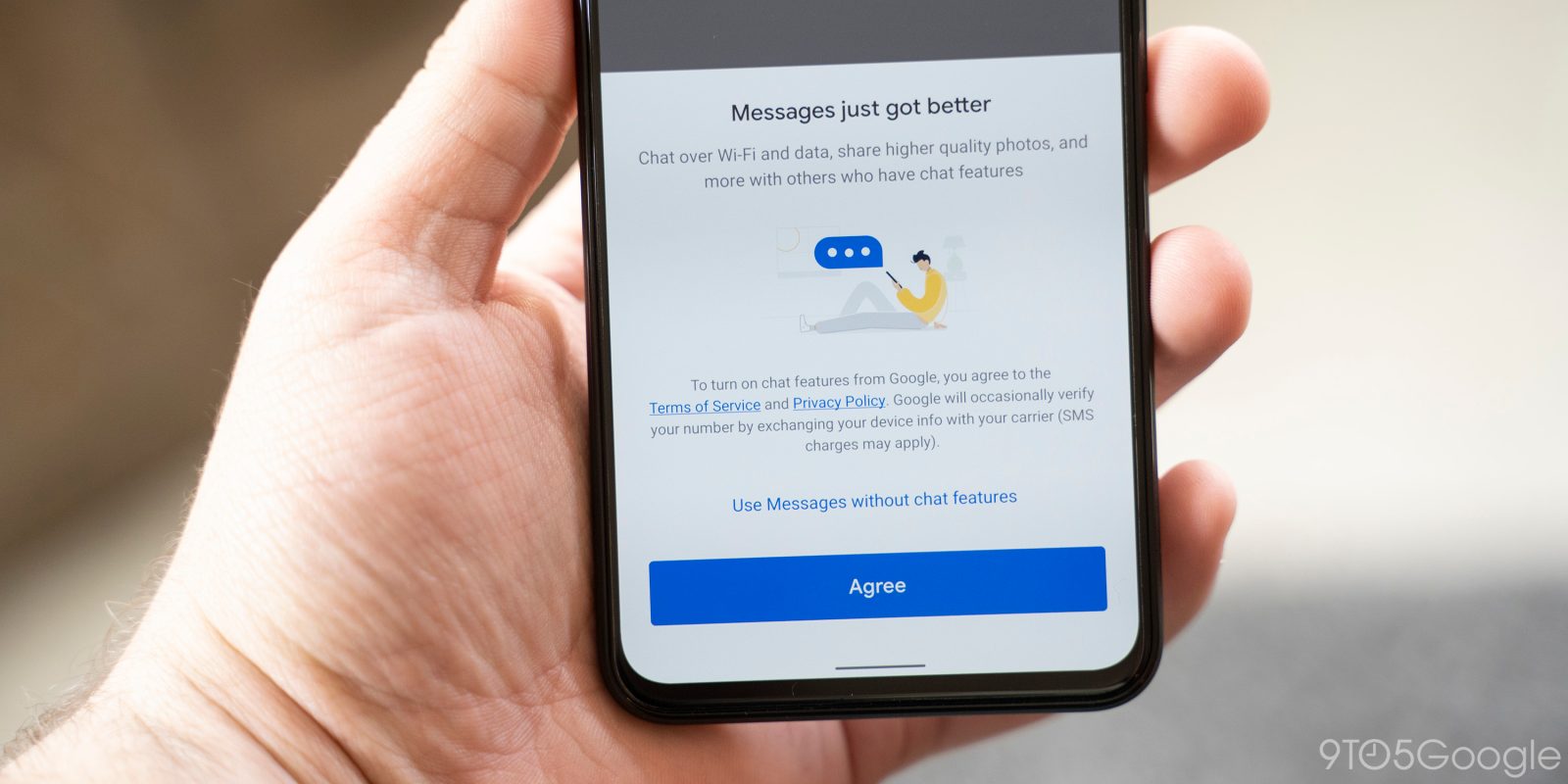
After critical comments on Saturday, Android chief Hiroshi Lockheimer is back with some “thoughts and clarifications” on RCS and iMessage.
Read More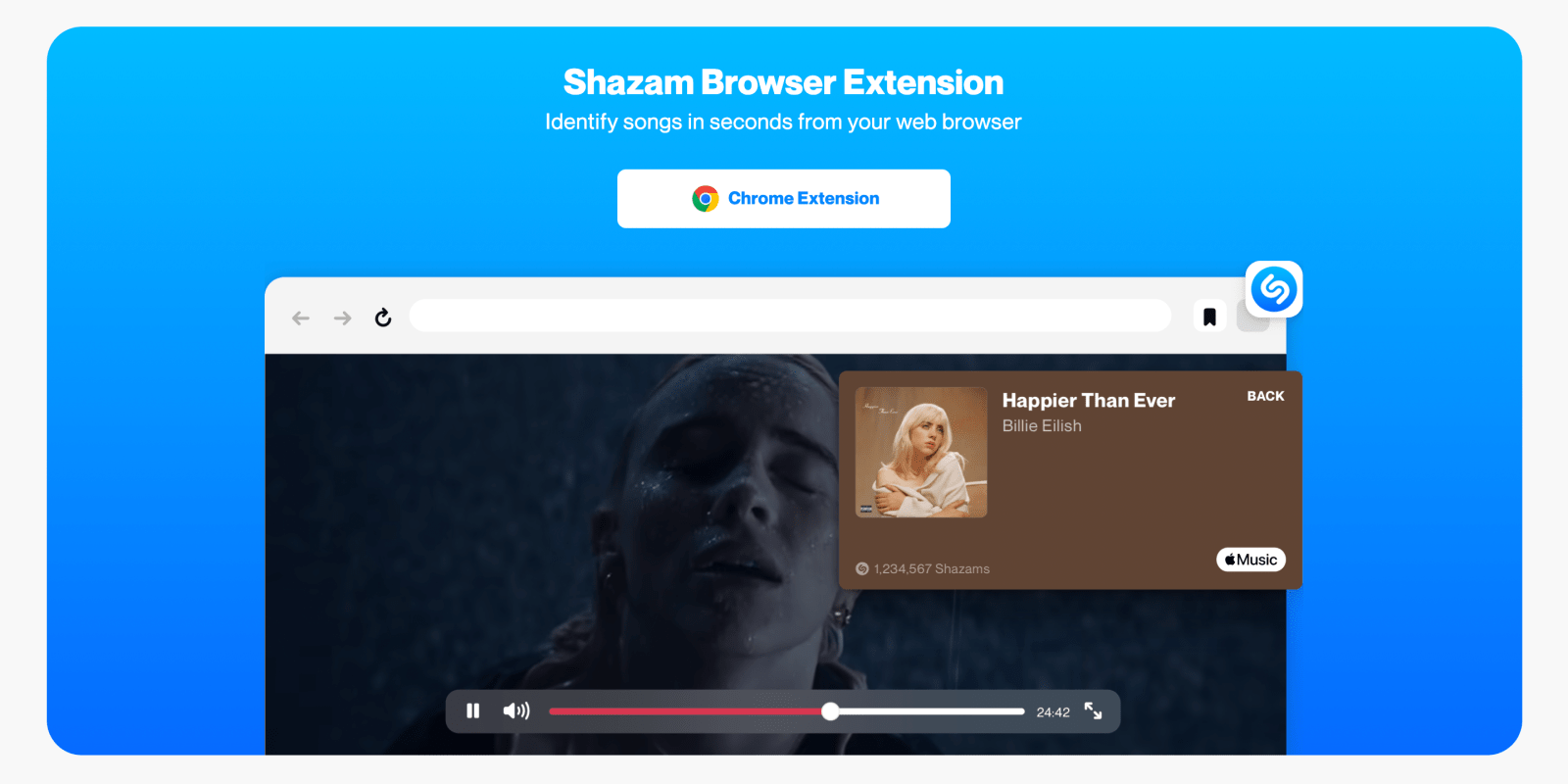
Apple-owned Shazam has just released a Chrome Extension that works to identify what’s playing in your “Netflix or YouTube video, that Soundcloud mix or in a Twitch streamed video game,” but it doesn’t work for all users just yet.
Read More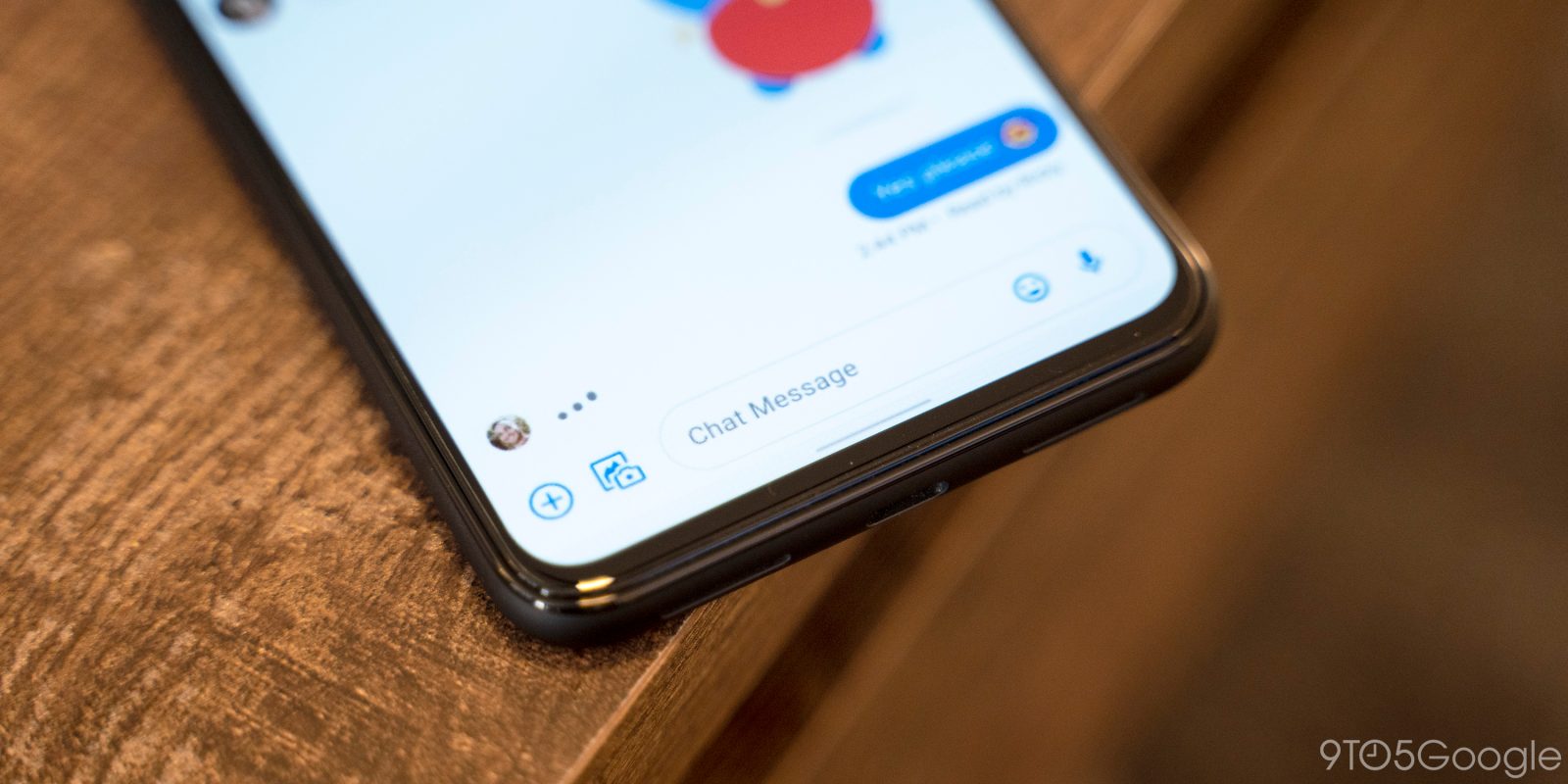
Hiroshi Lockheimer oversees all of Google’s operating systems as Senior Vice President of Platforms and Ecosystems. In recent years, he has been very critical of Apple not supporting the RCS standard to make iOS messaging more interoperable with Android, and the latest salvo on iMessage is the harshest yet.
Read More
Google, Apple, Meta, and various other companies believe that AR smart glasses will be the next major form factor after the smartphone. Humane, a secretive startup founded by ex-Apple employees, looks to have a different approach that involves what is essentially an Android-powered wearable camera that uses lasers to project a screen on any surface, including the palm of your hand.
Read More
At the start of this year, Google rolled out the ability to track key vitals directly on your Android device. Google Fit on iPhone has now quietly received the same ability to measure your heart and respiratory rate using just cameras.
Read More
We broke the news last year that Google was eventually going to replace Duo by making Meet its only video calling service. That remains the case, but the resulting product will be primarily focused on enterprise and is no longer internally pitched to be a merger of the two apps, as Google has no plans to create a dedicated consumer-oriented video offering.
Read More
A year after Apple Music first became available on Google Nest and Home devices, the streaming service is now supported in five more countries.
Read More
With holiday buying in full swing, the Google Store is following its Black Friday offerings with a handful of new deals. The most notable provides boosted trade-in values for older iPhones when purchasing the Pixel 5a.
Read More
In 2020, Google’s streaming service offered a “Year in Review” playlist, while a handful of users got an email with top stats. YouTube Music’s 2021 Recap is much more extensive than previous Google efforts and more on par with other streaming services.
Read More
Back in September, Google previewed how Chat will let you make one-on-one Meet calls without having to use URLs. Similar to classic Hangouts, this feature is now rolling out in the version of Google Chat inside Gmail.
Read More
Back in May, YouTube started testing “Listening controls” that looked to bring a dedicated music player to the main app for Premium subscribers. This UI is now widely rolled out for all videos.
Read More
Last year, Google announced that Search’s Top Stories carousel will no longer require a website to adopt Accelerated Mobile Pages in order to appear. The move away from AMP continues as Twitter for Android and iOS now just open the regular version of mobile webpages.
Read More
With last year’s Pixel phones, Google introduced new machine learning-powered editing tools that later came to all Android devices with Google One. iOS users with a One subscription now have access to those new filters in Google Photos.
Read More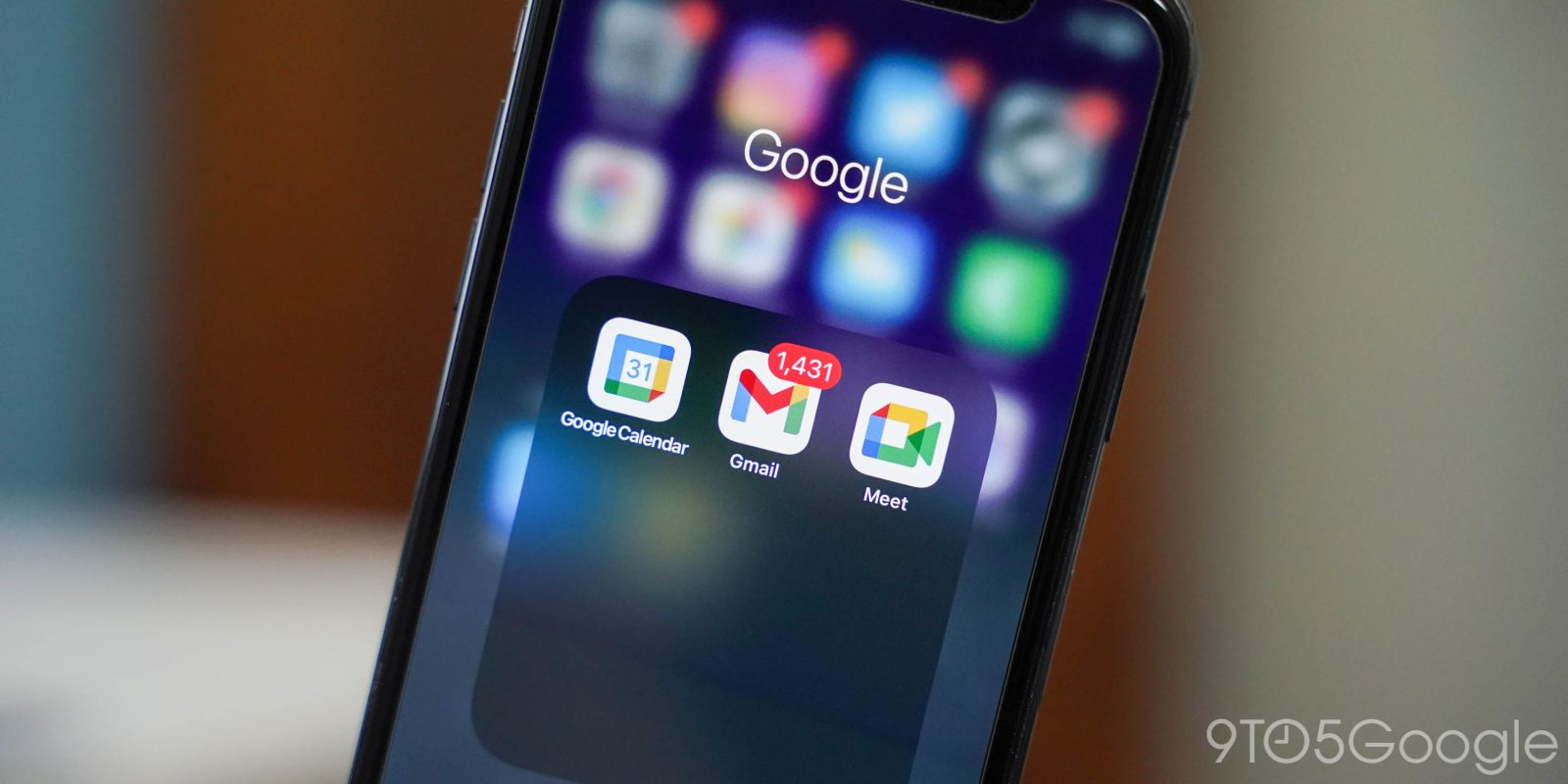
Google is rolling out a trio of productivity updates to its iPhone and iPad productivity apps. Notably, Gmail will get a homescreen widget, while iOS Picture-in-Picture is now available for Google Meet.
Read More