
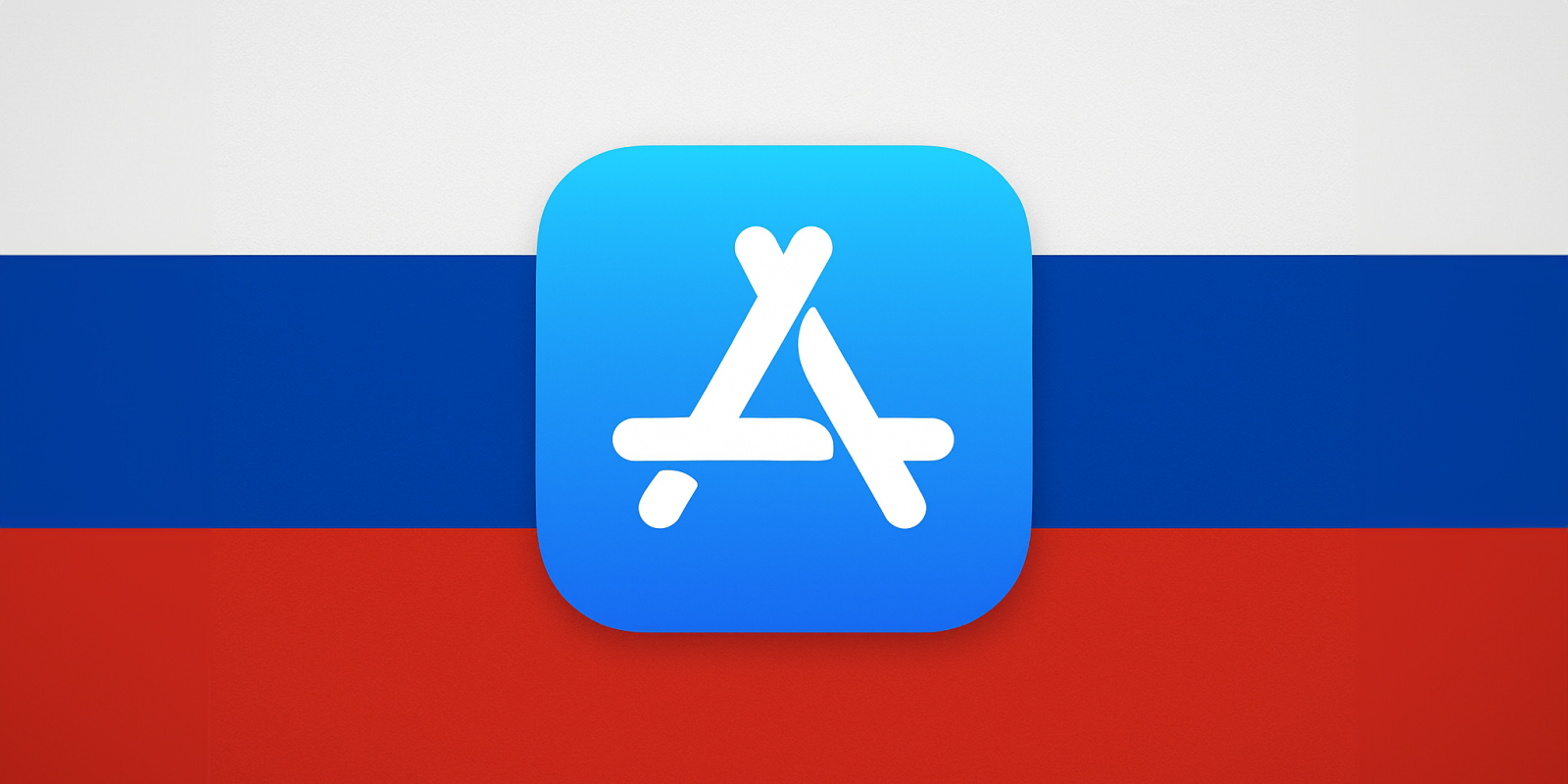
Apple has been accused of breaking the law by failing to comply with US sanctions after the App Store was found to have contain dozens of apps from sanctioned companies. The same was true of Google, though at a smaller scale.
The banned apps were identified by the Tech Transparency Project, which says it demonstrates that Apple failed to live up to its promises that the App Store represents a safe and trusted source …
App Store promise of ‘a safe and trusted place’
Apple has frequently described the App Store as a safe and trusted place for users.
Since launching in 2008, the App Store has been a safe and trusted place for users and a vibrant marketplace for developers to grow their businesses around the world. In the last five years, the App Store has protected users by preventing over $9 billion in fraudulent transactions, including over $2 billion in 2024 alone, according to Apple’s annual App Store fraud analysis.
The company has used this as justification for maintaining a monopoly on the sale of iPhone apps, except where antitrust regulators have forced it to allow competition.
Dozens of banned apps discovered
However, the Tech Transparency Project (TTP) discovered that the App Store contained dozens of apps from entities sanctioned by the US government.
Russian banks propping up Moscow’s invasion of Ukraine. A Chinese paramilitary group linked to human rights abuses. And a company owned by an accused Lithuanian drug trafficker.
These are some of the dozens of U.S.-sanctioned organizations that have offered apps in the Apple App Store, a TTP investigation found, raising questions about the iPhone giant’s dealings with entities deemed a threat to U.S. national security.
It’s illegal for a US company to have any kind of business relationship with a sanctioned entity.
The TTP said that there were no attempts by the developers to disguise their identity, meaning that both tech companies should have been able to easily identify and remove the apps.
All of the apps listed a developer, seller, copyright holder, or other information on their App Store page that matched with a U.S.-sanctioned entity.
In all, it found 52 banned apps on the Apple App Store and 18 apps in Google’s app store. The nonprofit suggests the finding proves that Apple has not kept a promise it made back in 2019.
Apple has been fined before by the U.S. government for failing to guard against sanctions violations in the App Store, over a case involving an app linked to a sanctioned Slovenian drug trafficker in 2019. As part of a settlement with the Treasury Department, Apple promised to take steps to improve its sanctions screening tools. But TTP’s investigation suggests Apple is falling short six years later.
The Washington Post says Apple does not agree that hosting the apps broke US sanctions, but the TPP reports that the company removed them after it shared its findings.
Highlighted accessories
- Official Apple Store on Amazon
- Apple 40W Dynamic Power Adapter for iPhone 17
- Official Apple iPhone Air cases and bumpers
- iPhone Air MagSafe Battery
- Official iPhone Air case
- Official iPhone 17 cases
- Official iPhone 17 Pro cases and Pro Max cases
Image: 9to5Mac/Apple/ChatGPT


FTC: We use income earning auto affiliate links. More.




Comments