
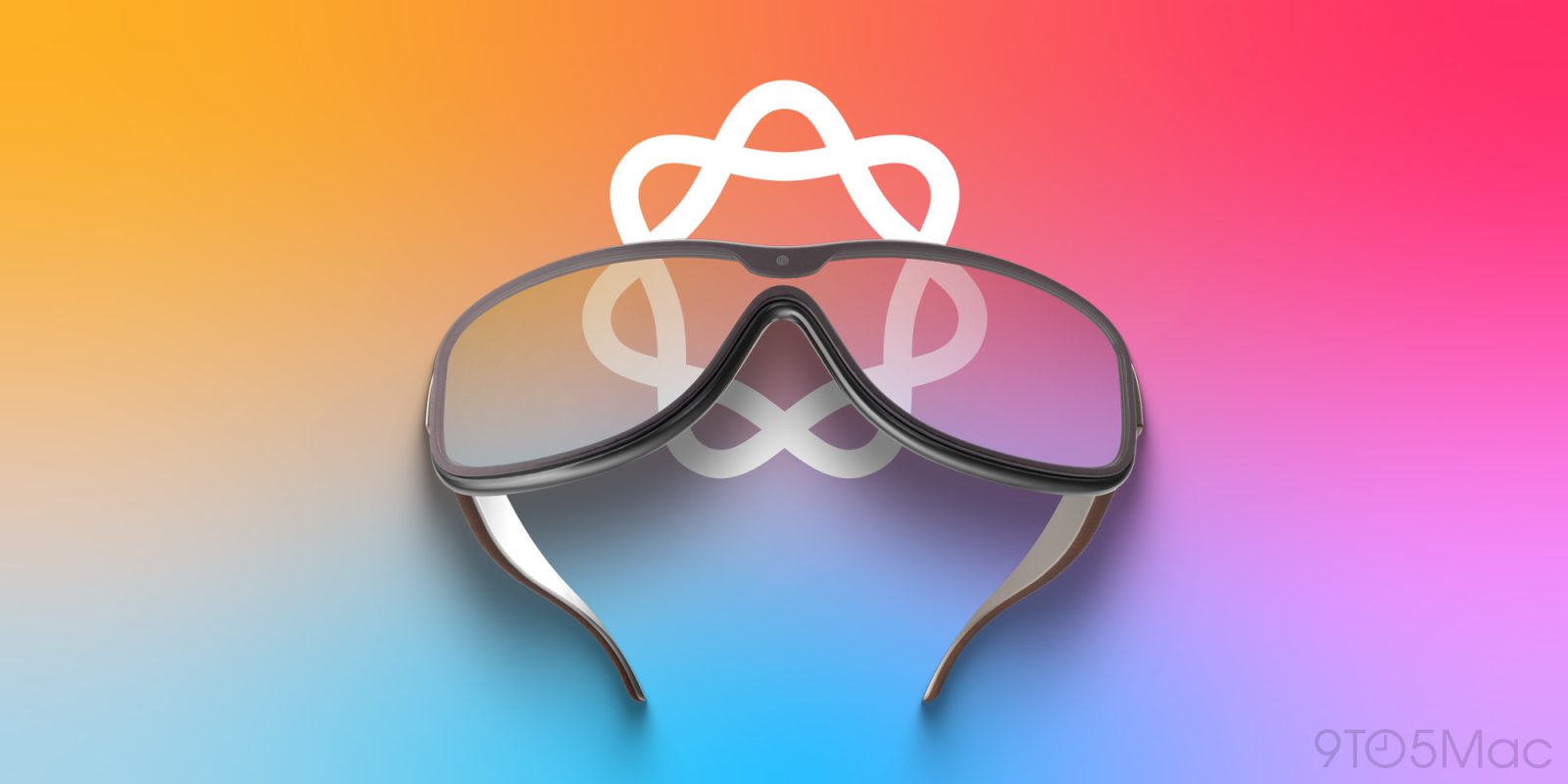
Apple execs reportedly once expected the iPhone to be replaced by smart glasses by 2029, with Eddy Cue later updating this prediction to 2035.
However, one high-profile former ardent supporter of this idea has now changed his mind completely, and now believes that we will still be using smartphones 20 years from now …
Smart glasses replacing smartphones
Neal Stephenson first coined the term “metaverse” in his novel Snowcrash, and later worked as chief futurist at Magic Leap. Snowcrash described virtual reality goggles, and essentially described the kinds of three-dimensional virtual worlds that would be created by Meta and others.
Stevenson later went on to argue that smart glasses were the future, saying it was “obvious” that they would replace smartphones within 20 years. Apple too appeared to share this view – a report about an internal company presentation in 2019 said:
Longer-term, Apple believes this type of device will eventually replace smartphones, execs telling the team this will happen ‘in roughly a decade.’
SVP Eddy Cue appeared to echo this view only last year, though he still considered it to be ten years away from then.
“You may not need an iPhone 10 years from now as crazy as it sounds,” he said. “The only way you truly have true competition is when you have technology shifts. Technology shifts create these opportunities.
Though it should be noted he was using this argument in an antitrust hearing to suggest that nothing could be taken for granted, including the continued success of the iPhone.
Stephenson no longer believes in this future
The writer says he has now completely changed his mind. He now says we’ll still be using smartphones 20 years from now, and that face wearables are not the future he once believed in.
Reader, I have changed my mind. Twenty years from now, everyone is still going to be staring at handheld rectangles. Or at least that is the case if the only alternative is wearing things on their faces […]
A possible workaround is to keep refining and miniaturizing the devices to the point where they just look like eyeglasses. This, however, turns out to have the unintended side effect of making these things seem sinister. It happened with Google Glass, which instantaneously spawned the term “glasshole,” and it has happened again with Meta’s product that looks like normal, albeit heavy-framed glasses.
9to5Mac’s Take
I’m not sure that there is no role for the devices, but I certainly agree that they won’t replace smartphones.
Top comment by PurpleCloud
I've never understood this idea that companies think people will mass embrace wearables, unless they are items we already use unobtrusively, like a watch. Nobody goes to a laser vision centre to get their eyes worsened so they can wear glasses. If anyone has ever been stuck with glasses ... fogging ... sweating ... cutting off peripheral visions ... and so on ... then you know that you wear them because you have to. You need a device that is as unobtrusive to your face/head as a phone is ... and is close to or better than a phone in terms of what it can do and how it performs. Glasses will be like iPads ... niche for situations, but not replacing laptops (like everyone thought they would which was also ridiculous at the time).
Back in 2019, I said that Apple Glasses would potentially replace the Apple Watch rather than the iPhone. I argued that while they might make sense for those who already wear glasses, I couldn’t see the rest of us wearing them all day.
I could never see myself wearing any glasses full time, dumb or smart. Are we really going to be in a position where every single person who now owns an iPhone is going to wear glasses? And if we’re not going to wear them all the time, does reaching into our pocket for a pair of Apple Glasses make more sense than reaching for our phone?
I said that I could see certain applications for the device, but absolutely not as a replacement for a smartphone.
Last year in response to Cue’s remarks, I noted that we’re still using clamshell laptops four decades after it was first seen in 1984 – for the simple reason that the form factor works. I suggested the same would be true of the smartphone.
I suspect the smartphone is much the same. Sure, it’ll hit Apple’s goal of that single slab of glass, and yes, some people will opt for folding models, but the basic idea of a flat, pocket-sized device with a touchscreen as the primary means of interaction has so far survived for 18 years, and I think there’s a solid chance it will still be the case 23 years from now. The design works.
What’s your view? Please share your thoughts in the comments.
- Official Apple Store on Amazon
- Apple’s iPhone cases: iPhone 17 | iPhone 17 Pro and Pro Max | iPhone Air
- Wireless CarPlay adapter (2026 update)
- AirTag holders and accessories
- Mac Pro-style Mac mini casing
- NordVPN – privacy-first VPN with no logs and independent audits to verify


FTC: We use income earning auto affiliate links. More.




Comments