Touch ID is Apple’s fingerprint sensor built-in to the Home button that first debuted with the iPhone 5s. A year later Touch ID became an integral part of Apple Pay that launched just after the iPhone 6 and 6 Plus and also came to the iPad Air 2. The first Mac to gain Touch ID was the MacBook Pro with Touch Bar in late 2016.
Conflicting reports have been plentiful this year as to how Apple will handle Touch ID with the iPhone 8 or whether face recognition may replace it altogether.
Touch ID is far, far more important than most people have realised – the core message behind a Quora post by the CEO of a card payment service. We can expect to learn far more “in the next few months, and that’s likely to eventually include both Touch ID Macs and use of the fingerprint system for mobile payments.
In the torrent of the billions of words already written about Touch ID very, very few people have really understood just how revolutionary this really is. Apple not only has developed one of the most accurate mass produced biometric security devices, they have also solved critical problems with how the data from this device will be encrypted, stored and secured.
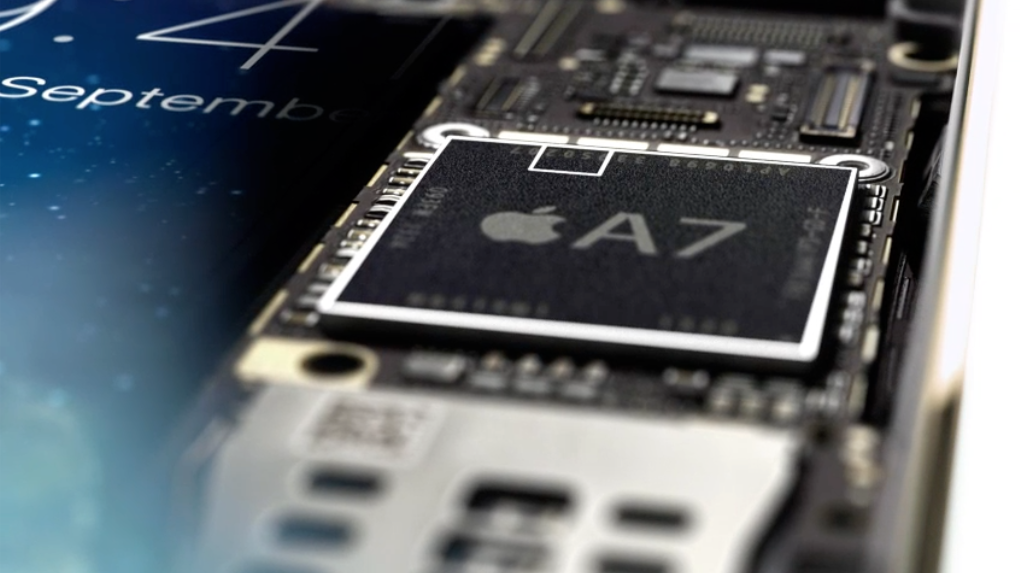
Brian Roemmele, CEO of 1st American Card Service, said that Apple’s attempt to solve the problem of how to develop a truly secure access system goes all the way back to a patent application in 2008, but it was only through the A7 chip – specifically created by ARM with mobile payment security in mind – that the company finally had a gold-standard solution. And its applications will go far beyond iPhone unlock and iTunes purchases … Expand Expanding Close
Via the Wall Street Journal, an Apple spokesperson fleshes out some of the finer details surrounding the fingerprint sensor and Touch ID. To use Touch ID, it is mandatory to also set up a passcode. This acts as a fallback in case the fingerprint sensor fails temporarily or experiences a permanent hardware fault. iOS may necessitate a passcode under some other conditions, as well.
Only that passcode (not a finger) can unlock the phone if the phone is rebooted or hasn’t been unlocked for 48 hours. This feature is meant to block hackers from stalling for time as they try to find a way to circumvent the fingerprint scanner.
By having the sensitive data expire fairly quickly, Apple is hoping that hackers will not have enough time to decrypt the data and have it still be useful. However, the time is long enough that it should not inconvenience users very often.
As we were expecting, Apple just officially announced its new iPhone 5S live on stage during its event taking place now on the company’s Cupertino campus. The new iPhone 5S largely retains the same glass and aluminum design as Apple’s previous generation iPhone, but it does include upgraded internals, and a new gold color option and fingerprint sensor that we previously reported. The new iPhone 5S comes alongside the announcement of Apple’s much rumored lower-cost, plastic iPhone 5C unveiled during the event earlier today.
The iPhone 5s includes a new A7 chip, which Apple notes is the first 64-bit chip in a smartphone, something we reported previously that the company was testing. Apple says the new chip includes 2x general-purpose registers, 2x floating-point registers, and includes over 1 billion transistors on a 102mm2 die size. A7 makes the iPhone 5s over twice as fast in terms of speed, according to Apple, and also provides a 40x increase in CPU performance and 56X faster graphics. The new iPhone 5s hardware will also support Open GL/ES 3.0 and will still support 32 bit apps.
Apple is also including a fingerprint sensor in the new iPhone 5s for a new security feature dubbed “Touch ID.” Embedded into the home button, the Touch ID capacitive sensor is 170 microns thin and will not only allow users to unlock their device, but also authenticate iTunes purchases. Apple says that all fingerprints will be encrypted, stored securely and never uploaded to iCloud or its own servers. It also noted the fingerprint sensor will be able to support multiple fingerprints with the same device
The new iPhone 5s also include a new motion co-processor called the “M7” that Apple says works alongside the A7. It’s able to measure motion data continuously, as well as measure gyroscope, compass, and accelerometer data.
M7 knows when you’re walking, running, or even driving. For example, Maps switches from driving to walking turn-by-turn navigation if, say, you park and continue on foot. Since M7 can tell when you’re in a moving vehicle, iPhone 5s won’t ask you to join Wi-Fi networks you pass by. And if your phone hasn’t moved for a while, like when you’re asleep, M7 reduces network pinging to spare your battery.
The new chip will work with new CoreMotion APIs in iOS 7 that will allow developers to identify user movement. The first to take advantage of the technology is Nike with a new app called “Nike+ Move”.
Battery life: Apple says the new iPhone 5S will get 10 hours of 3G talk time, 8 hours of 3G browsing,a nd 10 hours of LTE and WiFi browsing. You’ll also get around 250 hours standby and 10 hours of video, according to Apple.
The iPhone 5s packs in a new camera system with a dual LED true tone flash, a new five-element lens designed by Apple, a F2.2 aperture, a sensor with a 15 percent larger active area, auto stabilization, and bigger 1.5 micron pixels. The camera also includes a new burst mode that will continuously take photos a rate of 10fps, and the 120fps slow mo mode that we reported about back in July. Head below for iPhone 5s pricing and availability: Expand Expanding Close



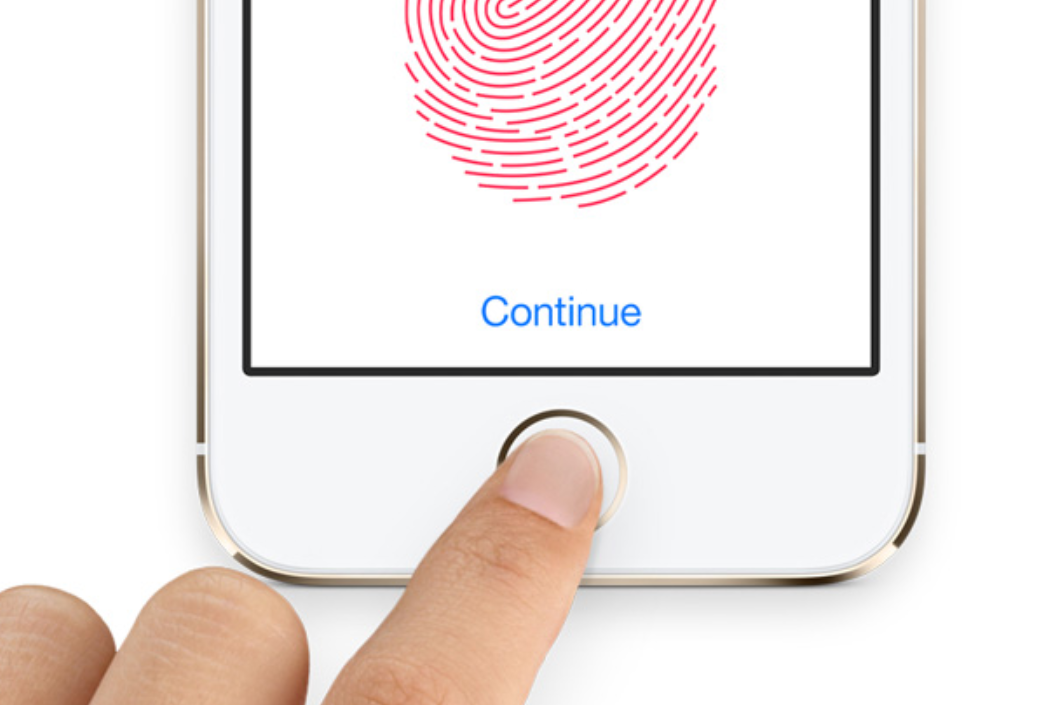

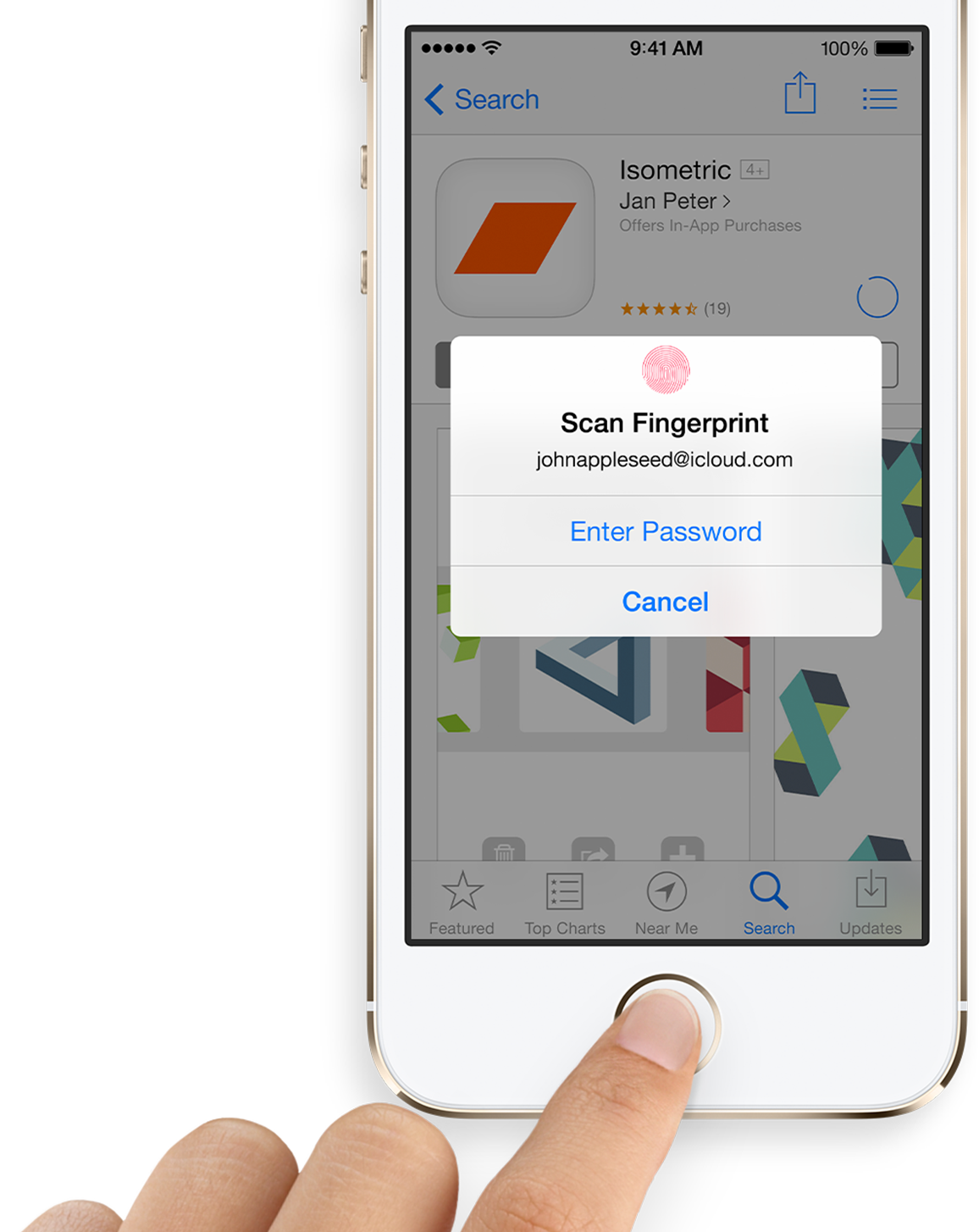 Apple is also including a fingerprint sensor in the new iPhone 5s for a new security feature dubbed “Touch ID.” Embedded into the home button, the Touch ID capacitive sensor is 170 microns thin and will not only allow users to unlock their device, but also authenticate iTunes purchases. Apple says that all fingerprints will be encrypted, stored securely and never uploaded to iCloud or its own servers. It also noted the fingerprint sensor will be able to support multiple fingerprints with the same device