
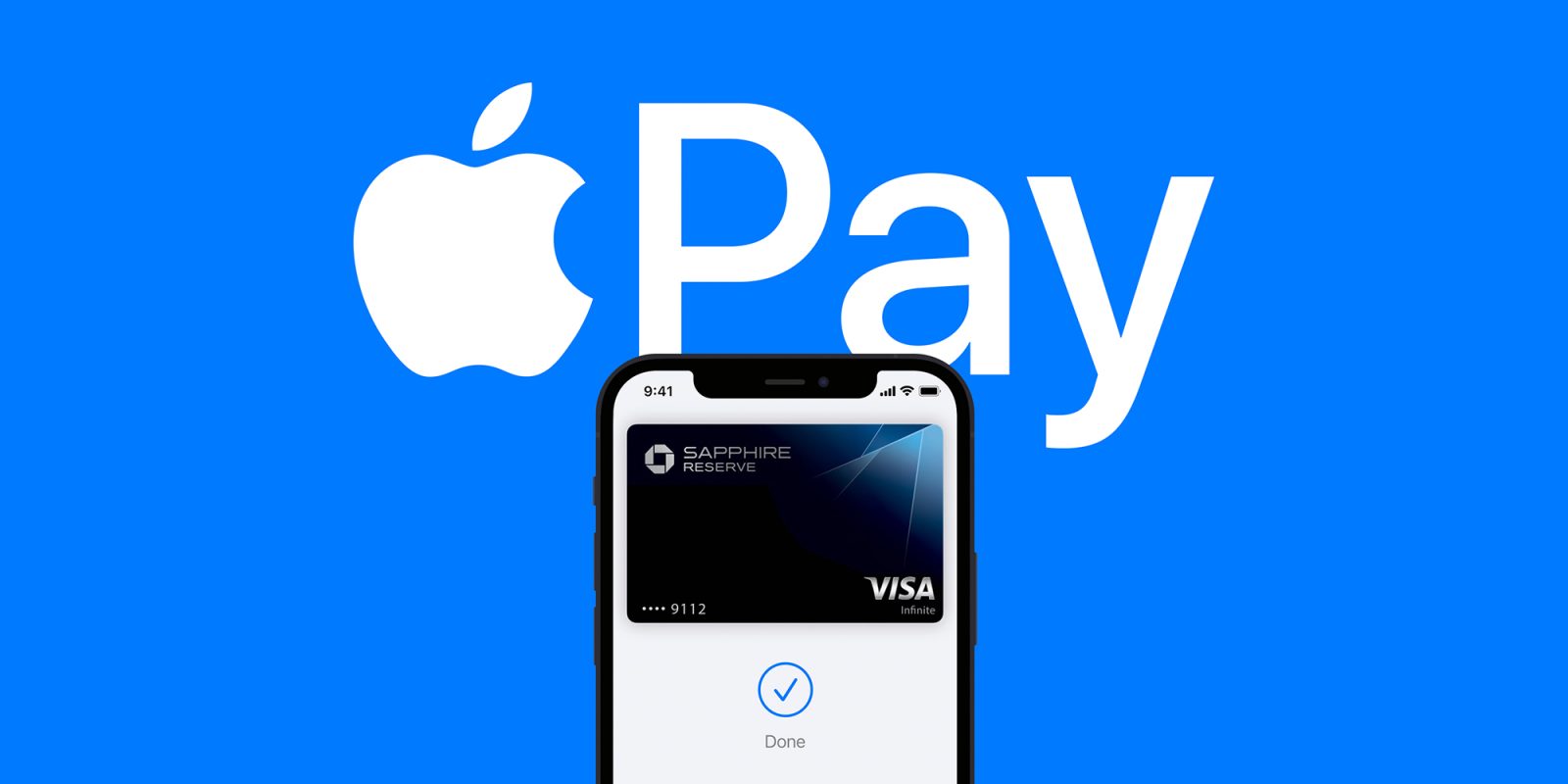
Apple, Visa, and Mastercard have been named in a new antitrust class action lawsuit that accuses the three of conspiring to stifle competition for point-of-sale payment card services. As reported by Reuters, the lawsuit alleges that this has led to merchants paying “artificially higher fees for credit and debit transactions.”
The lawsuit, which was filed on Thursday, says that Apple “struck unlawful agreements” with Visa and Mastercard to “refrain from competing with the two credit card companies.” As part of this agreement, Visa and Mastercard “paid Apple a portion of transaction fees” for payments made using Apple Pay on their respective networks.
By reaching this agreement, the lawsuit alleges that Visa and Mastercard pay Apple a “very large and ongoing cash bribe.” Essentially, this agreement removes any incentive for Apple to invest in creating its own payment network – which would increase competition and potentially lead to lower credit and debit card processing fees for merchants.
Top comment by Eric Swinson
I don't see how an independent payment network would have been in Apple's best interest. They could probably do it now, but when ApplePay launched its primary selling point was this it was a more secure and convenient way to use the already established credit card networks. Merchants had little or nothing to do on their end and consumers had a quick fallback to an already accepted physical card if AP wasn't working or supported on the terminal.
A new payment network would require three-way adoption from consumers, banks, and merchants and would have turned out as well as that thing that Walmant and CVS tried to do that I can no longer remember the name of.
The lawsuit also points out that Apple prohibits other companies from accessing the iPhone’s NFC chip for contactless payment transactions. This means that Apple Pay is the only mobile wallet platform available on the iPhone.
The lawsuit alleges:
Apple reached agreements with Visa and then with Mastercard not to use the iPhone to establish its own independent POS Transaction Payment network. Instead, Apple, Visa, and Mastercard agreed to run Apple Pay transactions over the Entrenched Networks’ POS Transaction Payment networks. Upon information and belief, Apple agreed with the Entrenched Networks to protect their market division from competition by blocking third parties from accessing certain hardware in the iPhone, namely the iPhone’s “Secure Element,” which those third parties could have used to establish mobile-based payment solutions that competed with the Entrenched Networks.
In exchange, the Entrenched Networks agreed that Apple would be paid a portion of the fees generated through the Entrenched Networks’ respective POS Transaction Payment systems.
Earlier this week, it was reported that Apple has offered to open up the Apple Pay NFC system on iPhone to other companies, in response to ongoing antitrust investigations in the European Union. Whether that actually happens – and whether changes are also applied in the United States – remains to be seen.
Follow Chance: Threads, Twitter, Instagram, and Mastodon.


FTC: We use income earning auto affiliate links. More.


Comments