
Apple @ Work is exclusively brought to you by Mosyle, the only Apple Unified Platform. Mosyle is the only solution that integrates in a single professional grade platform all the solutions necessary to seamlessly and automatically deploy, manage and protect Apple devices at work. Over 45,000 organizations trust Mosyle to make millions of Apple devices work ready with no effort and at an affordable cost. Request your EXTENDED TRIAL today and understand why Mosyle is everything you need to work with Apple.
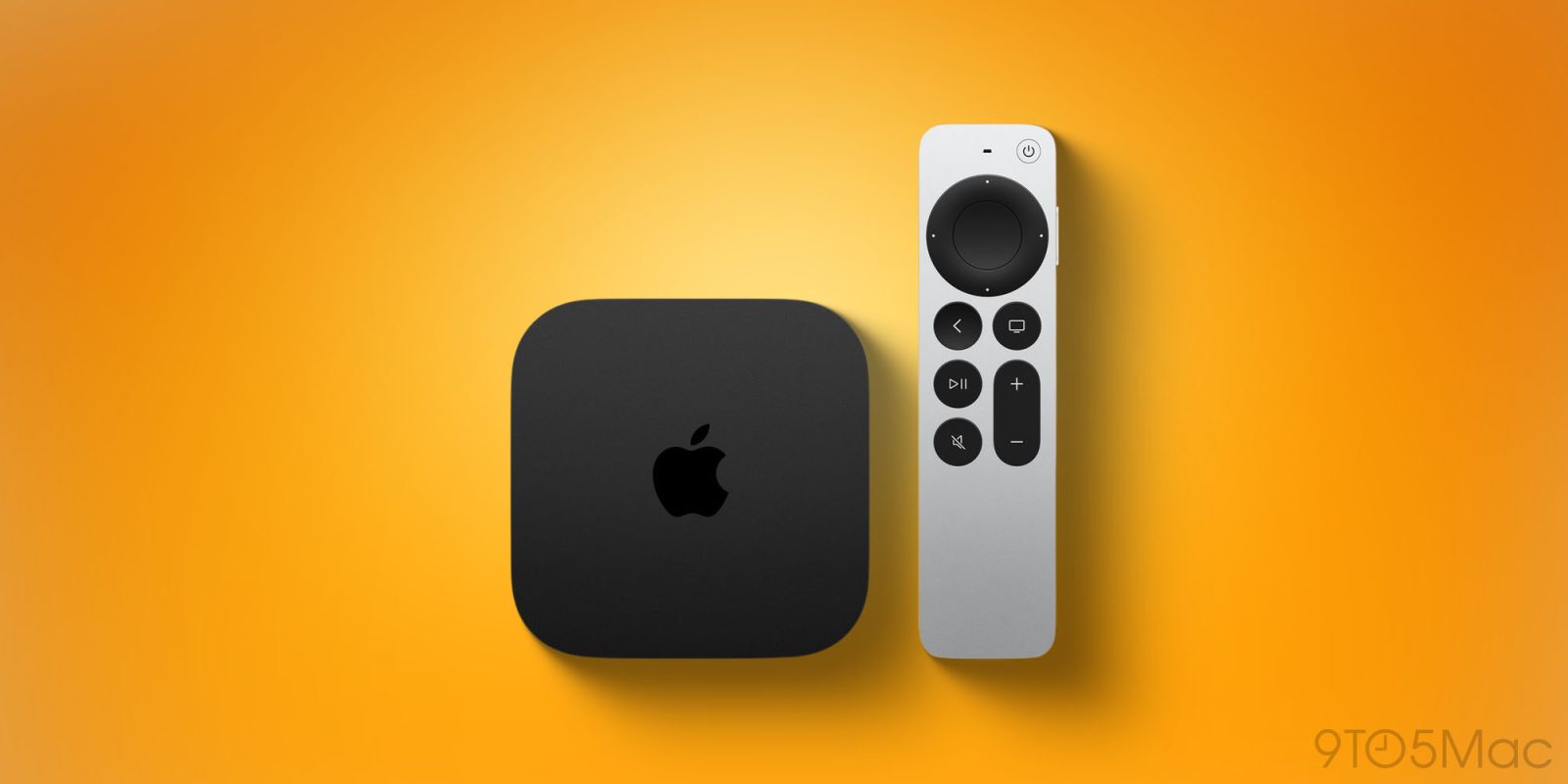
I believe that the Apple TV is one of Apple’s most underrated products in the enterprise and retail. For IT teams it is a surprisingly powerful tool for conference rooms, retail displays, training spaces, and digital signage. It is easy to manage remotely, incredibly stable, and fits right into the same device management and deployment workflows that IT teams already use for Macs, iPads, and iPhones. For the price, you get a lot of capability. Yet Apple TV still has not reached its full potential inside the enterprise because it is missing one thing that would make it dramatically easier to deploy at scale: Power over Ethernet.
About Apple @ Work: Bradley Chambers managed an enterprise IT network from 2009 to 2021. Through his experience deploying and managing firewalls, switches, a device management system, enterprise grade Wi-Fi, 1000s of Macs, and 1000s of iPads, Bradley will highlight ways in which Apple IT managers deploy Apple devices, build networks to support them, train users, stories from the trenches of IT management, and ways Apple could improve its products for IT departments.
Why Apple TV already works so well at work
For consumers, Apple TV looks expensive. For the enterprise, it is a bargain. Apple TV is one of the easiest devices to configure and deploy with a device management system. With AirPlay, you avoid the mess of cables. With zero touch deployment, IT can drop ship them. With device management integration, you don’t have to make changes to each device manually. Digital signage apps from Kitcast and Carousel work great on the platform as well.
Yes, it is a $199 device, but compared to other digital signage alternatives, it is an absolute bargain.
Where Apple TV falls short
The problem with Apple TV in the enterprise and retail is not the software or the platform. The fact that it requires at least two cables is a drawback. Apple TV still requires an external power adapter, which instantly complicates installations for signage, retail displays, and any scenario where a clean, single cable solution is desired. Mounting a TV in a retail store’s ceiling and putting an Apple TV behind it works fine until someone asks why you need a bulky outlet or a hidden power strip. Conference rooms are the same way. In my experience, IT teams want a predictable, clean, and secure install. Running Ethernet plus a separate power source adds complexity, cost, and more points of failure. Running Ethernet cables is drastically easier and less costly than running electrical wires.
Power over Ethernet would solve the biggest deployment challenge Apple TV faces. A single cable for both data and power would make Apple TV far more appealing for large-scale projects. Digital signage in corporate lobbies. Menus in restaurants. Training displays in warehouses. Classroom screens. Retail installations that need reliability without visible cables. Even conference rooms would benefit, since PoE enables hard-wired networking and power from a single port on a switch that IT already monitors.
There is also an opportunity for Apple to rethink the form factor entirely. A compact Apple TV that plugs directly into an HDMI port, similar to a Roku Stick-style design, would be ideal for environments where mounting space is limited or where IT requires a completely hidden installation. Pair that with PoE from an Ethernet adapter, and you suddenly have a device that is easy to deploy anywhere. For locations where PoE is not possible, the ability to power the device from the USB port on the TV would eliminate one more cable, making installation far easier.
Wrap up
With PoE and a more flexible form factor, Apple TV will become an even more serious competitor to Chromeboxes, Intel NUC devices, and the low-cost signage boxes that have taken over many enterprise and retail spaces. Except with Apple TV, you get a stable OS, managed updates, native AirPlay, built-out IT controls, and a familiar ecosystem for support.
Apple TV is already a strong contender for being the best option for enterprise signage and shared displays. PoE and a streamlined hardware design would finish the job.
Apple @ Work is exclusively brought to you by Mosyle, the only Apple Unified Platform. Mosyle is the only solution that integrates in a single professional grade platform all the solutions necessary to seamlessly and automatically deploy, manage and protect Apple devices at work. Over 45,000 organizations trust Mosyle to make millions of Apple devices work ready with no effort and at an affordable cost. Request your EXTENDED TRIAL today and understand why Mosyle is everything you need to work with Apple.


FTC: We use income earning auto affiliate links. More.




Comments