Mark is an award-winning journalist who worked at 9to5Mac for over six years. He covers Apple and other topics related to the consumer technology industry.
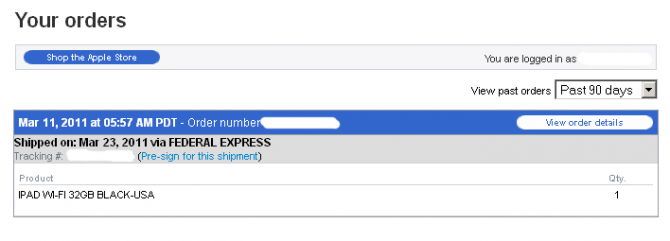
Buyers of the iPad 2 from the Apple online store who originally received projected shipping dates should be happy to know that these orders have begun shipping. Users via Twitter are reporting this, with some ordering on launch day.
iPad 2 ordering opened with 3-5 day shipping times, but that quickly turned to 2-3 weeks, then 3-4 weeks, and now 4-5 weeks. Be sure to let us know if yours is getting shipped early, too.
We are hearing from our connections with sources at Foxconn that the next-generation iPhone will include an iPhone 4-like design, and now we have some more information: parts.
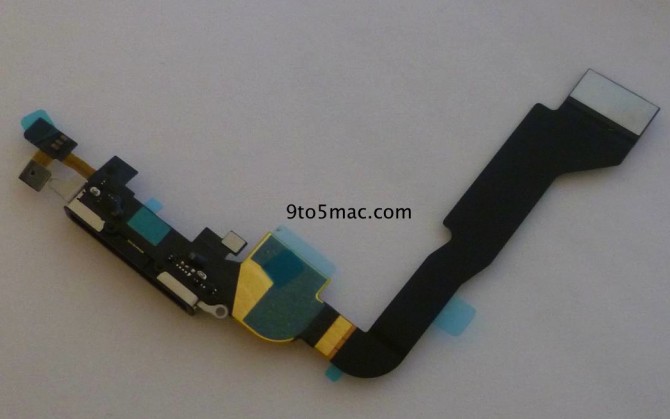
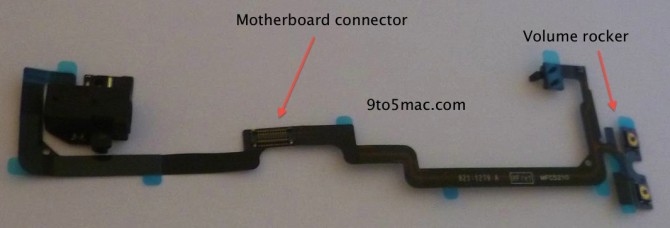
Replace Base helped us get our hands on the dock connector and headphone jack flex. While these parts don’t look all to interesting to the normal eye, we had our friends at the iFixYouri iPhone repair shop take a look at these parts to basically confirm a few things.
First is that, indicative of these parts, the fifth-generation iPhone will have color options: black or white. This isn’t all too surprising – seeing we’re seeing a white iPhone 4 soon – but it’s still worth mentioning for fans of white devices.
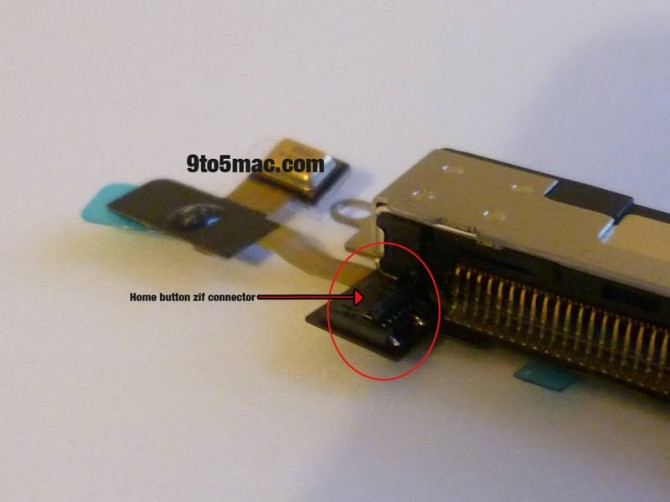
Next is the iPhone home button. Some rumors from earlier this year pointed to future iPhones lacking physical home buttons. The dock connector for the iPhone 5 seems to refute all that as the home button connector is present on the piece.
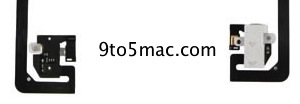
Next is the headphone jack flex: It’s redesigned. Although the redesign of an internal part that the consumer will never see does not seem exciting, the engineering aspect of it certainly does. The connection piece to the iPhone’s motherboard usually sits at the top of the cable but on the next iPhone, it sits on the middle of the cable.
Apple moving the headphone jack flex motherboard connector elsewhere could mean that Apple might be making room for something new in the device. Our speculation ranges from a beefier processor, more storage, a bigger battery, a better camera, a 4G chip, a Gobi CDMA/GSM chip, to NFC. At this point there is no way to tell.
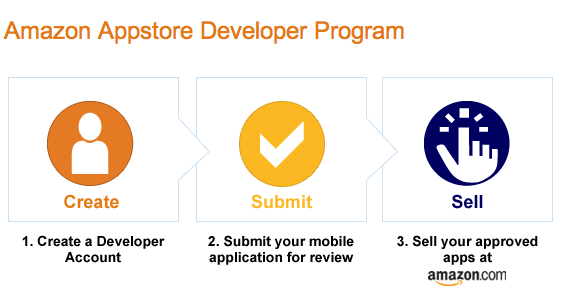
Bloomberg reports that Apple filed a lawsuit against Amazon on March 18th over their use of the “App Store” trademark. Amazon has been using the term “App Store” since January as the name for their developer portal. Amazon is also launching an Android web-based App Store.
Amazon.com since January has started to solicit developers for a future mobile software download service, Apple said. Amazon.com has used “Amazon Appstore Developer Portal” and “Amazon Appstore” in connection with this service, according to the complaint.
The lawsuit also covers some “unspecified damages” and Amazon is yet to comment on the lawsuit. For those interested in the case, the official title is Apple v. Amazon.com, 11-1327, U.S. District Court, Northern District of California.
Apple, of course, created their mobile application store in 2008 called the “App Store.” Apple also has had the “Mac App Store” term since October 2010, with the store launching January 6, 2011. We’ll be sure to let you know how this all plays out as details emerge.
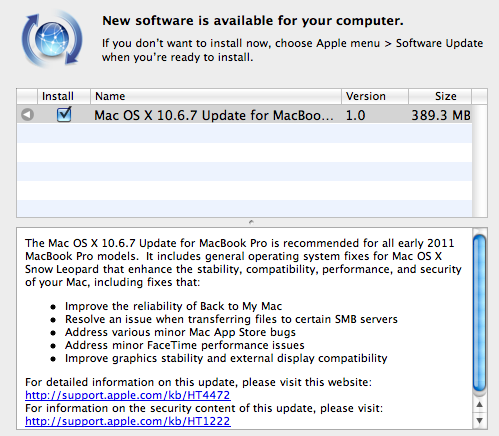
Apple has just released an update to Snow Leopard – Mac OS X 10.6.7 – with fixes for the early 2011 MacBook Pro models, an improved Back to my Mac:
The Mac OS X 10.6.7 Update for MacBook Pro is recommended for all early 2011 MacBook Pro models. It includes general operating system fixes for Mac OS X Snow Leopard that enhance the stability, compatibility, performance, and security of your Mac, including fixes that:
• Improve the reliability of Back to My Mac
• Resolve an issue when transferring files to certain SMB servers
• Address various minor Mac App Store bugs
• Address minor FaceTime performance issues
• Improve graphics stability and external display compatibility
The early 2011 MacBook Pros have been the source of numerous issues, including display flickering, so hopefully those are all fixed. Apple also improved the reliability of their MobileMe Back to my Mac service, the Mac App Store, SMB (Windows) file transfers, FaceTime, graphics, and external displays. Our download weighed in at almost 400mb but your mileage may vary.
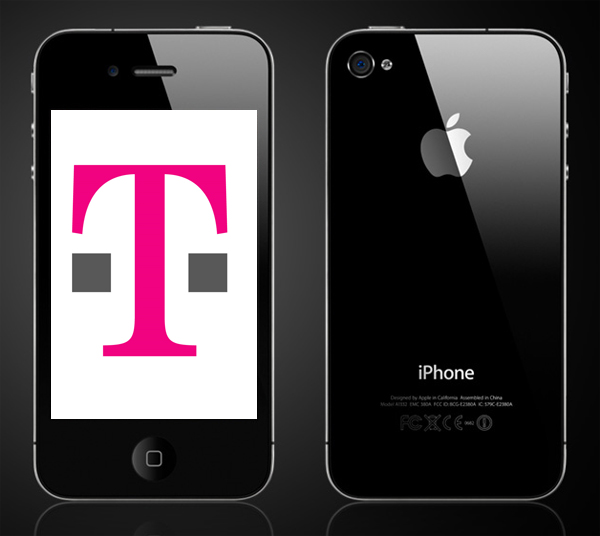
Following the announcement that AT&T has agreed to acquire T-Mobile USA for $39 billion, T-Mobile has released some new information including some questions and answers. Before we get to the juicy stuff, here’s what is important for current T-Mobile customers. T-Mobile will still remain “T-Mobile” and will be an independent company. Your billing will also remain exactly how it is today and T-Mobile will be your biller….and you won’t be offered the iPhone.
T-Mobile USA remains an independent company. The acquisition is expected to be completed in approximately 12 months. We do not offer the iPhone. We offer cutting edge devices like the Samsung Galaxy S 4G and coming soon our new Sidekick 4G.
Rumors flew around a few months ago saying that Apple was gearing up to open an Apple Store in New York’s famous Grand Central Terminal. It was even “Confirmed”.
The projected size of the store as well as the M.T.A.’s strict guidelines almost made an Apple Store for this location too good to be true.
For its part, MTA Real Estate/ Retail+Leasing division, which will have the final word on any new store, offered this careful response: “We select tenants through a public process that features a formal request for proposals,” said Aaron Donovan, a spokesman for the MTA. “We don’t comment on prospective tenants outside of the process. Robert K. Futterman, which handled Apple’s first three New York spaces, declined to comment.
Now, The Observer reports the rumors were too good to be true and although Apple was in early negotiations, the two main parties had a fall out. This is all according to “a source close to the M.T.A.” If that source is not enough for you, Newmark Knight Frank retail executive Jeffrey Roseman shot out this tweet on Thursday:
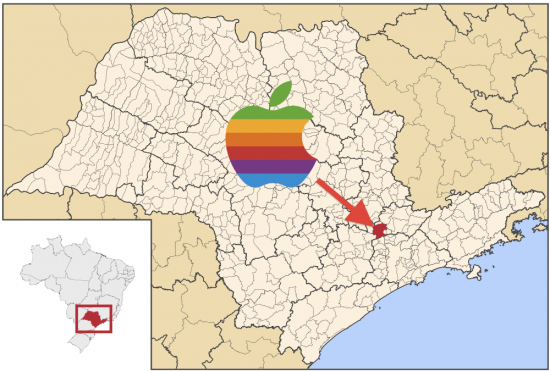
According to Redebomdia of Brazil, Foxconn is preparing to open up a new manufacturing plant in Jundiai – a city in Sao Palo, Brazil – for the construction of Apple products. Foxconn currently houses plants for HP and Sony in Jundiai and is preparing to open a third manufacturing line in 2013 after receiving millions of dollars of investments.
The report is unclear about where they got their information but the translation says the information comes from “studies” which probably means research or an internal source. Apple and Foxconn currently base their manufacturing plants in China. Apple declined to comment on the report.
In November 2010 Brazilian billionaire Eike Batista said he will pay 1.6 billion dollars to open up an Apple manufacturing plant in Brazil. Although this is unrelated to Foxconn opening up an Apple plant in Brazil, it does demonstrate that Apple may have been pushed to open plants out of China.
iLounge claims that the expected MobileMe revamp will be launching ahead of WWDC, sometime next month (April). The new MobileMe is said to be free is may be a major departure from the current version of MobileMe as the current version is said to be phased out in a year.
In addition, the source was told that Apple will be supporting the existing version of MobileMe for the next year, suggesting that the new version will be quite different from the existing service; the extra year of support would likely cover those who recently paid for a full year of MobileMe, prior to Apple removing any method through which a user could pay for the service.
Apple is expected to hold an iOS 5 event sometime in April and this would be a perfect time to also unveil the new MobileMe. The new service is said to be more cloud-based with a “locker” that stores your media. The service will potentially even connect to your iTunes library to provide streaming to iOS devices from the cloud. Expand Expanding Close
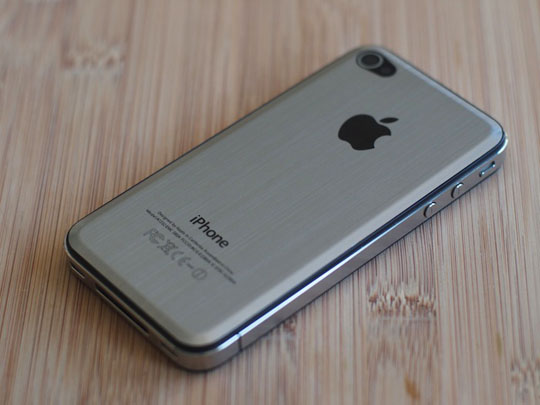
Image is a third-party “metal” back sticker for iPhone 4, not an image of the iPhone 5
A source from Foxconn who we believe to be reliable has provided us with some information about Apple’s fifth-generation iPhone. Most of the information lines up with past reports but we have also learned a few new details. Most notably is that the iPhone 5 has already been seen at Foxconn and is soon going into the normal mass production stages. In terms of design, the iPhone 5 is said to look fairly similar to the iPhone 4 except for two very important differences: materials and screen size.
The iPhone 5 will keep a relatively similar size and shape as the iPhone 4 but Apple has decided to move away from the back-glass enclosure found on the fourth-generation device and move to something similar to the back of the first-generation iPhone from 2007. Although some reports claim the iPhone 5 will adopt a curved metal back, our source says models have been floating around with a flat metal back. The material of this metal is unspecified. Our brains say aluminum but our hearts wonder if this could be Liquid Metal.
iSuppli’s research and in-depth iPad 2 tear down has revealed that vital iPad 2 parts like the thin battery, display glass, and electronic compass may be directly sourced from Japanese plants. The earthquake and tsunami in Japan has caused many manufacturing plants to temporarily stop work and it is possible, that if certain iPad 2 parts are in fact from Japan, that some iPad 2 parts may be in tight supply.
The IHS iSuppli teardown analysis of the iPad 2 so far has been able to identify five parts sourced from Japanese suppliers: NAND flash from Toshiba Corp., dynamic random access memory (DRAM) made by Elpida Memory Inc., an electronic compass from AKM Semiconductor, the touch screen overlay glass likely from Asahi Glass Co. and the system battery from Apple Japan Inc. There potentially are other components from Japan in the iPad 2, however, the teardown analysis process cannot always identify all components’ countries of origin.
These potential supply issues obviously in no way connect to the short supply of iPad 2s on launch day and in the days since launch. The issue does come at the point in which Apple is trying to build as many iPad 2s as possible in order to meet “amazing” demand for the product.
Toshiba, an Apple supplier for flash storage, temporarily suspended NAND flash production in their Japanese plants. Apple obtaining flash storage drives for their iOS devices and other products like the MacBook Air is not as big of a deal as the iPad 2s battery, glass, and compass as the storage technology is also sourced from other other nations by other suppliers, notably Samsung.
This is a problem: the Apple store in Shadyside, Pittsburgh, Pennsylvania was burglarized, this morning, for the third time in months. According to WPXI Pittsburg Police were called to scene of the Walnut Street smash-and-grab around 5:30 AM.
When officers arrived they said they found both front doors damaged and a cement cinder block that was used to shatter the glass doors. The store was closed for most of the day Thursday while construction crews replaced the doors.
According to police reports laptops and iPods made up the majority of the loot, obviously not iPad 2s. This particular Apple Store was burglarized at least twice in 2010 with one robbery in November 2010 resulting in thousands of dollars in losses.
iOS 4.3 brought enhanced AirPlay, a speedier Safari, iTunes Home Sharing, and more to iOS device users, but it appears that iOS 4.3 has brought another thing, a seemingly negative one: subpar battery life. A number of readers have written in to less us know that since upgrading to iOS 4.3 their battery life has been “drastically” worse. One report to us claims random battery life drops in 15-20% increments.
Installed iOS 4.3 on my iPhone 4 and also have it on my iPad 2 and I am noticing drastic battery loss. Sometimes will even randomly drop 15-20%.
This battery life bug in iOS 4.3 could come as a natural bug in the operating system, or could be related to some of the new features present in the latest system upgrade. It is possible that the faster rendering in iOS Safari uses more processing power, furthermore battery life. Another possibility could be the new Ping push notification feature, which runs in the background.
A number of users are reporting in Apple’s official support discussion forums that their devices are, too, experiencing battery life that is subpar to their experience in earlier versions of iOS:
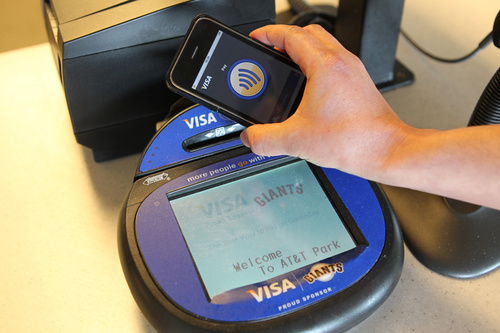
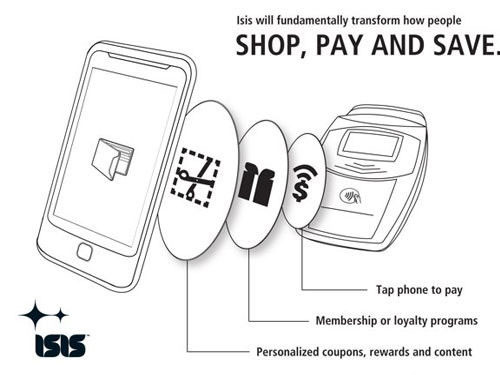
In January, Bloomberg claimed the next-generation iPhone will include NFC (near-field-communication) technology with a “wave-to-pay” system. This last week The Indepedent shot down these claims saying that if NFC appears at all, it won’t be until 2012 alongside the sixth-generation iPhone.
Now, Elizabeth Woyke from Forbes is claiming (via SAI) that according to an Apple employee, the iPhone 5 will in fact feature NFC capabilities.
Just met with an entrepreneur who says the iPhone 5 *will* have NFC…according to his friend, who works at Apple. Huh.
At this point it’s difficult to pinpoint which rumors are true and which are false with so many differences flying around the rumor mill lately. If it means anything Elizabeth Woyke was a bit spotty on her Best Buy gives iPads to all employees post. An NFC capable iPhone also popped up in a T-Mobile presentation slide.
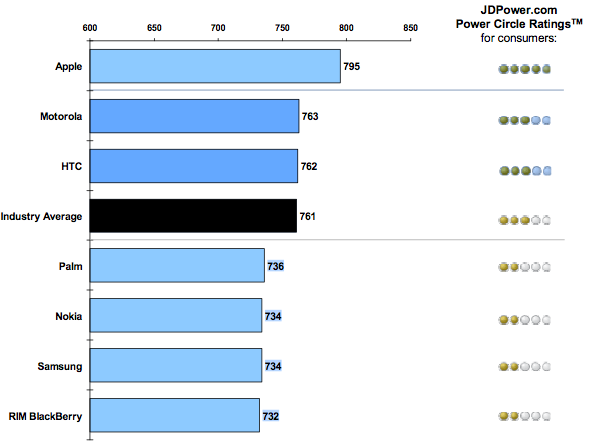
Today, J.D. Power and Associates announced that Apple’s iPhone is once again the smartphone that customers are most satisfied with. This is the fifth consecutive year in which Apple has attained the award and the iPhone earned a score of 795/1000.
Even though this is 5 points shy of Apple’s 800/1000 score from 2010, Apple still came out over competitors Motorola (763) and HTC (762). The J.D. Power survey judges the following categories:
Operation (30%); physical design (30%); features (20%); and battery function (20%). For smartphones, the key factors are: ease of operation (26%); operating system (24%); physical design (23%); features (19%); and battery function (8%).
According to the survey results, the iPhone performs “particularly well” in physical design, ease of use, and the operating system (iOS). Apple’s latest iPhone – iPhone 4 – has been the site of much controversy, mostly having to due with antenna issues.
Apple is expected to unveil a new iPhone – “iPhone 5” in June, for a June/July launch, with faster internals and a similar design to the iPhone 4.
Apple has issued a statement to The Register confirming reports and rumors stating that iOS web apps and embedded web views in iOS applications are throttled and run twice as slow as Safari.
iOS 4.3 includes a new “nitro” web processing engine, which promises to run java script twice as fast as earlier versions of iOS Safari. According to Apple’s iOS feature page:
As you surf the web, your fingers will love the responsiveness of the new Nitro JavaScript engine powering Safari. It runs JavaScript up to twice as fast as in iOS 4.2.2Which means you get more speed behind each page load. And sites with lots of interactive features can appear on your screen even faster.
The only affected users would be users of third-party web browsers that utilize the web engine that Apple provides to developers in Xcode. Full-screen web applications that launch from the iOS homescreen are, of course, affected as well.
We presume that Apple has left out asynchronous mode of execution and other HTML5 goodies, too.
Apple spokesperson Trudy Miller confirms:
The embedded web viewer does not take advantage of Safari’s web performance optimizations.
Apple does not provide a reason as to why this is the case but here is our speculation from the other day:
Of course, Apple has a vested interest in native apps due to a 30 percent cut they take from sales. I’ve argued nearly two years ago that the web is the ultimate app store and it’s true that many native apps are easily replicated with HTML/CSS, especially the stuff like news readers, social networking clients and more. Also important, web apps run on any device with a standards-complaint browser whereas their native counterparts lock you into a specific mobile platform.
Alibaba, the source of many accurate iPad 2 cases, is now seeing some purported “iPhone 5” cases in their listings. The case sellers could easily name the listings whatever they want, but coupled with similar cases from Hard Macwe think they could have some credibility.
These cases show a nearly identical design to the iPhone 4 with camera and LED flash holes on the back of the case, openings on the top for the earphone jack and sleep/wake button, and an opening on the device’s side for the SIM slot. Case manufacturers tend to not leave those ports open in cases.
Adding to these cases are purported engineering images from last week. These images, from a sometimes accurate chinese iPhone parts reseller, also depict an iPhone 4 design, but with a larger display and edge-to-edge glass.
The maker of the widely popular game Doodle Jump, Lima Sky, has announced that the app has surpassed the 10 million download mark since its April 2009 App Store debut. The folks behind this success story are in the middle of producing an iPad-specific version of game with “brand new content.”
After such incredible first two years, it is safe to say Doodle Jump has exceeded even our wildest imaginations,” says Igor Pusenjak, founder of Lima Sky. “We are looking forward to bringing even more amazing content to millions of Doodle Jump fans around the world.
Perhaps the most exciting news from Lima Sky’s announcement is that Doodle Jump is coming to the Microsoft Xbox Kinect. Lima Sky is yet to announce the logistics of that or a launch time frame, but it does sound exciting. Full press release (via Joystiq) is after the break.
The folks at Blendtec, the blender maker that has blended every tech product you have ever heard of, are back at it again and this time have blended the new iPad 2. So will it blend? Watch above to find out.
This is already becoming insane: the iPad 2 is now shipping in 4-5 weeks from the Apple online store. That means if you order an iPad 2 from the online store right now it won’t show up at your door step for over a month. That’s about 11 months before the iPad 3 or less if Apple has a fall surprise up its sleeve.
Shipment times then jumped to 3 weeks to a month a day later, on March 12th, and now we’re at 4-5 weeks (for all 18 models). At this point, if you want an iPad 2, you’re better off calling up and visiting your local Apple Store. Apparently stores are opening up a bit early tomorrow and are getting in some new iPad 2 shipments. (Thanks, Brandon)
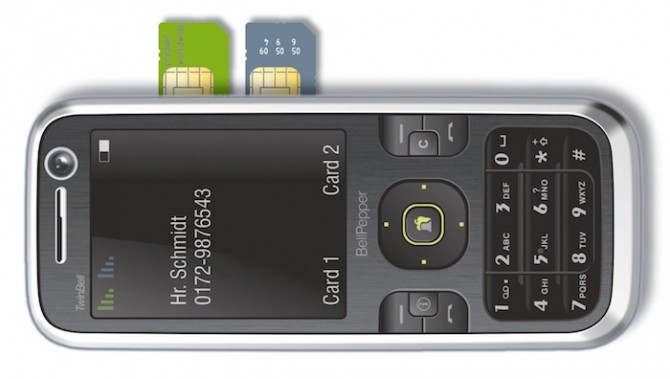
According to iDealsChina the iPhone 5 will not hold one, but two SIM cards to support dual phone lines. This sounds very strange and we think iDealsChina could have misinterpreted the information from their source.
The iPhone 5 is rumored to include a Qualcomm Gobi cellular/data chipset (just like the Verizon iPhone) that allows for both GSM and CDMA connections in the same phone. Perhaps this is what they mean by dual SIM-cards? Perhaps, but they add that the iPhone 5 will support dual phone lines. Expand Expanding Close
According to Anthony Morganti Apple has been so inspired and excited by the latest stream of iPad-optimized magazine applications that they are now working on a magazine-app template for use by developers in Xcode.
Apple’s goal is for any company, essentially, who wants their magazine in digital form for the iPad can have it done. The template will supposedly also allow developers to easily implement back issues and the new in-app-subscription service.
I’m told; “Imagine a guy drawing and writing a comic book. He can’t sell it to Marvel or DC so he hooks up with a programmer and within days, he’s getting his comic book published and sold on iTunes.”
The report claims Apple will implement the new template by the end of the year. This is around the time we can expect iOS 5.1 or 5.2.
According to the Independent, Apple has informed their European iPhone carriers that the next-generation iPhone will not include Near Field Communication (NFC) technology. Apple is reluctant to include the technology and introduce a new “wave and pay” system due a “lack of a clear standard across the industry.”
The iPhone 5 not having NFC technology does not mean Apple isn’t working on their own NFC service for a 2012 launch.
Apple is understood to be working on its own NFC proposition, which would link payments through iTunes. It hopes to introduce the technology in a handset likely to be released next year.
Apple was rumored to include this NFC technology in their just released iPad 2, and that same report from Bloomberg noted the iPhone 5, too, will include the NFC technology. NFC being scrapped as an iPad 2 feature may led credence to the Independent‘s report claiming the feature won’t be showing up in the iPhone 5 either. iLounge, too, previously claimed Apple is working on NFC tech.
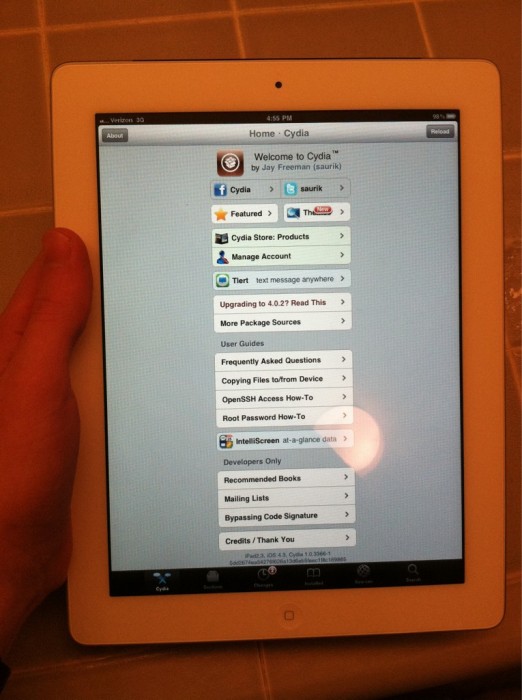
iOS hacker extraordinaire, Comex has done what he does best and has jailbroken Apple’s latest device. Comex has yet to say when the jailbreak will made public, and how it works, but we now at least know the iPad 2 is able to be jailbroken.
Even better is that it looks like the 3G variants of the iPad 2 will have a jailbreak available, too, as Comex’s white iPad 2 is the Verizon version. We’ll be sure to let you all know when and how you will be able to break your iPad 2 free. Oh, and 3G iPad FaceTime?!
Although we already told you the white iPhone 4 will be launching this Spring, there have still been doubts since spring is right before the supposed launch of the next-generation iPhone – “iPhone 5.” This has made some people wonder if Apple would actually launch a new iPhone 4 model right before an entirely new iPhone ships.
Relieving these doubts is Apple’s Senior Vice President of Marketing, Phil Schiller, who via Twitter reaffirmed the “white iPhone” (didn’t say 4) will be launching spring-time this year. A good followup question would be is this device for GSM networks? Or will Verizon (CDMA) gain a white iPhone option as well?
A somewhat accurate analyst recently reported that the white iPhone 4 is currently in production with an April launch month. This follows reported improvements in white painting techniques that were backed up by Apple’s launch of a white iPad 2 this weekend.