AAPL Company

See All Stories

Breaking news from Cupertino. We’ll give you the latest from Apple headquarters and decipher fact from fiction from the rumor mill.
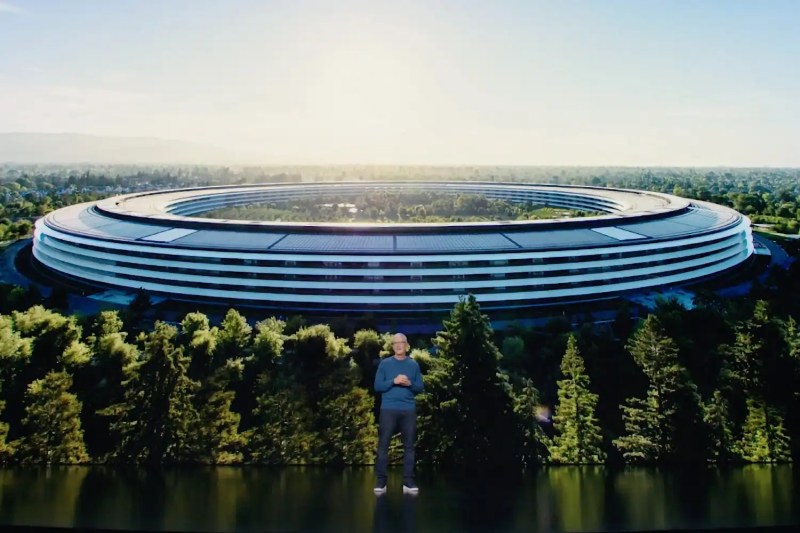
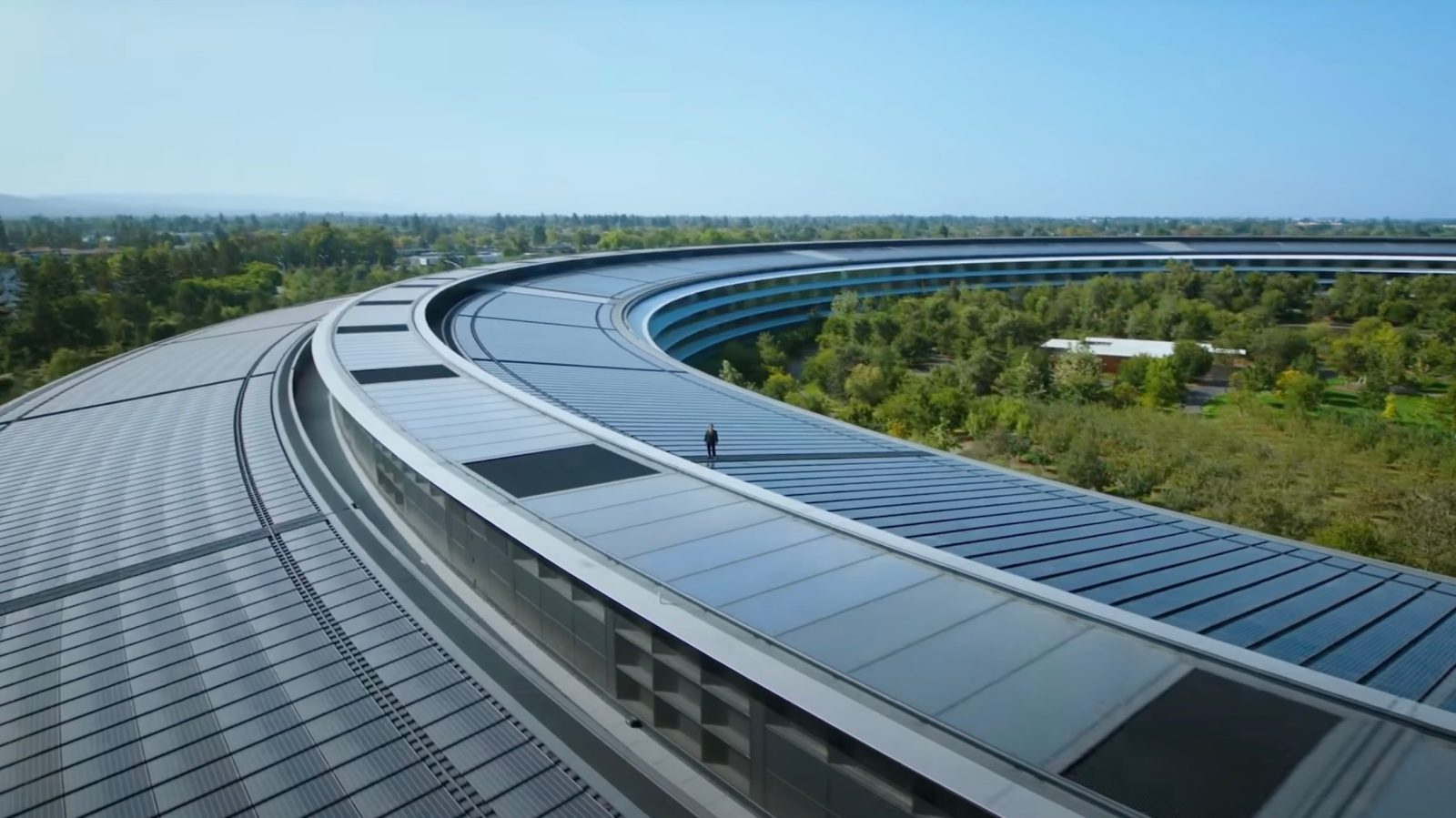
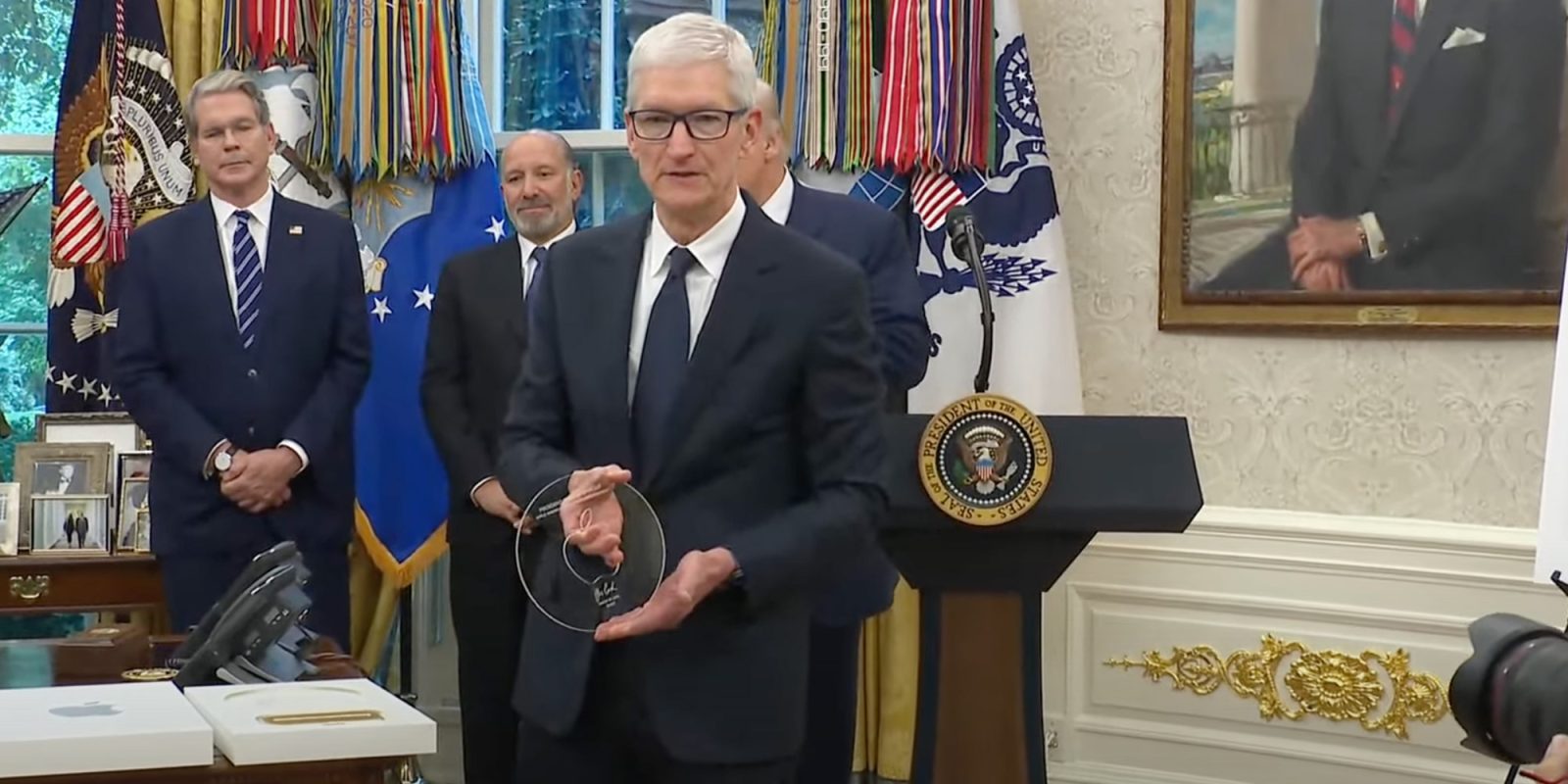
Apple Park Tim Cook AAPL

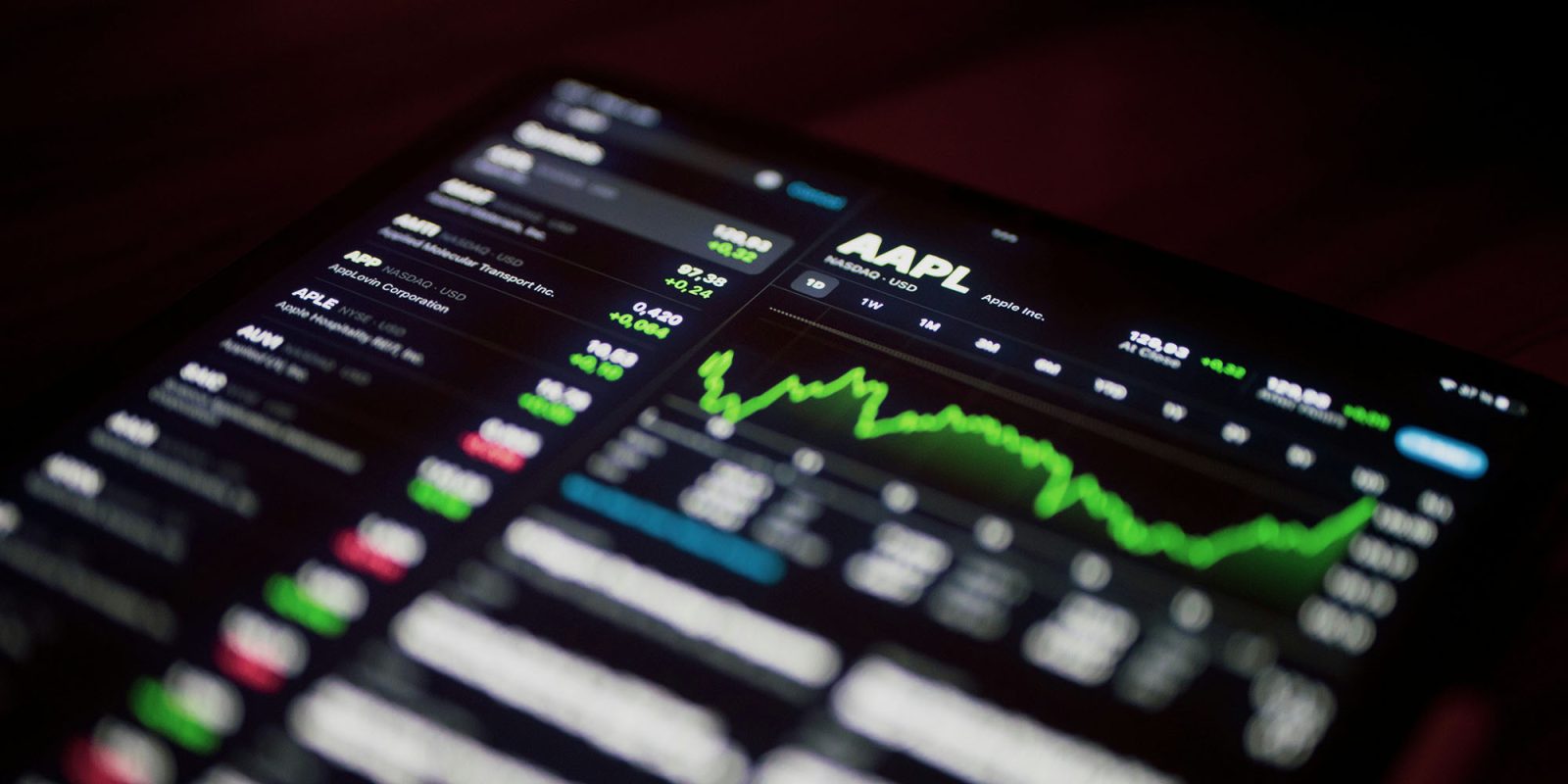
AAPL is a California-based computer company that became the most successful smartphone company in the world.

AAPL defined by Apple

Here’s how Apple defines itself:

Apple revolutionized personal technology with the introduction of the Macintosh in 1984. Today, Apple leads the world in innovation with iPhone, iPad, Mac, Apple Watch, and Apple TV. Apple’s five software platforms — iOS, iPadOS, macOS, watchOS, and tvOS — provide seamless experiences across all Apple devices and empower people with breakthrough services including the App Store, Apple Music, Apple Pay, and iCloud. Apple’s more than 100,000 employees are dedicated to making the best products on earth, and to leaving the world better than we found it.

Key AAPL history

From Apple I to iMac

Apple was founded in 1976 by Steve Jobs (Steve), Steve Wozniak (Woz), and (briefly) Ronald Wayne as a business partnership: Apple Computer Company. The following year it became Apple Computer, Inc. The company’s first product was the Apple I, a personal computer hand-built by Woz and sold in part-completed kit form. The Apple II and Apple III followed.

The modern Apple as we know it today began in 1983, with the launch of the first personal computer with a graphical user interface, the Lisa. Way too expensive to succeed, it was replaced by the Macintosh in 1984, launched with the single showing of a Ridley Scott commercial during the Super Bowl. The Macintosh transformed the world’s understanding of what a computer was, and would eventually lead to Microsoft adopting the GUI approach.

Steve Jobs and then Apple-CEO John Scully fell out in 1985, when Steve wanted to focus on the Macintosh while Scully wanted to put more attention on the Apple II, which was still selling well. That led to Steve being forced out of the company and going off to form NeXT.

Apple focused on selling Macintosh models at the highest possible margins, but would eventually fall foul of a mix of unsustainable pricing in the face of competition from Windows machines, and an overly complex product lineup. By 1996, the company was in trouble, and in 1997 Steve was brought back, along with the NeXT operating system, which would eventually form the basis of Mac OS X.

Steve simplified the Mac lineup and had industrial designer Jony Ive work on a whole new look for a consumer desktop Mac, the colorful iMac. The iMac, like the original Macintosh, again changed the world’s understanding of what a computer was, and who should want one.

From Apple Computer, Inc. to Apple, Inc.

In 2001, Apple launched the iPod. Although this wasn’t the first mp3 player, it was massively better than anything on the market at the time, and succeeded in turning a geeky piece of technology into a consumer electronics product with mass-market appeal.

The success of the iPod paved the way into other mobile devices. Apple was working on what would eventually become the iPad, when Steve realized that this was the basis of a smartphone. He diverted the team’s work into this, to launch the iPhone in 2007. The iPad launched later, in 2010.

The iPhone was yet another transformational product. While most other smartphones of the time were clunky devices with a keyboard and stylus, the iPhone was a sleek-looking device operated with a finger, and so simple that no user guide was needed. It was with the launch of the iPhone that Apple Computer, Inc. was renamed to Apple, Inc.

From Intel to Apple Silicon

While the iPhone, iPad, Apple Watch, and more are made with Apple-designed processors, the Mac lineup has historically relied on third-party companies for its CPUs. Over the years, Macs progressed from Motorola 680000 series chips through PowerPC to Intel.

In 2020, Apple began a two-year transition to the final stage in that journey, with Macs too finally getting Apple-designed chips. The first such is the M1 chip, used in the latest Mac mini, MacBook Air, and 13-inch MacBook Pro. Other Apple Silicon Macs followed.

AAPL today

Apple is one of the largest companies in the world. It was the first publicly traded company to hit a trillion-dollar valuation in 2018, $2 trillion in 2020, and $3T in 2022.

The company’s product lineup includes five different Mac families (MacBook Air, MacBook Pro, iMac, Mac Pro, and Mac mini); four iPad ranges (iPad mini, iPad, iPad Air, iPad Pro); four iPhone 12 models (12, 12 mini, 12 Pro, 12 Pro Max); three main Apple Watch models (SE, Series 3, Series 6); as well as other products, including Apple TV, AirPods, and HomePod mini.

In addition to hardware sales, Apple derives a growing proportion of its income from Services, including the App Store, iCloud, Apple Music, and Apple Pay.

Funding restored for crucial cybersecurity program, but uncertainty remains

Funding restored for crucial cybersecurity program, but uncertainty remains | Code viewed on a MacBook Pro next to an iPhone

Federal funding has been restored for a crucial cybersecurity program used by Apple and other tech giants, in a last-minute U-turn. Security experts had described the original decision to remove funding as stupid, dangerous, and chaotic.

However, the future of the Common Vulnerabilities and Exposures (CVE) program remains uncertain, despite its role in helping tech giants identify and fix security holes found in their products …

Expand Expanding Close

The iPhone allows anyone to create award-winning films, says Apple

The iPhone allows anyone to create award-winning films, says Apple | The Blackmagic Camera app on iPhone 16 Pro Max

Apple has highlighted comments from award-winning filmmakers pointing to the benefits of shooting on iPhone – from speed and flexibility, to the sheer accessibility of the device.

One of them says the ability of anyone with an iPhone to create a credible short film means that we’re now “living in the age of democracy in filmmaking” …

Expand Expanding Close

CVE security program used by Apple and others has funding removed [U]

CVE security program used by Apple and others under immediate threat | MacBook connected to a hard drive caddy

The CVE security program used to track vulnerabilities in both hardware and software has had its federal funding removed with immediate effect. Apple is one of a number of tech giants who rely on the Common Vulnerabilities and Exposures (CVE) program to identify security flaws in their products.

Update: CVE board members have responded by announcing a new non-profit known as the CVE Foundation, intended to continue the work – more at the end …

Expand Expanding Close

Leaker vaguely comments on under-screen camera in iPhone Fold [U]

iPhone Fold will have Face ID embedded in the display – leaker | 9to5Mac mockup

We’ve been hearing about a foldable iPhone for a great many years, but things do finally seem to be solidifying, with an iPhone Fold now expected to launch next year. The latest report indicates that it will have another long-awaited feature: Face ID embedded beneath the display.

Update: In a follow-up post, the same leaker has stated that this is not expected, but with an unexplained reference to an “internal screen test” of an “under-screen camera” …

Expand Expanding Close

Former Apple engineer on why iPhones cannot be made in the US

Former Apple engineer on why iPhones cannot be made in the US | Huge 'No' from (unrelated) Apple presentation

Trump’s rationale for his threatened tariffs is to force companies to manufacture in the US. He’s cited the example of Apple making iPhones in the US, and even recently claimed that the company plans to do so.

Apple has explained many times why it simply wouldn’t be practical to do this, with CEO Tim Cook doing so a full decade ago. Analysts, supply-chain experts, and a former Apple engineer have all added their weight to the view that it simply isn’t possible, and wouldn’t help even if it were …

Expand Expanding Close

Three reasons Apple tariffs absolutely won’t be reapplied

Three reasons Apple tariffs absolutely won't be reapplied | Stock image of a graph showing plunging values

Let’s see, where are we in the Trump tariff saga? After the White House increased tariffs on Chinese imports <counts> five times in the space of nine weeks, we then got a “pause” and an exemption on consumer electronics products – before the latest development.

Namely, the White House yesterday said that the exemption, which covers all Apple products, was only a temporary one, lasting 1-2 months. However, there are three reasons why this is exceedingly unlikely to be true …

Expand Expanding Close

Tim Cook is dead set on beating Meta to ‘industry-leading’ AR glasses: report

Meta's new AR glasses are what I want for the future of Apple Vision

Tim Cook really wants Apple to make true AR glasses. He “cares about nothing else”, according to an Apple engineer. That said, building true AR glasses will take a lot of time.

According to Bloomberg’s Mark Gurman though, Apple is developing “its own glasses with cameras and microphones” in the meanwhile, similar to Meta Ray-Bans. Despite this interim product, AR glasses are Tim Cook’s “top priority.”

Expand Expanding Close

Here’s what Trump’s ‘reciprocal’ tariffs could’ve meant for Apple product pricing

White House advisory panel calls for digital training

This morning, Bloomberg reported that tech imports would be excluded from the Trump administrations 125% “reciprocal” China tariff. To be specific, this includes “smartphones, laptop computers, hard drives and computer processors and memory chips.” In short, Apple doesn’t really have something to worry about anymore – at least for now. The initial 20% tariff for the “fentanyl crisis” is still in place, however.

While we are safe from imminent price hikes for now, an additional 125% tariff on China would’ve been extremely damaging. Here’s a quick overview bullet we just dodged.

Expand Expanding Close

Apple stock soared over 15% today ahead of possible tariff exemptions

Apple stock post-tariff announcement

It’s been a wild day for the global economy. Amid US tariff turmoil and reversals, the stock market went on quite the ride. After nearly a week of big losses, Apple stock rebounded significantly with more than 15% in gains—a result not only of the current tariff pause, but likely also exemption optimism thanks to new comments from President Trump.

Expand Expanding Close

These Apple products may receive price hikes as Trump’s China tariff rises to 145%

President Trump may have announced a 90-day tariff pause on most countries earlier today, but China isn’t one of them. In fact, the China tariff increased from 104% to 125%, effective immediately.

In case you haven’t been keeping track, the China tariff started off at 20%. Then, in a matter of a week, it became 54%, then 104%, and now 125%.

Update 4/10: The tariff on imports from China is now 145%.

Expand Expanding Close

Trump enacts 90-day pause for most tariffs, but raises China’s to 125%

Tim Cook's Trump strategy is simple but other CEOs may struggle to copy it | Trump at White House podium

Today was the first day that huge tariffs went into effect for most US imports, but it seems the impact will be short-lived—at least for many. President Trump has just enacted a 90-day pause on the most severe of the tariffs, with China a major exception. As a result, risk to Apple may be lessened, but they certainly aren’t in the clear.

Expand Expanding Close

Analyst believes Apple will ‘absorb most of the cost’ of tariffs, but price hikes still coming

Apple logo on top of lots of money

Massive tariffs imposed by President Trump on the rest of the globe went into effect today. Amidst significant economic uncertainty, many are wondering what this means for the cost of goods in the US—including Apple’s products like the iPhone. One analyst lays out Apple’s tariff response options, and his belief that costs may not rise too badly for consumers.

Expand Expanding Close

Apple is racing to fly planes of iPhones into the US ahead of Trump’s tariffs

With the full breadth of Trump’s tariffs slated to kick in on Wednesday, Apple is racing to brace for impact. A new report from The Times of India today says that part of Apple’s strategy to limit the impact of these tariffs is to stockpile as much inventory as possible in the United States…

According to senior Indian officials cited in the report, Apple flew five planes full of iPhones and other products from India and China “in just three days during the final week of March.”

Expand Expanding Close

The UK can’t keep its encryption battle with Apple secret, court says

The UK won’t be able to keep its fight with Apple over end-to-end encryption secret after all. As reported by the BBC, tribunal judges on Monday rejected the government’s request to keep details of the battle private, saying: “It would have been a truly extraordinary step to conduct a hearing entirely in secret without any public revelation of the fact that a hearing was taking place.”

Expand Expanding Close

Here’s how much it costs Apple to make an iPhone 16 Pro, and how Trump’s tariffs will change that

iPhone 16 vs 16 Pro cameras comparison

There has been a lot of speculation about how high Apple might raise iPhone prices in response to Trump’s tariffs. A new report from The Wall Street Journal, however, offers the most realistic look yet at what it currently costs Apple to make the iPhone 16 Pro and how that could change thanks to Trump’s tariffs.

Expand Expanding Close

New report lays out potential plan for Apple to ‘soften the blow’ of imminent US tariffs

Apple named Fortune's Most Admired Company for 18th year running | Apple Park campus seen from the air

Last week, the Trump administration announced an extreme tariff plan on essentially every other nation in the world. This would make imports far more costly, and as a result, Apple’s stock fell nearly 10% on the news. Given the fact that everything about Apple’s supply chain relies on strategic overseas manufacturing, this is awful news for the company.

However, Bloomberg’s Mark Gurman lays out some ideas on how Apple could mitigate these tariffs.

Expand Expanding Close