AAPL Company

See All Stories

Breaking news from Cupertino. We’ll give you the latest from Apple headquarters and decipher fact from fiction from the rumor mill.
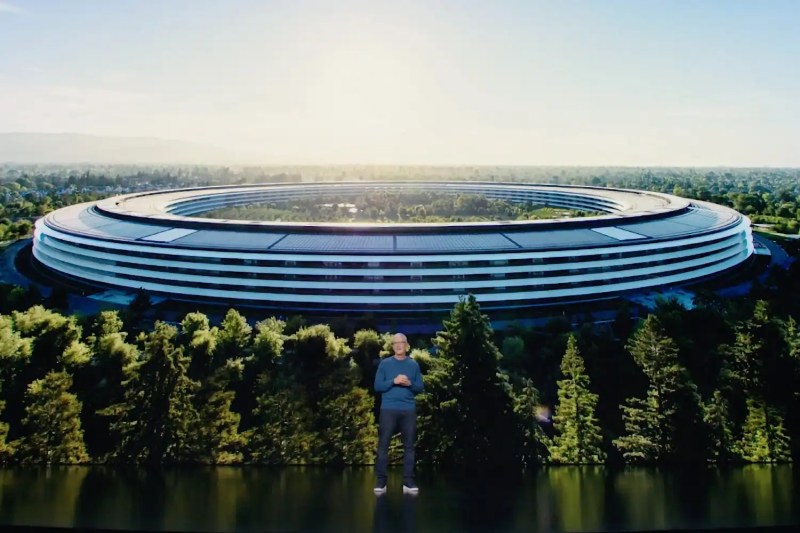
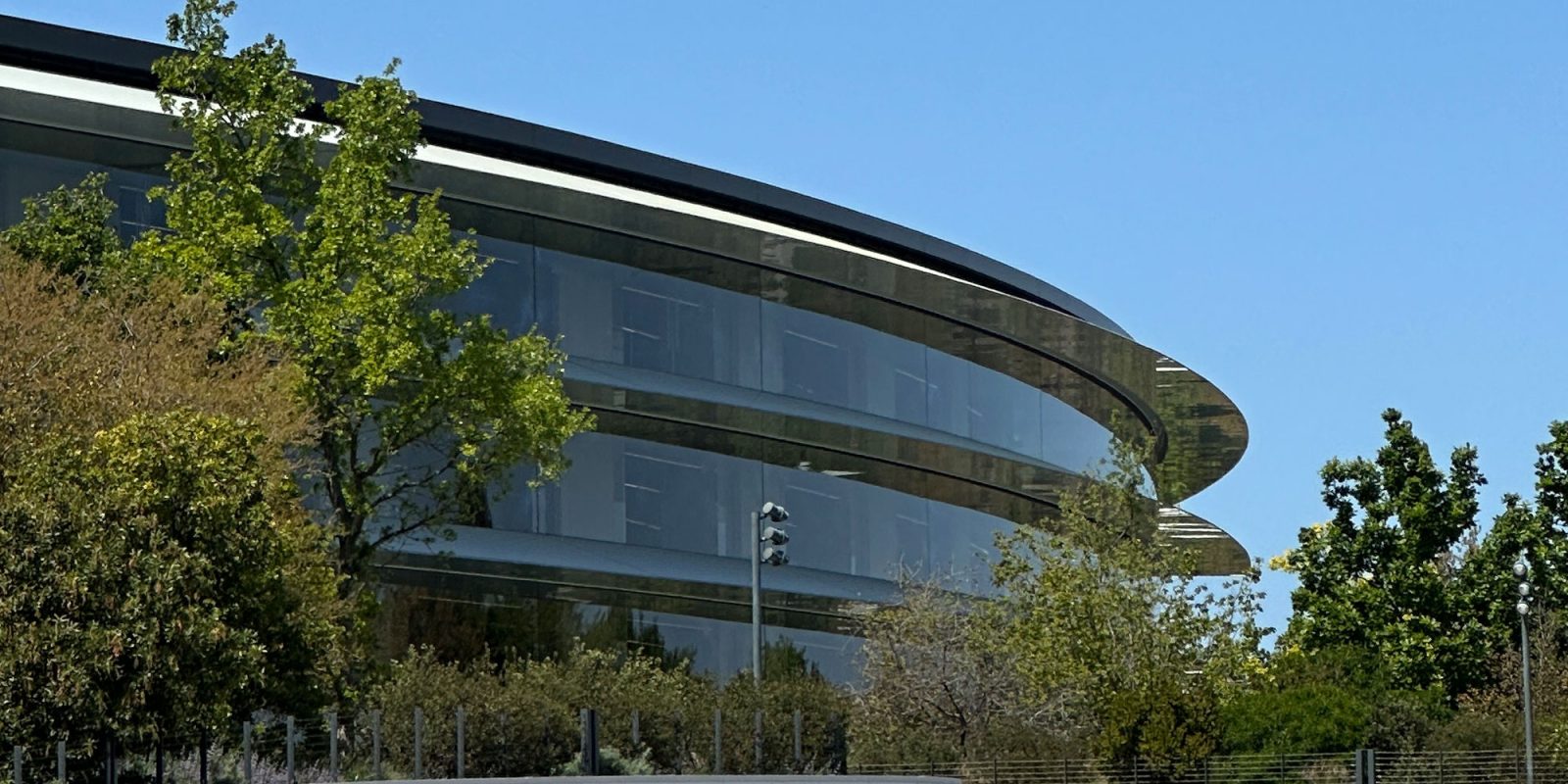
Apple Park Tim Cook AAPL

AAPL is a California-based computer company that became the most successful smartphone company in the world.

AAPL defined by Apple

Here’s how Apple defines itself:

Apple revolutionized personal technology with the introduction of the Macintosh in 1984. Today, Apple leads the world in innovation with iPhone, iPad, Mac, Apple Watch, and Apple TV. Apple’s five software platforms — iOS, iPadOS, macOS, watchOS, and tvOS — provide seamless experiences across all Apple devices and empower people with breakthrough services including the App Store, Apple Music, Apple Pay, and iCloud. Apple’s more than 100,000 employees are dedicated to making the best products on earth, and to leaving the world better than we found it.

Key AAPL history

From Apple I to iMac

Apple was founded in 1976 by Steve Jobs (Steve), Steve Wozniak (Woz), and (briefly) Ronald Wayne as a business partnership: Apple Computer Company. The following year it became Apple Computer, Inc. The company’s first product was the Apple I, a personal computer hand-built by Woz and sold in part-completed kit form. The Apple II and Apple III followed.

The modern Apple as we know it today began in 1983, with the launch of the first personal computer with a graphical user interface, the Lisa. Way too expensive to succeed, it was replaced by the Macintosh in 1984, launched with the single showing of a Ridley Scott commercial during the Super Bowl. The Macintosh transformed the world’s understanding of what a computer was, and would eventually lead to Microsoft adopting the GUI approach.

Steve Jobs and then Apple-CEO John Scully fell out in 1985, when Steve wanted to focus on the Macintosh while Scully wanted to put more attention on the Apple II, which was still selling well. That led to Steve being forced out of the company and going off to form NeXT.

Apple focused on selling Macintosh models at the highest possible margins, but would eventually fall foul of a mix of unsustainable pricing in the face of competition from Windows machines, and an overly complex product lineup. By 1996, the company was in trouble, and in 1997 Steve was brought back, along with the NeXT operating system, which would eventually form the basis of Mac OS X.

Steve simplified the Mac lineup and had industrial designer Jony Ive work on a whole new look for a consumer desktop Mac, the colorful iMac. The iMac, like the original Macintosh, again changed the world’s understanding of what a computer was, and who should want one.

From Apple Computer, Inc. to Apple, Inc.

In 2001, Apple launched the iPod. Although this wasn’t the first mp3 player, it was massively better than anything on the market at the time, and succeeded in turning a geeky piece of technology into a consumer electronics product with mass-market appeal.

The success of the iPod paved the way into other mobile devices. Apple was working on what would eventually become the iPad, when Steve realized that this was the basis of a smartphone. He diverted the team’s work into this, to launch the iPhone in 2007. The iPad launched later, in 2010.

The iPhone was yet another transformational product. While most other smartphones of the time were clunky devices with a keyboard and stylus, the iPhone was a sleek-looking device operated with a finger, and so simple that no user guide was needed. It was with the launch of the iPhone that Apple Computer, Inc. was renamed to Apple, Inc.

From Intel to Apple Silicon

While the iPhone, iPad, Apple Watch, and more are made with Apple-designed processors, the Mac lineup has historically relied on third-party companies for its CPUs. Over the years, Macs progressed from Motorola 680000 series chips through PowerPC to Intel.

In 2020, Apple began a two-year transition to the final stage in that journey, with Macs too finally getting Apple-designed chips. The first such is the M1 chip, used in the latest Mac mini, MacBook Air, and 13-inch MacBook Pro. Other Apple Silicon Macs followed.

AAPL today

Apple is one of the largest companies in the world. It was the first publicly traded company to hit a trillion-dollar valuation in 2018, $2 trillion in 2020, and $3T in 2022.

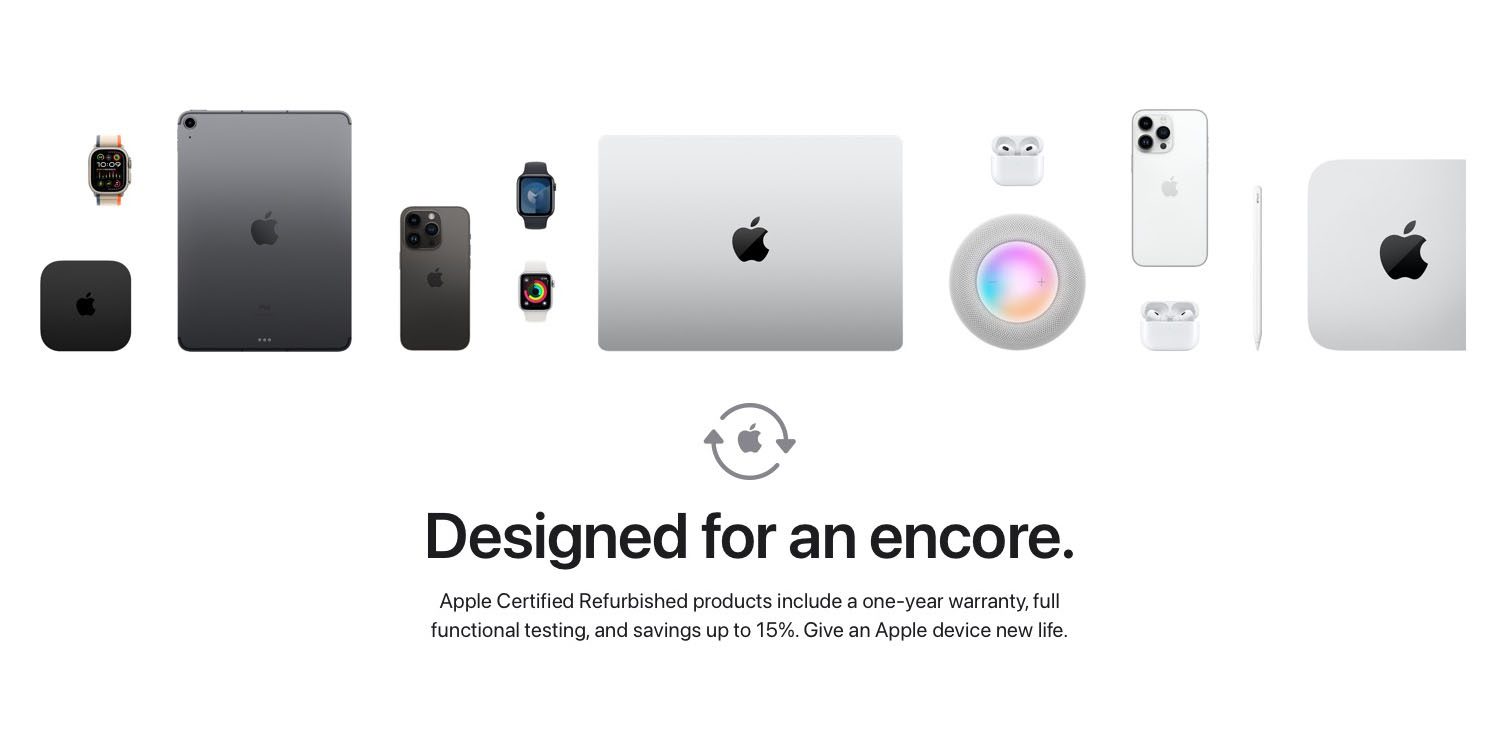
The company’s product lineup includes five different Mac families (MacBook Air, MacBook Pro, iMac, Mac Pro, and Mac mini); four iPad ranges (iPad mini, iPad, iPad Air, iPad Pro); four iPhone 12 models (12, 12 mini, 12 Pro, 12 Pro Max); three main Apple Watch models (SE, Series 3, Series 6); as well as other products, including Apple TV, AirPods, and HomePod mini.

In addition to hardware sales, Apple derives a growing proportion of its income from Services, including the App Store, iCloud, Apple Music, and Apple Pay.

Apple paid $1.2M to privately hire police to protect its San Francisco stores – Wired

Apple paid $1.2M to privately hire police to protect its San Francisco stores – Wired | Stock photo shows a police officer photographed from behind

A new report says Apple paid more than $1.2 million in one year to privately hire police to protect three of its San Francisco retail stores. The payment was said to have been made through a private security company.

San Francisco allows private companies to pay police officers to protect their shops and offices, and the report says that many tech companies take advantage of this …

Expand Expanding Close

Here’s why the Apple Ultra rumors make sense to me

Here's why the Apple Ultra rumors make sense, for company and customers alike | Image shows the Apple logo embedded into a rounded glass block

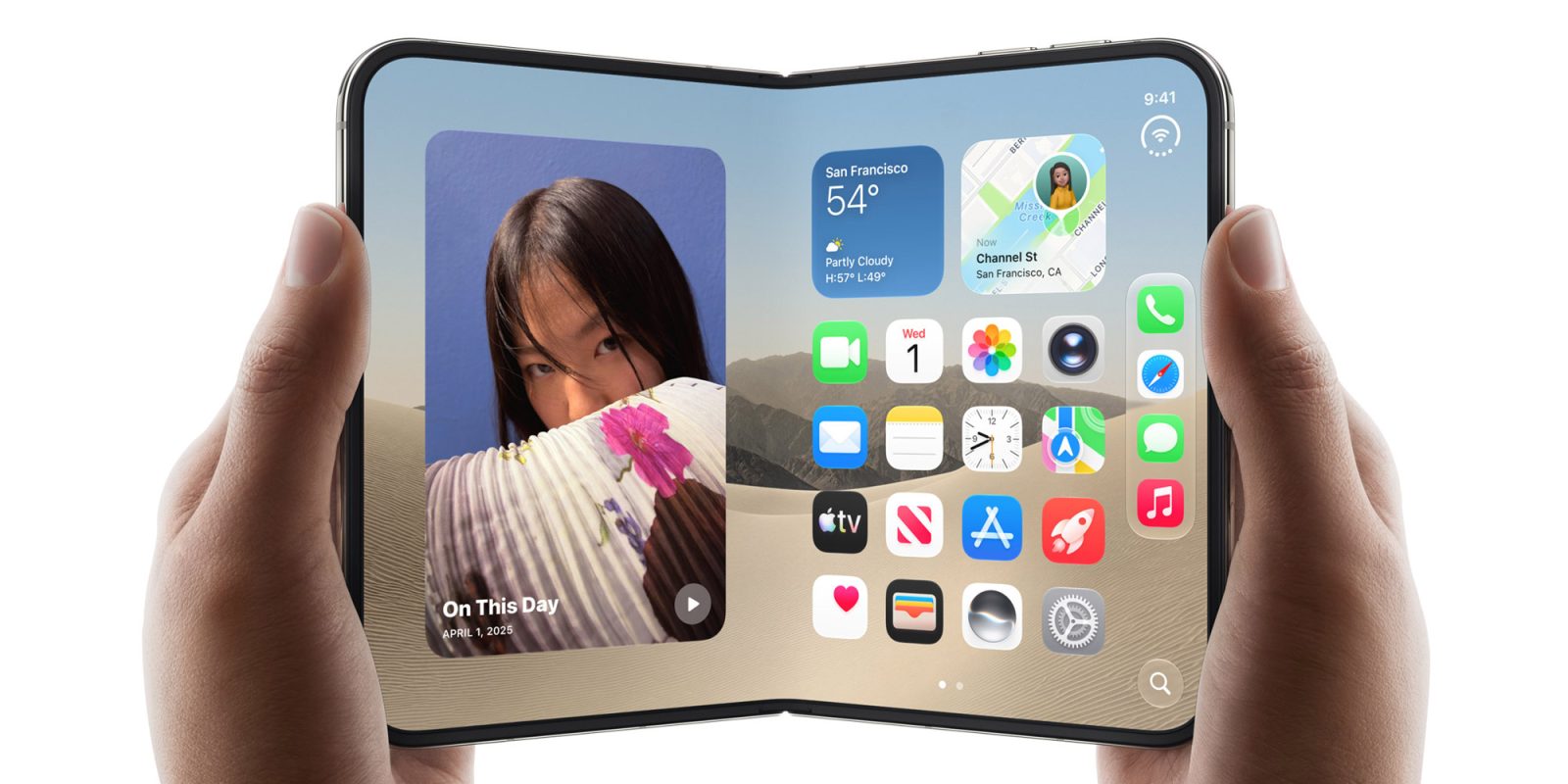
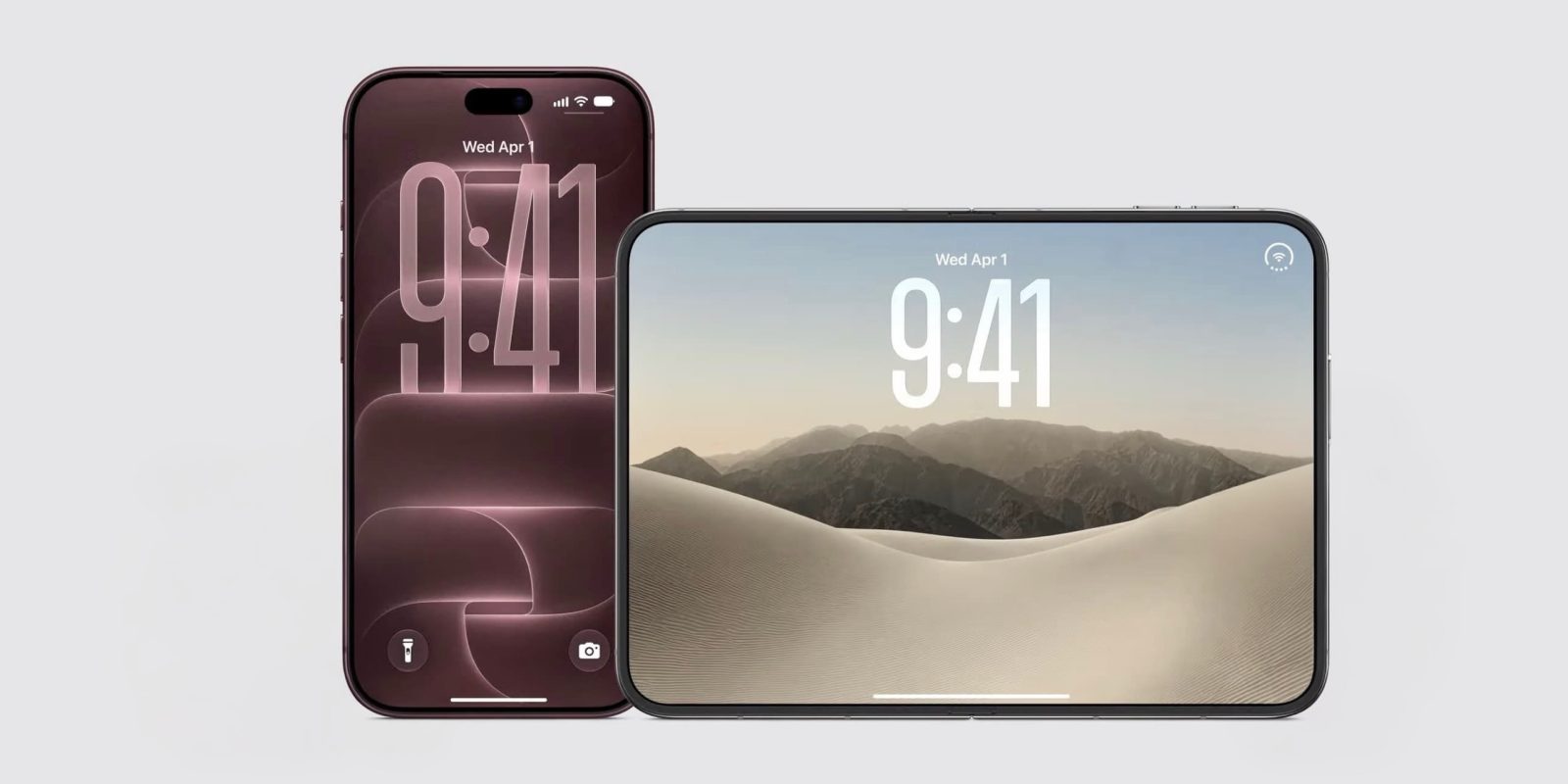
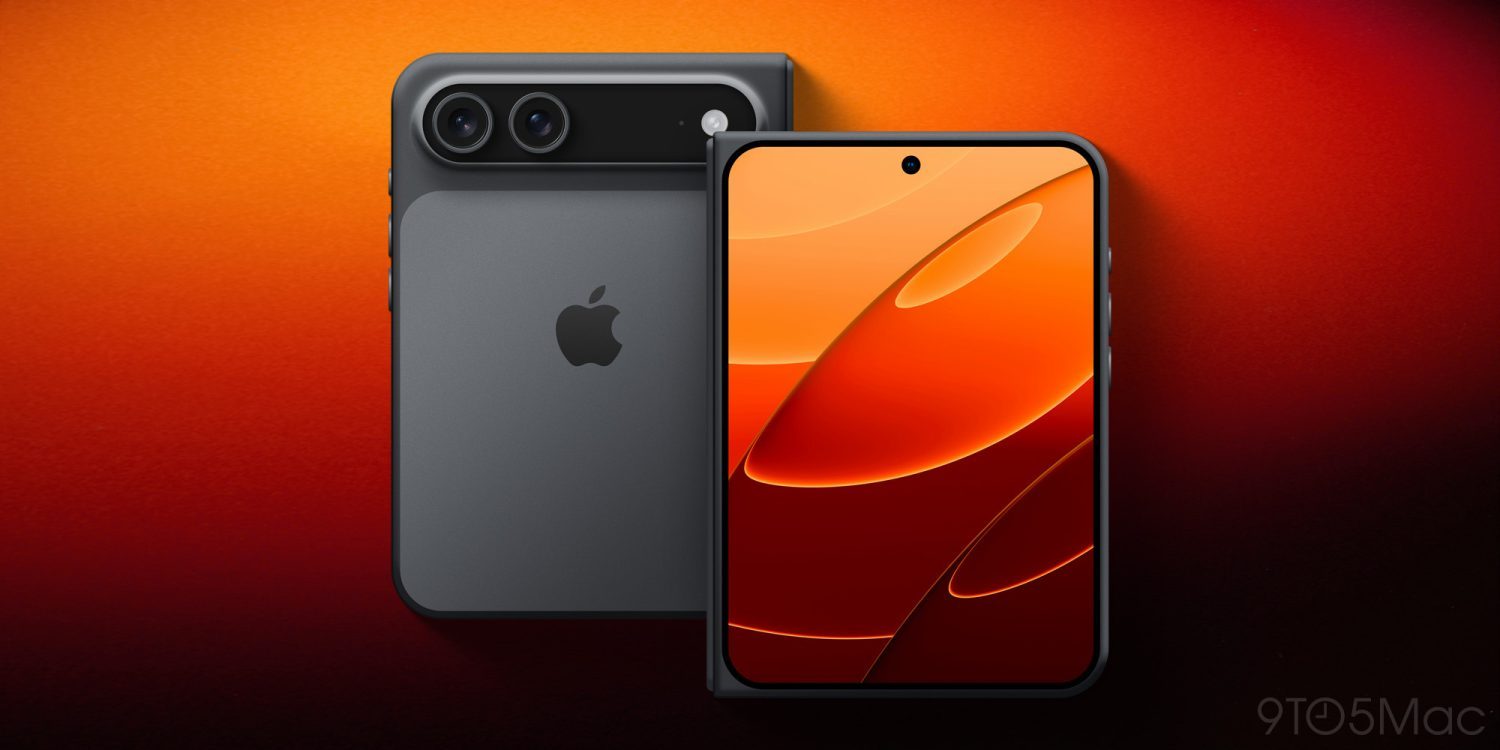
A report yesterday suggested that we may be seeing a succession of Apple Ultra products, including the upcoming folding iPhone and an M6-powered MacBook. So far, of course, we’ve only seen the branding used for an Apple Watch.

It may potentially be pointing to a new tier of Apple products across almost the company’s entire range of devices, and to me that would make sense for both the company and its customers …

Expand Expanding Close

Apple accused of discriminating against unionized Towson workers [U]

Update, April 28 1:12 a.m. ET: Apple reached out to 9to5Mac with more information, which you can find below the original post.

Following Apple’s decision to close its first-ever unionized store, the International Association of Machinists and Aerospace Workers (IAM Union) has filed an unfair labor practice charge with the National Labor Relations Board. Here are the details.

Expand Expanding Close

John Ternus could borrow from Microsoft’s playbook to reinvigorate Apple

Microsoft recently announced something rather interesting – a voluntary employee buyout. In short, if your age and tenure at the company add up to 70 or greater, you’re able to voluntarily leave the company, retire early, and receive a (likely) hefty payout.

It’s a less hostile form of layoffs, and while I don’t think Apple would implement it for the same reasons as Microsoft, I think it could serve a unique purpose for transforming the company.

Expand Expanding Close

Tim Cook tells employees why he chose to step down now, what’s next for him

Apple’s Tim Cook and John Ternus held an all-hands meeting with employees today in Steve Jobs Theater at Apple Park, according to Bloomberg. The meeting comes one day after the announcement that Ternus will take over as Apple CEO later this year.

During the meeting, Cook offered more insight into why he decided to begin the transition now — and what his plans are for his role as Apple’s executive chairman.

Expand Expanding Close

Reflecting on when Steve Jobs passed the Apple CEO torch to Tim Cook

Apple CEO Tim Cook is giving up the title and passing the torch to John Ternus on September 1.

Unsurprisingly, Cook is taking on the role of board executive chairman, a position in which Cook is expected to remain very active as Apple’s chief global diplomat. Retiring as CEO? Yes. But retiring into the sunset? Hardly. You can take Tim at his word when he says he can’t imagine life without Apple.

As Apple’s CEO transition shifts into the public-facing phase, I couldn’t help but revisit some of the official press material from the previous changing of the guard.

That happened under very different circumstances, of course, with Steve Jobs at the end of his life. It’s incredibly touching to revisit now. There are also echoes of Steve’s endorsement of Tim Cook in Tim’s endorsement of the next Apple CEO, John Ternus.

Expand Expanding Close

Who is John Ternus? Everything you need to know about Apple’s next CEO

This is Ternus' biggest challenge, as he and Cook notch up key win | Image shows John Ternus with an Apple logo

Apple announced Monday that Tim Cook will step down as CEO later this year, with John Ternus set to take over on September 1. Ternus has been at Apple for over 25 years and has played a pivotal role in every Apple product category since joining.

Here’s everything you need to know about Apple’s next CEO, widely described as a “super nice guy” with an engineering and product background.

Expand Expanding Close

Tim Cook retirement ‘leak’ worked perfectly in predicting reactions

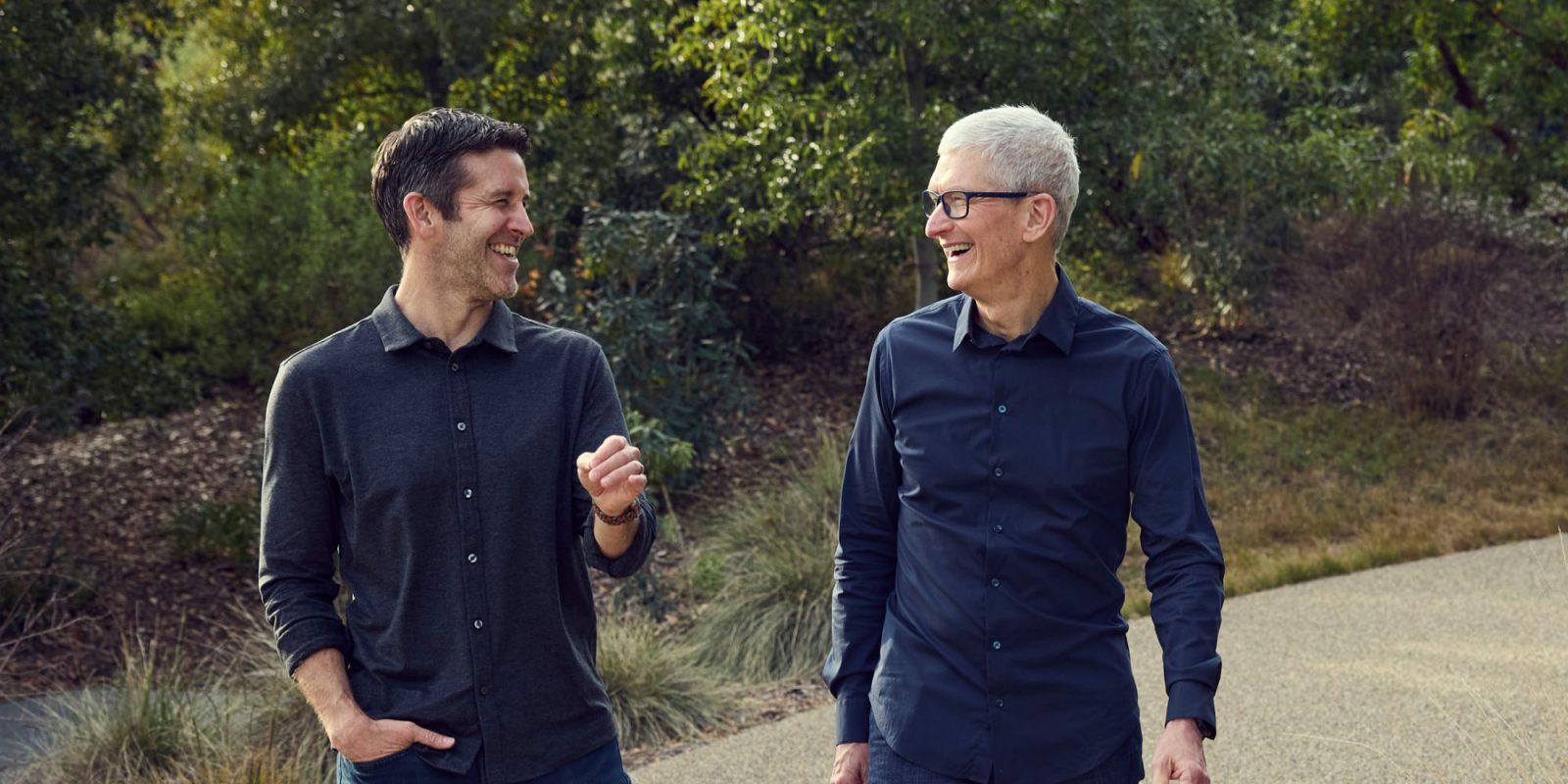
Tim Cook retirement 'leak' worked perfectly in predicting reactions | John Turner is walking with Tim Cook with a checkmark on the right

A supposed Tim Cook retirement leak late last year indicated that hardware head John Ternus was Apple’s planned successor and that the announcement would be made ahead of WWDC 2026 in June.

I wrote at the time that this was very clearly a trial balloon by the company in order to test reaction to the plan, and we can now see that this indeed paved the way for yesterday’s announcement

Expand Expanding Close