Antitrust

See All Stories

There are growing concerns that Apple could be facing an anti-trust investigation by the US Department of Justice.
Apple faces antitrust worries

What does antitrust mean?

In most jurisdictions around the world, it is illegal for large companies to band together to form agreements or “trusts” to behave in a particular way – for example, to all sell their products for the same high price. Laws designed to outlaw this type of behavior are called antitrust legislation.

However, the term is used more generally to refer to laws designed to prevent companies from engaging in any kind of anti-competitive action – that is, do anything that would tend to artificially distort competition within a market.

One common myth is that antitrust laws only apply to monopolies. This is very much not the case: They apply to any company large enough to have a dominant position in any market. As we shall see below, the definition of the word “market” can be crucial to deciding whether antitrust concerns arise.

Why is Apple facing antitrust investigations?

First, Apple is a very large company, and it would be very easy for a company of that size to commit antitrust violations, so it is to be expected that any massive corporation would be put under the antitrust microscope.

But in Apple’s case, there are some more specific concerns based on the company”s market dominance in particular areas. These are addressed below.

What are the antitrust concerns with Apple?

There are a number of different ones, in areas as diverse as ad tracking and Sign In With Apple, but here are three of the main ones.

The App Store

The biggest antitrust concern is the App Store.

Apple argues that it does not have a dominant position in this market, as it considers the relevant market to be either “smartphones” or “apps.” Since the company holds a minority share of the smartphone market in most of the countries in which it operates, it believes it cannot be considered to have a dominant position.

Competition regulators tend to take the view that the relevant market is “iOS apps,” and here Apple has a 100% monopoly on their sale and distribution. Edge cases aside, there is no way for a developer to bring an iOS app to market without selling it through the App Store.

Companies like Epic Games argue that they should be allowed to sell in-app purchases without Apple taking a cut of their revenue. The argument here is that Apple harms developers by taking part of their income, and consumers by forcing developers to charge more to make up for Apple’s cut. Apple, in response, says that it is perfectly normal for a company to take a cut of the sales it facilitates.

Default apps

Additionally, some companies accuse Apple of anti-competitive behavior by giving its own apps advantages over third-party ones.

One way that Apple does this, they say, is by pre-installing its own apps. For example, when the Apple Weather app is already installed on an iPhone when you buy it, then Apple’s own app has an obvious advantage over a competing app.

There is overlap here with the App Store concerns. For example, Apple Music and Spotify are competitors, but not only is Apple Music preinstalled, you can subscribe from within the app. If Spotify offered this same ability, it would have to pay Apple a 30% cut. Spotify can’t afford this, so users are forced to take a more long-winded route to subscription, which gives Apple Music an additional competitive advantage.

Relationships with carriers and retailers

Apple has also been found guilty in more than one country of exploiting a dominant position within the smartphone market to place undue demands on carriers and retailers.

Because the popularity of iPhones meant carriers had to sell them, Apple was able to dictate terms. In South Korea, for example, it was accused of imposing three onerous conditions on local carriers:

  • Carriers had to buy minimum quantities of each model, dictated by Apple
  • Carriers had to share the cost of warranty repairs or replacements
  • Carriers had to pay to run Apple’s own TV ads for the iPhone

Budget-focused carriers might, for example, want to buy only older and cheaper models, as that’s what their customers want, but Apple would force them to buy flagship models, too. And if a phone proved faulty, Apple wouldn’t just replace it, but would oblige carriers to meet some of the costs. Finally, although carriers had to pay the full cost of running iPhone ads on TV, they were only allowed to use Apple’s own ads, and the only thing they were permitted to change was adding their own logo to the final frame.

Additional areas of concern range from Apple Pay to a 4K video codec alliance!

What could happen to Apple as a result?

Antitrust outcomes will usually happen on a country-by-country basis, though there are exceptions. In Europe, for example, it is likely that the European Union will act as a bloc, and that any legislation applying to Apple will apply across all 27 member countries.

The worst-case scenario for Apple is for the US government to call for the breakup of the company. For example, it might be ruled that Apple Inc cannot run an App Store while also selling the iPhones on which those apps run. This is not a likely outcome, however.

A more likely scenario is a series of smaller changes. For example, Apple might be required to appoint an independent oversight board to carry out app reviews, or that it must allow Spotify to offer in-app subscriptions without taking a cut.

How is Apple responding?

In public, Apple’s stance is an outraged one, arguing that it does not have a dominant position and is doing nothing wrong. Behind closed doors, the company is aware that it either has to change some of its practices, or be forced to do so by law.

For example, while publicly declaring that a 30% commission on apps was industry standard, Apple made a massive U-turn by introducing the Small Business Program, with a 15% commission instead. Although touted as applying to the smallest developers, it in fact applies to 98% of them. It would be more accurate to say that the App Store now has a standard commission rate of 15%, with a higher 30% rate applying only to a tiny minority of companies.

The company has also quietly made a number of other changes in direct response to antitrust concerns, for example, opening up the Find My app to third-party accessories, and allowing people to change their default email app and web browser.

However, Apple is still sticking its head in the sand and hoping the issue will go away – when it absolutely won’t.

App Association sponsorship claimed to give Apple undue influence without membership

Site default logo image

Apple gets caught up in all kinds of controversy, from antitrust issues to advertising, but one of the stranger ones concerns the company’s involvement with The App Association.

A piece this morning claims that the company exerts significant influence over a body designed to represent developers, when their interests may be at odds with those of the App Store owner …

Expand Expanding Close

DOJ antitrust lawyers ask for 10 minutes to speak in Epic’s favor at upcoming appeal

Site default logo image

DOJ antitrust lawyers have asked to make 10 minutes of oral argument during the upcoming Apple versus Epic Games appeal. The Department of Justice wants to follow up its previous written brief, which argues that the court erred in finding mostly in Apple’s favor.

Technically, the DOJ isn’t appearing for either side, but the argument it makes supports Epic’s contention that the App Store is in breach of antitrust laws …

Expand Expanding Close

DOJ antitrust action against Google could see Apple lose billions of dollars a year

DOJ antitrust action | Gold bars

A DOJ antitrust action against Google could see Apple lose billions of dollars a year from its Services revenue. The Department of Justice (DOJ) is challenging the legality of Google paying the Cupertino company a huge sum to remain the default search engine on iPhones.

While Apple is under antitrust investigation on a number of different fronts, this particular case is targeting Google …

Expand Expanding Close

Epic Games versus Apple antitrust appeal scheduled; Apple has the harder job

Epic Games versus Apple | Court gavel and book on top of $100 bills

Last year’s Epic Games versus Apple ruling left neither side happy, with both the developer and iPhone maker filing appeals against the judgement. The appeal hearing has now been scheduled for October 21, and it looks set to be an uphill battle for Apple.

Apple and Epic will each get only 20 minutes to make oral arguments, but we may also be hearing from the antitrust division of the Department of Justice (DOJ), and potentially also an argument on behalf of 35 state attorneys general – each of which is effectively siding with Epic …

Expand Expanding Close

AAPL investors need to see inside the company’s “$70 billion black box,” say analysts

AAPL investors | Black box with Apple logo on it image

AAPL investors need to see inside the company’s “$70 billion black box,” say analysts – a reference to Apple lumping together all its Services revenue into one figure, despite the fact that it effectively covers ten different businesses with the company.

The issue is vital to understanding the level of the threat posed to Apple by antitrust regulations in respect of the App Store, they say …

Expand Expanding Close

Apple Pay web support added to third-party browsers in iOS 16; likely antitrust response

Site default logo image

Apple Pay web support has been made available to third-party browsers in iOS 16 betas. The change has been confirmed to apply to Chrome, Edge, and Firefox.

Apple has likely made the quiet change in response to upcoming antitrust legislation that seeks to outlaw the practice of forcing browser developers to use WebKit

Expand Expanding Close

Apple default apps might be banned; here’s how Apple could respond

Site default logo image

We’re not seeing much progress with US antitrust legislation just at present, but if the two bills do make it through the Senate, that raises the prospect of Apple default apps being banned. Which is to say, Apple could not pre-install its own stock apps on iPhones, instead having to offer customers a choice of core apps.

Apple might respond with a choice of key apps during initial iPhone setup, likely with its own apps top of the lists …

Expand Expanding Close

Tech antitrust legislation remains stalled as Schumer tells donors he won’t yet schedule votes

Site default logo image

Democrats last week urged Senate Majority Leader Chuck Schumer to schedule votes on two pieces of tech antitrust legislation, but he last night told donors that he won’t do it yet.

At the heart of the impasse is a disagreement about whether enough senators would vote in favor of the two bills – one of which would have a big impact on Apple …

Expand Expanding Close

Apple ‘buy now, pay later’ feature raises antitrust concerns, says US regulator

Apple Pay Later

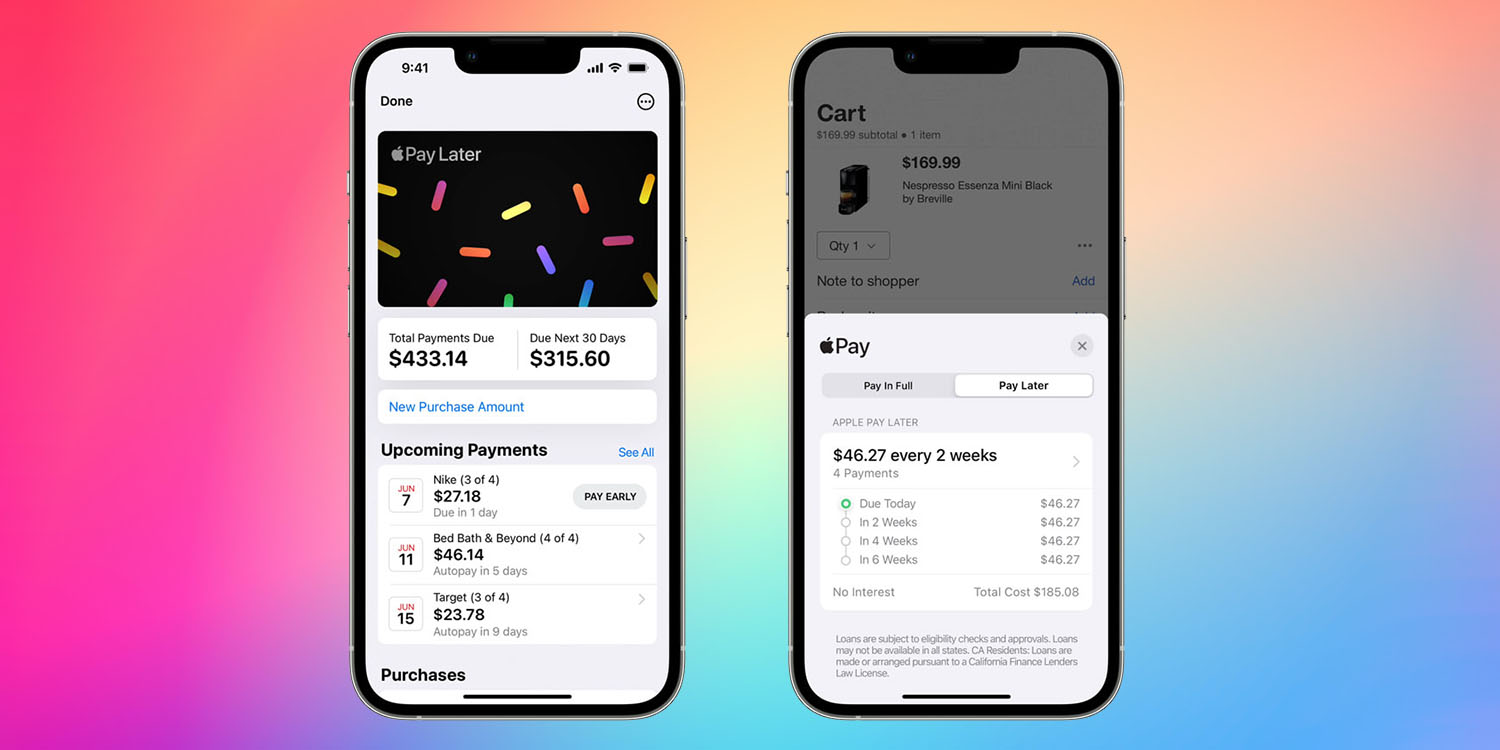
The announcement of an Apple buy now, pay later feature, Apple Pay Later, has drawn the attention of the US consumer finance regulator, the Consumer Financial Protection Bureau (CFPB).

CFPB director Rohit Chopra said that Apple Pay Later raised “a host of issues,” with antitrust concerns one of those …

Expand Expanding Close

Apple spending more than ever on federal lobbying amid possible antitrust bill

Apple CEO Tim Cook Federal lobbying

Early this morning, 9to5Mac reported that tech lobbying spending hit $35M this year as companies are fighting antitrust measures. Now, a story shows that Apple alone spent $4.6 million in the first half of 2021. Not only that, but Apple’s Tim Cook has become one of the country’s most politically active tech CEOs of the moment.

Expand Expanding Close

Tech lobbying spend hits $35M this year as companies fight antitrust measures

Tech lobbying spend | Large bundles of $100 bills on a table

The combined tech lobbying spend of Apple, Amazon, Meta, and Google has hit $35.3M so far this year. All four companies are trying to fight antitrust measures that would reduce their market dominance.

In the second quarter of the year, the tech giants and their trade groups outspent big pharma – though Apple’s lobbying spend has returned to its prerecord level.

Expand Expanding Close

Apple Pay videos promote security, as iPhone maker faces class action lawsuit

Apple Pay ads with message that physical cards can be stolen and used

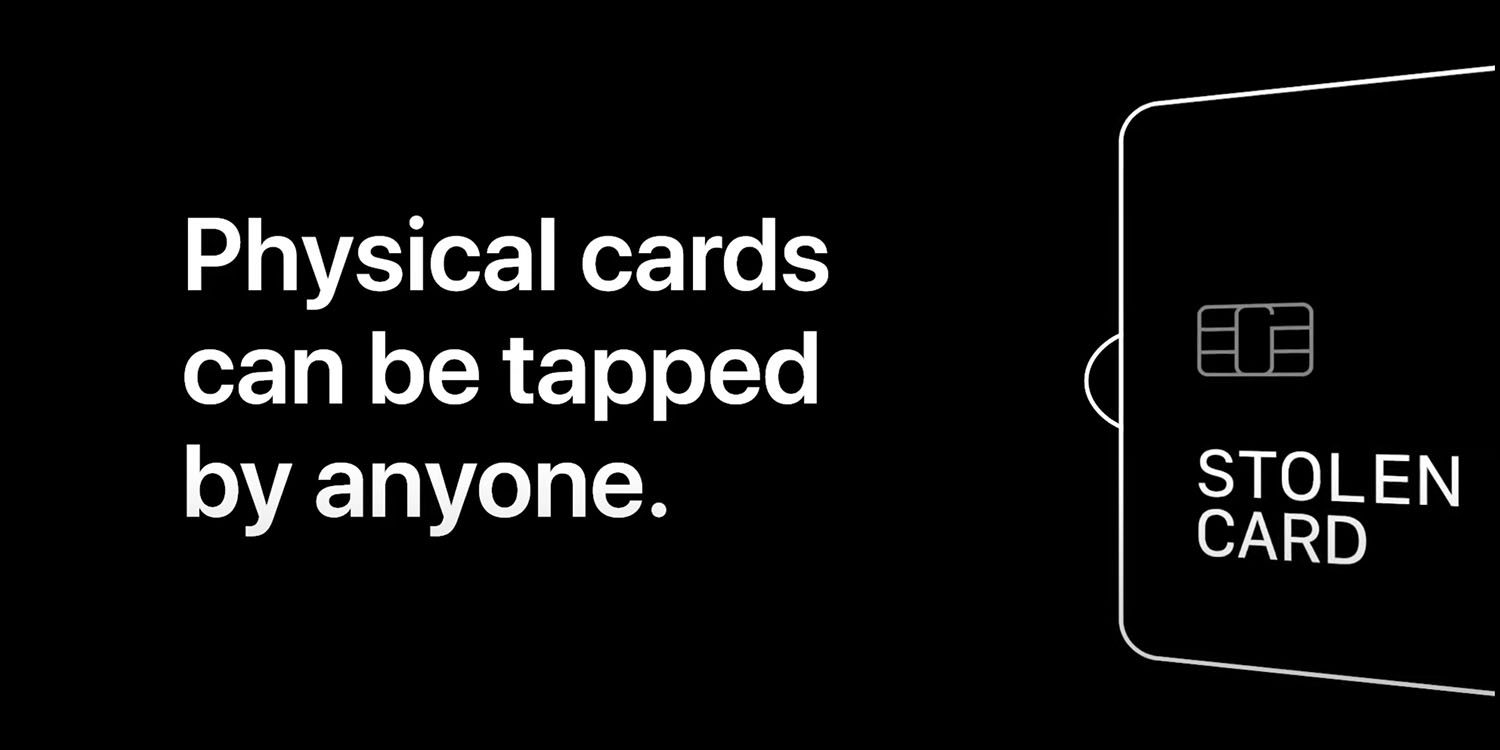
We noted earlier today that Apple will probably use security as a defence to an Apple Pay lawsuit, and we didn’t have long to wait. Three new Apple Pay videos have been posted to YouTube, each promoting the security of the service.

Each video is super-short. The longest is 15 seconds, while the other two are just six seconds each …

Expand Expanding Close

Apple Pay lawsuit filed by firm that won ebook and developer antitrust cases

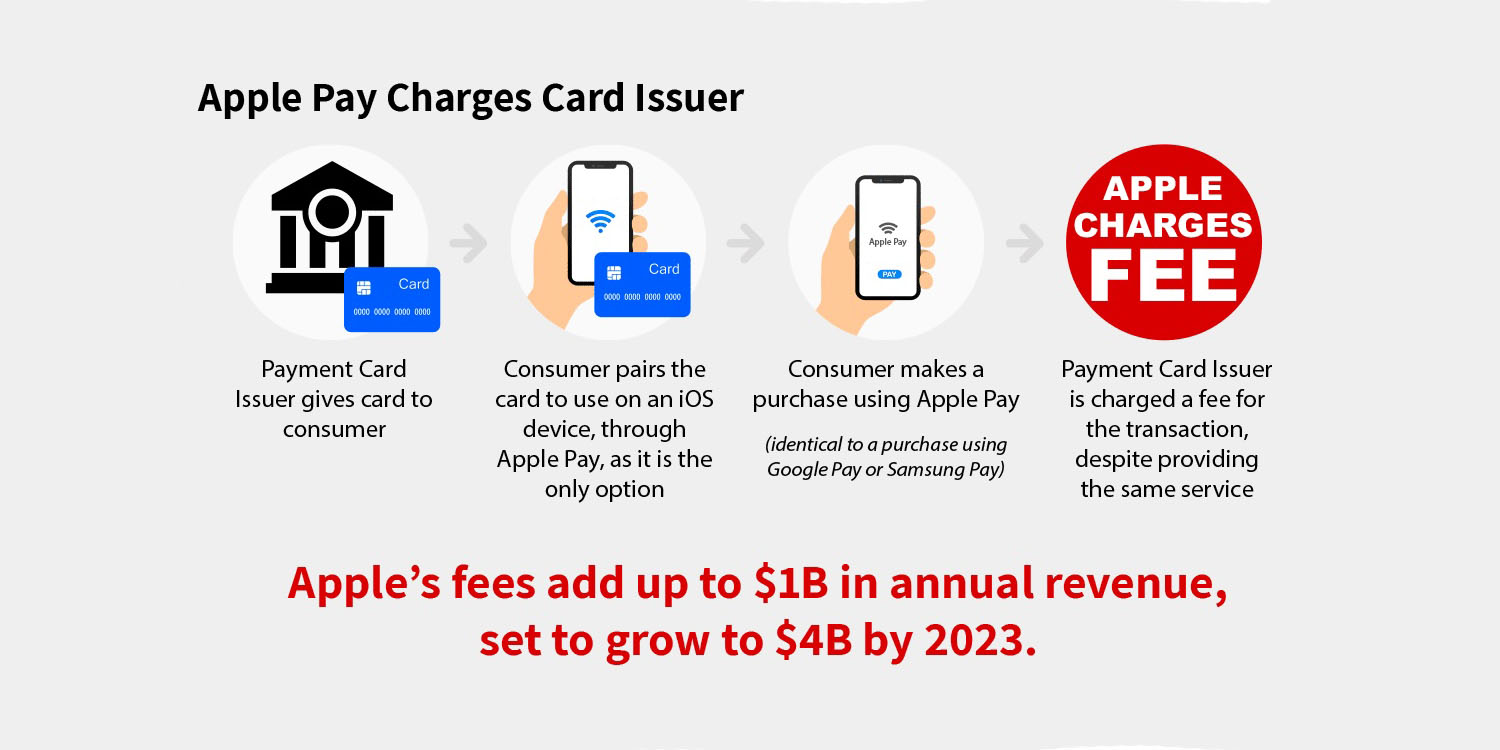
Apple Pay lawsuit | Infographic showing the fee Apple charges to cardholders

A class action Apple Pay lawsuit has been filed by Hagens Berman, the law firm that previously won two high-profile antitrust cases against Apple.

The lawsuit accuses Apple of making a billion dollars a year in fees to card companies by forcing them to sign up for Apple Pay as the only way to let their customers make payments from iPhones and Apple Watches.

Expand Expanding Close

Digital Markets Act passes, could force Apple to allow competing app stores, and more

Digital Markets Act | Purely decorative image of the word 'app' on a wall

Europe’s Digital Markets Act has been approved by the EU parliament, opening the door to Apple being required to allow competing iOS app stores.

The antitrust legislation will also oblige Apple to allow developers to use third-party payment platforms when apps are sold through Apple’s own App Store, and could require it to make iMessage talk to competing messenger apps …

Expand Expanding Close

Most Americans want App Store competition, claims Epic Games and pals

Site default logo image

The Coalition for App Fairness (CAF) claims that the majority of Americans want to see App Store competition, alongside other antitrust legislation.

CAF commissioned two polls which show strong support for antitrust bills, one of which would mean opening up Apple and Google app stores to third-party competitors and/or sideloading …

Expand Expanding Close

Qualcomm bribed Apple, said EU, but European court rules that this was not proven

Qualcomm bribed Apple | A large pile of banknotes being offered

Chipmaker Qualcomm bribed Apple to the tune of billions of dollars, according to a European Union antitrust finding back in 2018. But a European court has now ruled that the case was not proven, and has overturned the billion-dollar fine imposed at the time.

The fact that Qualcomm paid billions of dollars to Apple is not in dispute; the issue is whether these payments influenced the iPhone maker’s choice of chip company …

Expand Expanding Close