A few days ago, Apple doubled down on its accusations that Epic Games is trying to undermine the App Store model and profit from Apple’s ecosystem without contributing to it. Today, the company returned to court to try to make its case.
Apple has accused Epic Games of seeking a free ride as the games company asks a court to permit its apps to be sideloaded onto iPhones with no commission to the Cupertino company.
The accusation was made after an Australian court indicated it was likely to rule that Apple must permit sideloading – but with details yet to be decided …
Epic Games has given Apple a backhanded compliment over the changes it made to reduce the barriers to installing the company’s games store on iPhones.
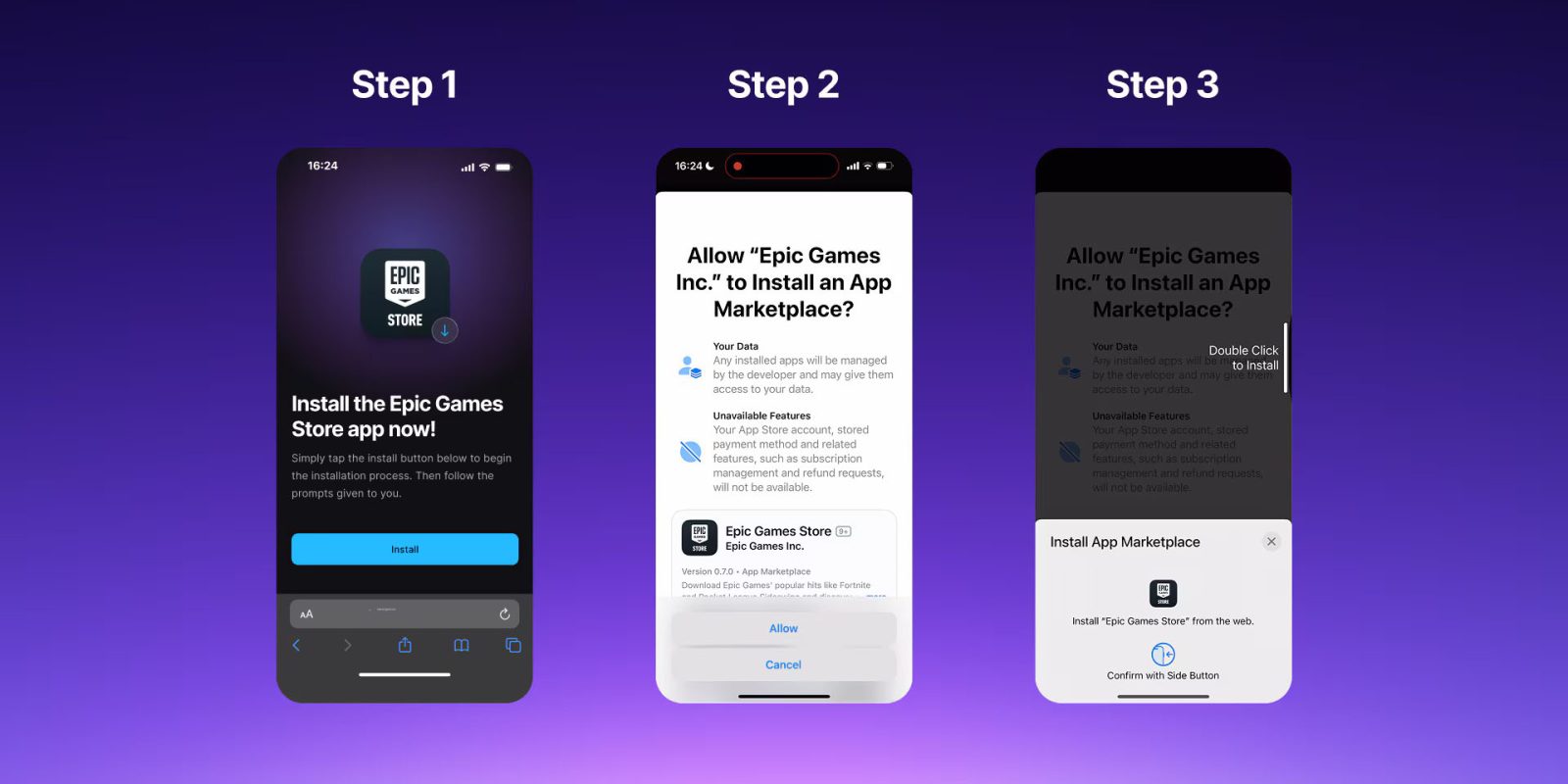
Apple had long come under antitrust fire for forcing users to take 15 separate steps to install a third-party app store. The company has now reduced that to six steps and eliminated what has been described as a “scare screen with a misleading message” …
We last month learned that Epic Games had won its antitrust case against Apple in Australia, with the court ruling that the iPhone maker must permit side-loading and third-party payments.
The full reasoning for that decision has now been published – all 900 pages of it – and Apple has accused the judge of underestimating the privacy and security risks to users …
It’s been a busy news day for the Epic Games vs. Apple case. Startup accelerator Y Combinator filed an amicus brief today siding with Epic in the long-running antitrust case against Apple. Here are the details.
Two organizations filed a joint amicus brief, siding with Apple over a U.S. District Judge Yvonne Gonzalez Rogers ruling on attorney–client privilege limits in the Epic Games lawsuit. Here are the details.
Fortnite returned to the App Store in the US back in May after a federal court ruling, and is now set to return to iOS in Australia through the Epic Games store after a similar judgment there.
While Epic Games celebrated the ruling, the fate of the app in other countries still remains far from certain – and its availability in the US may be temporary …
Epic Games has published a blog post criticizing “today’s bleak news from the United Kingdom,” and listing all the reasons why the company believes the recently announced rules fell short of its expectations.
Apple today published another round of App Store changes for developers operating in the European Union, this time focused on how apps can communicate and promote alternative payment options under the Digital Markets Act. But from the looks of it, the new rules didn’t impress Epic Games CEO Tim Sweeney.
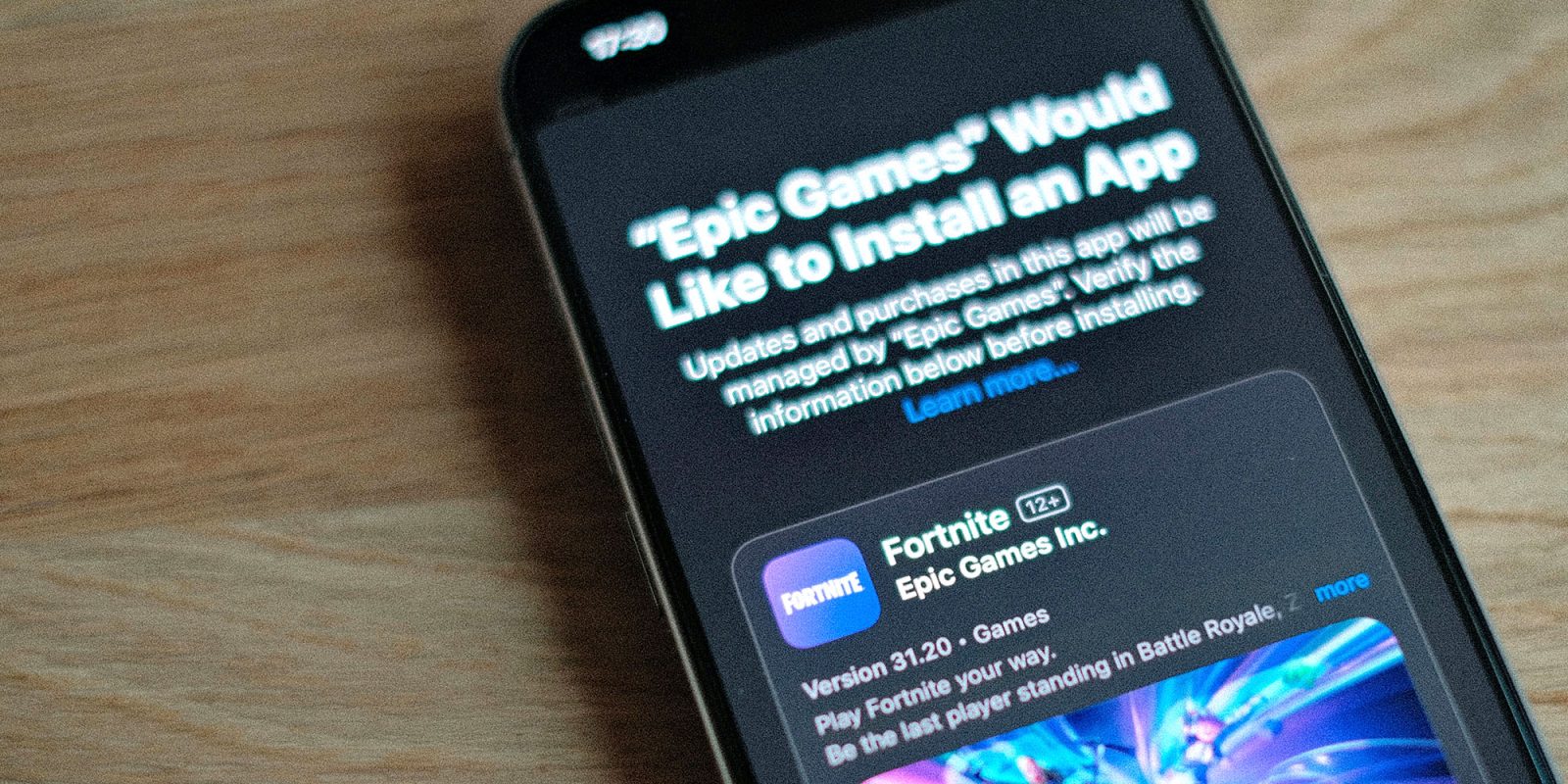
Epic Games made good on its recent promise by bringing Fortnite back to the iPhone and iPad in the U.S. after a federal court injunction forced Apple to change App Store rules around payments and commissions. Nearly five years after its removal, the game returns with a major change. Still, Fortnite is only available through the App Store in one region, and there are several reasons it could be removed again.
Microsoft has filed a court brief in support of Epic Games, blaming Apple for its delay in plans to open an Xbox mobile store using.
While Apple yesterday allowed Fortnite back into the US App Store after some strong words from the judge, Microsoft says there’s still a very big problem …
If there’s one constant in the lustrum-long Epic Games v. Apple lawsuit, it’s that Tim Sweeney, Epic’s CEO, tends to… get creative when it comes to publicly interpreting and promoting the company’s legal wins.
Late last Friday, Epic once again tried to spin a limited courtroom victory into a public-relations campaign. Now, it has been granted a chance to make the antics fly in court.
A WSJ piece today suggests that big tech lawyers for Apple, Amazon, Google and other industry giants are not only failing to properly advise their clients, but are “actively encouraging” them to break the law.
The piece suggests that one reason Apple was rebuked by the judge in the Epic Games lawsuit was that its lawyers encouraged the company to abuse legal privilege …
Late Friday, Epic Games sent a letter to U.S. District Judge Yvonne Gonzalez Rogers accusing Apple of refusing to consider its Fortnite submission, calling it “Apple’s latest attempt to circumvent this Court’s Injunction and this Court’s authority.”
Update May 16, 2025, 8:36 a.m. PT: Apple tellsBloomberg that it did not take action to block Epic Games from releasing its Fortnite update in the European Union. Instead, the company asked it to resubmit the EU update without including the US to avoid impacting other regions.
There’s still no word on the status of Epic’s attempt to bring Fortnite back to the App Store in the US.
Last week, Epic Games announced that it had submitted Fortnite to the App Store in the United States. The move followed an injunction in which a federal judge said Apple couldn’t charge a 27% commission on out-of-app purchases initiated through in-app links.
In a new statement today, however, Epic says that Apple has “blocked” this submission…
Epic Games submitted Fortnite to the App Store for review on Friday. Now what? The version under review offers both Apple’s in-app purchase system and an external payment option via the Epic Games Store. But despite recent policy changes forced by a federal injunction, Apple isn’t legally required to approve the app. Still, rejecting Fortnite could deal Apple a blow in the court of public opinion, especially as its standing with developers continues to slip.
Update: Epic Games says it has submitted Fortnite to the U.S. App Store for review. The ball is now in Apple’s court to approve the app submission.
If Fortnite does return to the U.S. App Store this week, it won’t be before Friday. That’s according to Epic Games CEO Tim Sweeney, who shared an update on the long-awaited comeback today.
Epic Games‘ five year legal battle against Apple has cost the developer well over $100M in legal fees alone, and CEO Tim Sweeney says that the total cost has been north of a billion dollars.
While Sweeney thinks it was worth it, one high-profile Apple commenter has his doubts – suggesting the legal victory doesn’t necessarily mean Fortnite will be allowed back into the App Store …
Less than 24 hours after Apple’s legal defeat over its App Store model, Epic Games is wasting no time. For starters, Fortnite is set to return to the iOS App Store in the U.S. next week. Under the court’s order, Apple can no longer block apps from directing users to the web to purchase digital content. I’s also barred from collecting a 27% commission on those web-based sales that originate from App Store apps.
Meanwhile, Epic Games has announced two new business moves — one of which takes direct aim at Apple’s in-app purchase revenue model.
The judge has now officially confirmed this view. She has not only directly called out Apple for ignoring her ruling, but said that a senior Apple exec lied under oath, and referred the matter for prosecution …
Epic Games founder and CEO Tim Sweeney has announced that the company will submit Fortnite to the iOS App Store in the U.S. next week. The move follows a court decision that ruled against Apple’s App Store practices. However, Fortnite’s return isn’t a sure thing yet…
The latest twist in the long-running legal fight between Apple and Epic Games has delivered a major blow to the company’s App Store operations. In a ruling issued Tuesday, Judge Yvonne Gonzalez Rogers found Apple in willful violation of a 2021 injunction designed to stop the company’s anticompetitive App Store practices.
According to the 80-page order, Apple “thwarted the injunction’s goals” by imposing new fees and obstacles that continued to stifle competition, despite clear instructions from the court. The judge didn’t just sanction Apple — she referred the matter to the U.S. Attorney’s Office for possible criminal contempt proceedings.
Epic Games CEO Tim Sweeney has turned up the dial to 11 on his anti-Apple rhetoric, calling the iPhone maker a “gangster-style business” which has concluded that “crime pays.”
He said that both Apple and Google are guilty of the same practices, including using scare tactics to make iPhone and Android users afraid to install the Epic Games Store …