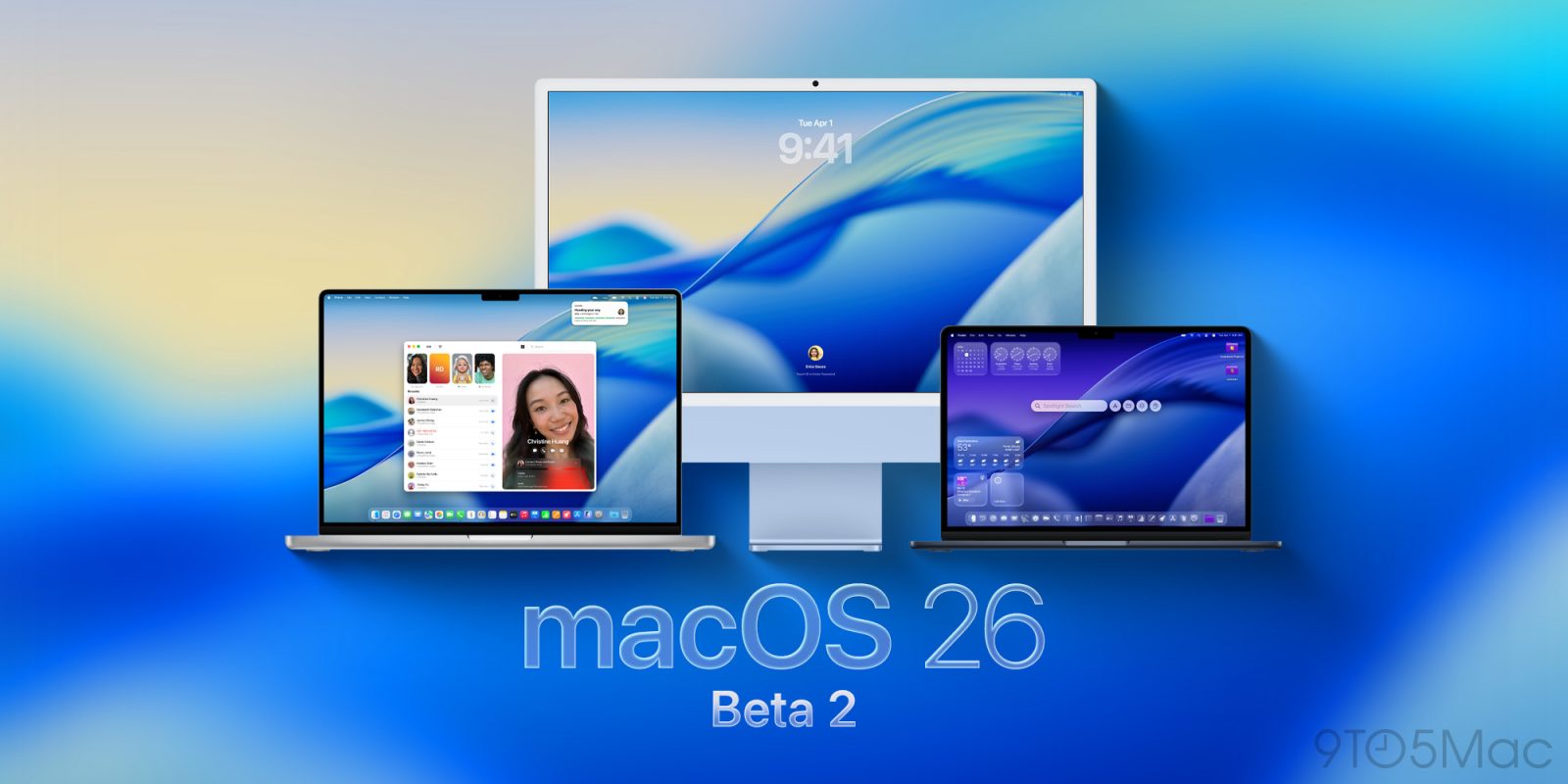
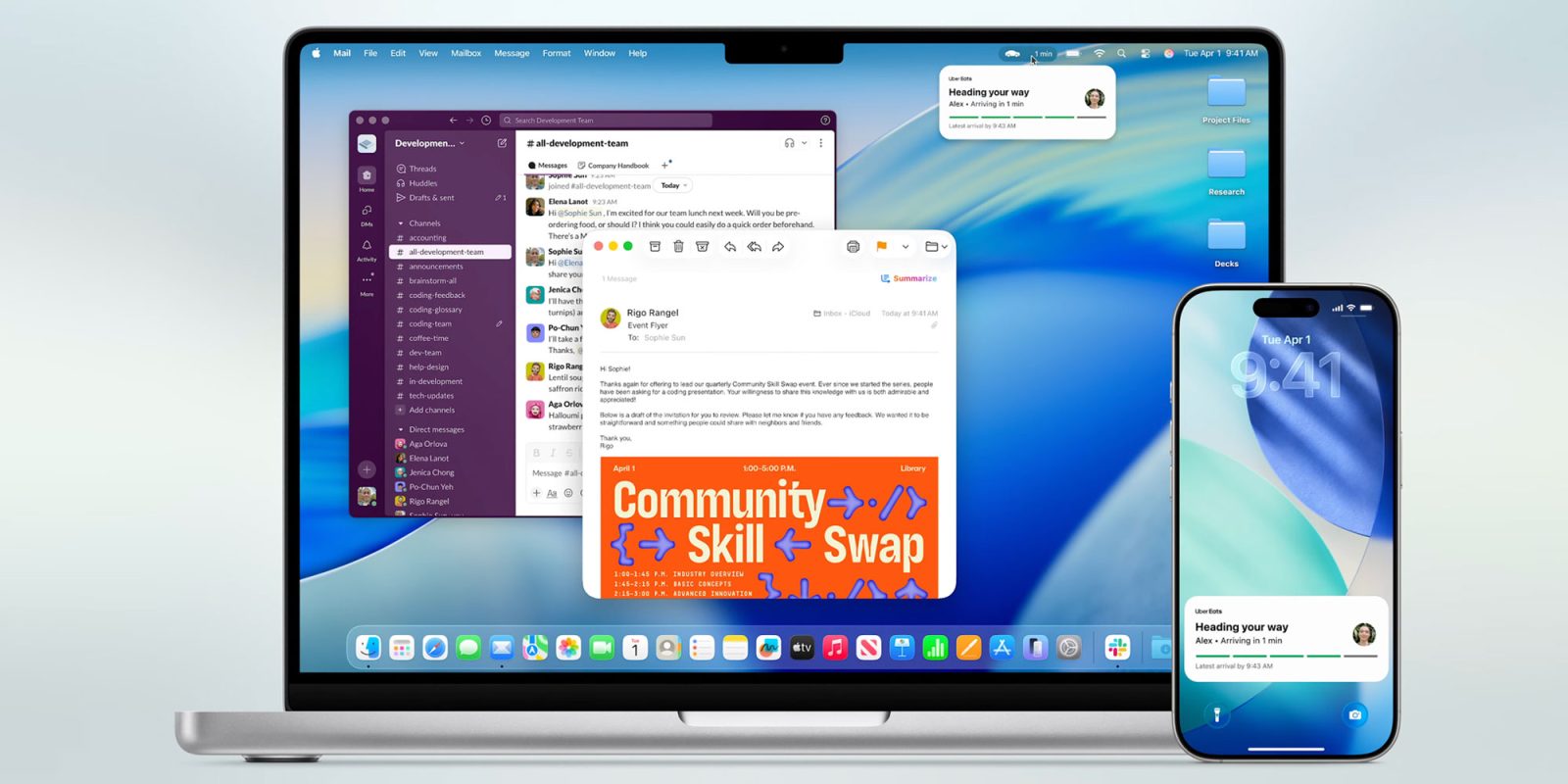
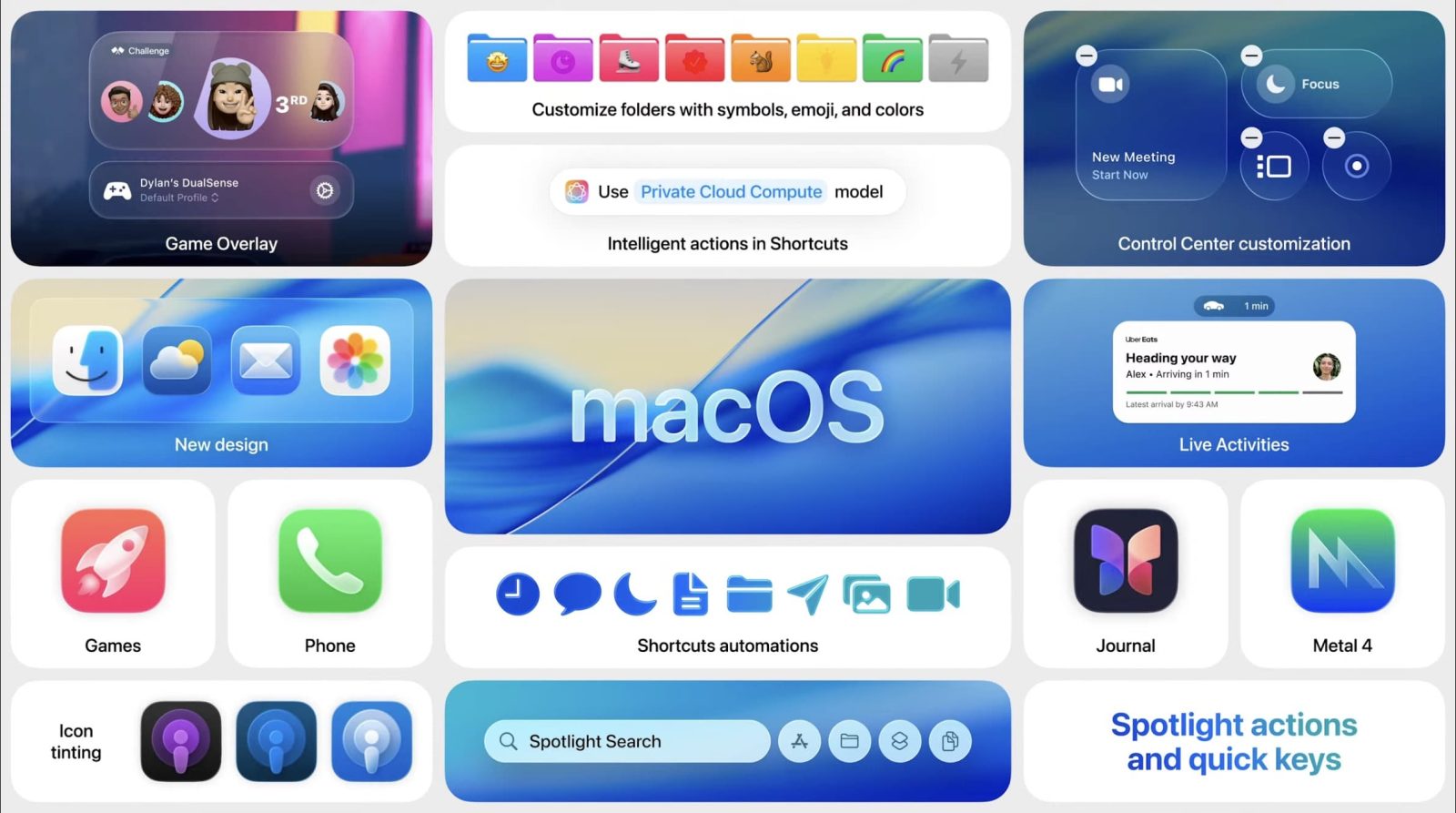
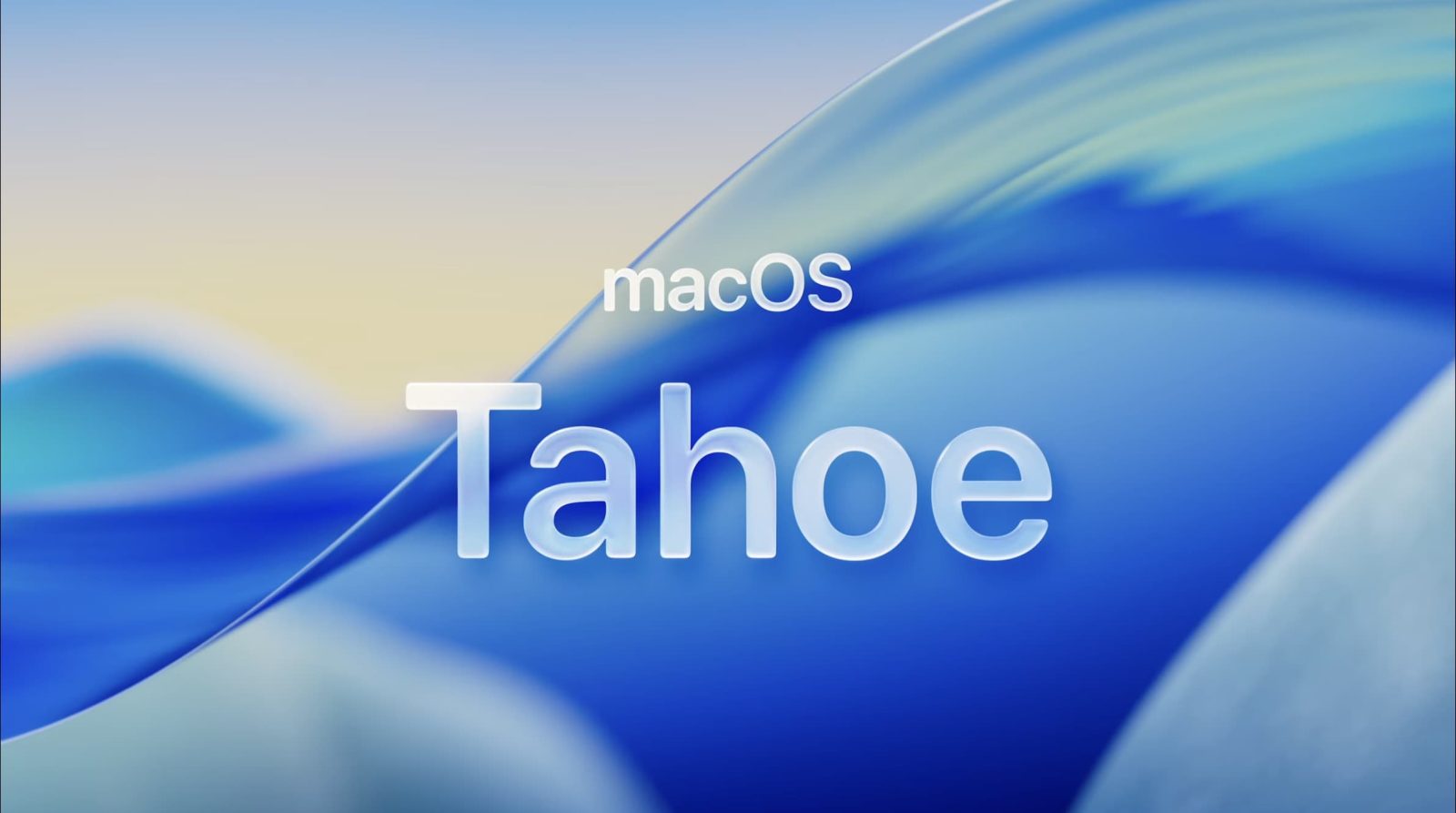
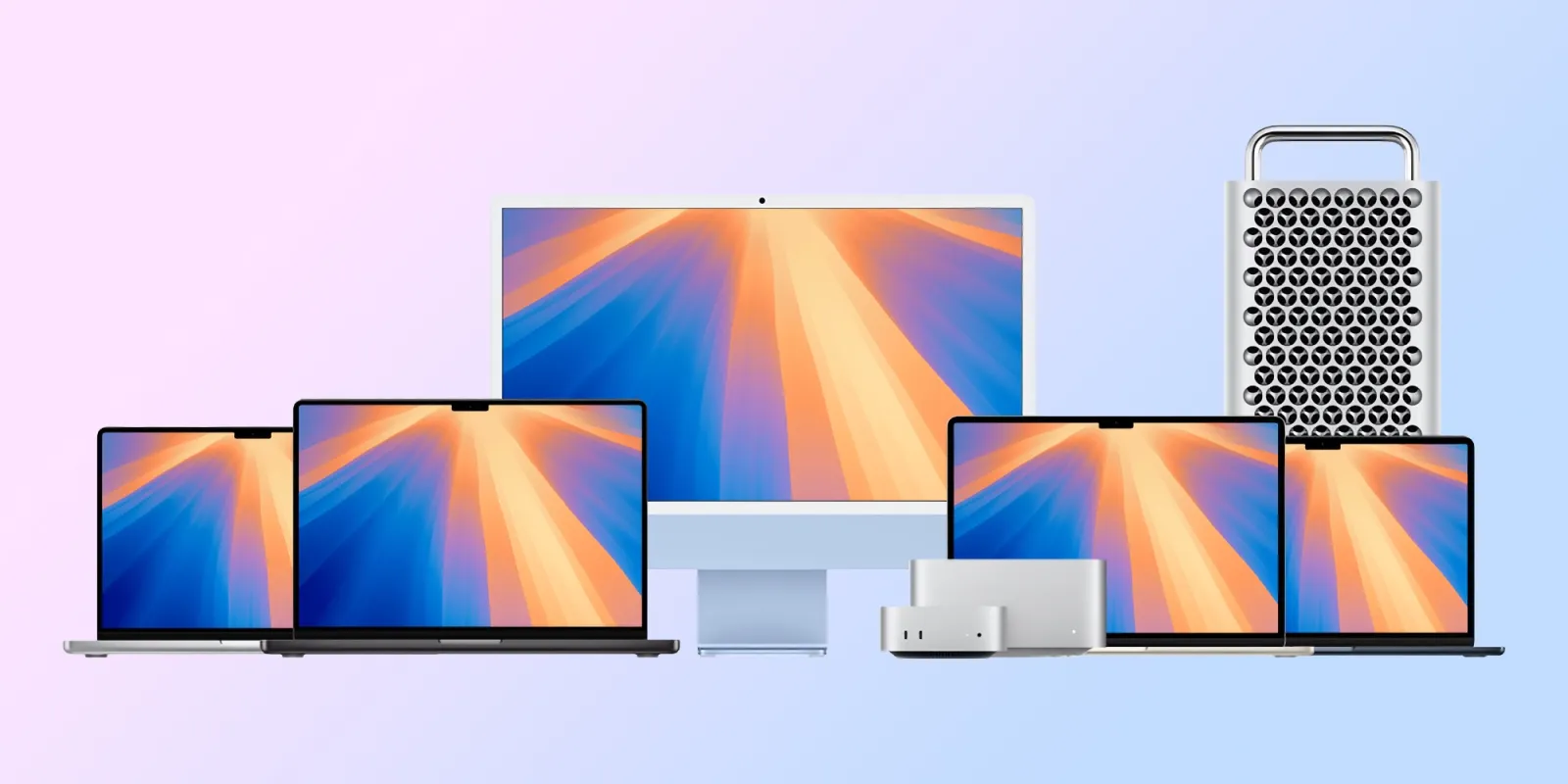
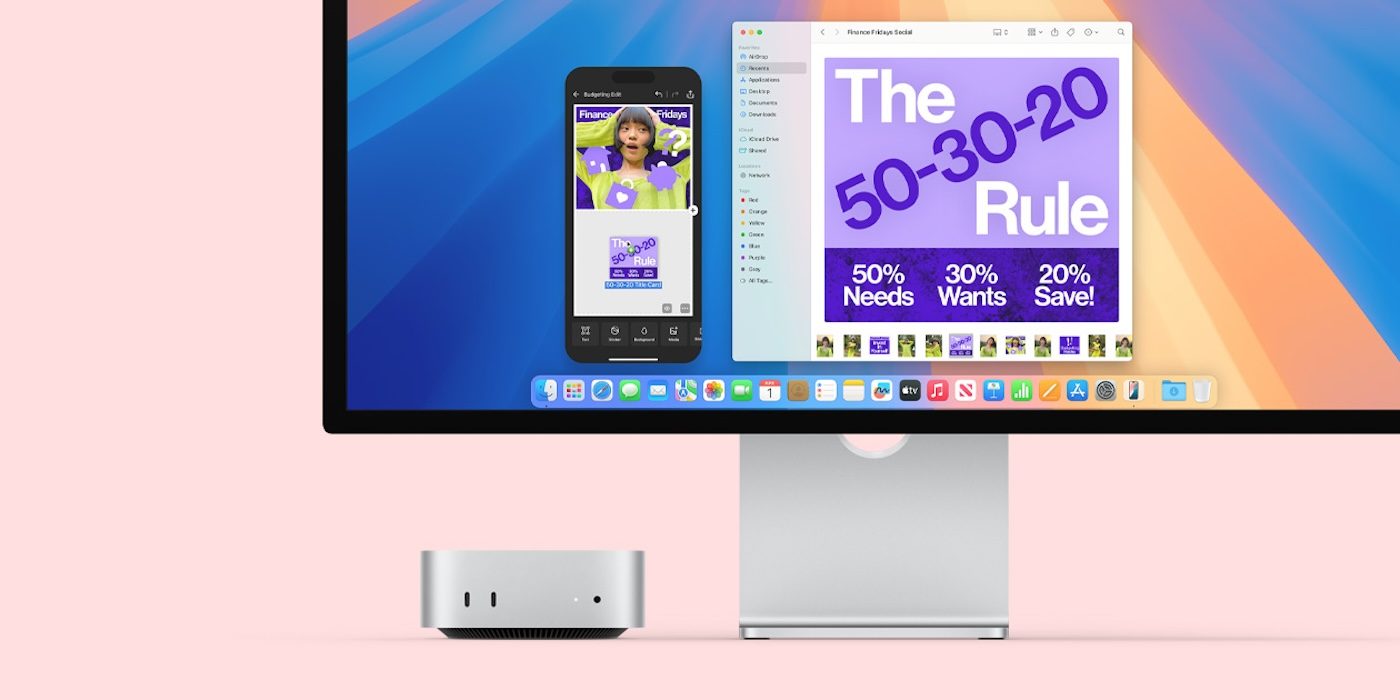
Last week, we got reports that macOS 26 will drop support for a couple of the last generation Intel Macs, though not all of them. However, a reliable source is now reporting that one additional Intel Mac will no longer support macOS 26 – which is now rumored to be named after California’s Lake Tahoe.
Back from 2005 to 2009, Apple used to have a neat little software feature called ‘Front Row’. It essentially allowed you to utilize an Apple TV remote with your Mac, and take advantage of a unique software interface for watching content. It didn’t last very long, but I think now could be a pretty unique time to reintroduce it.
According to Bloomberg’s Mark Gurman, the name for the next version of macOS is set to be ‘Tahoe’, named after Lake Tahoe in California. This name will accompany Apple’s first macOS redesign since Big Sur in 2020.
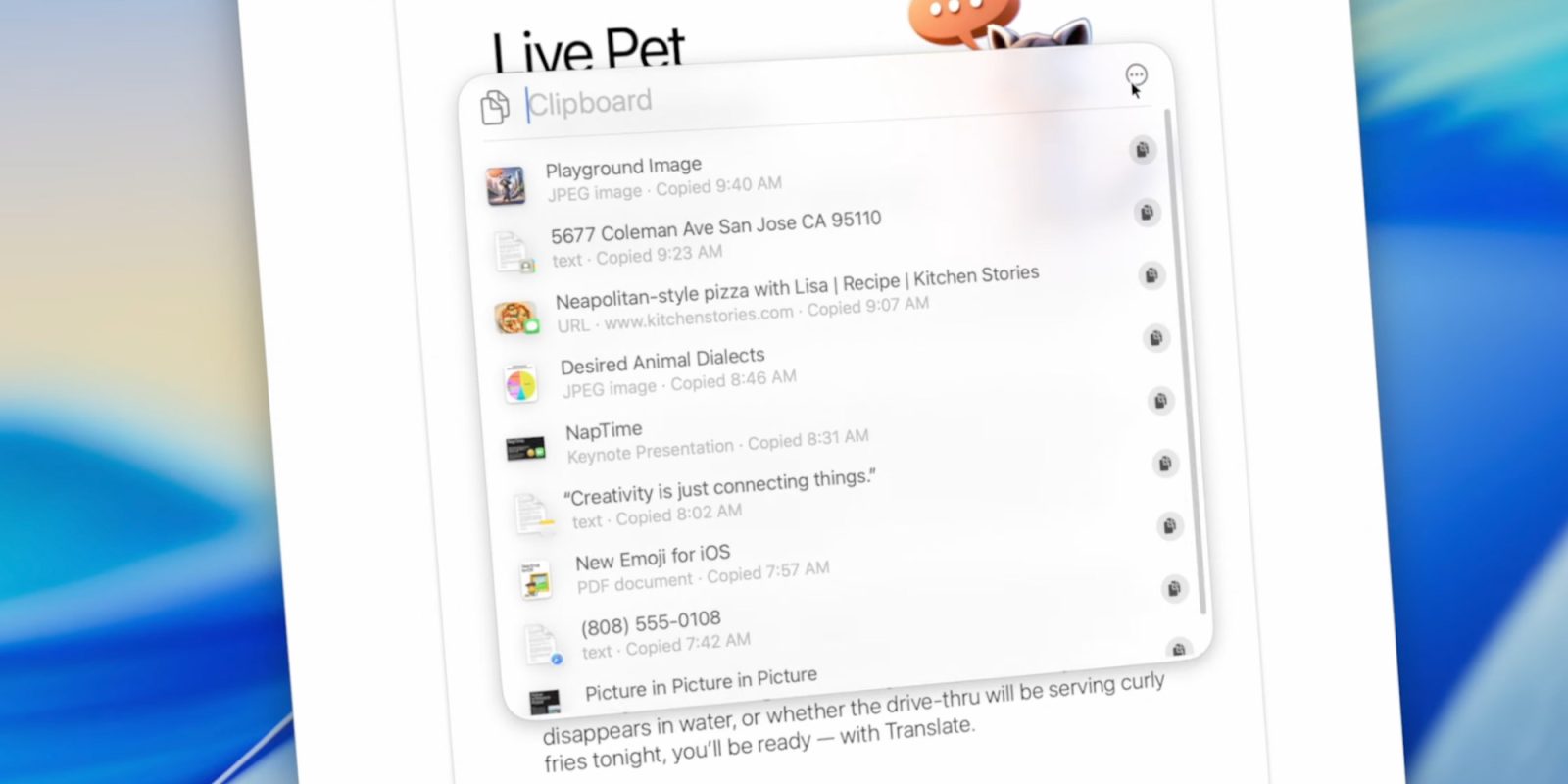
Apple has updated the AppKit documentation to inform developers about a significant change coming to the macOS pasteboard, the system-level mechanism for transferring data between applications and Apple devices.
While most of us are have welcomed Apple Intelligence and are impatiently waiting for it to do more, there are some who’ve opted out. Some of these users are reporting that the latest macOS and iOS updates have re-enabled the feature.
While it’s clearly a bug, it’s not clear at this point what causes the unintended behavior, nor how widespread it is …
With so many devices in our pockets and everyday carry, each device has its own form of charging or wattage capacity, it is now more important than ever to make sure you have the correct charger for each device. For instance, my iPhone charges at 15W via Qi2 but can charge at up to 40W when wired in, so what is the best solution? I’m here to help you pick the best charger no matter your price point.
According to Bloomberg’s Mark Gurman, Apple’s new Mail app is going to make its way to the Mac very soon, with macOS 15.4. Apple introduced the new Mail app to the iPhone back in December with iOS 18.2, but it hasn’t made its way to any other platform since.
In recent years, iOS and macOS have been closer than ever to having feature parity. Nowadays, macOS releases mostly bring features first introduced on the iPhone and iPad, occasionally adding a new twist. However, despite this feature parity, there are some gaps, mostly to do with customization. Here are a couple of recent customization additions that have been made on the iPhone and iPad that haven’t quite made their way to the Mac yet.
Apple’s macOS has changed a lot since its first version, but it still retains a lot of elements from the early days that make macOS unique. One of those elements is the iconic Dock, which lets users keep their favorite apps accessible with just a click – and you may not have known this, but the macOS Dock just turned 25, and there’s a cool story behind it.
Espresso Displays, the Australian brand known for crafting high-performance portable monitors, has unveiled its latest innovation at CES 2025: the Espresso 15 Pro. This new addition to Espresso Displays’ portfolio is aimed at business professionals and frequent travelers who seek a high-quality, portable dual-screen experience.
Apple transitioned the Mac lineup to Apple Silicon starting in 2020, and they completed the transition in 2023. Since the transition started, Apple quickly started dropping support for Intel Macs on newer versions of macOS. That raises the question: how much longer will Intel Macs receive software support?
We’ve all heard the term the Walled Garden when talking about the Apple ecosystem. Apple’s biggest competitive advantage is the fact that they control everything from both a hardware and software perspective, allowing its customers to experience these little features I like to call Magic Moments. These are smaller utilities or features that are only possible because you have multiple Apple products that work off of each other giving us these wow moments. So here are some of my favorite Magic moments of the Apple Walled Garden.
Apple recently launched new MacBook Pro, iMac and Mac mini with the M4 chip, which brings a lot of performance improvements – especially when it comes to AI tasks. However, users are facing issues when trying to run virtual machines with some older versions of macOS on the new machines.
Apple transitioned the Mac lineup to Apple Silicon starting in 2020, and they completed the transition in 2023. Since the transition started, Apple quickly started dropping support for Intel Macs on newer versions of macOS. That raises the question: how much longer will Intel Macs receive software support?
Shortly after the release of macOS Big Sur back in 2020, Apple faced widespread server outages. The outage affected macOS installations, iMessage, Apple Pay, and most notably: the notarization service. This meant that users had major issues opening apps, revealing a flaw in how Apple handles app verification on the Mac.1
A vulnerability found in Microsoft apps for macOS allowed hackers to spy on Mac users. Security researchers from Cisco Talos reported in a blog post how the vulnerability could be exploited by attackers and what Microsoft has been doing to fix the exploits.
9to5Mac Security Bite is exclusively brought to you by Mosyle, the only Apple Unified Platform.Making Apple devices work-ready and enterprise-safe is all we do. Our unique integrated approach to management and security combines state-of-the-art Apple-specific security solutions for fully automated Hardening & Compliance, Next Generation EDR, AI-powered Zero Trust, and exclusive Privilege Management with the most powerful and modern Apple MDM on the market. The result is a totally automated Apple Unified Platform currently trusted by over 45,000 organizations to make millions of Apple devices work-ready with no effort and at an affordable cost. Request your EXTENDED TRIAL today and understand why Mosyle is everything you need to work with Apple.
A leading cybersecurity firm, Picus Security, has released its annual Blue Report study that analyzes the state of exposure management at organizations. The study uses 136 million simulated cyberattack scenarios executed by Picus customers from January to June 2024 to assess the effectiveness of security measures on Windows, Linux, and macOS systems in an organization’s environment.
In this year’s Blue Report 2024, Picus revealed a massive gap in macOS Endpoint Detection and Response (EDR) misconfigurations leading to vulnerabilities.
Safari is one of the many Apple apps bundled with iOS and macOS. With iOS 18 and macOS Sequoia, Apple has introduced Safari 18 with new features and improvements. However, when it comes to the Mac, you don’t need to update your Mac to macOS 15 in order to try out the new Safari 18 beta.
I recently did a deep dive into the macOS 15 Sequoia beta. Some of the headline features, like iPhone Mirroring, and Apple Intelligence, have yet to launch, but we can expect iPhone Mirroring to arrive with today’s release of beta 2. Yet, even without those features, there are more than enough changes and updates found in macOS Sequoia to keep things interesting!
In this hands-on video, I walk through dozens of new macOS Sequoia changes and features. Catch a glimpse of what’s new inside, and be sure to subscribe to 9to5Mac on YouTube for more macOS 10.5 walkthroughs and tutorials.
If you’ve got an Intel Mac of up to six years old, there was mixed news for most when Apple announced macOS 15 Sequoia. Most Macs that can run macOS 14 can still run this year’s version – but Intel models unsurprisingly won’t get the headline Apple Intelligence features.
A historical analysis of how long Macs continue to support the latest version of macOS shows that – with a couple of exceptions – not much changed this year on the surface, but it does still leave the question of Apple’s future plans for its Intel-chipped machines …
Apple today announced major updates to its operating systems during the opening keynote of WWDC 2024. Both iOS 18 and macOS 15 come with many new features, including iMessage improvements, more continuity features, and Apple Intelligence. However, not all of these features are currently available to beta users.
Read on as we detail which features announced at WWDC 2024 are yet to become available to beta users.
Apple on Monday announced macOS 15 “Sequoia” during the WWDC 2024 opening keynote. The new version of the Mac operating system comes with Math Notes, new features in Messages, a new way to mirror your iPhone on your Mac screen, and more.