9to5Mac Reviews
All the products that the 9to5Mac team has reviewed.

All the products that the 9to5Mac team has reviewed.
All the products that the 9to5Mac team has reviewed.
All the products that the 9to5Mac team has reviewed.

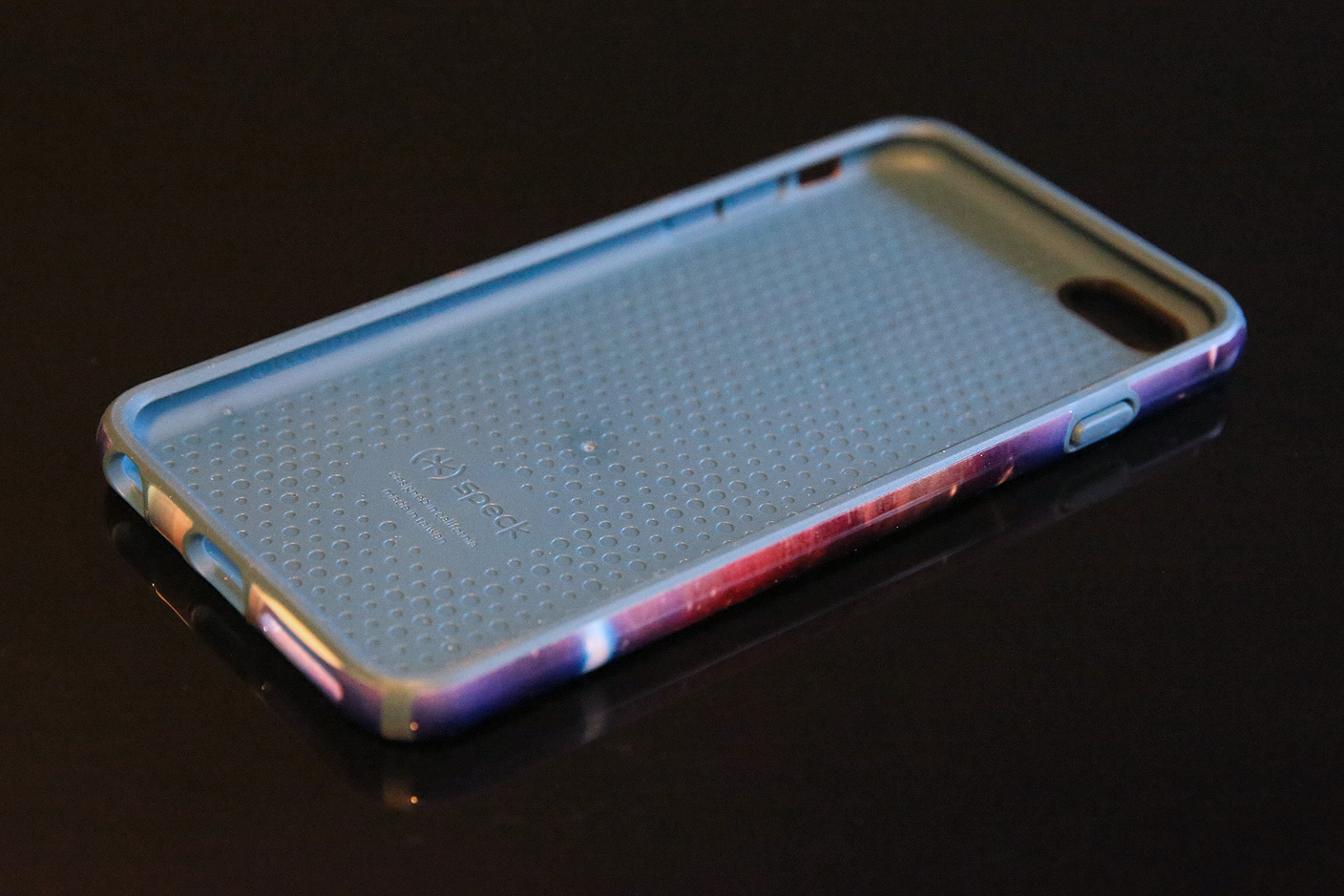
I prefer to start iPhone case reviews with a photo showing the iPhone within a case, so you can immediately see how your device would look inside. For Speck’s new iPhone 6 Plus versions of the super-popular CandyShell, I’m doing something different, because the magic here is hidden inside the case. CandyShell’s one-piece, co-molded design — textured rubber inside with hard plastic outside — has been copied (and admired within the accessory industry) more than almost any case feature in the past five years. With military-grade drop protection and the ability to absorb scratches, CandyShells are the cases I’ve historically used to keep all of my personal iPhones in perfect shape, and I’ve loved them.
That changed with the iPhone 6 Plus. Until now, Speck didn’t have a plain old version of CandyShell available, so I switched over to Incipio’s thicker, steel-pinned Trestle. But Speck has just released CandyShell Inked for iPhone 6 Plus ($45, available for $37 and up based on color), joining the earlier CandyShell Grip for iPhone 6 Plus ($33 to $40, also color-dependent). Unlike the standard CandyShell, which still hasn’t been released for the iPhone 6 Plus, both of these cases are visually intense: Inked is offered in a handful of multi-colored versions, while the two-toned Grip adds extra rubber ridges to the back. If you’re looking for a super-protective and distinctive-looking case, one of these CandyShells should be at the top of your list.
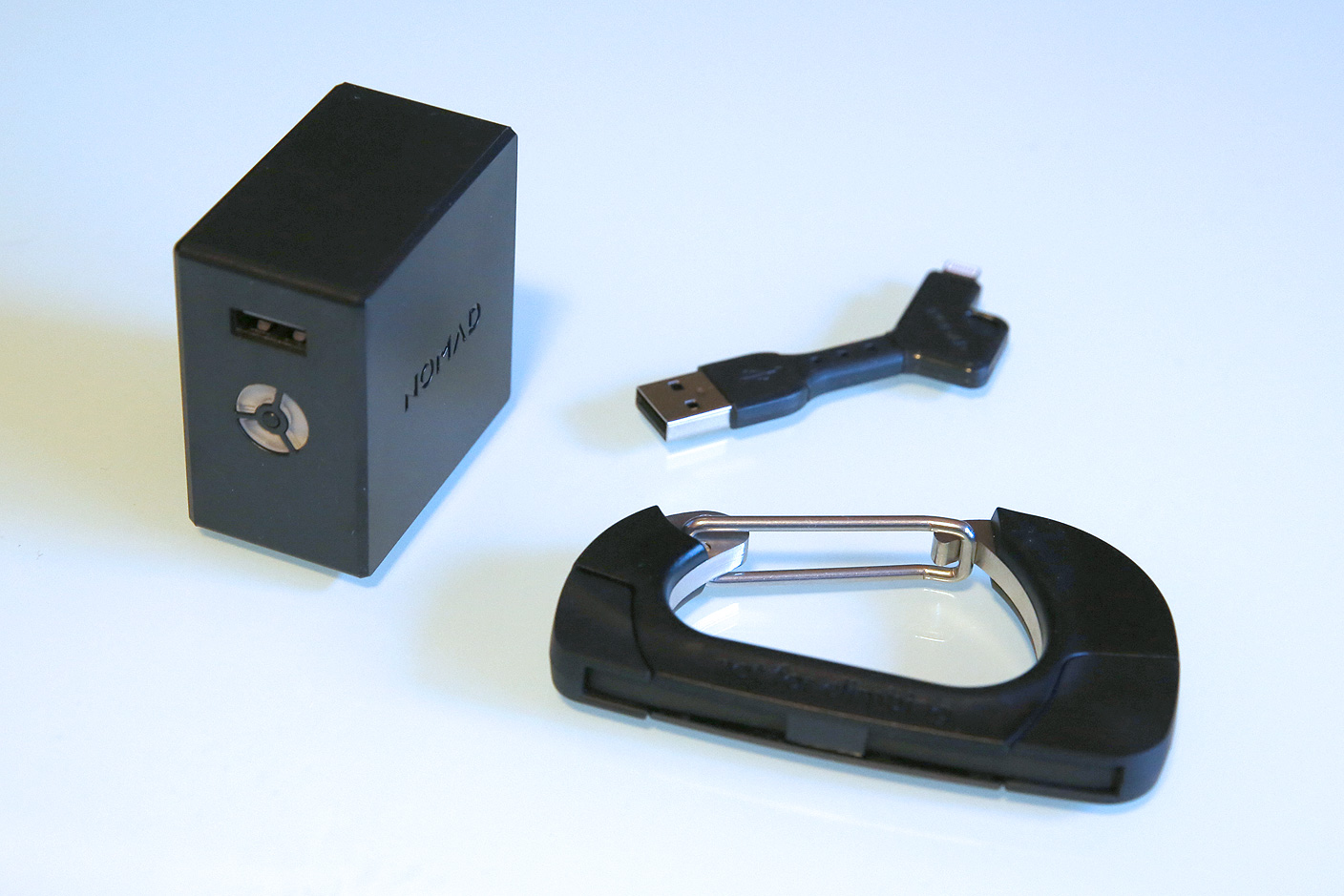
Lightning cables and battery packs are often so similar that I rarely have a strong preference for “nicer” alternatives over basic ones. But Nomad has been working to change that by creating practical charging accessories that you’ll actually want to carry around everywhere. Last year, it debuted the NomadKey ($25), which places a Lightning to USB cable on your keychain, as well as NomadPlus ($40), an iPhone battery pack that combines with Apple’s 5W USB Power Adapter to become an 1800mAh “anywhere” recharger.
Now it’s shipping the NomadClip ($40), which combines a super-sturdy carabiner clip with a Lightning cable. I’ll walk you through all three accessories below in this combined review.

I’m generally a minimalist where iPhone cases are concerned, preferring either the naked phone or a very slim case like the Mujjo wallet case that is my daily driver. But Pad & Quill’s leather cases are so gorgeous, it’s hard to resist trying out something a little more substantial.
The Pad & Quill Bella Fino is a pocket book style leather wallet case available for both the iPhone 6 and 6 Plus. Designed for use in a jacket pocket, it combines all-round protection for the phone with slots for either four (iPhone 6) or five (iPhone 6 Plus) cards, plus a slot for bills …
Expand
Expanding
Close
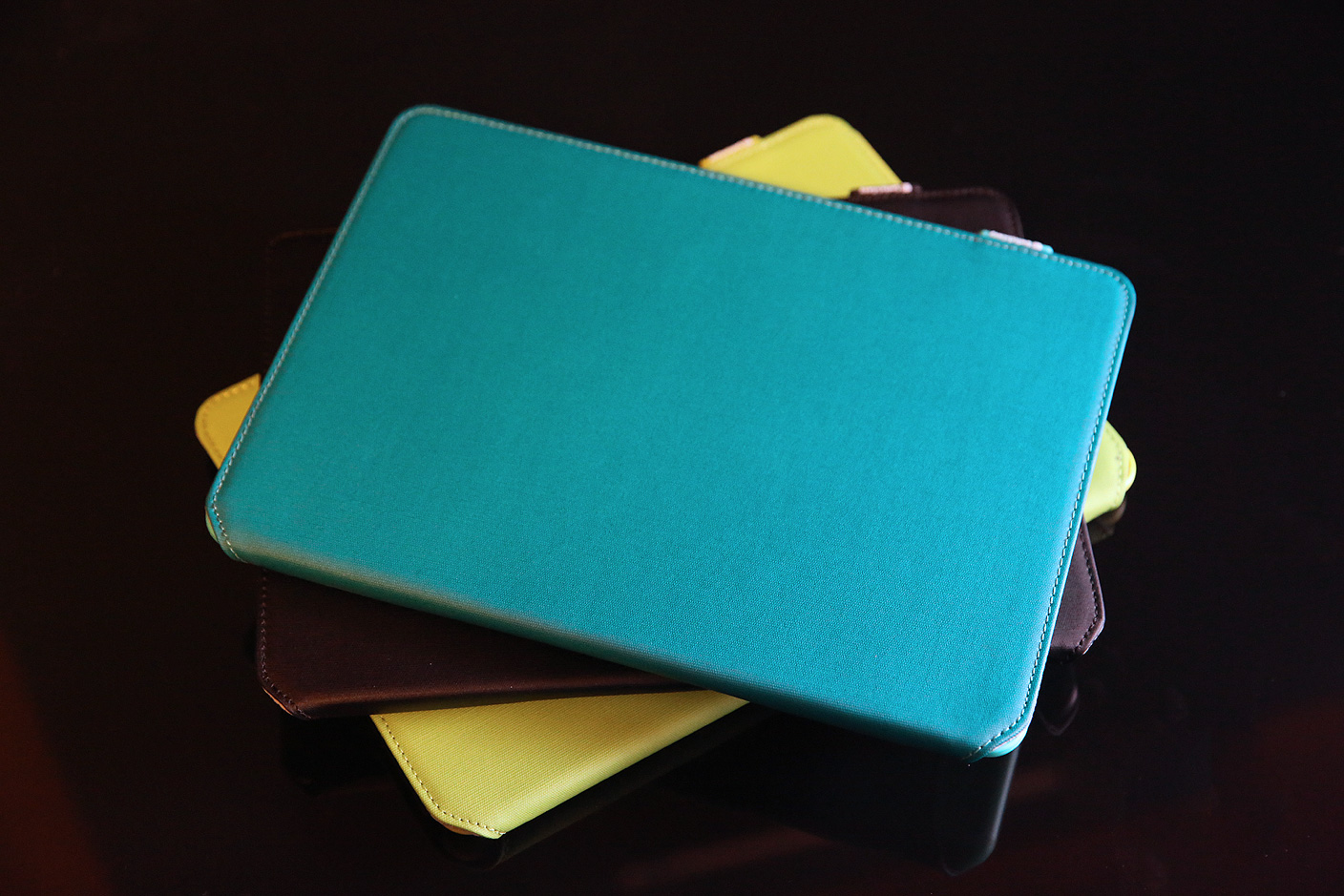
Every iPad since the original has had a SwitchEasy Canvas case, a series of folio designs that hit their apex back in 2013 with an uber-protective version for the original iPad mini. The formula’s always the same: a canvas lid and mostly canvas back, plus a plastic iPad-holding shell and a fabric lining. SwitchEasy always tosses in some goodies to sweeten the package, too, including screen film and a cleaning cloth. There aren’t many surprises, but a Canvas case is always a good case.
Arriving at a time when iPad Air 2 cases are still scarce, Canvas for iPad Air 2 ($50) doesn’t stray far from the formula. With an MSRP nearly $30 lower than Apple’s $79 iPad Air 2 Smart Case, it’s available in three color options, each with the standard three materials, and does a nice job of protecting Apple’s latest tablet. Read on for additional photos and details.
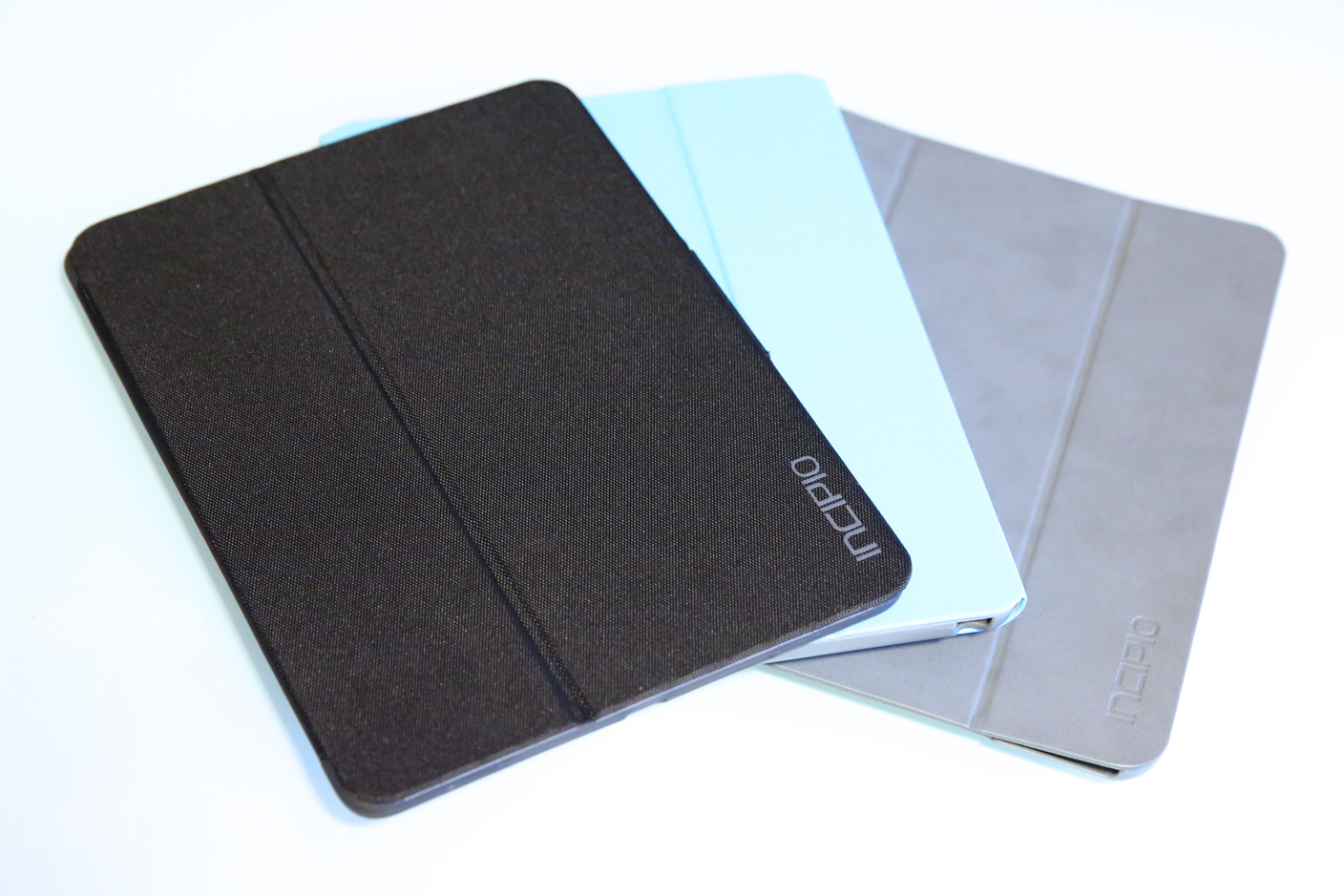
Having reviewed hundreds of different models over the years, I can say with some authority that iPad cases are rarely “exciting.” Early on, Apple established the folio — a lidded sleeve with the ability to stand upright for videos — as the de facto standard for iPad case design, and perhaps half of all the iPad cases since then have followed the same general theme, differing more in materials than functionality. Incipio’s latest designs for the iPad Air 2 are all small riffs on the same idea: fabric lids connected to plastic iPad holders, varying more in the particulars than the broad strokes.
We’re taking a quick look today at three cases: Clarion ($35), Faraday ($40), and Tuxen ($50). Despite their varied MSRPs, they can all be had for between $31 and $33 through Amazon, with some color options going for higher prices. Functionally, they’re very similar to one another: all three support both video and typing angles, protect most of the iPad against scratches and dings, and use magnets to automatically turn the iPad’s screen off or on when it’s closed or opened. Read on for what makes them different from one another…
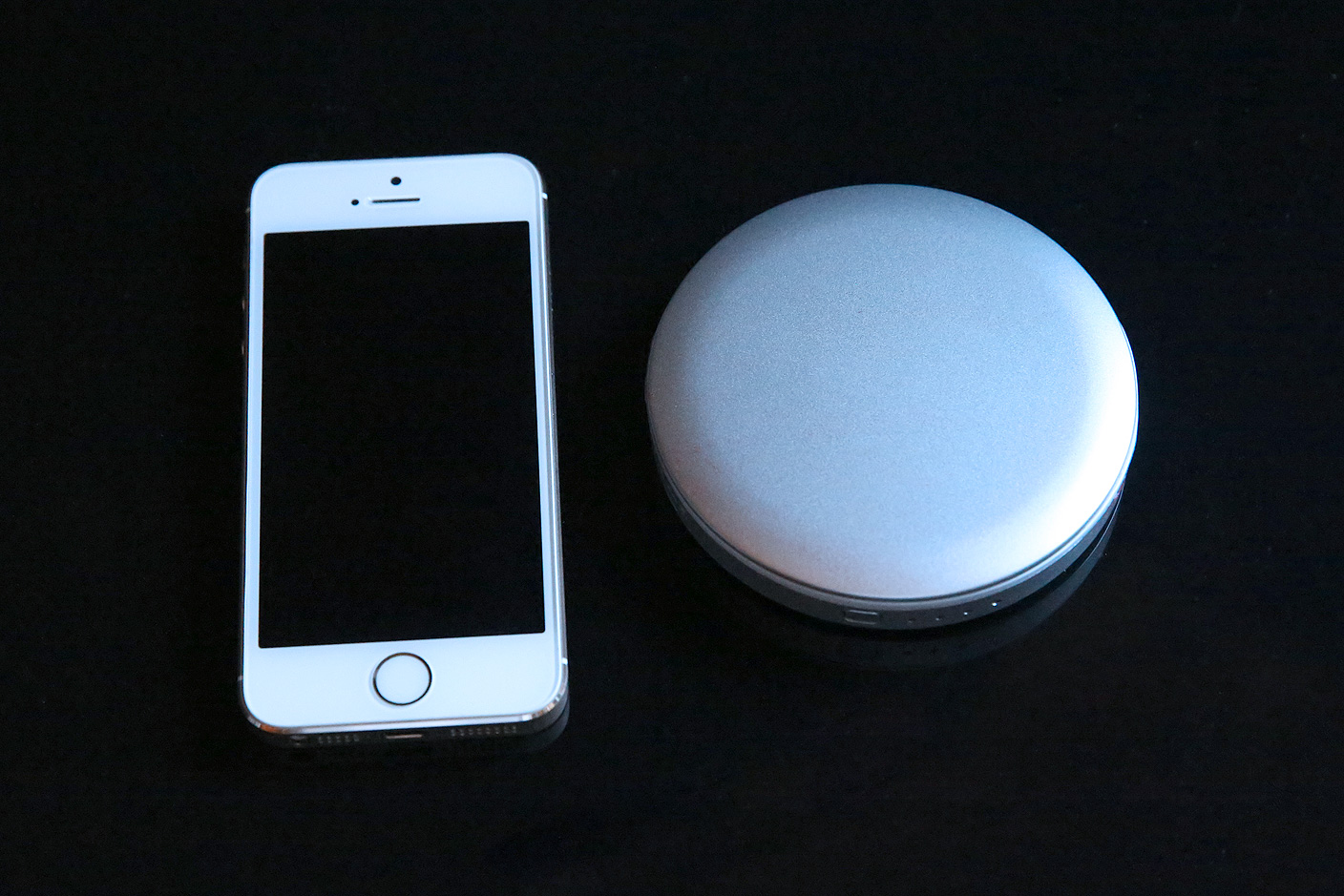
It’s not easy to create a legitimately novel accessory these days, and it’s even harder to sail smoothly through a crowdfunding campaign to bring one to market. Sanho — better-known as Hyper thanks to a popular line of battery products — spent much of 2014 preparing to release a female-friendly combination compact mirror and USB battery pack, using both Kickstarter and Indiegogo campaigns to raise funds for its production. After making a public splash at the 2015 CES alongside the new (and world’s smallest) laser pointer iPin, the mirror-battery Pearl ($40) is now shipping to customers.
The result — a 3.6″-diameter circular double mirror with a 3000mAh battery underneath — has been finished with silver, gold, or red glossy metallic exterior paint, and a white LED light ring inside. In short, it’s an elegant and welcome option for female iPhone users, delivering a combination of solid build quality and good value for the price.
Like most things, the title of “best iPhone 6 battery case” is subject to change whenever something new and great shows up to challenge existing options, and as the iPhone 6 is still young, we’re expecting a lot of jockeying for position over the next few months. The latest real contender comes from iBattz, maker of some of the best iPhone battery cases I’ve tested. Refuel Invictus for iPhone 6 ($100, aka Mojo Refuel Invictus) is the first iPhone 6 case to include a great feature from some earlier iPhone 4/4S and 5/5s cases: removable, replaceable batteries.
Using solely the items in its own box, Refuel Invictus delivered the largest recharge I’ve seen yet for the iPhone 6: 127%, or a full recharge plus an additional 27%. That might be enough to justify the asking price for some people. But you can also add a second battery and external USB charger for $25-$30 more. If you’ve been hunting for a slim battery case that can keep your iPhone running endlessly, this might be the most cost-effective way to do it.

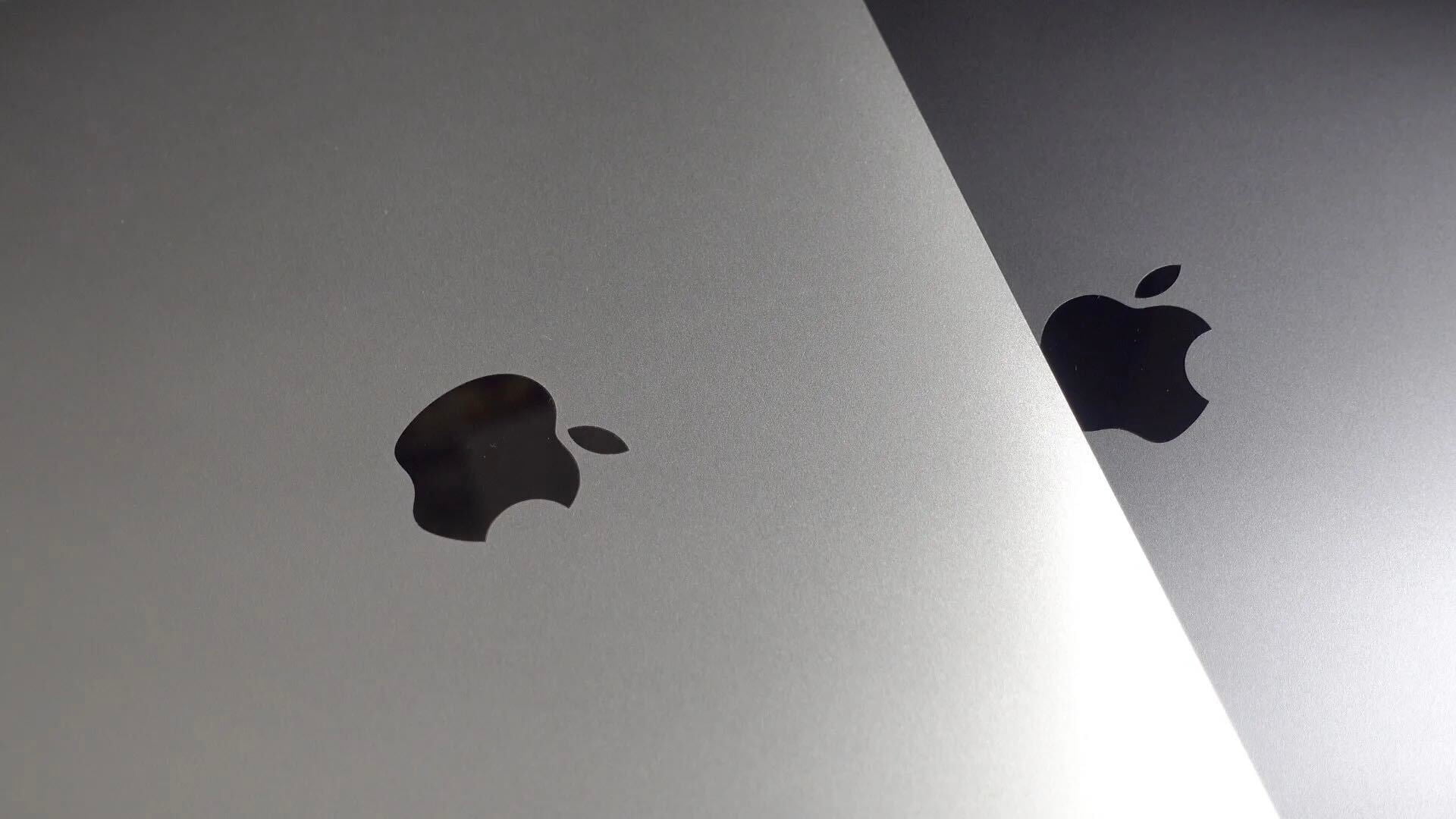
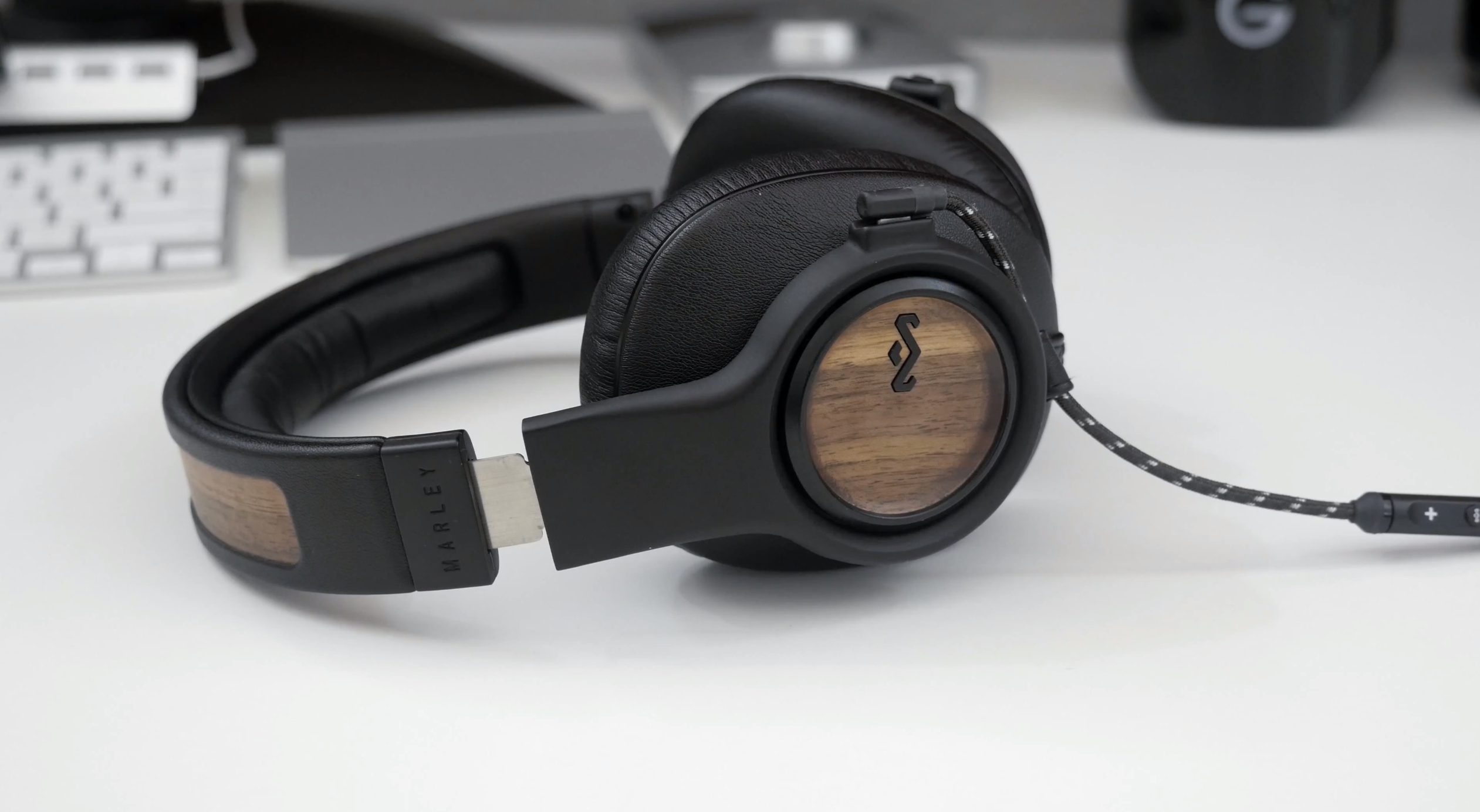
Back in January at CES 2015, we stopped by the House of Marley booth to check out some upcoming products, one of which, were the Legend ANC headphones. Since then, we’ve acquired a pair to thoroughly examine and it’s been a great experience so far…
At first glance, you could be forgiven for thinking you’re looking at some kind of ultra-small MacBook Air on the right, next to my MBA 11. It’s actually my iPad Air 2 in the ClamCase Pro keyboard case that combines all-round protection with a near-laptop-quality keyboard.
I’m testing here the case for the iPad Air 2, but there are other models for the iPad 2/3/4, previous iPad Air and iPad mini …
Expand
Expanding
Close
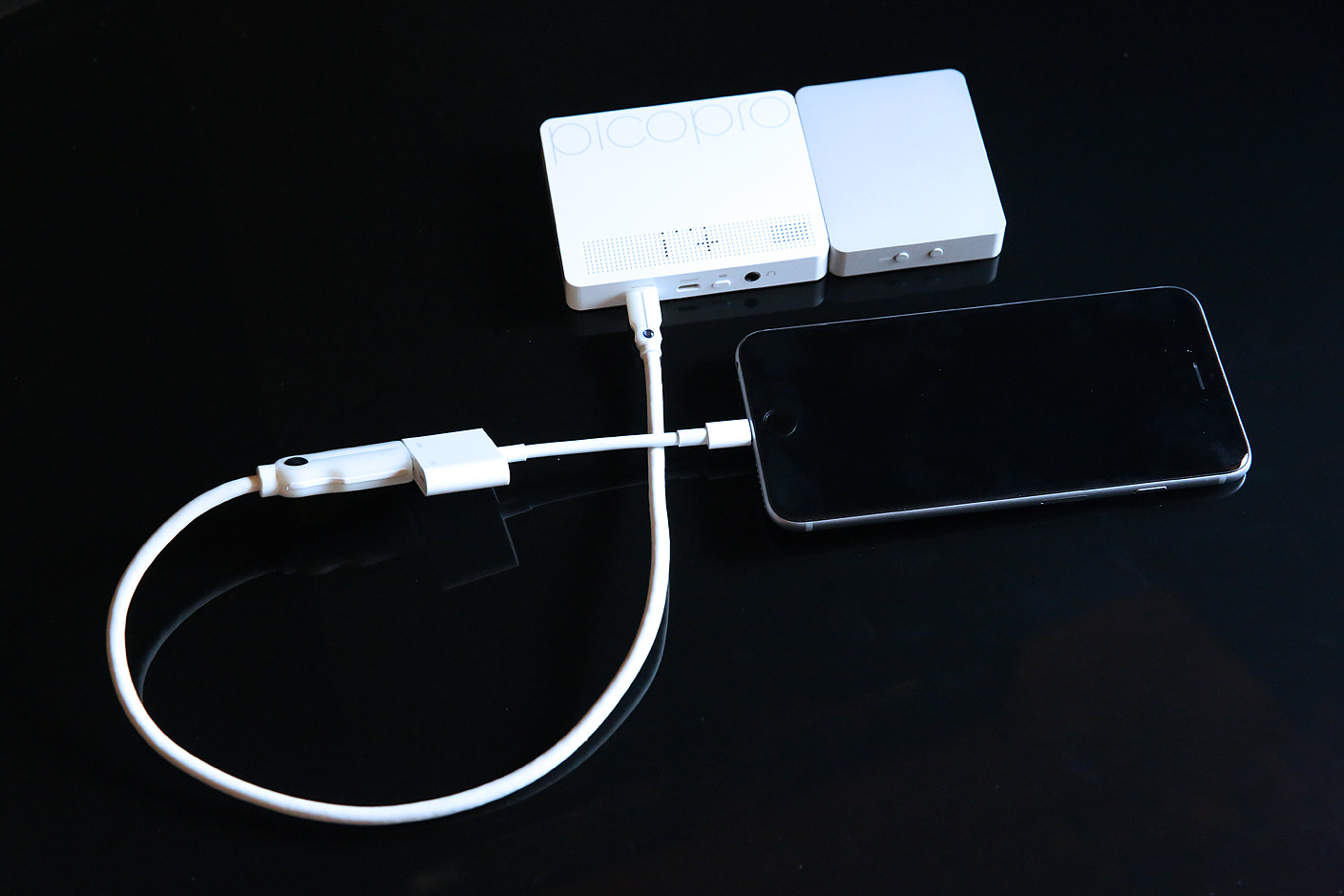
I grew up with a front-projector TV the size of a coffee table, later owned a rear-projection TV that was somewhat larger than an adult bicycle, and have since tested projectors shaped like DVD players, Mac minis, and iPhone cases. Pico projectors — generally small enough to fit in pockets — typically struggle the most to prove their practicality. Projectors generally need big, powerful lightbulbs to be seen in anything but the dimmest of rooms, and the smaller they are, the worse they tend to be, particularly as they move further from the surfaces they’re protecting on.
Korean developer Celluon — the company behind breakthrough laser keyboards that can create typing surfaces anywhere — is now trying its hand at pico projectors, and I have to admit that I’m far more impressed than I thought I’d be. PicoPro ($349) packs a high-definition video projector, a battery pack, and wireless capabilities into a 0.55″ thick enclosure with the same footprint as an iPhone 6 Plus. Overall, it’s the best small projector I’ve tested: much easier to use, quiet, and capable of delivering a better complete viewing experience. But like competing pico projectors, it also has some noteworthy limitations that you’ll want to be aware of before jumping in.
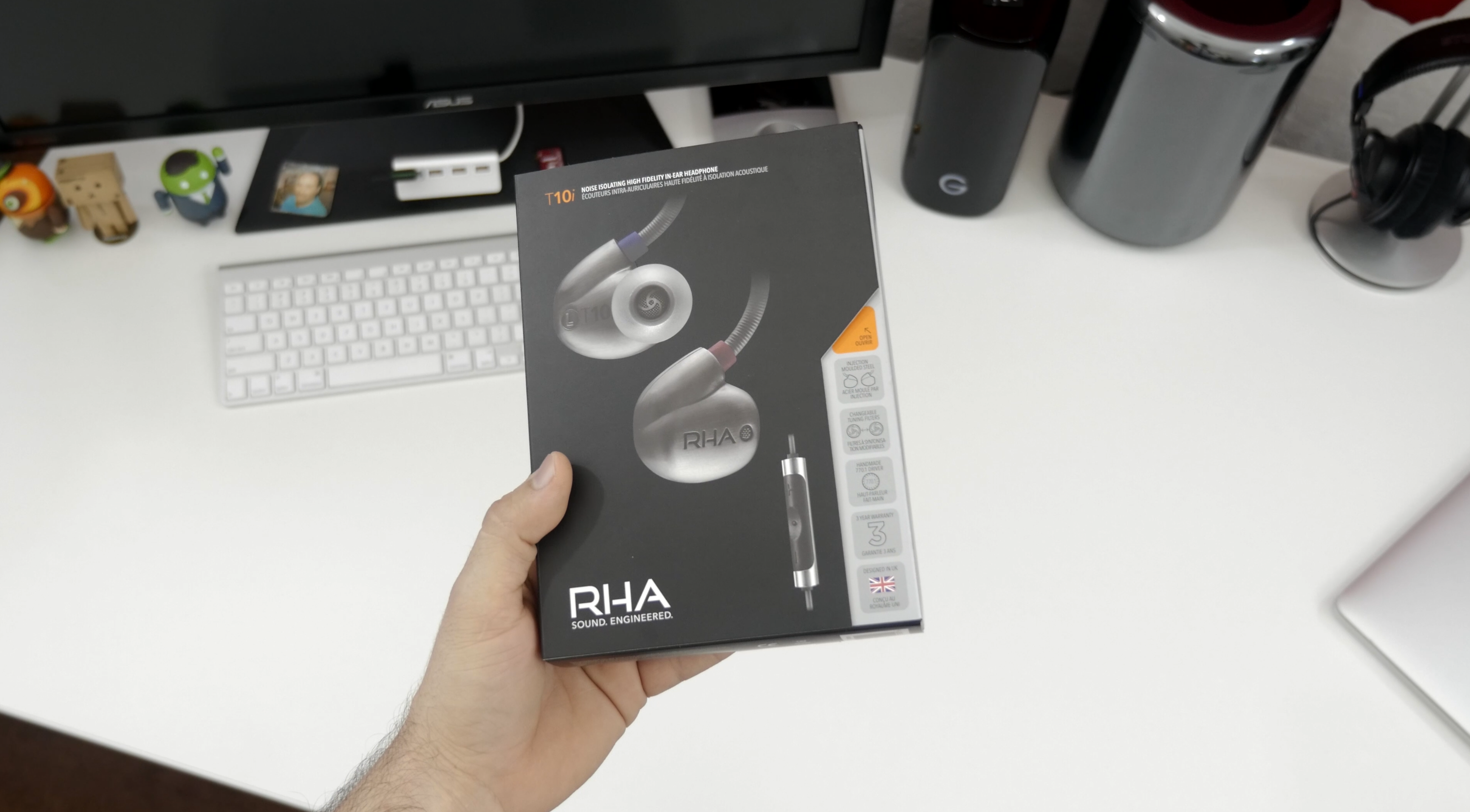
If you’ve been looking for high quality in-ear headphones, RHA has a very special treat for you. The T10i headphones pack unique characteristics when compared to others. The presentation is excellent and it won’t be easy to find similar in-ear headphones in this price range…
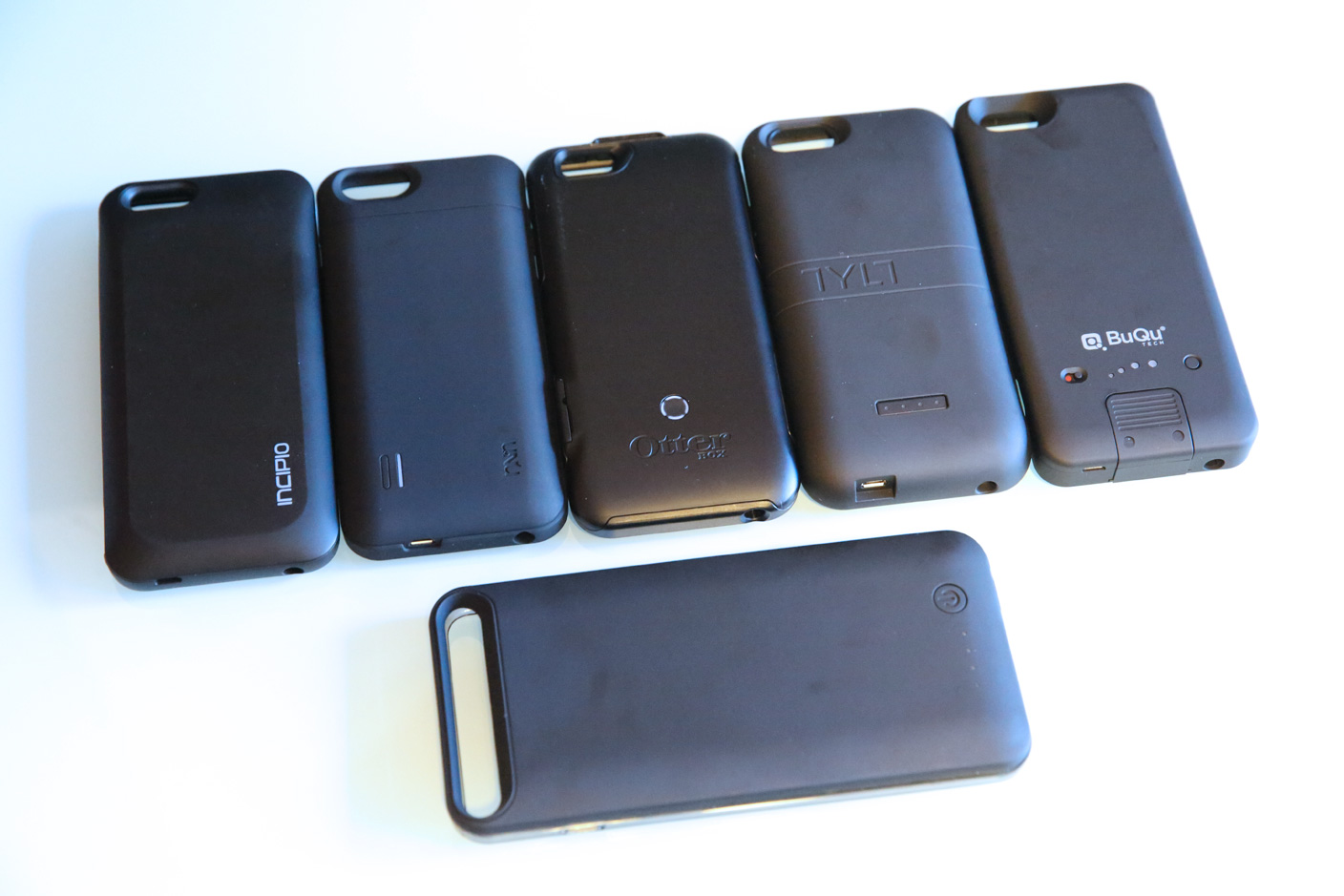
It’s a great time to buy an iPhone 6 battery case. Last year, there were zero Apple-certified options, but today, there are a handful of good to great choices at various price points. They may look similar to each other in the picture above, but the sea of black shells masks some important differences in iPhone protection, battery recharging capabilities, and pricing. We now have two top picks for the iPhone 6, as well as two completely different top picks for the iPhone 6 Plus. Note that the iPhone 6 versions typically work with the newer iPhone 6s, and the iPhone 6 Plus versions work with the iPhone 6s Plus; both of the “s” models have slightly smaller batteries than their predecessors.
Which battery case should you buy? The most recent update to this piece on October 6, 2015 added another new option! Read on for all the details…
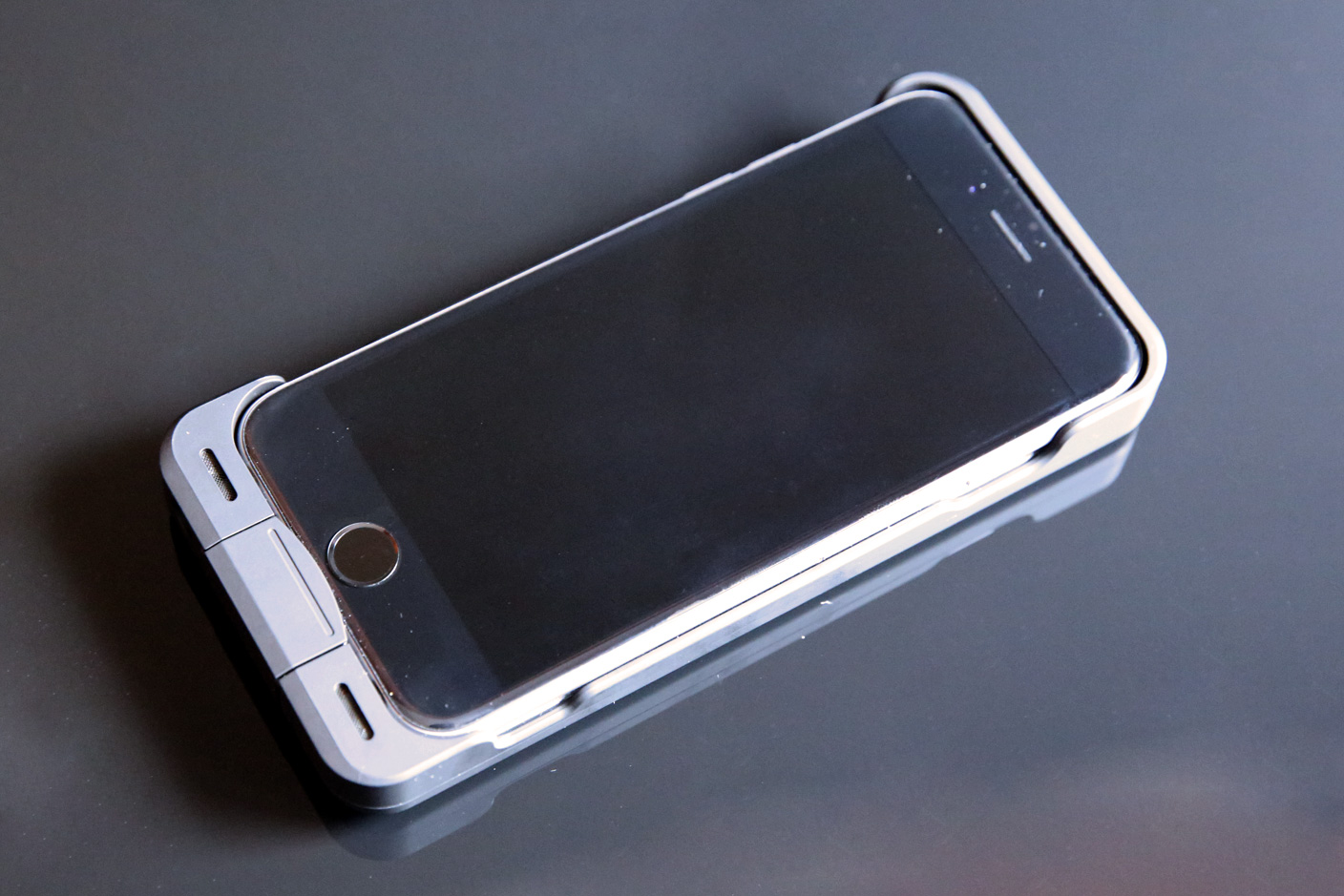
Officially licensed iPhone 6 battery cases are becoming increasingly common, and we’ve seen a bunch of them over the past month from a collection of major manufacturers. The latest to arrive is BuQu Tech’s PowerArmour ($80), which we’re only briefly reviewing because it’s a somewhat uninspired option compared with others we’ve tested.
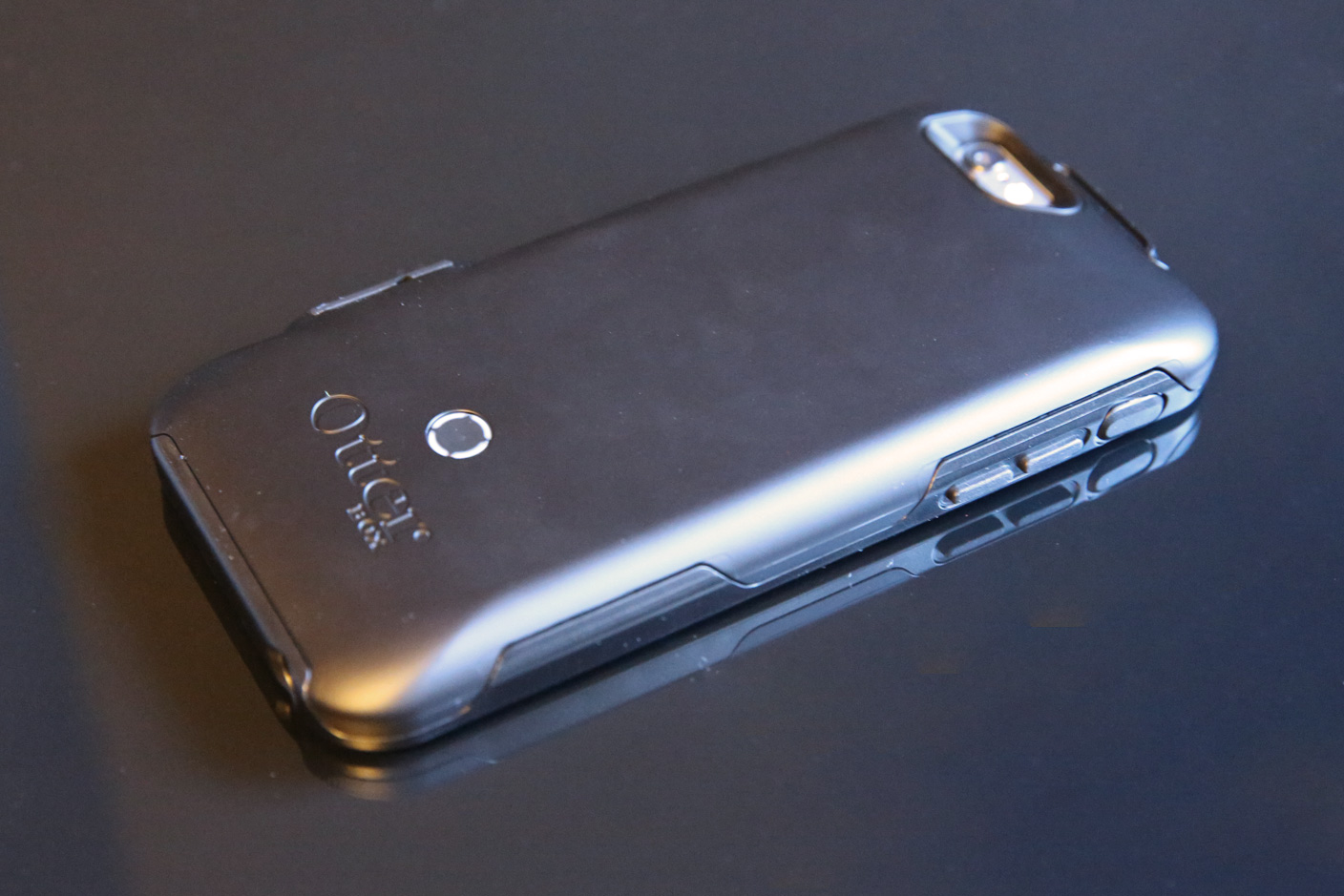
The OtterBox name is synonymous with ruggedized iPhone cases, but not with battery cases — something the company worked to change with the iPhone 4/4S Defender iON Series, and the iPhone 5/5s Resurgence Power Case. iON aimed to thoroughly protect an iPhone while automating the recharge process, while Resurgence reduced the automation and protection to make daily use easier. At CES this month, OtterBox launched a new version called the Resurgence Power Case for iPhone 6 ($100), and it’s been redesigned with a collection of small but welcome tweaks.
Whether you’ll prefer Resurgence to Incipio’s excellent offGRID Express (review) depends on what you’re looking for — ruggedization or raw power for the dollar. Like many companies, OtterBox is promising to double the iPhone 6’s battery, but it also has some currently unique benefits to offer. Read on for what makes OtterBox’s latest battery case special.
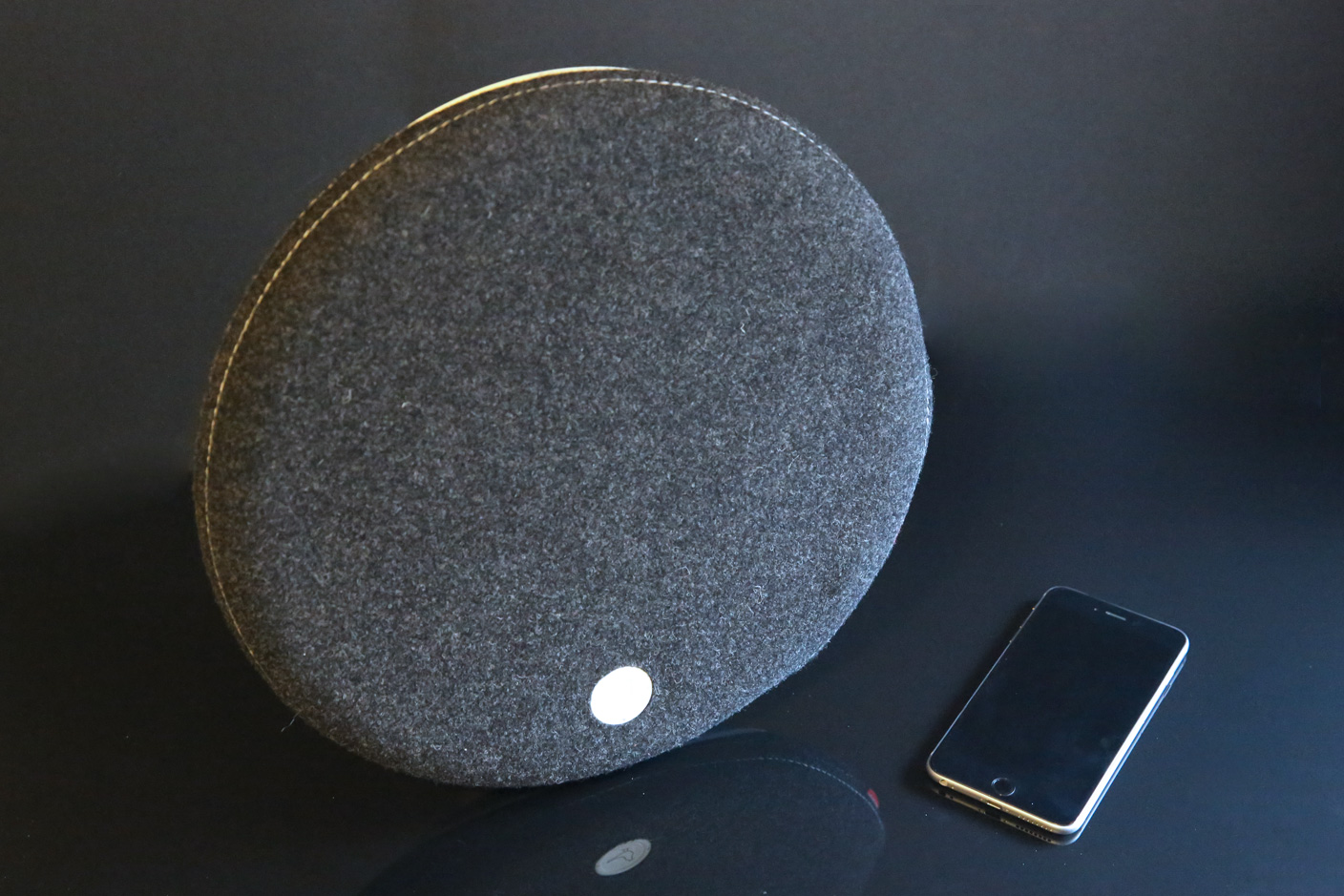
AirPlay isn’t dead as a wireless speaker standard, but it’s not exactly healthy: many models have been discontinued, and new releases have all but stopped. Having previously gone all-in with AirPlay, Danish designer speaker maker Libratone is now rolling out updated versions of its circular Loop, tube-shaped Zipp, and triangular Live systems that augment AirPlay rather than ditching it. The new Libratone Loop ($500) modestly tweaks the prior version to add Bluetooth 4.0 support — a feature that radically increases Loop’s compatibility. Though its high price tag will continue to keep this model out of reach for most consumers, long-awaited and substantial discounts on the prior-generation models (Loop here, Zipp here, Live here) may bolster their appeal.
Having tested the new Loop, my personal feelings are mixed: I applaud Libratone for consistently releasing speakers that look distinctive, working both as design objects and audio systems, but the MSRPs remain somewhat hard to justify given the sonic performance…
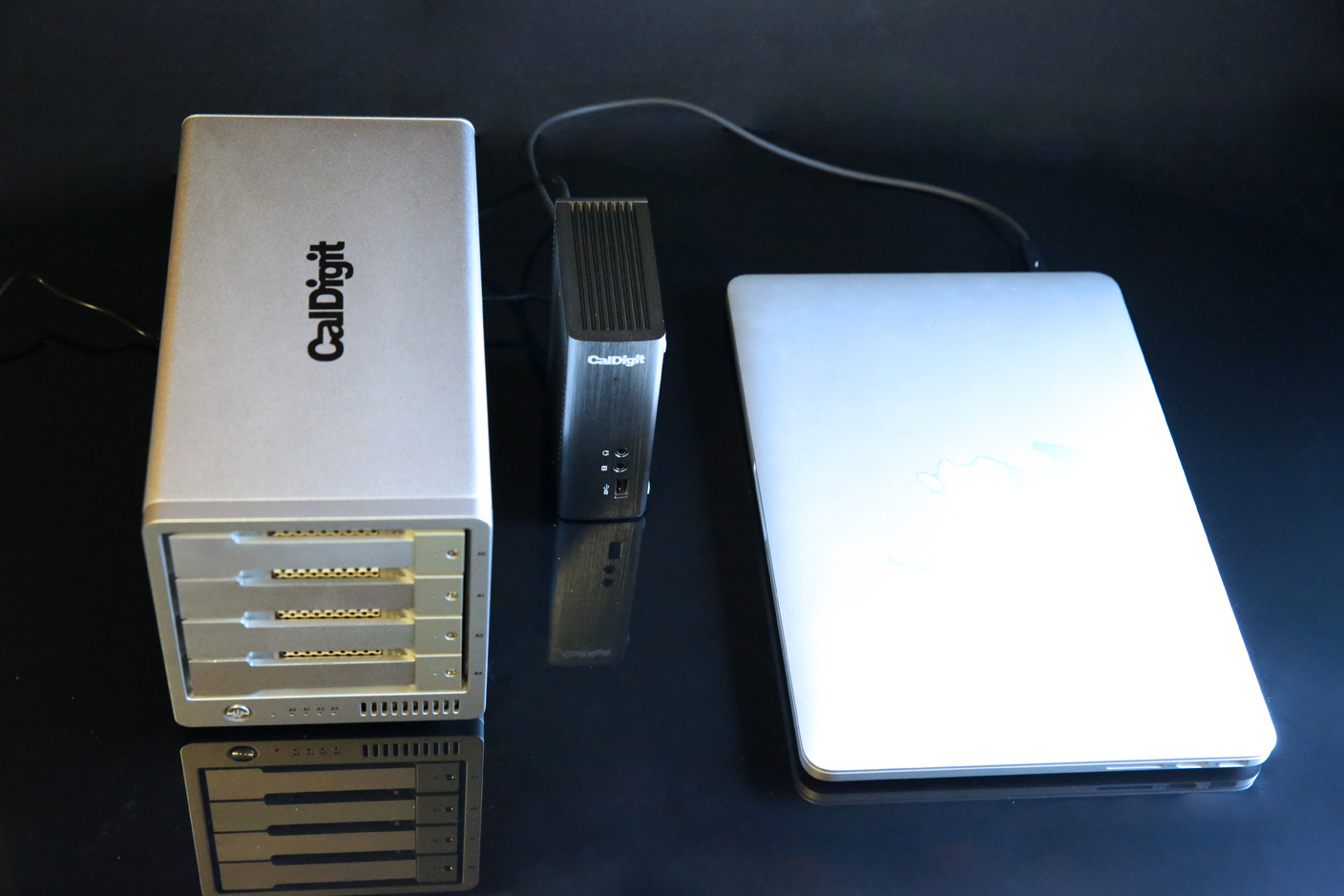
Despite USB 3.0’s growing popularity with consumers, Thunderbolt remains a viable alternative for professional users, particularly video makers willing to pay a premium for guaranteed high speeds. Over the past year, several Thunderbolt 2 hubs have come to market — boxes with one Thunderbolt 2 connection to a computer, one for a Thunderbolt accessory, and multiple ports to connect USB, audio, video, and Ethernet accessories. The idea: keep all of your gear hooked up to the hub, then use a single cable to connect it all to your Mac.
Known for large, heavy, professional-grade Mac accessories, CalDigit has just released Thunderbolt Station 2 ($199), which squeezes the same functionality offered by Belkin’s $300 Thunderbolt 2 Express Dock HD and Elgato’s $230 Thunderbolt 2 Dock (review) into a smaller, denser-feeling enclosure, at a lower MSRP — sort of. In reality, Thunderbolt Station 2 has some very specific benefits and one limitation that place it on par with its competitors, making the choice between them a more personal decision…
[youtube=https://www.youtube.com/watch?v=OuDa0pzmMP0]
No sooner did we get Touch ID on our iPhones than it started to feel horribly old-fashioned and tedious to have to login to our Macs by typing in a password. Apple will no doubt add Touch ID sensors to Macs soon I imagine, but if you can’t wait that long–or don’t want to have to lay out the cash on a new Mac–there’s an app for that.
MacID is a $4 app allowing your iPhone to unlock your Mac via Bluetooth LE. As you can see from the above video, once you’ve performed the setup, unlocking your Mac is as simple as selecting the device on your iPhone and then placing a finger or thumb on the Touch ID sensor …
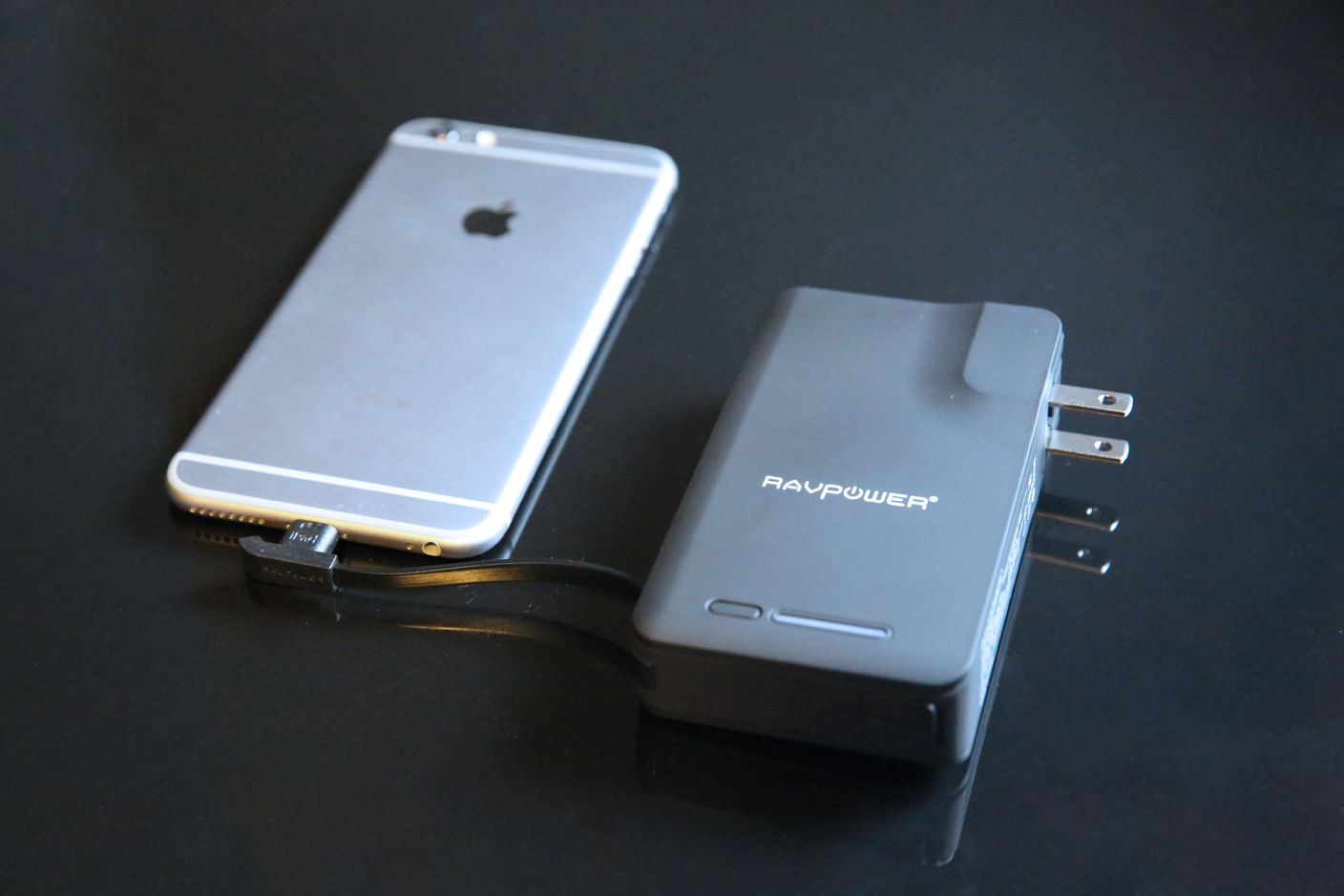
RAVPower has done a great job of changing the traditional price-to-performance equation for Apple device chargers. Its two-, four-, and six-port wall chargers (reviewed here) are the best options I’ve seen at their price points, so it’s no shock that its Savior 9000mAh External Battery Pack (MSRP $100, street price $50) delivers great value, as well.
Equipped with wall blades for easy recharging, Savior combines a high-capacity 9000mAh battery with an Apple-certified Lightning cable, competing with similar accessories such as myCharge’s Hub 9000 — but for half the street price. Read on for why Savior is so easy to recommend, as well as details on the compromises it makes to keep its size and price down.
I’m always up for reconsidering the “best accessory” in a given category when something new arrives, and after every year’s CES, the “best iPhone battery case” tends to change thanks to new arrivals. But even though many new options were shown at CES this month, none impressed us enough to take the crown away from Incipio’s $80 offGRID Express (review).
uNu’s new DX-6 ($80 MSRP, street price $70) is the latest to arrive for testing, and despite the company’s strength with multi-device USB battery packs, its iPhone 6 battery case doesn’t stand out in any way except pricing. The pitch is simple: if you want an inexpensive, Apple-certified 3000mAh battery case, DX-6 is your option. But you’ll give up some frills to get it …
We all have a ton of gadgets these days that are charged by USB, from iPhones and iPads to things as diverse as cameras, scanners and GPS units. The challenge can be finding enough USB ports to keep up, which is why I resort to a powered USB hub. It’s plastic and not exactly pretty, hence my interest in a rather beautiful-looking product from Truffol–the company behind the reversible USB cable we looked at last year.
The Truffol Station 5 is not a USB hub: there’s no socket to connect it to a Mac. It’s designed for one purpose only, and that’s to charge up to five USB devices at once. It differs from most other such devices in two ways: form and function …
Expand
Expanding
Close
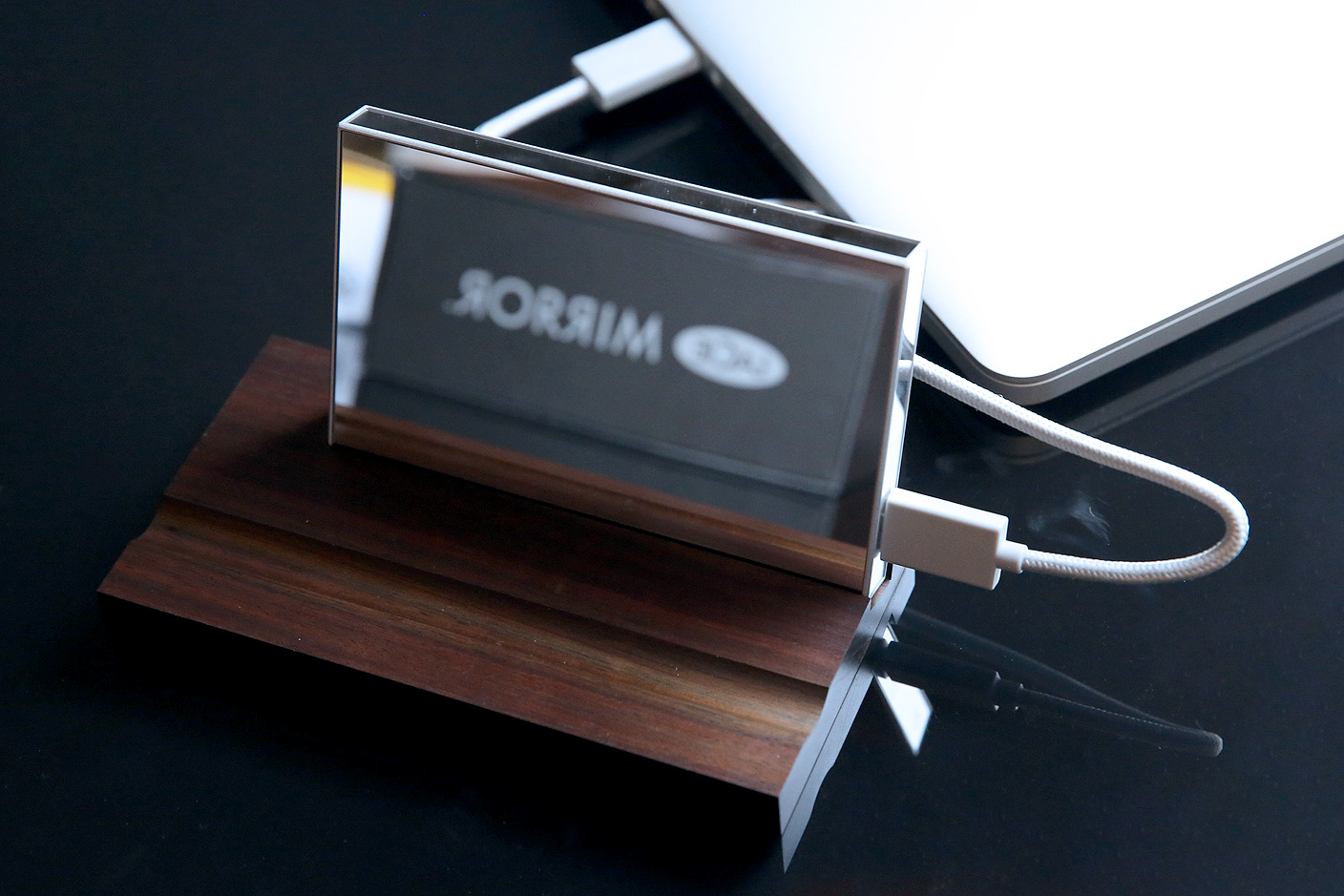
Until last week, the list of companies making visually stunning external hard drives began and ended with one name: LaCie. Partnered with respected industrial designers including Philippe Starck, LaCie has released more drool-worthy accessories than any other company in the Mac space — and that’s saying something. Numerous design successes led to LaCie’s acquisition by hard drive manufacturer Seagate, and at the 2015 CES, their combination bore fruit: the LaCie brand now has another beautiful hard drive called Mirror ($280), and Seagate debuted a designer hard drive called Seven ($100) — the thinnest 500GB portable drive ever made.
Although they’re cosmetically different and arguably designed to suit different users’ needs, Mirror and Seven have a lot in common, so we’re looking at them together in this review. Read on for photos and our hands-on test results.
I’m a big-screen fan. It’s the reason my primary Mac is still a 17-inch MacBook Pro, and why I have that hooked up to a 27-inch Apple Thunderbolt Display when I’m in my home office. When travelling, though, I have fewer pixels to play with. Sure, I could get a 15-inch Retina MacBook Pro, but I favor physical screen space over smaller screen elements.
There are existing apps out there, like Air Display, that let you use an iPad as a second monitor for a Mac, but they work via WiFi, which poses two problems. First, they often don’t work on WiFi hotspots, which you’re likely to be using when away from home. Second, even when they do work, there is an annoying amount of lag.
Which is where Duet comes in. Instead of using WiFi, it feeds the video signal from your Mac to iPad using a standard Lightning or 30-pin cable. Built by ex-Apple engineers, I figured it ought to be work well, so put it to the test …
Expand
Expanding
Close
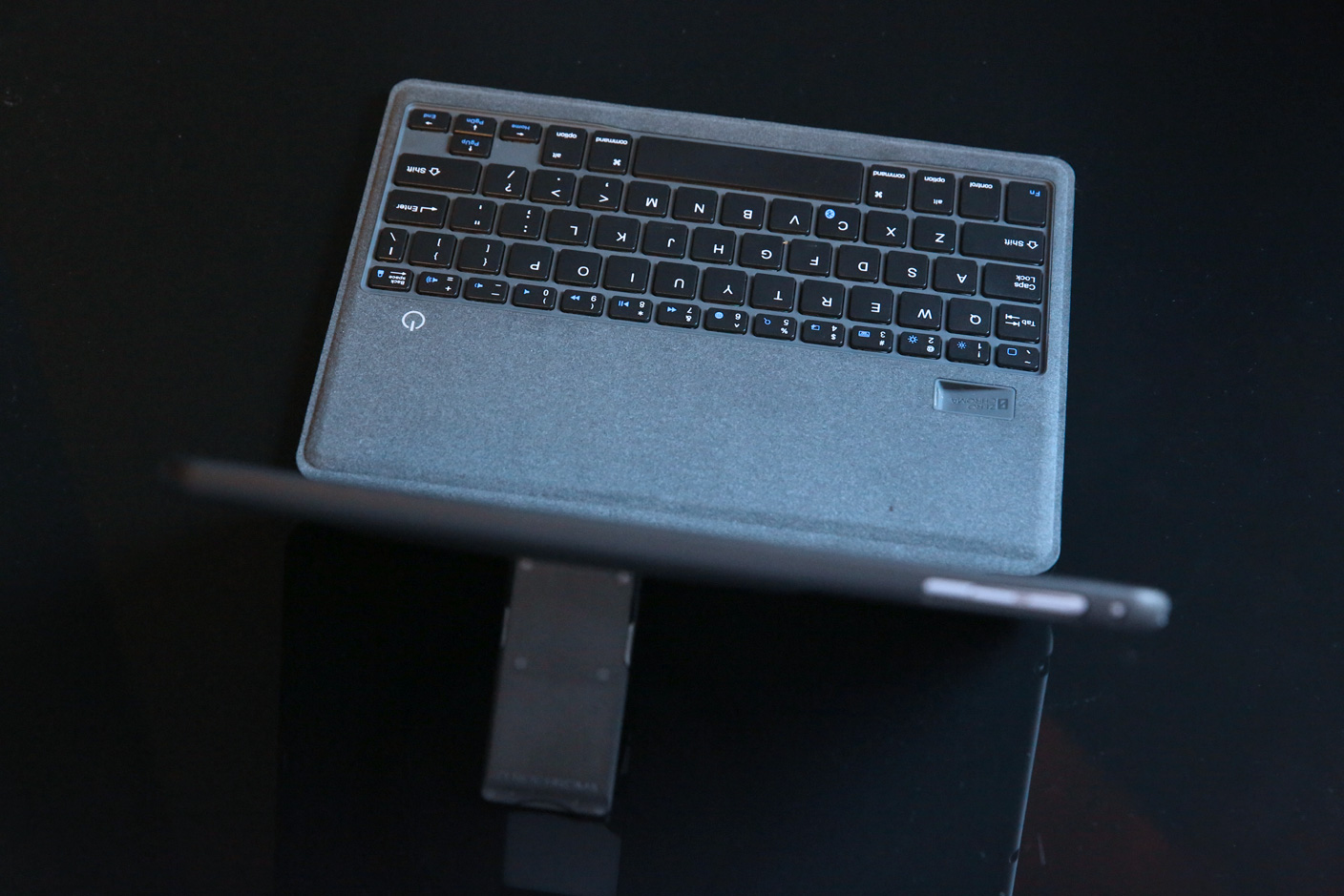
History suggested that iPad Air 2 cases would be far more numerous after January’s annual CES show, but due to unexpected production delays, there still aren’t many choices out there. But thanks to ZeroChroma, there are two largely bright spots on the horizon: a finished case called Folio-Slide for iPad Air 2 ($70), and an upcoming $100 version called Folio-Slide with Slide-Lid Keyboard, both of which I’ve been testing for the past week.
The basic version of Folio-Slide is the iPad Air 2-compatible sequel to the very best case I’ve tested for the original iPad Air – one I highly recommended in an iPad case and stand roundup last year. But this year’s version regrettably took a couple of design shortcuts in order to quickly reach the market, the details of which may or may not matter to you. On the other hand, ZeroChroma’s Slide-Lid Keyboard is a truly interesting new add-on that will really appeal to iPad Air and iPad Air 2 owners. Read on for all the details.
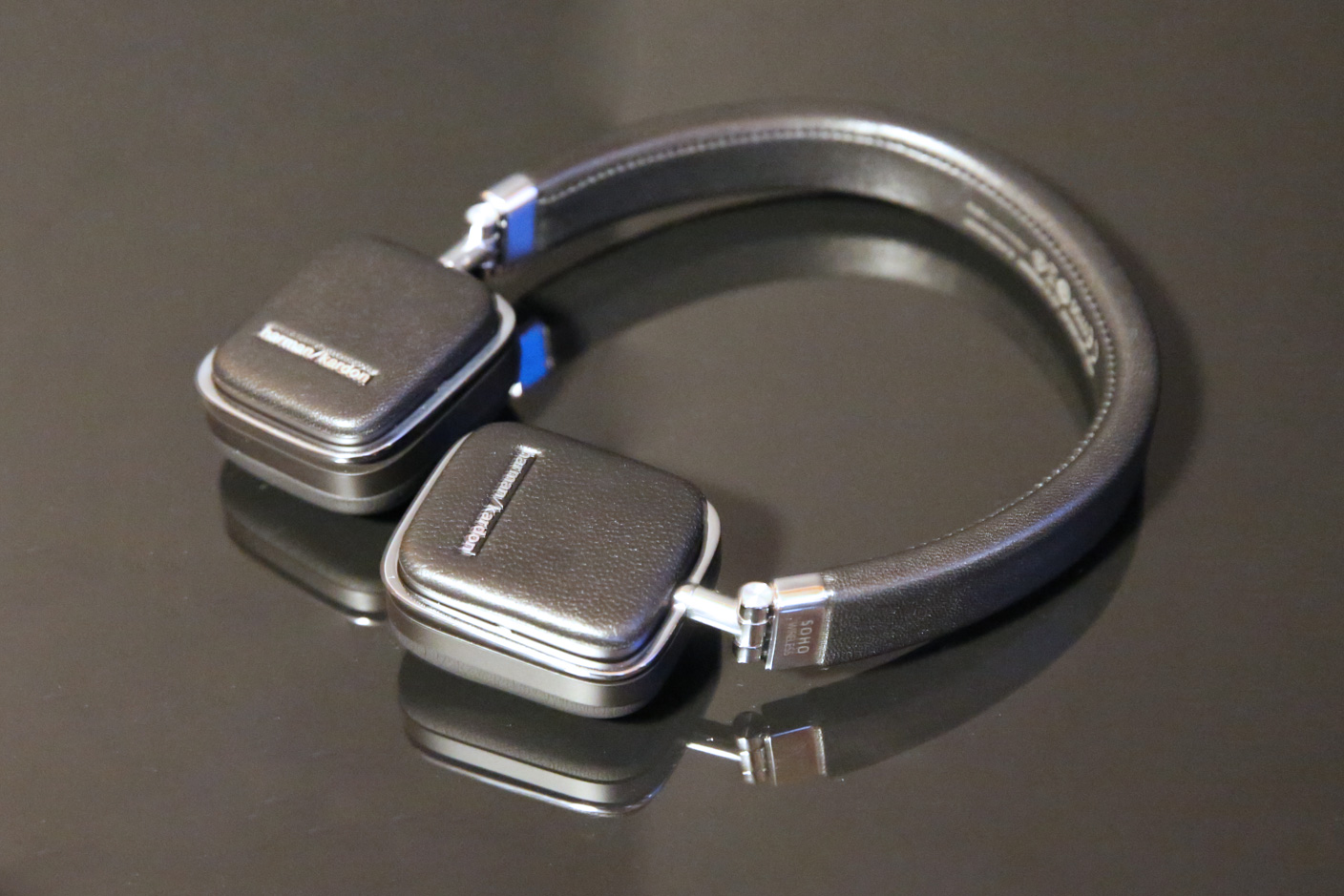
I wasn’t a fan of Harman Kardon’s Soho headphones when they debuted a year ago, but the reason was unusual: they were seriously uncomfortable. Soho was a much smaller, wired version of Harman’s gigantic Bluetooth wireless headphone BT, notably using relatively tiny 30mm speakers instead of the 40mm drivers found in BT and many rivals, including Beats’ Solo 2 and Solo 2 Wireless. Something was off during Solo’s design or manufacturing process, because its steel headband felt like a vise on my head, an issue I hadn’t previously encountered while testing hundreds of other headphones.
Believe it or not, I’m glad that Harman didn’t give up on Soho, because the latest version Soho Wireless ($250) actually fixes most of its predecessor’s flaws. It’s a sharp-looking headset, and though it continues to use anemic 30mm audio drivers, Soho Wireless is markedly smaller and more comfortable than before. As the name suggests, it’s now capable of operating in a fully wireless mode using Bluetooth 3.0, with a usable range well in excess of the standard’s 33-foot minimum. And Harman has upgraded the design and materials a little, apart from including a simpler soft carrying case rather than a larger, heavier box.
The two biggest changes in Soho Wireless’s design are tweaks to the headband and the on-ear drivers. Although the new headband could still benefit from padding under its leather wrapping, Harman has thankfully revised the shape to feel natural rather than vise-like on your head–a critical improvement that makes Soho Wireless actually wearable.
The speakers are now behind cushioned leather rather than fabric, which lets this version of Soho surpass the luxury of Bowers & Wilkins’ P3 rather than just matching it. If anything, Soho Wireless is gentle on the ears even after you properly adjust the pull-down arms, which permits a little ambient noise to leak in—you don’t get the ear seal of Beats’ Solo 2, but there isn’t obvious audio leaking out at regular volumes, either.
Harman has also made a couple of changes to Soho’s cabling and controls. On Soho Wireless, the included 3.5mm audio cable is purely optional—slim, fabric-jacketed, and lacking an in-line remote control. The only integrated button is found underneath the right earcup, doubling as a power and Bluetooth pairing control. A similarly-sized box with a USB icon hides a micro-USB port, connectable to an included fabric USB cable to recharge Soho Wireless’s 400mAh battery, for which Harman’s web site, packaging, and manual oddly provide no estimate of run time. When asked, a Harman representative noted that Soho Wireless offers 9 hours of playback after 2 hours of recharging, which isn’t bad at all, but falls a bit short of the 12 hours promised by Beats’ Solo 2 Wireless.
Track controls are hidden on the outside of the right earcup. To change, pause, or play tracks, you now tap or swipe your finger against the flat leather surface using gestures helpfully indicated inside Soho Wireless’s box. When the gestures work, they work, but all it takes is a slight miss of the hidden touch surface and you’ll find yourself re-tapping or re-swiping. Once again, this feature is better than having no integrated controls, but less than ideal.
Sonically, Soho Wireless is a middle-of-the-road performer for its price. As the 30mm drivers inside are atypically small, there are points during listening when they seem to be straining to reproduce the frequency range–notably the bass–of larger headphones such as Solo 2. Head to head, they’re pretty close to Solo 2, roughly mimicking the Beats model’s so-so highs, fine midrange and good mid-bass, but the lowest notes aren’t as punchy or obvious.
We preferred Soho Wireless’s sound in wired mode, as a hint of buzz can be heard in the headphones when they’re operating wirelessly, but the difference isn’t profound. Additionally, a microphone is hidden underneath the right earcup, delivering only OK sound quality relative to the iPhones’ built-in mic system when you need to make phone calls.
The key thing that will make Soho Wireless a viable alternative to somewhat comparable alternatives from Beats, Bowers & Wilkins and others is the aesthetic it delivers for $250. Harman’s choice of chrome and leather is luxurious and mature, giving users the choice between Beats’ more expensive, all-plastic design or something that looks and feels executive-class at a lower price. On the other hand, you’ll compromise somewhat on audio quality, which may or may not be important to you. Soho Wireless is a big step in the right direction for Harman, but definitely not the last stage in the evolution of its wireless headphones.
Read more of my reviews here, as well as our premium headphone guide, and some of my personal top headphone picks.