Mark is an award-winning journalist who worked at 9to5Mac for over six years. He covers Apple and other topics related to the consumer technology industry.
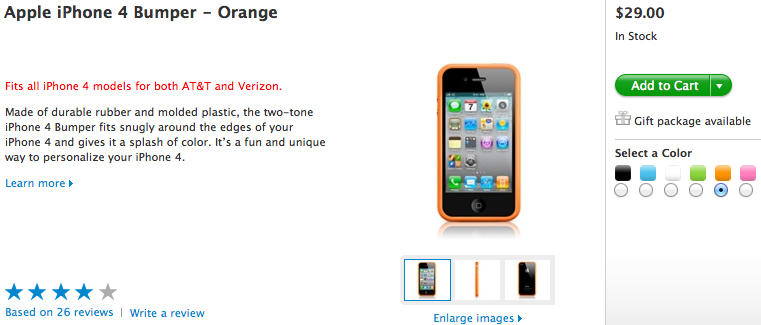
As Apple’s next-generation iPhone festivities come closer to reality, Apple appears set to discontinue their Bumper case – the controversial $30 accessory which Apple provided free of charge to users complaining about their iPhone 4 antenna connection. Some have said that $30 is a bit expensive for a piece of rubber.
As Apple transitions its iPhone line to the iPhone 5, some may not find Apple’s discontinuation of an iPhone 4 accessory surprising. But, there are the countless rumors pointing to Apple retaining the iPhone 4 design for their fifth-generation iPhone.
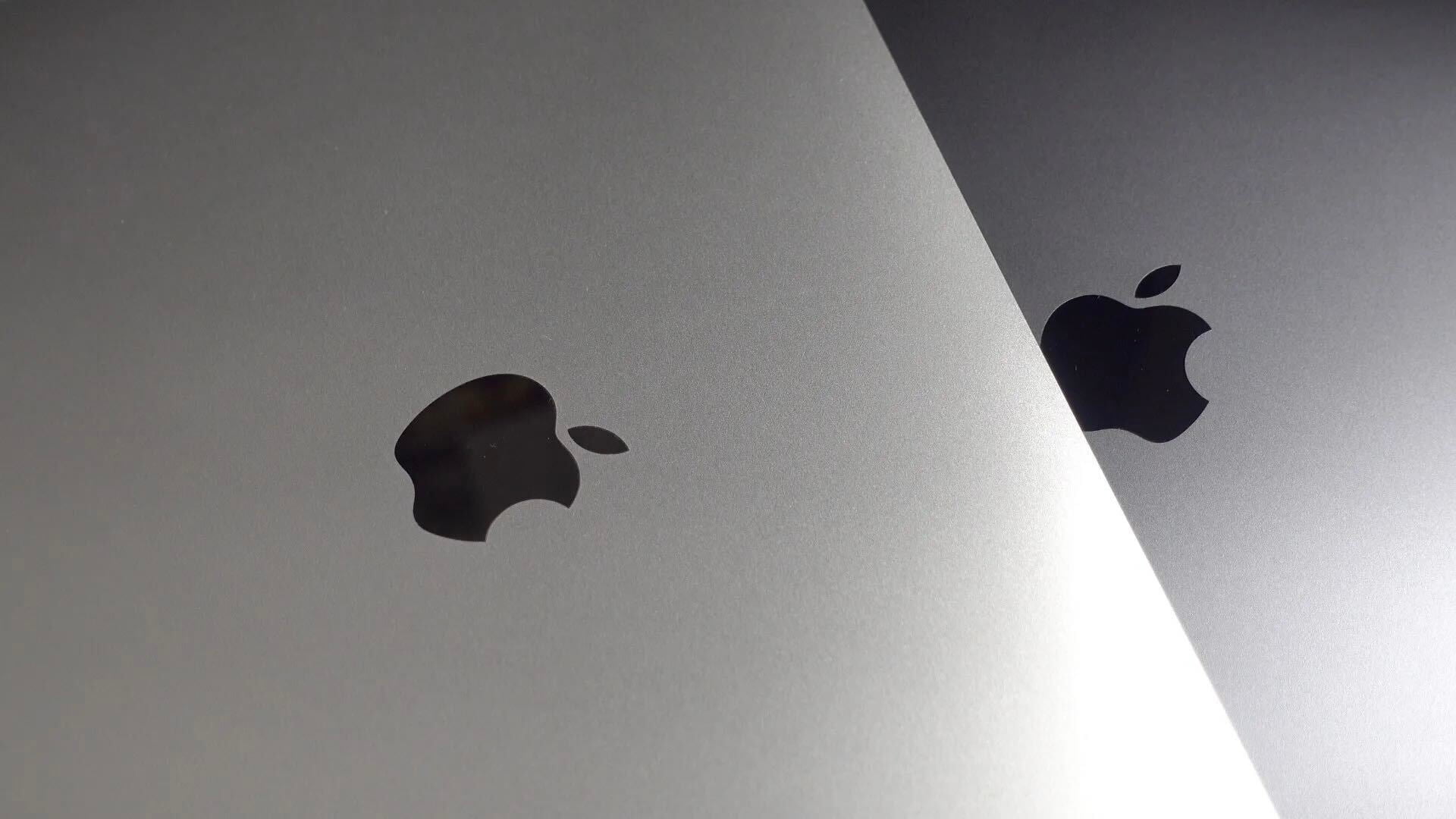
With Apple apparently set to discontinue the Bumper, the next iPhone may require an updated Bumper or may even feature an all new design. Of course, there is also the possibility that Apple has simply decided to discontinue the Bumper but still retain the iPhone 4 design. After all, an 8GB iPhone 4 has been rumored.
That being said, Apple is set to discontinue the 16GB and 32GB iPhone 4 – according to stock constraints of the product in major regions.
Thanks Mr. X!
In somewhat related news, CaseMate garnered some publicity today with its iPhone 5 cases, that resemble lots of previous cases, below:
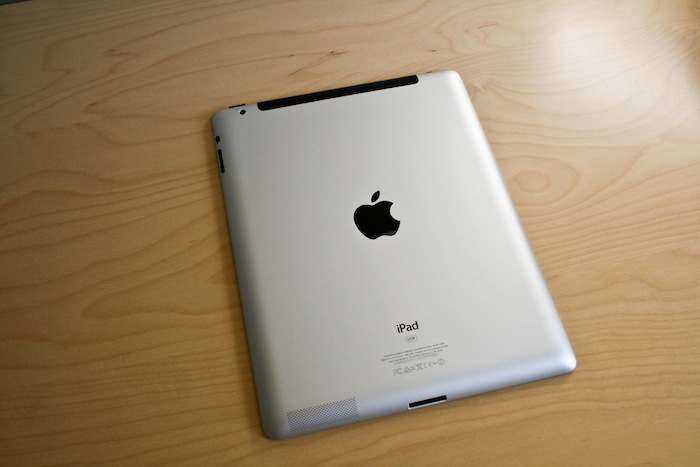
Apple and Sprint have completed work on a version of the iPad for Sprint’s data network. This Sprint compatible iPad appears to be ready for public consumption and will join the family of GSM (AT&T) and Verizon capable Apple tablets before the holidays. With Apple soon launching a Sprint version of the iPhone – which we independently confirmed in June – we suspect that the Sprint iPad will come alongside or soon after that release. The iPhone 5 release is still scheduled for October 7th according to our source (and others), but changes/delays are always possible.
The Sprint version of the iPad is completely separate from the CDMA Verizon model. We can’t confirm that this new iPad will run on Sprint’s powerful 4G WiMAX network, but the question begs to be asked: Why would Apple build a new iPad for Sprint and not use the CDMA iPad that Verizon already carries? A report yesterday from TUAW seemed to imply that a 4G iPad from Sprint would be happening at some point.
What’s perhaps most enticing about the Sprint iPad (besides the possibility of 4G) is that Sprint is a lot more generous with its data plans, perhaps offering iPad users once again a truly unlimited data option.
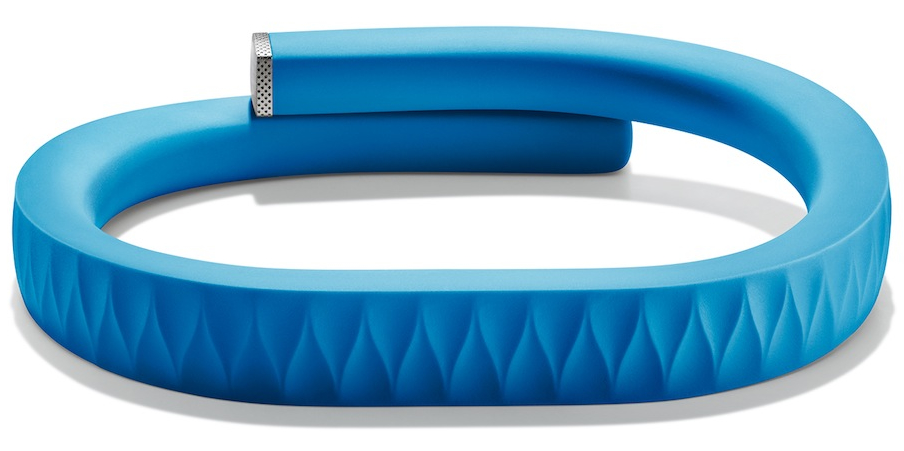
Bluetooth headset maker extraordinaire Jawbone revealed earlier this year that they plan to bring a health aware electronic bracelet called Jawbone Up to the market later this year. Details on the interesting product have been very scarce, with just a handful of tidbits and press shots emerging since the product’s announcement in July. Now, we’ve secured the product’s full promotional video (right below) and all of the details… including a launch date.
We’ve posted all of the internal documents after the break, but here’s the summary:
The Jawbone Up uses sophisticated hardware and software to track user’s steps, distance traveled, pace, intensity level of movement, and calories burned throughout a day. In addition, the system intelligently breaks down a person’s active time versus inactive time. Perhaps the coolest feature within the device’s “Move” functionality is the ability to remind users when it’s time to get up and be active. This little bracelet can actually vibrate as an alert for the user to become active. Of course, a user reads all of the above information categories from their iPhone or Android device with a special Jawbone-built application.
Another focal point of the Jawbone Up’s iPhone integration is a very neat feature in their “Eat” category. The bracelet – along with the app – can learn what food is best for a user’s metabolism – and can create a custom diet setup for each user. As you can see in the promotional video above, a user can just snap a photo of each and every meal in order to get the “Eat” system rolling. In all, this “Eat” function promises to track your meals, measure eating responses, and improve your personal metabolism: all with the help of a comparatively (to gadgets) good looking bracelet and an iPhone app.
The third cornerstone of the Jawbone Up has to do with sleep. These sleep features are perhaps the Up’s most instrumental capabilities. The Up basically tracks everything about a user’s sleeping habits: hours slept, time to fall asleep, sleep phases/patterns, waking moments, and overall sleep quality. Within this sleep category, the most important and intutive feature is the “Silent Wakeup Alarm” mechanism. In order to allow a user to wakeup refreshed, the bracelet will send gradual vibrates to the user. Based on your natural sleep cycle, the feature will fully wake you up.
Jawbone said the Up would launch later this year, and the company is currently shooting for a September 25th launch of their intuitive and feature packed health-bracelet. We’ve also got the official sizing chart for the product (which may work with BlackBerry also) thanks to reader C.
Radio Shack promised they would begin selling Verizon devices in mid-September, and now they have picked a great device to kickoff their Verizon Wireless partnership: the Verizon iPhone 4. Radio Shack will begin carrying the 16GB and 32GB (some locations) models (possibly only in black) of the Verizon iPhone 4 on September 15th, just a couple of weeks before the launch of the iPhone 5. Some Radio Shack locations will also get the Verizon iPad 2.
To us, the timing seems a bit odd. When Apple released the 8GB version of the iPhone 3GS alongside the 16GB and 32GB iPhone 4, they immediately removed the 16GB and 32GB iPhone 3GS models from the iPhone lineup. If Radio Shack landing the 16GB and 32GB Verizon iPhone 4 has anything to do with Apple’s future iPhone plans – which may seem unlikely to some – we’re not too sure what to think about the 8GB iPhone 4 rumor.
Just days after Apple Store employees started their internal training of Apple’s upcoming iCloud and iOS 5, Apple’s global carrier partners have begun their own version of the process. According to participants, the training largely mirrors the training that occurred soon before last year’s iOS 4 launch alongside the iPhone 4. Interestingly, these major carrier partners’ support divisions are also being trained on iCloud.
This iCloud training demonstrates Apple’s push of both iCloud and iOS 5 as integrated products. After all, many of iCloud’s unique features are iOS-device based and many of iOS 5’s cornerstone features rely on iCloud connectivity. The training materials are said to have been developed with Apple’s assistance and include both detailed video and PDF-based explanations. With these carriers already training, we’re thinking that official news from Apple on the subject is imminent.
Separately, Apple’s most prominent carrier partners have been seeded near-final builds of iOS 5 for final testing. This build is newer than the betas seeded to developers and includes some unique features. According to a source testing this build, FaceTime over 3G is active. According to this source, testers are being instructed that 3G FaceTime testing is a high priority. What is still up for discussion, though, is whether or not this feature will reach end users in iOS 5.
In addition, this near-final iOS 5 build in late carrier testing includes the Nuance Dictation speech-to-text feature we first revealed screenshots of and detailed. According to a source testing the feature, it works almost identically (video above) to the Android operating system’s speech-to-text feature. It’s also very polished, quick, and accurate said the source – which is obvious for being an Apple product but also is indicative of the product being nearly complete.
One last thing… that iOS 5 system-wide Assistant feature we revealed and discussed on several occasions? It’s apparently not in this near-final build. Since the feature is confirmed to be in development, our only assumption is that iOS Assistant is an iPhone 5 exclusive. Or, Apple is keeping it from even their most important carrier partners until it’s officially announced.
@Duardo. The iFixYouri iPhone repair shop and 9to5Mac will be fixing your iPhone for free! For those who didn’t win this time around, we will be picking another winner next Friday! Here are the rules:
In order to enter the contest, retweet this post on Twitter with hashtag #HelpiFixYouri and a picture of your broken iDevice for a chance to win. If the story about your broken device requires more than what a tweet can share, send an email off to support@iFixYouri.com or like and share it on their Facebook page.
A winning contestant will be randomly selected each week. You are only allowed to enter once and a winner can only win one time. If it is determined that your device is irreparable (and doesn’t start in Blend-Tec condition), iFixYouri iPhone repair and 9to5Mac will replace the device with a good working equivalent! (also no iPod shuffles or nanos are eligible)
You will also need to follow both iFixYouri and 9to5Mac on Twitter so we can DM you in case you win. Just a hint, send in high-quality pictures of your device.
This Thursday, the city of Cupertino will be holding a meeting regarding the environmental impact of Apple’s upcoming “spaceship” campus. According to the city’s website, Cupertino is preparing an environmental impact report for the new structure.
The City of Cupertino will be the lead agency and will prepare an Environmental Impact Report (EIR) for the Apple Campus 2 Project located on an approximately 176-acre site bounded by East Homestead Road on the north; properties adjacent to Tantau Avenue on the east; Interstate 280 on the south; and Wolfe Road on the west.
Thursday’s meeting is for the public to be able to bring in their own input on the project’s environmental outlook. Steve Jobs showed up at the last meeting related to the new campus, so perhaps we’ll see him at this one as well. For those not living in Cupertino, the city will be live streaming the events this Thursday, September 8, 2011 from 6:30 – 8:30 pm.
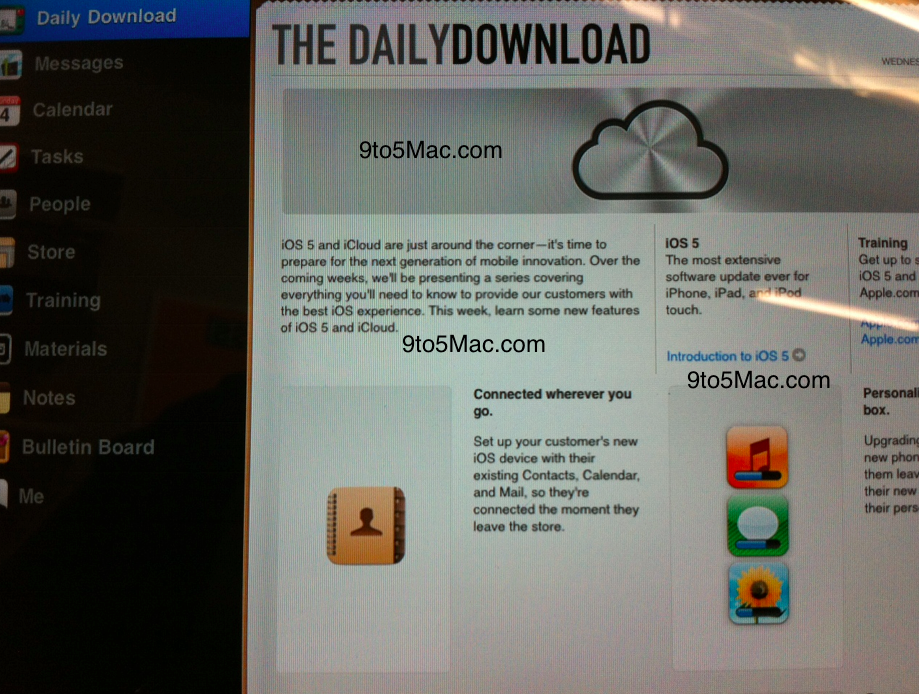
As Apple’s yet-to-be-made-official fall festivities approach, we’ve heard that Apple has begun iOS 5 and iCloud training with retail store employees. According to these sources, training is done through a new section inside of the company’s recently released internal RetailMe application.
Apple typically rolls out their major iOS releases in the days surrounding new iPhone launches. Apple Stores usually only begin their training of new software in the couple of weeks leading up to a respective product launch (obviously this time around could be different, though). Apple beginning their iOS 5 training within the last few days could mean a launch sooner than the recently rumored dates of mid-to-late October.
In addition to iOS 5, Apple Store employees have also begun receiving detailed information on Apple’s upcoming iCloud service. Apple originally said iCloud would be launching alongside iOS 5, which is necessary because of iCloud’s full integration into the next-generation iPhone, iPad, iPod touch, and Apple TV operating system.
If anything, this iOS 5 and iCloud training news helps support our original report of late September iPhone 5 pre-orders and an early October launch. Evidence that Apple is nearing completion of their iCloud service is a pickup of iCloud for Mac and Mac OS 10.7.2 betas to developers. In addition, Apple’s recent betas of iOS 5 have certainly focused on performance, speed, and the removal of bugs. Thanks, iDannyOcean!
Google Latitude explanation video – seemingly similar to the planned Find my Friends service
You may remember a finding in the iOS 4.3 SDK that pointed to Apple’s work on a new iOS-device based social network called “Find my Friends.” Many have speculated that this means Apple is working on a location-based social network – similar to Google Latitude or Loopt – that would essentially put all your friends on a map. At that time, a source told us that Apple has been working on the Find my Friends project for some time – but also said that company has shelved the project a few times prior this SDK finding.
Now, we have discovered several references to this Find my Friends service inside of HTML code from the MobileMe/iCloud website. Because these findings reference aspects of MobileMe, we have to urge that this social network from Apple may have been eternally shelved. On the other hand, Photo Stream, when we first revealed it, referenced MobileMe. Now we know that it is actually an iOS 5 iCloud feature.
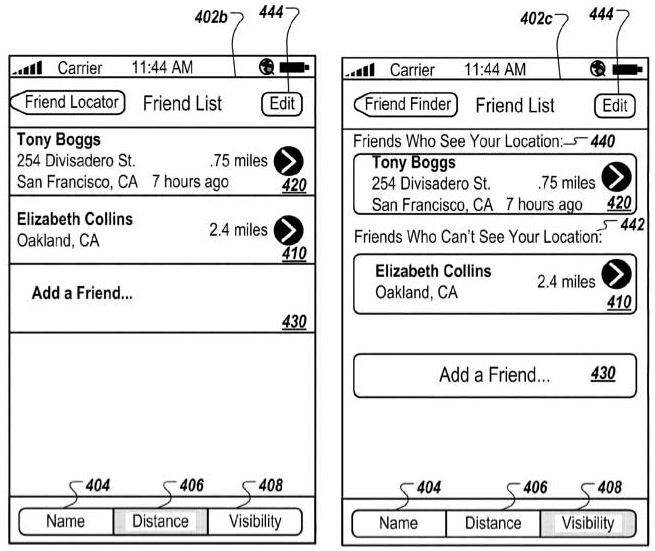
Drawing from Apple patent application from 2010
From what we can glean from this HTML code, Apple’s Find my Friends service was definitely in development, and it takes some terminology cues from Twitter, which happens to also be fully integrated into the upcoming iOS 5 release. The service may even be similar to a recent patent filing by Apple that is shown above. According to the code, users will be able to select other users to “follow.” Once a user “follows” another user, they will gain access to information about the user besides their location. Apple would presumably create profiles – maybe similar to Game Center – based on Apple IDs. Because the terminology is so similar to Twitter’s, perhaps Apple’s Find my Friends integrates with a Twitter login.
Users, just like in the patent drawings above, will have a user interface that displays a list of everyone they are following and another list that shows everyone who is following them. For a location based service, it is critical for Apple to show the list of followers. To maintain user privacy, all follower requests will be placed into a “pending” process and each need to be individually approved. In addition, Apple is working on putting a clear “blocking” system into place. Users could block individual users of the Find my Friends service or even block follow requests altogether.
Besides having your friends or family member on a map for interaction, perhaps the most interesting part about Apple’s once planned – or upcoming – Find my Friends social network is that it ties right into Apple’s new iCloud and iOS 5 Photo Stream service; like we told you months ago. In iOS 5, a user can take a picture with their iPhone and it will automatically upload to the cloud then download from the cloud onto the user’s other devices: iPhoto on the Mac and Photos on the iPad and iPod touch, for example. According to the HTML code, it appears that a user’s Photo Streams may show up on their profiles on the Find my Friends map.
It also looks like Apple is going to go one step further with Find my Friends: Video Streams. Photo Stream is obviously currently limited to photo streaming in iOS 5, but it looks like Apple is thinking about or planning a new Video Stream service. This would likely be identical to Photo Stream but would be videos instead of photos.
Again, all this HTML code certainly points to Apple once planning a Find my Friends social network. We have no idea if Apple will or will not launch it, and Apple has stopped and re-started work on the project many times, but will think the launch is possible. In any case, Apple’s continued work in the social network realm is interesting. Thanks, Twe112!
Earlier this week, a report surfaced with claims that Apple is preparing to roll out a new remote and URL-based iOS Diagnostics service. Since then, we’ve learned that Apple Stores across the globe are already using a similar tool. However, we’ve now confirmed that Apple is in fact rolling out a new online tool that enables retrieval of diagnostic information from iOS devices. This tool is fairly different than the one being currently used at Apple Retail Stores and is geared towards all of Apple’s support operations worldwide, according to sources.
The concept is quite simple. Here’s how Apple describes the tool internally:
iOS Diagnostics sends an email to the iOS device or provides a manual URL that prompts the user to allow a diagnostic report to be transmitted to Apple. iOS Diagnostics will display that report within GSX in near real-time. It’s that simple.
Although Apple’s internal documentation describes the service happening via e-mail, technicians will also be able to send the link via text message to iPhones. E-mail, of course, will be required for iPad and iPod touch repairs, unless Apple brings iMessaging into the mix. Technicians will also be able to provide a manual URL on the spot.
For those unfamiliar, GSX is a tool used by Apple, internally, to organize and fulfill AppleCare repairs. With iOS Diagnostics, Apple or a third-party repair shops could provide a customer a URL, and all the critical information from their iOS device will automatically import into the company’s support system. Apple summarizes the benefits for both the customer and the technician:
There has never been an easier way for iPhone, iPad, and iPod touch users to give service providers the information they need to troubleshoot and diagnose iOS devices effectively. Users benefit from a faster and more accurate diagnosis. The in-depth information that iOS Diagnostics retrieves can be invaluable to technician’s troubleshooting efforts.
Apple also summarizes what information the service can remotely send from a user’s device to a technician’s system for evaluation:
Insight into usage patterns, battery functions, temperature warnings, memory usage, application issues, and more.
The service is rolling out gradually over the next few months. As also obtained by PiratX from Greek-iPhone, we have gotten our hands on screenshots that show exactly how the yet-to-be officially announced iOS Diagnostic service functions. You can find the screenshots after the break.
We already knew that iOS 5 would mimic some Google Android features. There’s the Android-like notification system and system-wide Nuance speech-to-text functionality, but now we’ve discovered that Apple’s yet to be announced voice Assistant will be activated in Google fashion. Above is Google’s promotional video for their voice-powered Google search App Store application for the iPhone.
As you can see in the video, all a user has to do is put the iPhone up to their face, start speaking, and Google search results will appear on screen within a few seconds. Apple is going to be providing the same convenience to their iOS 5 users for their system-wide Assistant feature. According to code strings we have found in the iOS 5 SDK, all a user will need to do is move their iPhone to their ear, speak, and the requested action will occur.
This is much quicker than Apple’s current Voice Control activation method. With Voice Control, users need to hold down their home button for a few seconds in order to activate. Assistant activation will not simply be activated via the iPhone’s proximity sensor sensing your ear, but will rely on the phone’s motion sensors as well for accuracy.
An interesting screenshot has come our way from a confirmed Apple employee and it confirms the iOS 5 Nuance speech-t0-text functionality we first revealed to the world by way of the iOS 5 SDK. As you can see in the screenshot above, Nuance speech-to-text in iOS 5 is very real and it is being tested right now in the wild. This is how we previously described the feature based on our own code findings:
From the above finding, it appears that on iOS 5′s system wide keyboard (or when Apple decides to release this feature), there will be a button to initiate the dictation. This button is referred to the “start” button in the above code snippet. After the start button is clicked, a microphone screen will popover and when the user is done, they can double tap that new microphone view and the speech will be translated into text and the touch keyboard will return. There also may or may not be an option for the iOS device’s microphone to automatically translate the speech into text when it senses the user has stopped talking.
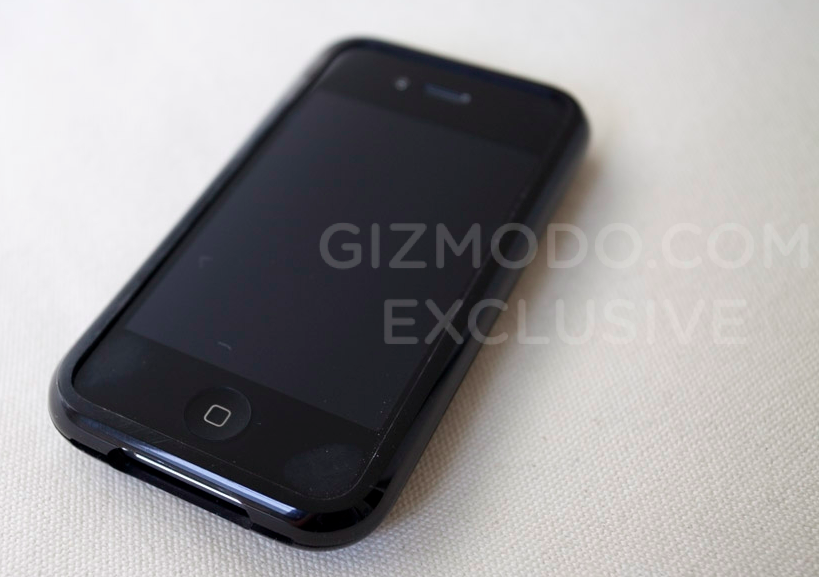
iPhone 4 prototypes were hidden in iPhone 3GS cases (via Gizmodo)
Over the last few days, one of the most talked about topics in the Apple news and rumors community has been Apple’s purported loss of an unreleased iPhone in July of this year. CNET had the scoop, but others have since tried to refute it – including the bar that the unreleased iPhone was said to be lost in and the San Francisco police.
Possibly related to Apple actually losing yet another unreleased iPhone in bar, Apple is now searching for new leaders for their product security team. The company has posted two new job listings on their official job search website for managers for the unreleased products security team. Apple candidly states what these individuals will be responsible for:
The candidate will be responsible for overseeing the protection of, and managing risks to, Apple’s unreleased products and related intellectual property.
We certainly cannot assume that this job listing lends credence to Apple losing an iPhone 5, but the timing is quite interesting. The full job listing is shown after the break.
In April, Hulu blocked support for HDMI mirroring of their Hulu Plus application for the Apple iPad. Now, Hulu has released an updated version of the popular video playing application that brings back support for the handy feature.
Now, Hulu Plus users with an iPad 2 and the Apple HDMI adapter can watch Hulu Plus’s content on the big screen. This mirroring will presumably also work through Apple’s new AirPlay Mirroring service in iOS 5 for the iPad 2.
Other changes:
• Added ability to save an entire season to Queue
• A subset of content includes closed captioning support
• iPad 2 supports HDMI video out (standard definition only)
• “Subscriptions” are now “Favorites”
• Fixed miscellaneous bugs
Apple has released a new television advertisement for the iPad 2. This new advertisement follows the tone of Apple’s most recent iPad 2 advertisements and shares the same narrator. The new advertisement focuses on Apple’s push of the iPad in education. As you can see in the advertisement above, Apple showcases reading in their iBooks app, an astronomy application, a chess application, a language learning application, and more.
Apple has just released iOS 5 beta 7 to developers as an over-the-air update. iOS 5 includes new features like Notification Center, Twitter integration, Newsstand, and iCloud support. The software update will become publicly available this fall, likely alongside the new iPhone lineup in early October. Apple has released iTunes 10.5 beta 7 and Xcode 4.2 beta 7 as well. Apple has also just released Safari 5.1.1 update 3. Let us know at tips@9to5mac.com anything you find!
.
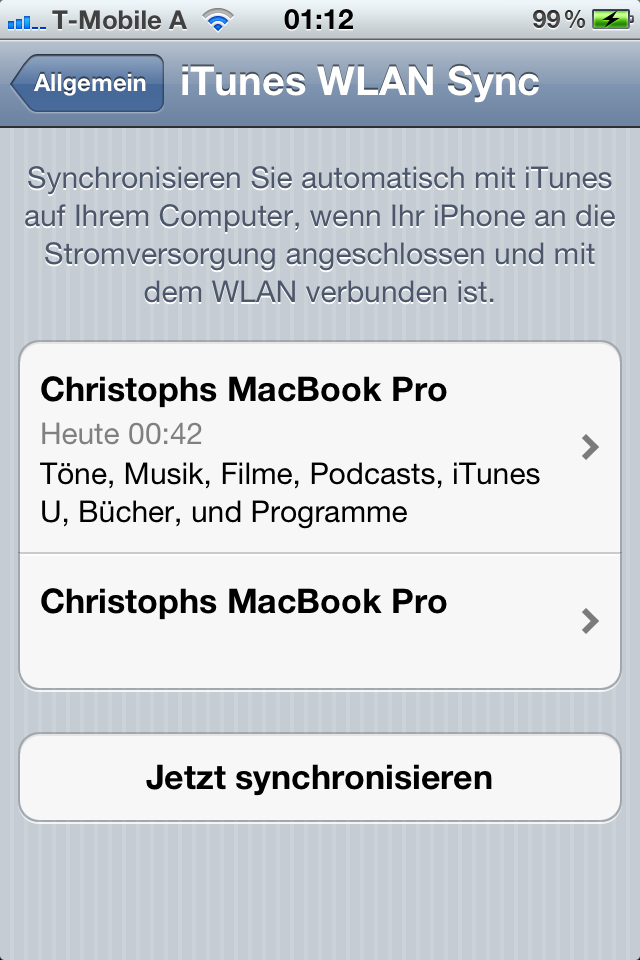
We’ve found that in the Wi-Fi sync settings there is now support for multiple Macs. Under each Mac you’ll find what categories your iOS devide will sync to. Thanks Christoph!
Additionally, the Nuance Text to speech is now available as a menu item (below)
.
The following issues relate to using the 5.0 SDK to develop code.We’ve pasted the full change log for the new beta after the break:
As noted by MacRumors, Apple has filed a form 8-K with the SEC to announce this week’s changes to Apple’s executive board. Notably, Apple has awarded 1,000,000 stock shares to new CEO Tim Cook.
In connection with Mr. Cook’s appointment as Chief Executive Officer, the Board awarded Mr. Cook 1,000,000 restricted stock units. Fifty percent of the restricted stock units are scheduled to vest on each of August 24, 2016 and August 24, 2021, subject to Mr. Cook’s continued employment with Apple through each such date.
That comes out to around $383M at the current stock price.
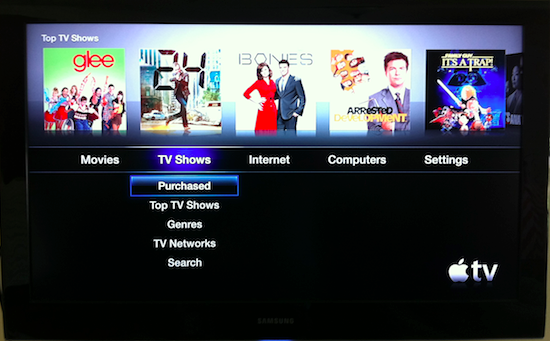
Apple has stopped offering TV show rentals through iTunes today, Apple has confirmed to AllThingsD. Now that TV show rentals – which Apple heavily pushed for prior to the launch of the second-generation Apple TV – are missing, users can only purchase a full episodes. The advantage of full episodes of the $0.99 rentals is the ability to re-watch the episode an unlimited amount of times, for just a dollar more than the formally existing rental price.
iTunes customers have shown they overwhelmingly prefer buying TV shows, Apple spokesman Tom Neumayr said. iTunes in the Cloud lets customers download and watch their past TV purchases from their iOS devices, Apple TV, Mac or PC allowing them to enjoy their programming whenever and however they choose.
Since these $0.99 TV show rentals were a cornerstone feature alongside the current Apple TV model, Apple has a solution. In fact, Apple’s solution came on the first day of August: a cloud-based storage locker for TV episodes. Now, a user can purchase full TV episodes from their little black box, stream the episodes to their Apple TV for the initial viewing, and stream them again from the cloud for every future stream.
The major film and TV studio chose not to participate in Apple’s TV show rental service as they felt the price “was too low and would have hurt sales of full seasons.” Meyer also stated that he prefers his company’s current $2.99 TV show purchasing model through iTunes. This way they make more profit and the user gets to keep the show.
Late last week, Verizon introduced a new 300MB data plan for $20/month for the carrier’s mid-Atlantic region. This covers Maryland, Washington, DC, Virginia and North Carolina. This special data plan tier is available in a limited test run from August 18th until September 30th. The idea for the plan, according to Verizon regional president Mike Maiorana is to welcome users from non-smartphones:
This is a great introductory plan for customers who have been contemplating moving from a basic phone to a smartphone but were hesitant because of cost, said Mike Maiorana, regional president in Maryland, Washington, DC and Virginia. The $20 monthly access promotional plan is an opportunity for customers to learn the many benefits of having a smartphone with email and calendar functions, as well as Internet access and apps, at their fingertips
According to our sources, though, Verizon’s reasoning for the plan is not that simple. The company is actually going right after AT&T’s $15 data plan that provides users with 200MB of data usage per month. Verizon Wireless figures that an extra 100MB for only $5 is the more enticing deal. The plan also doubles as an easier route for parents to set young children up with a phone line on their Verizon plan. Because of this, Verizon Wireless currently plans to make this data plan a permanent and nationwide option by this holiday season. This could change at anytime, though, depending on response to the test-run.
Following the devestating earthquake in Japan earlier this year, Apple has added a new early earthquake warning notification option to iOS 5. iOS 5 users in Japan can turn on early earthquake notifications at the very bottom of the iOS 5 Notification Center settings pane. As you can see above, all the user has to do is flick a switch to start receiving these notifications. According to Time, who profiled Japan’s earthquake warning system earlier this year, the system gives warnings from seconds to one or two minutes before the earthquake hits. Time also explains the history of the system:
Japan has the most advanced earthquake early-warning system in the world. A nationwide online system launched in 2007, it detects tremors, calculates an earthquake’s epicenter and sends out brief warnings from its 1,000-plus seismographs scattered throughout the country, one of the most earthquake-prone nations on the planet.
Apple’s built-in earthquake notification system will be a nice replacement for those in Japan who rely on earthquake warning applications from the App Store such as Yurekuru Call. For those who cannot read the text above, it also warns that the feature may reduce your battery life because it is always connected to Japan’s earthquake warning system. This new notification options truly showcases Apple’s commitment to safety for those in Japan. Thanks, l9!
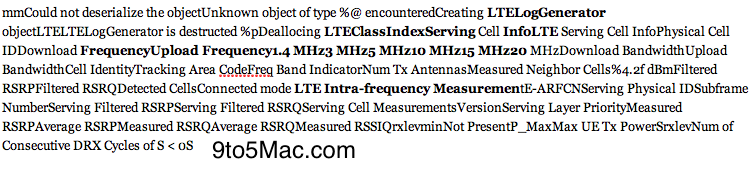
Besides the iPhone 5 release date, the hottest iPhone-related news topic as of late has been LTE. A recent report claimed that Apple’s carrier partners were already exploring LTE iPhones, and this rumor became juicier with the discovery of LTE antennas being installed in some Apple Store locations in the United States. Now, we have discovered that carriers are not only “testing” an LTE iOS device in some fashion, but Apple actually has references to LTE in their iOS 5 field-test application.
This could mean that Apple has actual LTE devices – whether they are iPhones, iPod touches, or iPads – in a field-test stage. Not just in their $100 million “black lab.” The news comes straight from Apple’s field-test application that is installed on fully functioning iOS devices. The big picture here is that carriers are not just testing Apple LTE devices in their previously revealed chambers, but Apple actually has multiple references to the technology in their iOS 5 field-testing mechanism. In fact, the LTE references are even present in certain developer build plist files, not just the field-test application, as discovered by MacRumors.
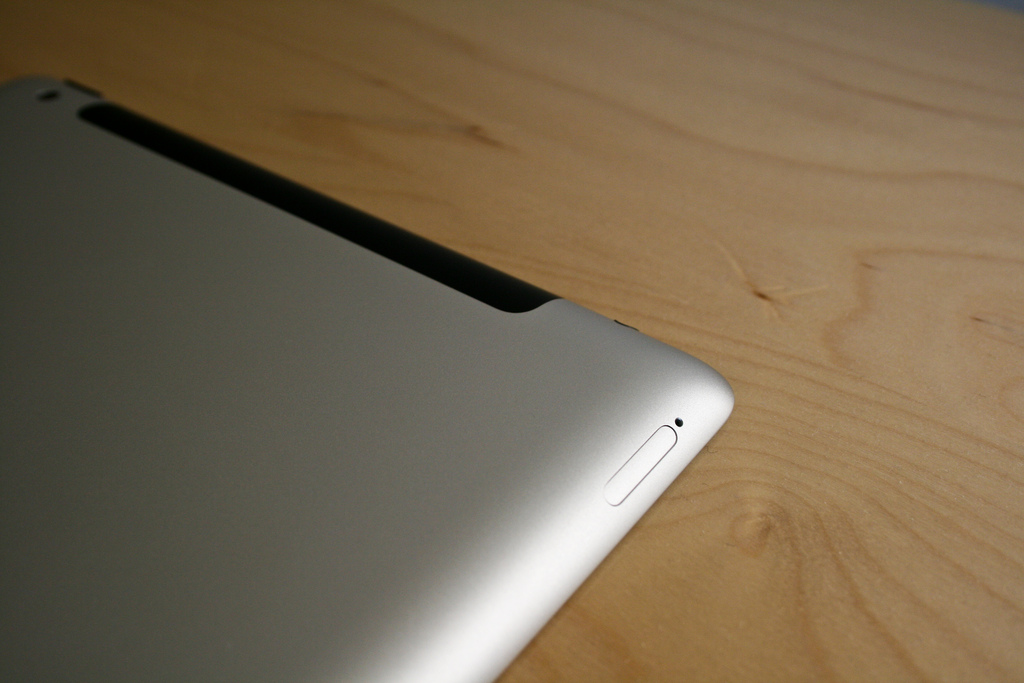
Apple’s LTE devices will be covering the current carrier-band spectrum, running on bands from 1.4 to 20 MHz. This Apple field-test application references LTE SIM-cards as well. This not only means that Apple’s current LTE test devices are built-up enough to support a SIM-card – not just a bunch of wiring on a board – but that hopes of an integrated SIM-card system are likely still not going to come to fruition (at least in their LTE device[s]). The field-test application will also collect usage logs for Apple, furthering evidence that this is not simply an in-lab or in-box testing by carriers, but full-on testing against LTE tower connections in the wild.
If Apple is actually testing LTE devices in the field, it may seem a bit obvious to some, but the most interesting part is that the testing could be happening right now, on iOS 5 devices. The next iPhone will be an iOS 5 device and so will the next iPod touch, but the most interesting iOS 5 device – to us, at least – is the iPad 3. This is Apple’s largest iOS device. The device that they could technically cram the most components and battery life into. You may recall Apple COO Tim Cook’s words on why the first-generation Verizon iPhone does not support LTE: LTE would “force design changes we wouldn’t make.”
Apple is gearing up to launch an iOS 5-packing third-generation iPad in early 2012. A 9.7 inch tablet would be perfect for an LTE chip because of the hardware’s naturally larger (compared to an iPhone) internal component space. As LTE networks grow from both Verizon and AT&T in the United States into the first half of 2012, the iPad 3 will be the perfect LTE launch device from Apple. Unlike the iPhone, users will not need to rely on having a constant cellular connection – in addition, most of the iPads sold are the WiFi-only models. We do not have any evidence from sources that claim the new iPad will be an LTE device, but just a single tidbit that is complete with a large dose of speculation and open to much discussion…
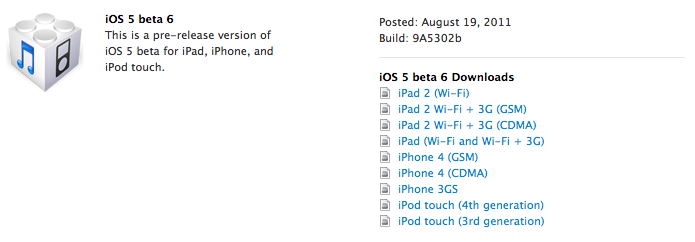
Apple has released iOS 5 beta 6 to developers today as the fall launch of the major iOS software upgrade nears. In addition, Apple released beta 6 of iTunes 10.5 to developers, which is required for syncing with devices that carry iOS 5 beta 6. Also, Apple seeded Xcode 4.2 developer preview 6 today, which is required for compatibility with developer devices running iOS 5 beta 6. iOS 5 will launch publicly this fall alongside the fifth-generation iPhone. The iPhone 5 is likely launching in early October, so we will most likely see the public launch of iOS 5 during that timeframe as well.
iOS 5 includes over 200 new features including an all new notification system called Notification Center, Newsstand for easy magazine and newspaper reading from the home screen, Twitter integration, iCloud support, an improved camera and photos application with photo editing, a location-aware Reminders application, over-the-air software updates, setup without a computer, iMessages, an improved Safari with Reading List and improved tabbed browsing on the iPad, an improved Game Center, iPad navigation gesture support, WiFi syncing, iPad 2 AirPlay mirroring, and more.
In addition, Apple has seeded a second beta of iWork for iOS with iCloud support and Apple TV software beta 5.
If you find anything new in today’s releases, please let us know at tips@9to5mac.com. Apple’s full change log for iOS 5 beta 6 is after the break for your perusal.
Reporting essentially the opposite of what they said last week, Digitimes now reports that Apple is scaling back fourth quarter iPhone orders due to changes in the economy.
While most smartphone vendors are likely to reach their shipment targets for the third quarter, they have begun to reduce orders for parts and components for the fourth quarter in preparation for a possible impact from changing economic conditions, the sources noted.
The website’s previous report claimed that Apple upped iPhone orders to 56 million units for the third and fourth quarters, but according to their new report, those plans won’t be happening. The iPhone 5 will likely be available in early October, and it will be interesting to see the supply and demand breakdown for the product amidst this report.
As pointed out by MacRumors, the Apple Online Store now allows users to share webpages of products via Twitter and Facebook. At this moment, the new store feature is only shown on the Mac Pro page, but all you have to do is click the right side of the select tab, and click Twitter or Facebook to share.










 .
.