iOS Devices

See All Stories

The devices that run the world’s most advanced mobile operating system

Check out our top stories on iOS Devices:

iOS devices refer to any of Apple’s hardware that runs the iOS mobile operating system which include iPhones, iPads, and iPods. Historically, Apple releases a new iOS version once a year, the current version is iOS 10. Here is the complete list of iOS 10 compatible devices.
Site default logo image

Every Yahoo employee to get an iPhone under former Google Exec Marissa Mayer?

.

According to a report from BusinessInsider, which cited sources close to Yahoo, new CEO Marissa Mayer wants all employees to use an iPhone and is considering having Yahoo purchase the devices to “get consistency across the company.”

Apparently, Yahoo employees use all sorts of different devices – BlackBerrys, iPhones, Androids, whatever – and Mayer believes the company would be better off if it identified one device/platform on which it should make its products really shine, and got employees used to what it’s like living with that platform… The cost to Yahoo would be a couple million dollars or less – chump change for a company that has billions lying around.

Mayer was said to be a huge iPhone fan even in the halls of Google as she demonstrates in the above photo from Flicker user Sl1Very.

Site default logo image

German carrier announces new iPhone for September

Mobilecom Debitel, a German carrier, just announced a new iPhone is coming. As if we needed any additional confirmation?

Machine translated: “In September, it’s finally time for a new generation of smartphone to go on sale. mobilcom-debitel allows you to find free e-mail about everything worth knowing about iPhone.”

While just about everyone knows the announcement and launch dates, Apple has been silent so far. Mobilecom has a much more subdued public-facing teaser where it advertises:

The new smartphone special surprises? Perhaps a bigger screen of 4 inches or a thinner cell touchscreen? The world expects a faster processor or higher graphics performance? Maybe even a memory of 1 GB? It will be exciting …

Another translated graphic below from the email:
Expand
Expanding
Close

Samsung investing another $4B to ramp up Texas plant where iPhone and iPad chips are made

Site default logo image

Samsung’s new $3.6 billion plant in Austin, Texas kicked into full swing last December, and it is responsible for manufacturing the A5 (and now A5X) CPU for the iPhone and iPad among other things. As production for the next iPhone and Mini iPad is reportedly in full swing, Samsung announced this morning that it will invest another $4 billion into its Austin plant. Reuters reported that the move is to renovate current production lines and the rate at which chips are produced.


Expand
Expanding
Close

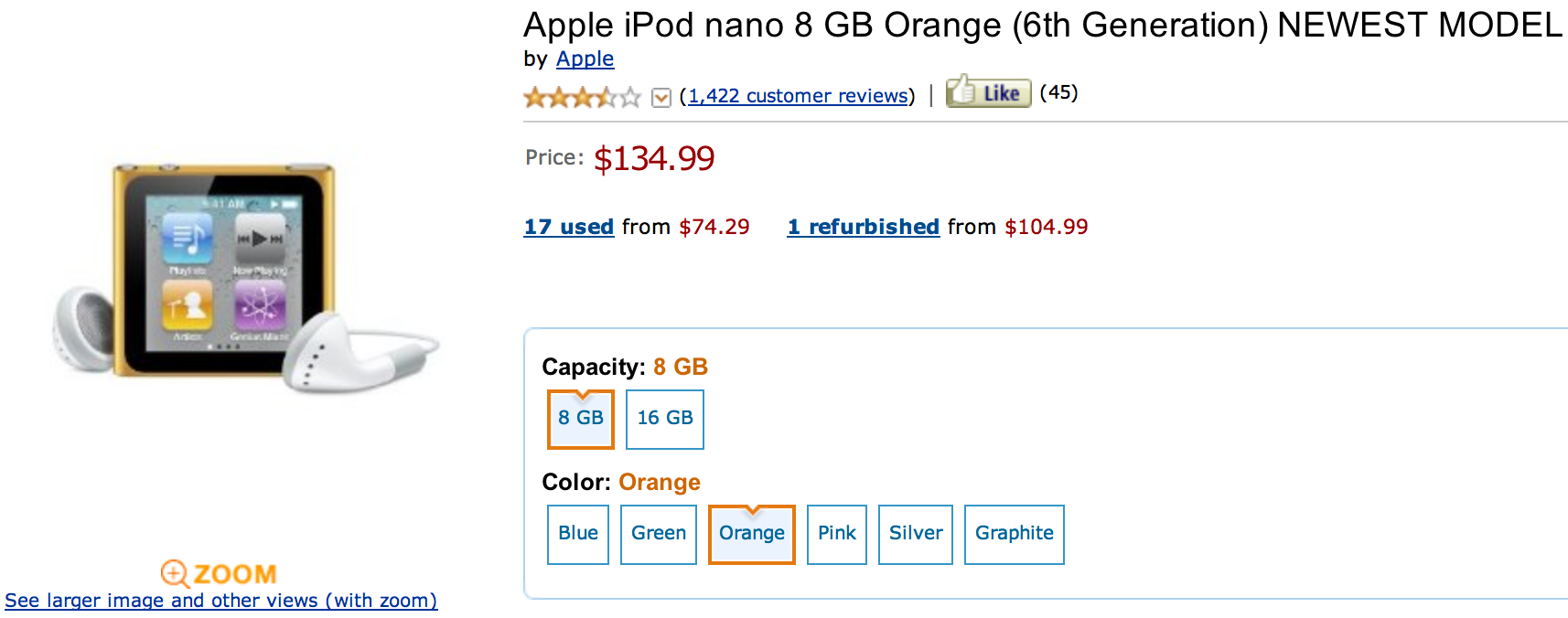
iPod nano stock shortages across US retail seem to point at upcoming refresh

Site default logo image

We reported last week that a German parts catalog ran out of current-model iPod nanos from Apple and told its customers to wait for refreshed models in late September. That is, of course, the rumored time frame of Apple’s next iPhone announcement and launch.

iPod nanos are more than overdue for a refresh and we are thinking —with Apple moving away from its 30-pin dock connector— that is at least one bit that needs an update. Other rumors pointed to Bluetooth connectivity, as it could extend the usefulness of the iPod nano greatly and make a more interesting iWatch-type product.

Today, we have seen stock shortages also hit Amazon, Target, Walmart, and Bust Buy—the four biggest electronics retailers in the United States.

Amazon is out of stock for about half of its iPod nano models:

.

While Best Buy is a hit-or-miss for online deliveries, iPad nanos that are not available for delivery are still available in some stores (but are very spotty for the most part)…
Expand
Expanding
Close

Site default logo image

HBR: Who Cares If Samsung Copied Apple?

The Harvard Business Review’s James Allworth asks the question ^

  • If Apple ends up winning this case against Samsung — and either stops Samsung from releasing their phones and tablets to the market, or charges them a hefty license fee to do so — does anyone really believe that the market will suddenly become more innovative, or that devices will suddenly become more affordable? Similarly, if Samsung wins, do you really believe that Apple will suddenly slow its aggressive development of the iPhone and iPad? It’s certainly not what happened last time they lost one of these cases.
  • Now, if you’re with me so far, then I don’t think it’s a leap to suggest that having these companies duke it out in court over “who might have copied who” is counterproductive. Let’s have these companies solely focused on duking it out in the marketplace — where consumers, not courtrooms, make the decisions about innovation. In such a world, the best defense against copying isn’t lawsuits, but rather, to innovate at such a rate that your competition can’t copy you fast enough. That, to me, sounds like an ideal situation not just for consumers — but for the real innovators, too.

This is what Apple used to do.

‘iPhone 5’ 1136×640 LCD screen, digitizer set can be yours for $199

Site default logo image

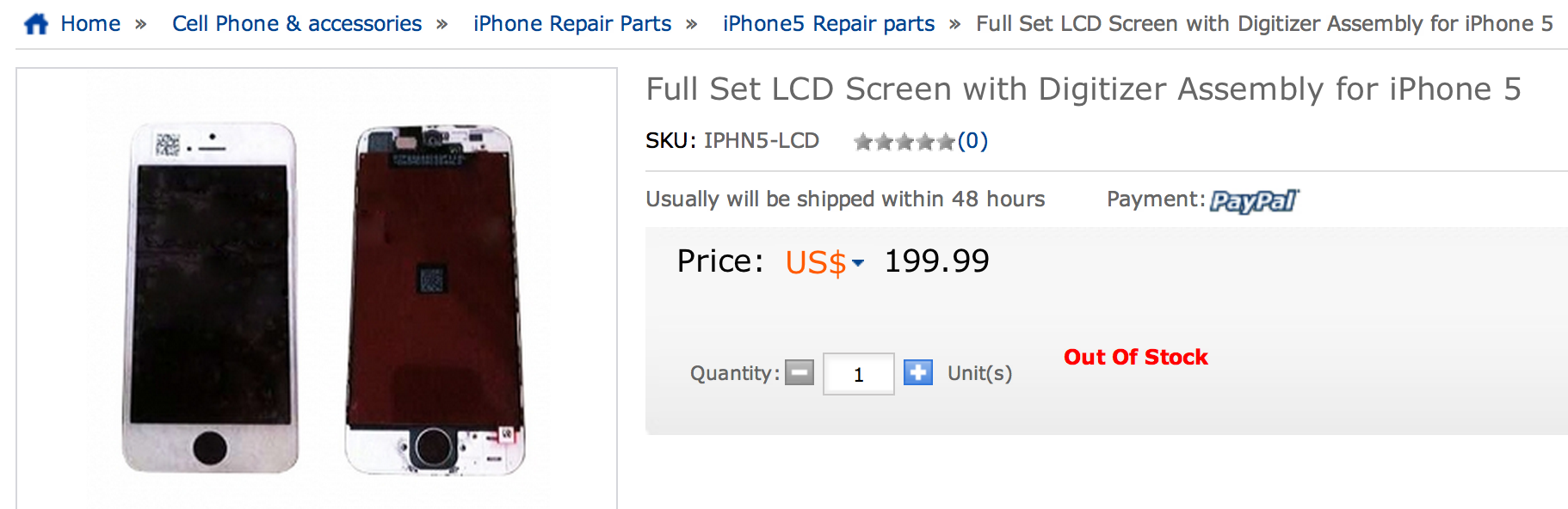
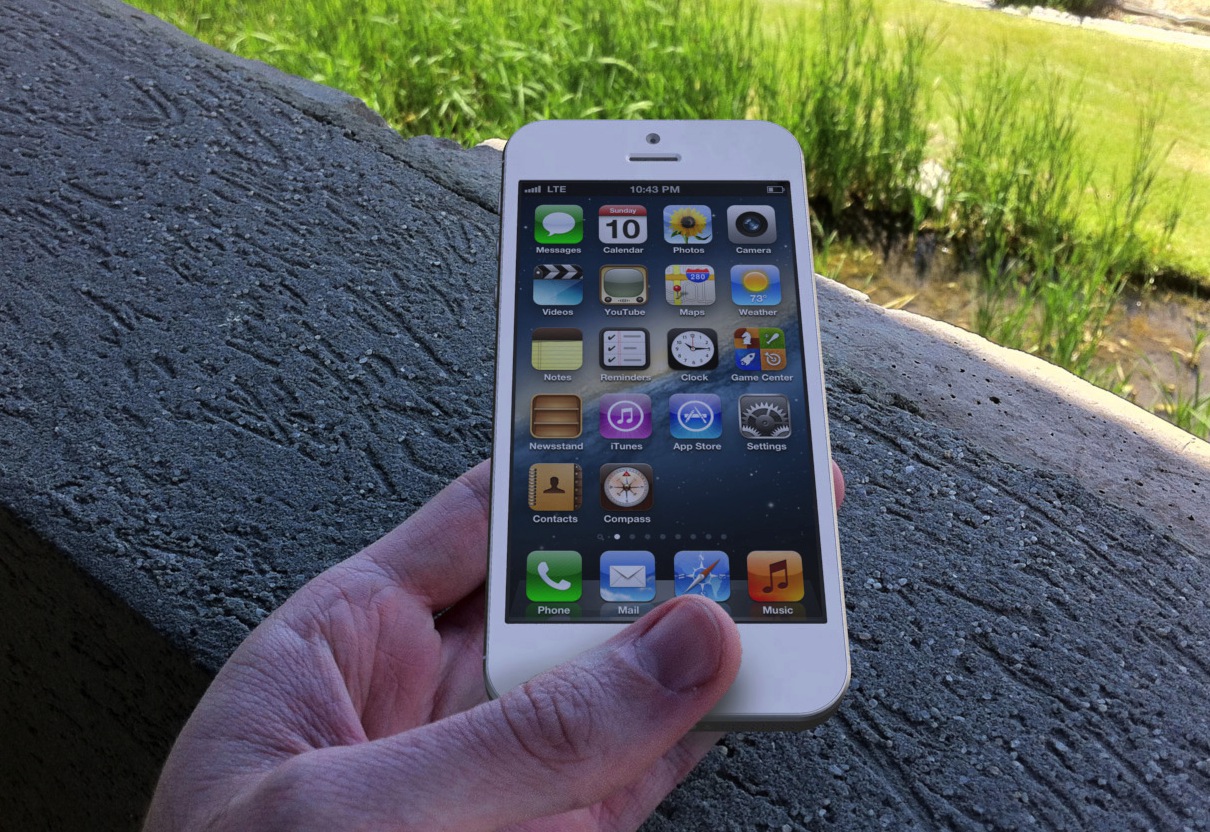
I think it is safe to say we are seeing an unprecedented number of upcoming iPhone parts from the supply chain this time around and one of the few remaining parts yet pictured not only started showing up over the weekend…it is also on sale. For $199, you can pick up (update: out of stock) the “iPhone 5” LCD Screen complete with digitizer assembly. The part looks to be a taller 1,136-by-640-pixel display but obviously, “buyers beware.”

UbreakIfix relayed by MacRumors posted the first images of the new iPhone display over the weekend. Perhaps it purchased the display from ChinaGadgetLand—the parts look very similar.

.

The ChinaGadgetLand description reads:


Expand
Expanding
Close

Site default logo image

AT&T’s FaceTime blockade: Does the FCC need to get involved again? Public Knowledge thinks so

.

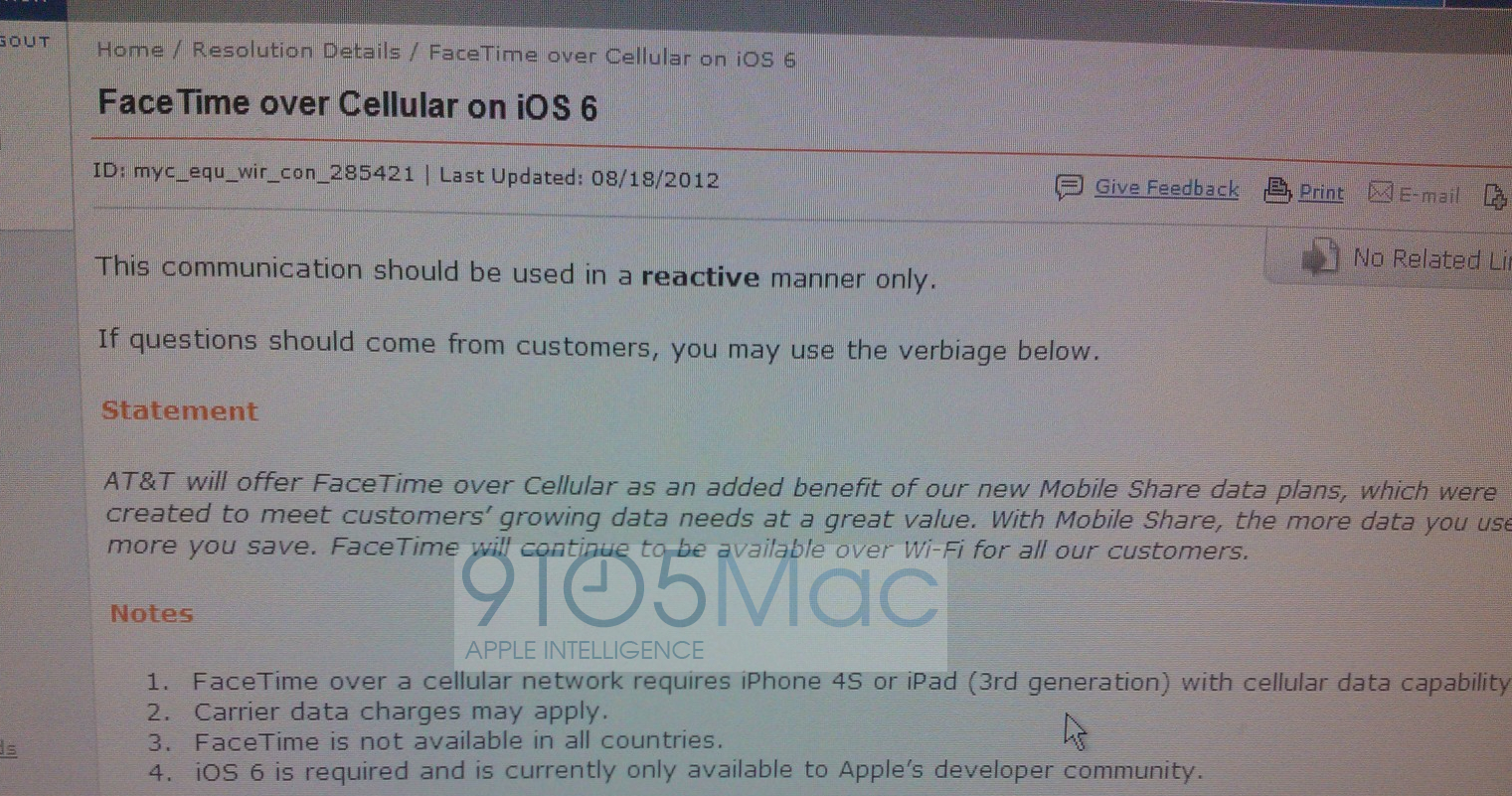
AT&T recently revealed to us that they were going to block Apple’s built-in FaceTime over cellular unless users sign up for an expensive Mobile Share plan. Does this reek of loyal customer exploitation?

John Bergmayer, Senior Staff Attorney at advocacy group Public Knowledge has this to say:

“By blocking FaceTime for many of its customers, AT&T is violating the FCC’s Open Internet rules. These rules state that mobile providers shall not ‘block applications that compete with the provider’s voice or video telephony services.’ Although carriers are permitted to engage in ‘reasonable network management,’ there is no technical reason why one data plan should be able to access FaceTime, and another not.

“‘Over-the-top’ communications services like FaceTime are a threat to carriers’ revenue, but they should respond by competing with these services and not by engaging in discriminatory behavior.”

Sure, FaceTime over cellular is a “new feature” of iOS 6, but so is Apple’s new Maps Turn-by-turn navigation.  So is the PassBook Application and Photo Streams.  They all will use more data. What is stopping AT&T from blocking those too?

What justification can AT&T give for such a move when it allows competing video chat apps to be available over its network? The most popular video chatting app, Microsoft’s Skype, has been available on the iPhone over 3G since AT&T allowed it –with some significant coaxing – from the FCC in 2009.

But with the FCC not only investigating AT&T and Apple’s Google Voice ban — but wireless industry competition overall — AT&T has miraculously had a change of heart and will now allow iPhone Skype traffic over 3G:

Previously, VoIP applications on iPhone were enabled for Wi-Fi connectivity…AT&T this afternoon informed Apple Inc. and the FCC of its decision. In late summer, AT&T said it was taking a fresh look at VoIP capabilities on iPhone for use on AT&T’s 3G network, consistent with its regular review of device features and capabilities to ensure attractive options for consumers.

Skype added the ability to video chat over 3G in 2010. We estimated the data usage to be at 3.4Mb/minute at the time. Many other video chatting apps on the iPhone and iPad exist including:  Fring, Google Plus (which also works native on Android phones FWIW), ooVoo and many others.

AT&T can’t claim network usage penalties for a couple of reasons:

1. As mentioned above, Skype and other Video chatting applications aren’t blocked by AT&T and they use just as much data.

2. AT&T has moved just about all of its customers over to tiered data plans and even those who are left on “Unlimited Plans” are still subject to throttling that would eliminate the ability to use video chatting applications. Users are paying for data that they use.

3. FaceTime over Wifi uses about 3 Megabytes per minute of talk.  For someone to use up a 3GB monthly allotment of data, they would need to FaceTime video chat for almost 17 hours (and the data usage over 3G would likely be less taxing). Netflix, Hulu, Crackle, Amazon Video all use roughly this amount of data without regulation from AT&T.

As for the competition, Sprint already announced that it will not hinder FaceTime over cellular, and Verizon is being forced not to mess with it because of a Net Neutrality agreement.

Below is Mark and I completing a 3G FaceTime over 2 years ago on AT&T’s network with a simple jailbreak on an iPhone 4.

http://www.youtube.com/watch?v=_Kq7Ckcgp0o


Expand
Expanding
Close

Apple responds to SMS vulnerability by reminding us that iMessage works better than SMS

Site default logo image

Engadget got a statement from Apple regarding the latest SMS iOS flaw that affects iPhone users:

Apple takes security very seriously. When using iMessage instead of SMS, addresses are verified which protects against these kinds of spoofing attacks. One of the limitations of SMS is that it allows messages to be sent with spoofed addresses to any phone, so we urge customers to be extremely careful if they’re directed to an unknown website or address over SMS.

Interesting statement from Apple that seems to throw the blame for the SMS vulnerability over to the SMS protocol. That actually might be the case, but Pod2G’s assessment is that Apple could fix it in an upcoming release.

iMessage, though it sometimes goes down for days at a time, is a good means of communication between your Apple-using buddies. However, with Apple not even at a quarter of total phone penetration, SMS is unfortunately something that still needs to be used.

Other ways to avoid the built-in SMS app vulnerabilities are to use third-party SMS applications like Google Voice.

Pod2G’s assessment of the issue below:
Expand
Expanding
Close

Report: Korean carriers in talks with Apple over LTE-equipped next-gen iPhone

Site default logo image

While most are expecting Apple to include the rumored LTE connectivity in the upcoming next-gen iPhone, we get word from Korea Times today that Korean carriers SK Telecom and KT have revealed they are currently in talks with Apple to carry a new iPhone on their LTE networks:

SK Telecom and KT are in talks to offer long-term evolution (LTE) connectivity on Apple’s next handset, tentatively named the iPhone 5, officials from the companies said Wednesday…The two local telecom companies are authorized Korean partners to sell the American firm’s i-branded devices here. The smallest carrier LG Uplus is unable to sell Apple’s products as it doesn’t own a suitable frequency.

According to an official at KT, which is home to roughly 1.4 million users compared to SK Telecom’s 4 million LTE subscribers, the carrier is in talks “with Apple to persuade the latter to support KT’s 1.8-gigahertz frequency in Korea for the upcoming iPhone.” Although it’s unclear exactly what type of negotiations might be taking place, we know the current third-gen LTE iPad supports only AT&T, Verizon, and a few Canadian carriers on 700 MHz and 2100 MHz frequency bands. If the talks are indeed to discuss launching an LTE iPhone with support for the 800 MHz and 1800 MHz bands, it’s importnat to note that many other markets also operate over those bands including Australia and parts of Europe.

Expand
Expanding
Close

iPad mini will look like a large iPod touch with smaller side bezels [Gallery]

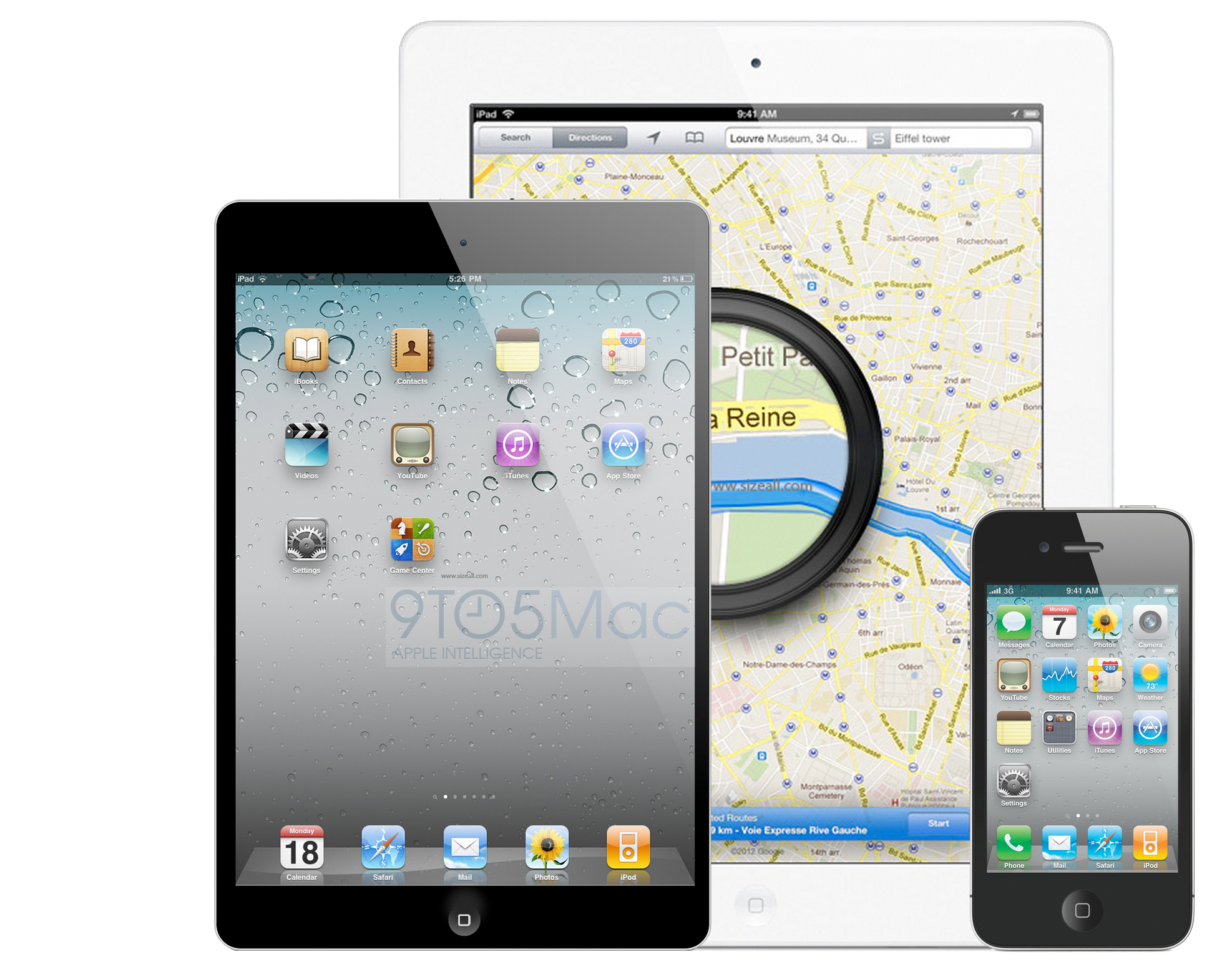
We received a number of tips over the last few weeks from sources that we have reason to believe hold knowledge about Apple’s plans on the upcoming iPad mini. A recurring theme of late is that the iPad mini will “look like a big iPod touch” with smaller bezels along the sides in portrait mode and separate volume buttons and not a “rocker” and a mic on the back.

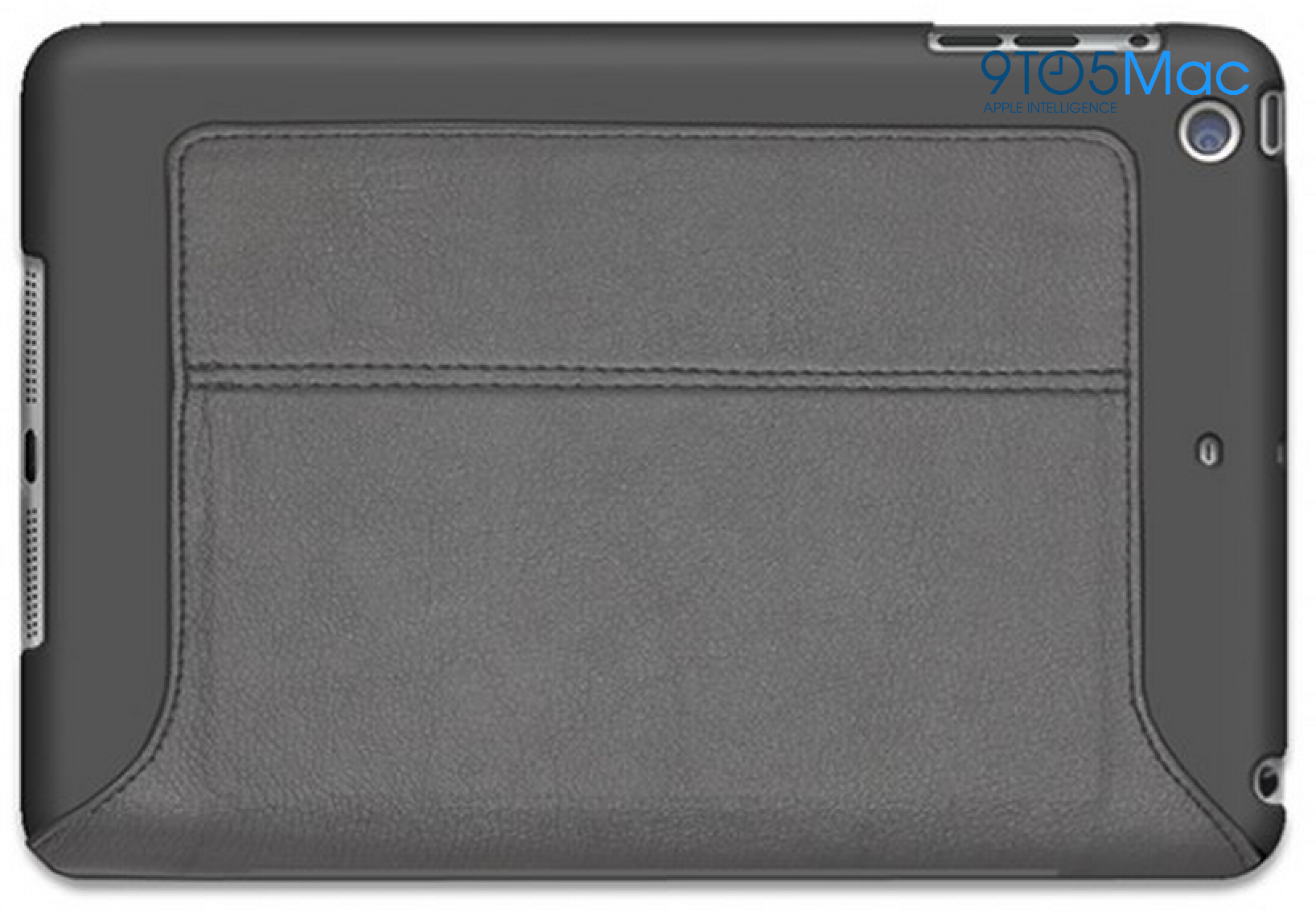
In addition, we received a number of different iPad mini back plates with the best quality being these from case maker Devicewear.

We were not confident enough to post the above information alone (but did make the atop mockup), but the very reliable John Gruber chimes in today with many of the same bits of information.

Here is a gallery of all the iPad mini images and mockups we have obtained to date:
Expand
Expanding
Close

Sprint drops iPhone price further offering a $100 gift card with purchase of $149 iPhone 4S

Site default logo image

From 9to5Toys.com: Sprint today dropped the price of the iPhone 4S yet again. The nation’s third-largest carrier now offers a free $100 American Express Reward Card (ships in 8-10 weeks) along with the purchase of the 16GB iPhone 4S for $149.99 with a two-year plan online (including free activation and shipping). This makes for the best deal on the iPhone 4S we have seen (at only $50!), beating out Sprint’s offering last week, which did not include the gift card. Other retailers and carriers have also dropped the price of the iPhone 4S over the past few weeks, offering the base model for $149.99 in most cases. We also learned last week that Apple has made price matching available in its retail stores, allowing customers to get up to $50 off each iPhone 4S model. Today Business Insider has learned that as a part of its price matching program, it will give a $100 Apple Store gift card to honor Sprint’s new deal.

The price drops have occurred in anticipation for the launch of Apple’s sixth-generation iPhone. Several reports indicated that Apple plans to launch the new iPhone Sept. 12, with the device shipping Sept. 21. It is also believed pre-orders for the device will begin Sept. 12. [9to5toys]


Expand
Expanding
Close

Site default logo image

Handy iOS version/device matrix chart [PDF]

The Loop pointed us to this iOS support matrix (Autumn 2012 edition) posted by app developer Empirical Magic. Definitely a useful resource for developers, the chart shows the number of devices running certain versions of iOS, and makes recommendations for dropping support in future updates.

European carriers again offering pre-order Tickets for the next iPhone

Site default logo image

Much like in the weeks leading up to the iPhone 4S launch in early October 2011, European carriers are preparing for the expected Sept. 12 introduction of the new iPhone with pre-order tickets now available through various carriers. As noted by reports from German website iPhone-ticker.de, Deutsche Telekom will offer pre-order tickets to interested customers through its distribution partners starting today. The tickets will offer a first-come, first-serve basis for the new iPhone with express delivery of the device to ticket holders on the first available day. Carriers are clearly preparing for the launch of Apple’s next-gen iPhone. Not that we need additional verification, as the most recent reports once again confirm a Sept. 12 unveiling and add the device could actually be available for pre-order on the same day. Last year, Vodafone and other carriers quickly followed Deutsche Telekom by offering iPhone pre-order tickets.


Expand
Expanding
Close

Site default logo image

Gartner: Global smartphone sales fell 2.3-percent in Q2 thanks to ‘iPhone 5’ anticipation


As wait for the next-generation iPhone launch continues, Gartner is out with new numbers this morning that portray the wait’s effect on worldwide smartphone sales. According to the research firm, global smartphone sales fell 2.3-percent in Q2 from the last quarter. Gartner attributed the wait for the “iPhone 5” as a large reason for the slump in sales.

High-profile smartphone launches from key manufacturers such as the anticipated Apple iPhone 5, along with Chinese manufacturers pushing 3G and preparing for major device launches in the second half of 2012, will drive the smartphone market upward. However, feature phones will continue to see pressure.

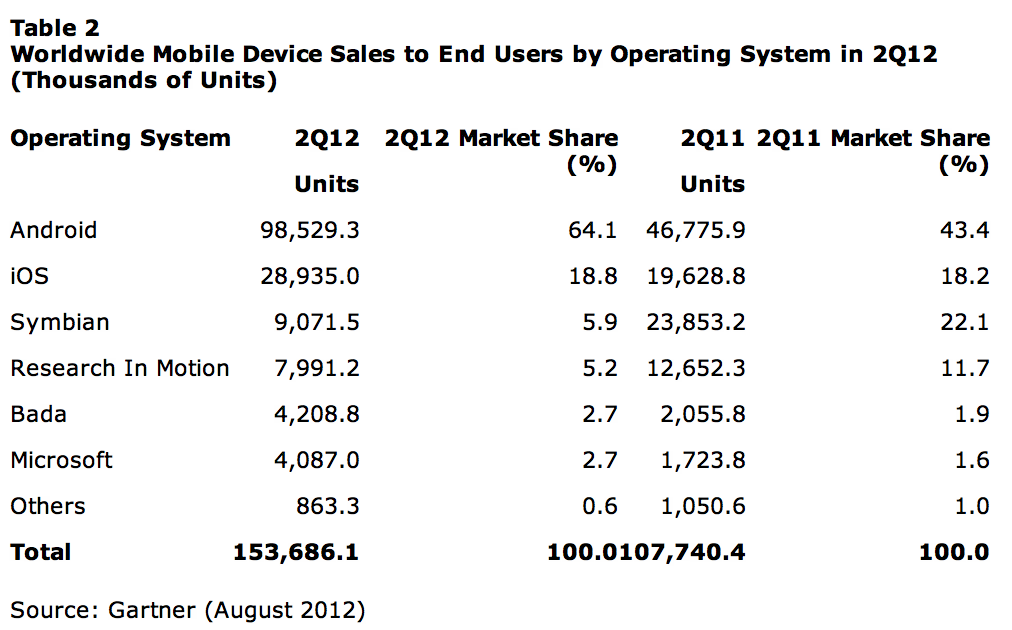
With smartphone sales up more than 49 percent year-over-year, total global device sales reached 419 million units during the quarter. Samsung continued its lead in worldwide mobile device sales with a 21.6-percent market share, with help of its new Galaxy S III that launched during the quarter. Nokia followed with 19.9-percent and Apple at 6.9-percent. Android also continued its commanding lead in OS share by taking 64.1-percent of the market, followed by iOS’s 18.8-percent, which means the ‘big two’ are now in control of 83 percent of the smartphone market.

At any rate, there is not much more waiting. Check out the manufacturer market share below: [Gartner]


Expand
Expanding
Close

Report: iPhone 5 pre-orders to begin September 12, international sales to begin early October

Site default logo image

According to a new report from Rene Ritchie of iMore, who has been correct in the past, Apple is set to begin pre-orders of the next-generation iPhone on Sept. 12, which is the same day the device is expected to be announced. The device is then expected to be released Sept. 21, as several publications reported (and subsequently confirmed each other) a few weeks ago. At the same event, Apple is expected to introduce its new 7.85-inch iPad Mini. It is believed to compete directly with Google’s Nexus 7 and Amazon’s Kindle Fire. iMore further added in its report this morning that the international launch of the next iPhone will take place in early October, with Oct. 5 being the most likely day. Apple has been known to delay the launch of its devices internationally to ramp up sales. For example, the launch of the iPhone 4S internationally was two weeks after the U.S. launch. Read on for more details: 
Expand
Expanding
Close

Apple: iOS devices patents are licensed to Microsoft, anti-cloning agreement in place

Site default logo image

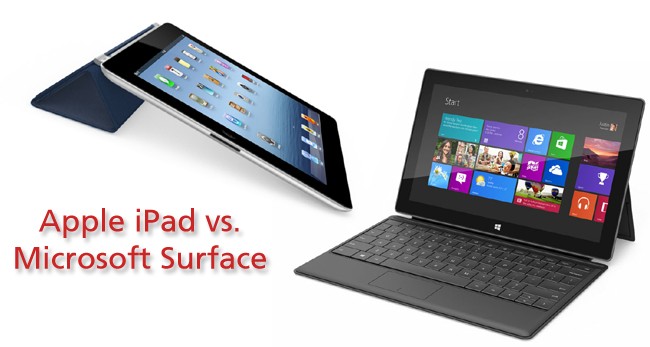
From the courtroom of the Apple vs. Samsung trial comes some major news involving Apple’s iOS device patents and Microsoft. Some may have noticed that some of Microsoft’s mobile device designs are akin to Apple’s iOS device designs. Specifically, the Microsoft Surface has the same general curved, black bezel design as the iPad. This is, of course, also the case with Samsung’s products. However, as Reuters reports, this is perfectly legal for Microsoft.

AllThingsD shares more information on the topic from the trial:

Teksler noted that Apple and Microsoft have a cross-license agreement that does cover the design patents at issue in this case, but said that there are also special “anti-cloning” provisions in the agreement between those two companies. “We couldn’t copy each other’s products,” Teksler said.

According to Apple’s patent director, Boris Teksler, Apple and Microsoft have an iOS device design patent agreement in place. This means that Microsoft is paying Apple to use some of the iOS design patents for its products. The report does not offer specifics like how much Microsoft pays Apple for everyone device with Apple’s patents sold. Though, the report notes that an “anti-cloning” agreement is in place to prevent copying.

Just like Apple and Samsung are strategic partners for device hardware components, Apple and Microsoft are partners in software products like Office for Mac and Bing integration in Apple’s latest OS X and iOS Safari browsers.

Last week, it was revealed that Apple attempted to strike a patent licensing agreement with Samsung, just like they did with Microsoft. That offer from Apple meant a $30 royalty per phone and $40 per tablet. Samsung, unlike Microsoft, clearly was not interested. AllThingsD notes that Apple’s offer to Samsung was solely in regard to hardware, and it did not affect Apple iOS software patents.  (Image: GamenGuide)


Expand
Expanding
Close

As the premium for old 720p Apple TV triples, a 1080p Apple TV jailbreak IS in the works

Site default logo image

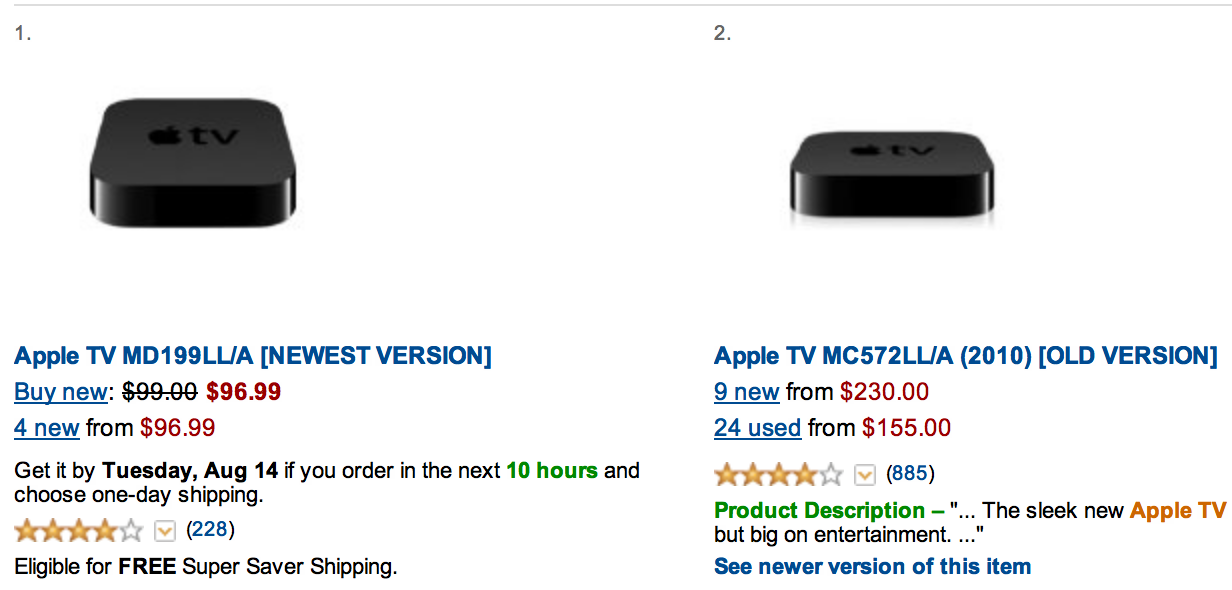
As we noted in May, the wait for the 1080p Apple TV jailbreak caused a spike in the price of the already jailbroken 720p Apple TV. The older Apple TV (new in box) is going for as much as $230 on Amazon and eBay, where as the latest model is going for as little as $90. Feature-craving customers are willing to pay a significant premium to jailbreak their Apple TV and add different media types, a web browser, the ability to back up content to the cloud, and more to their set-top box.

iOS hacker pod2g exaggerated the situation last week when he tweeted that he does not know of anyone working on a jailbreak for the third-generation Apple TV. The news was definitely a little disconcerting for those hoping to get a jailbreak on their 1080p Apple TVs.

However, there might be a light at the end of the tunnel for 1080p Apple TV owners who are after the jailbreak features.


Expand
Expanding
Close

Diagram of next iPhone’s internals puts leaked parts in context

Site default logo image

Click for larger

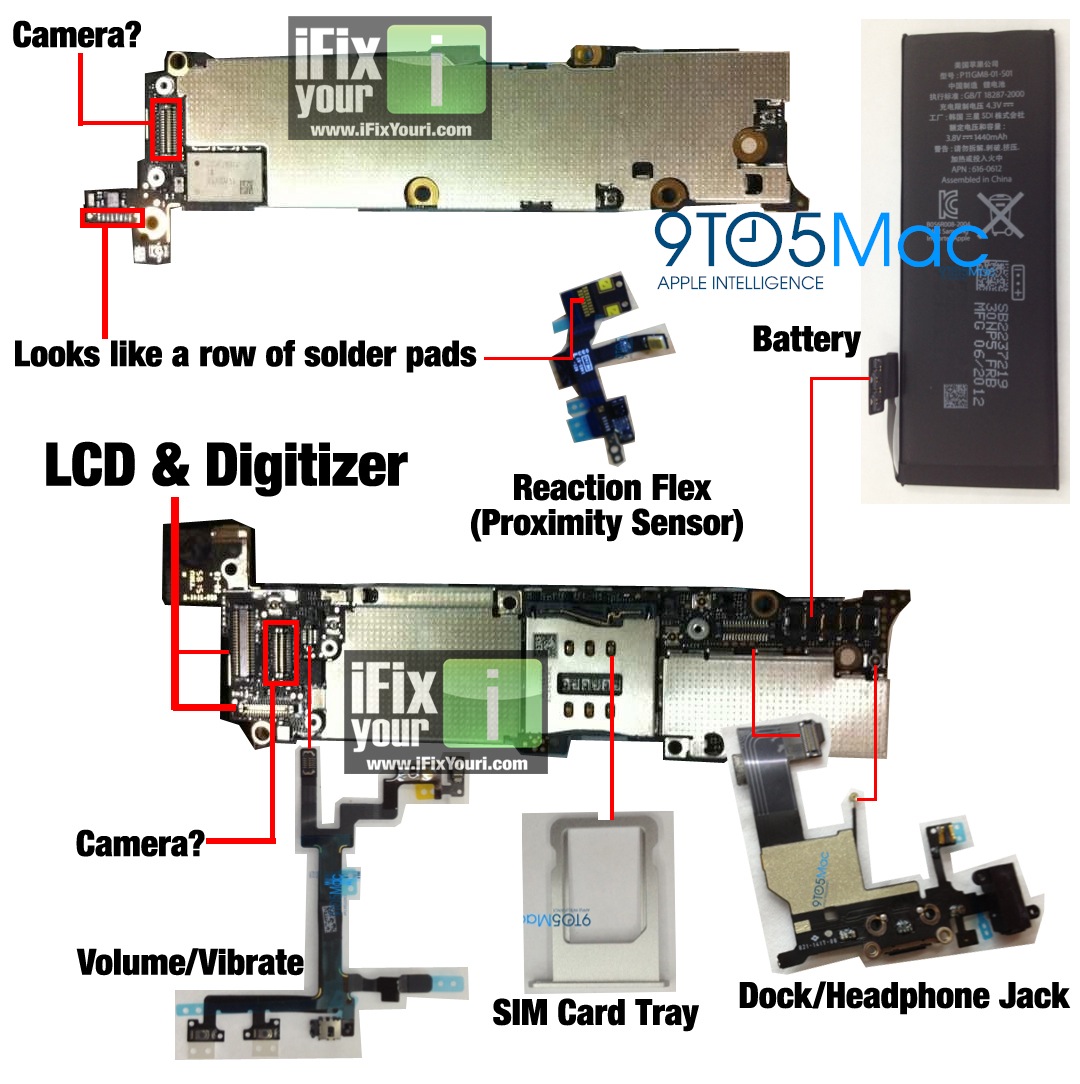
iFixYouri Professional iPhone Repair has put together a diagram (shown above) that puts many of the next-generation iPhone’s leaked parts into context. Earlier today, the purported motherboard for the next iPhone leaked out, and iFixYouri iPhone repair’s diagram shows where all of the leaked parts fit onto the motherboard.

One of the biggest points to note is that many of these leaked parts fitting together nicely on the motherboard (obviously, image size aside) probably means that these parts are legitimate.

Another thing to note is that the SIM card slot, while seemingly slightly smaller, appears to be more along the size of the current Micro-SIM-standard found in the iPhone 4 and iPhone 4S. The next iPhone has been rumored to include a smaller, nano-SIM standard, and parts pointing to this have already leaked out. Although we cannot be entirely sure what size the leaked motherboard points to (due to angle, size, and context of the imagery), it is worth nothing that we have seen leaks for the new iPhone that differ in their SIM-card slot sizes. This means that Apple has been testing components for both sizes. With the next-generation iPhone already in production, Apple’s decision for SIM size has obviously already been decided.

The next-generation iPhone is expected to be announced and released in September. A taller, four-inch display with a 640 x 1136 resolution, LTE, NFC, and an improved processor are rumored in addition to a thinner design. 

Photos of alleged next-generation iPhone motherboard surface, point to new antennas, battery

Site default logo image

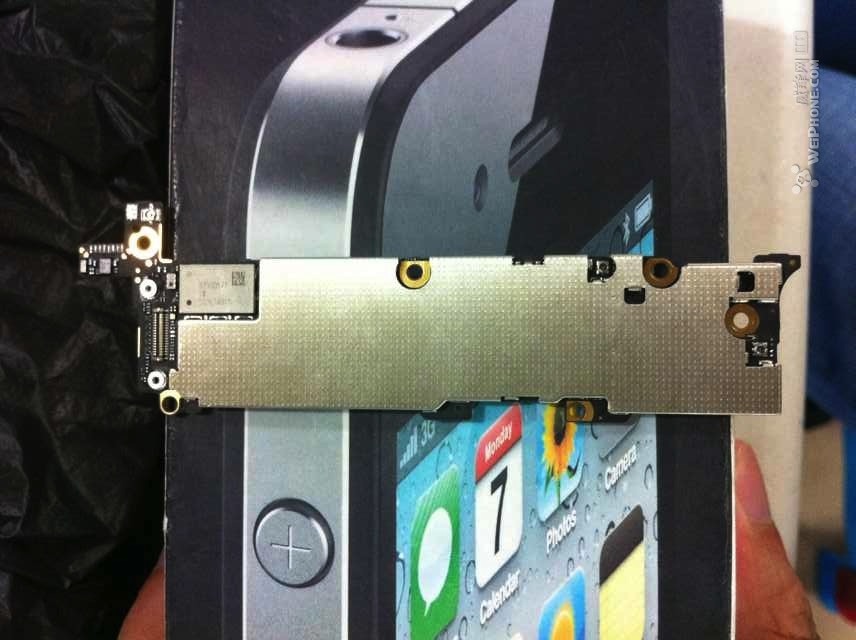
A WeiPhone forums user posts a couple of photos of what is apparently claimed to be a motherboard/logicboard for the next-generation iPhone. If legitimate, the part appears to be a prototype unit because it is missing much of the typical labeling.

Unfortunately, the new iPhone’s processor does not appear to be pictured in these photos. In May, we reported that Apple is testing next-generation iPhone hardware with a new A5-2 processor. This reportedly is an A5-based CPU (like in the iPhone 4S) but with various tweaks.

The SIM card slot, the most-centered component on the motherboard, does appear slightly smaller in size compared to the 4/4S, according to iDeviceGuysiPhone parts specialists that we spoke to. The connection points are also more closely connected. This may or may not point to the new device using the new Nano-SIM format.

This repair firm also says that the battery connector apparently has a five pins, compared to four on the iPhone 4S. We recently posted a photo of the new iPhone’s higher-capacity battery.

iDeviceGuys also says that more antenna connections are present (compared to the iPhone 4S), which may lead credence to the rumors pointing to this new iPhone as the first LTE smartphone from Apple.

Apparently, the digitizer connector for the display is also tweaked, and this may point to the already-rumored new screen technology coming in this new iPhone.

While we wouldn’t normally put too much faith in an unverified forum post, we looked a bit more into the poster of the photographs. It seems that the same user posted legitimate photos of an iPhone 4S motherboard in August 2011. That is a couple months prior to the device’s announcement and launch.

In addition, now that a good amount of other parts (including back plates) have leaked out for this new iPhone, NoWhereElse.fr made a GIF that compares the size and connections of the motherboard in the photos to the already leaked parts:


Expand
Expanding
Close

Site default logo image

From 9to5toys: EA Mobile Up to 80% off iPhone & iPad Games

From 9to5Toys.com:

EA Mobile gaming is taking up to 80% off some of their hottest iOS titles to celebrate their “back to school” promotion. Use the direct download links below to cash in on the savings before they disappear.

iPhone

Real Racing 2, regular $4.99 now only $1.99
Launch Center Pro, regular $4.99 now only $2.99
FIFA 2012, regular $6.49 now only $1.99
Dead Space, regular $6.99 now only $1.99
The Sims Medieval, regular $2.99 now only $1.99
Burnout Crash, regular $4.99 now only $2.99 (iPhone & iPad)
Battlefield Bad Company 2, regular $2.99 now only $1.99
Risk, regular $2.99 now only $1.99
The Sims 3, regular $6.99 now only $2.99
Fight Night Champion, regular $4.99 now only $1.99
Madden 2012, regular $2.99 now only $1.99
Real Racing, regular $2.99 now only $1.99

iPad

Tetris, regular $2.99, now only $1.99 

Expand
Expanding
Close

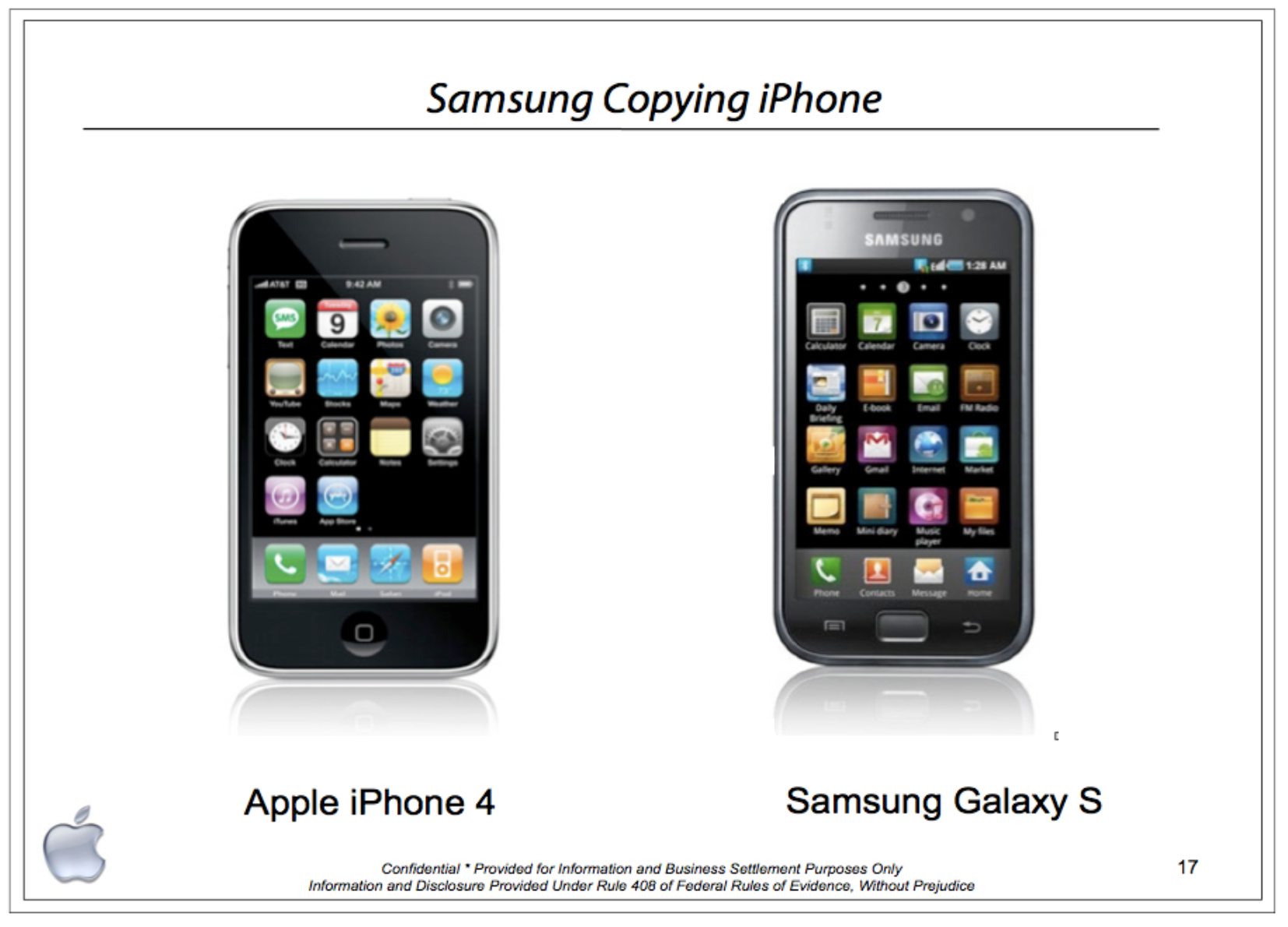
In 2010, Apple offered to license iOS device patents to Samsung: $40 a tablet, $30 a phone

Site default logo image

Apple’s lawyers may want to have another look at an ‘iPhone 4’

AllThingsD shares some pretty incredible news that in October 2010, Apple executives met with Samsung executives in hopes to settle Apple’s concerns that Samsung’s tablets and smartphones infringe Apple’s iPhone and iPad iOS device patents. According to the new filings, Apple proposed a patent licensing deal with Samsung. Apple apparently felt that a deal rather than litigation – at that time – was the best move to make. This is because of Apple and Samsung’s long-term iOS device component relationship.

Samsung chose to embrace and imitate Apple’s iPhone archetype,” Apple said in an Oct. 5, 2010 presentation to Samsung. “Apple would have preferred that Samsung request a license to do this in advance. Because Samsung is a strategic supplier to Apple, we are prepared to offer a royalty-bearing license for this category of device.

The most notable part of the new filing are the numbers: Apple wanted $40 per Samsung tablet sold and $30 per smartphone in this licensing agreement. If Samsung agreed to cross-license its applicable patents to Apple, the $40 and $30 per-unit figures would drop 20%.

As we now know, Samsung declined the offer and Apple and Samsung are fighting in a major trial this month. It will be interesting to see how much Samsung  ends up having to pay Apple per device – if the price of avoiding this whole circus was warranted or not.


Expand
Expanding
Close

Parts for next iPhone floating around Asia [Gallery]

Site default logo image

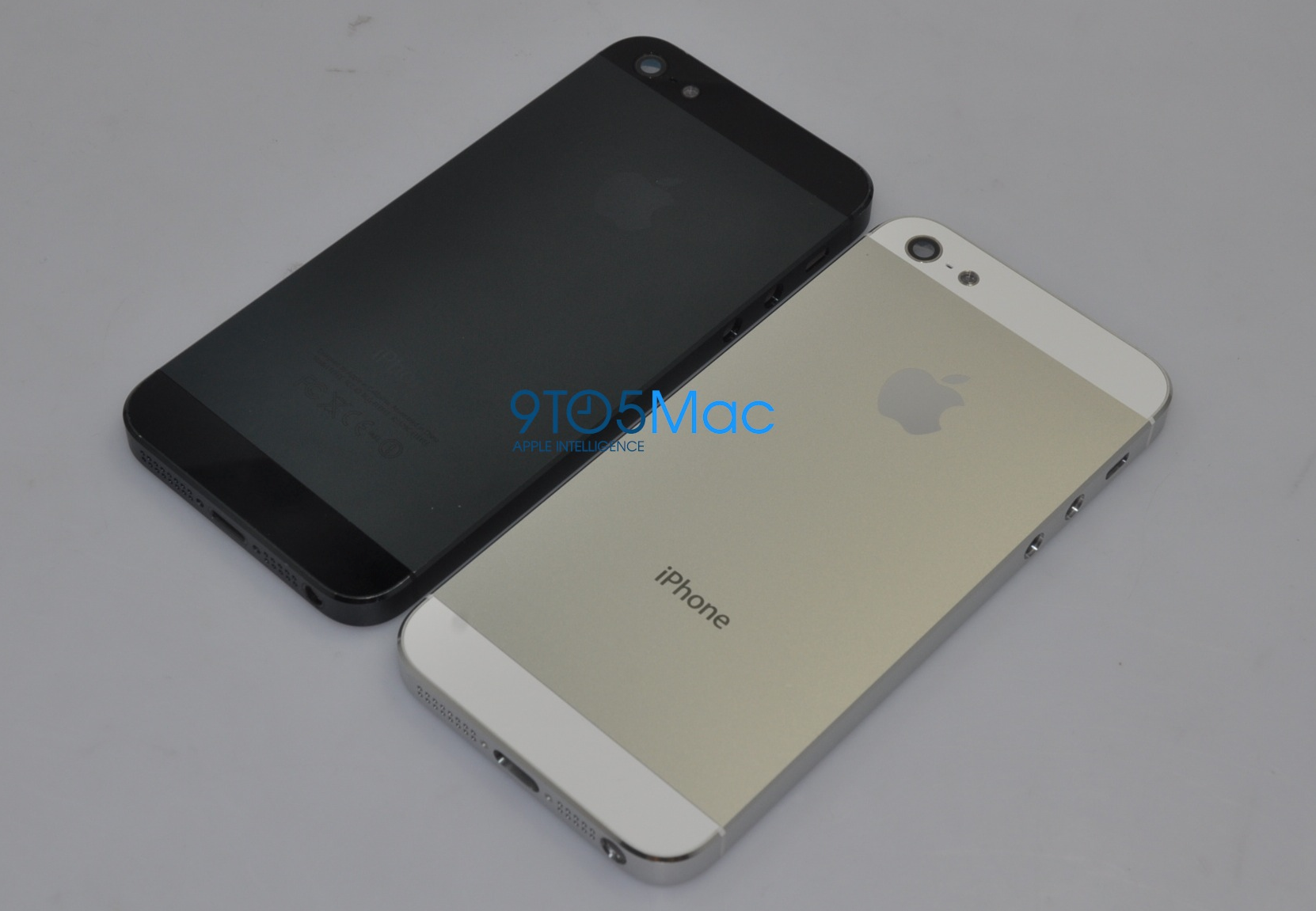
With next month’s announcement and subsequent release of the next-generation iPhone approaching, many more parts for the device are making their way around Asia, the hub for the device’s mass-production. 9to5Mac contributor Sonny Dickson has shared several images of many different parts and components for the new device. Many of these components, such as the unibody back casings, dock ports, LCD panels, and notably the battery, have already been profiled, though we are posting this comprehensive gallery to provide context of how many different parts are currently floating around. You can view our full gallery after the break. (Thanks, Sonny!)


Expand
Expanding
Close

How the next-generation iPhone with taller display may position landscape keyboard

Site default logo image

Earlier this week, we broke the news that Apple’s upcoming version of iOS 6 is fully scalable and aware of taller, larger iPhone displays. The display resolution of 1136 x 640, a resolution we first reported in May that Apple is testing for future iPhones, shows a seemingly perfectly tweaked version of iOS 6. As we revealed earlier, this means five rows of home screen icons and tweaked native app user-interfaces.

We have been playing around more with the iOS simulator, which we tweaked to work on different resolutions, and we noticed some additional notable UI changes for the taller resolution. As we noted several months ago, the 1136 x 640 resolution on the next-generation iPhone will mean that the display comes in just around at a 16:9 proportion, an uncommon resolution for a mobile phone. Because of this, some have wondered how certain user-interface elements would be presented.

Many interface elements that are displayed while using the iPhone in vertical orientation will remain unchanged. The most important element, perhaps, is the iPhone’s keyboard. In portrait/vertical view, the keyboard on the next-generation iPhone will likely not change.

However, in landscape, it will:


Expand
Expanding
Close

Screenshots of what running apps on a taller iPhone screen may look like

Site default logo image

Earlier this week, we broke the news that Apple’s upcoming iOS 6 software for the iPhone is fully aware and capable of running on taller iPhone displays. It just so happens that the latest iOS 6 builds are optimized to express a tweaked, properly displayed new interface when running at a resolution of 640 x 1136. This happens to be the exact resolution that our sources reported Apple is testing for upcoming iOS devices.
iOS specialist Sonny Dickson decided to create some screenshots of what running native applications may be like on the next-generation iPhone – if Apple chooses to roll with the taller, 640 x 1136 screen. Dickson installed some applications into the tweaked iPhone simulator, and the results are interesting. Apps that are already included and optimized for the iOS 6 simulator appear to have tweaked interfaces that fit the taller display. Several more screenshots and all the details are after the break:


Expand
Expanding
Close