iPhone 5


Prominent iOS developer @Chronic seems to indicate in a series of tweets this morning that there is indeed NFC hardware in the iPhone 5 (or at least prototypes), but it perhaps is not set up to be used for payment systems.
[tweet https://twitter.com/chronic/status/245834867626090496]
[tweet https://twitter.com/chronic/status/245836508068708352]
[tweet https://twitter.com/chronic/status/245837468488839168]
[tweet https://twitter.com/chronic/status/245840258040745984]
The tweets seems to fall along the same lines as what we had heard earlier about prototypes. However, Jim Dalrymple from the Loop disputed claims of NFC hardware, perhaps to temper expectations.
Just as a note: The iPhone had the capability to use FM RX/TX radio for years, but Apple decided not to enable it for listening to radio stations or even broadcasting to your car stereo for whatever reason. This could be a similar situation.
We will not know for sure until the iPhone is torn down later this month.

 MICGadget translates a report from the Shanghai Evening Post that sheds some more light on the Foxconn assembly plants. A reporter went undercover as one of the many people hired to build the iPhone 5. He (pictured right) kept a diary but was only able to stomach the work for a few weeks (reporters are lightweights when it comes to real work, trust me).
By my own calculations, I have to mark five iPhone plates every minute, at least. For every 10 hours, I have to accomplish 3,000 iPhone 5 back plates. There are total 4 production lines in charge of this process, 12 workers in every line. Each line can produce 36,000 iPhone 5 back plates in half a day, this is scary … I finally stopped working at 7 a.m. We were asked to gather again after work. The supervisor shout out loud in front of us: “Who wants to rest early at 5 a.m !? We are all here to earn money ! Let’s work harder !” I was thinking who on earth wants to work two extra hours overtime for only mere 27 yuan (USD$4) !?
There is not much here you have not heard before and unfortunately no tech specs. The bottom line is it is incredibly hard work with little wages under pretty bad working conditions, but it is voluntary, legal and people know what they are getting themselves into.

Update: In a blog post prematurely posted on its UK website, Vodafone confirmed it has 500,000 nano-SIMs ready to go, while noting the “first devices have now been announced.” It also posted the images above showing off just how tiny the new SIMs are… approximately 40 percent smaller than micro-SIM.
They’re so slim and tiny you might only be able to handle them with tweezers – but imagine the extra space the new nano-SIM card frees up inside your handset…The first devices have now been announced – and Vodafone has now got 500,000 of the new 12.3 mm x 8.8 mm nano-SIMs in stock.
We told you that nano-SIMs was arriving at carriers last week ahead of this week’s iPhone launch when the first one was spotted at T-Mobile partners in Europe. Today, iFun reports that Vodafone Germany also has its SIM cards in stock and ready to ship in the next 24 hours:
After the nano-SIM sightings at Telekom and O2 internally distributed cards, on which we reported in the course of the forenoon were able to report that we are now sitting in front of confirmed nano-SIM shipments Vodafone.
Expand
Expanding
Close
In the lead up to Apple’s Sept. 12 media event, where most expect the next-generation iPhone to be unveiled, there are still some things —believe it or not— that we don’t know about the device. The new iPhone is rumored to sport a longer, four-inch display, a smaller dock connector, an overall thinner design, updated RAM, and other internal components. But we have not heard much about the camera, which is one of the most important parts of any smartphone.
There is some evidence that Apple has now centered the FaceTime camera, such as the next-generation iPhone backs that we posted in May, and Apple seems to be moving toward FaceTimeHD, but we also expect the device’s rear camera to receive an upgrade over the previous-generation iPhone 4S.
While the iPhone 4S introduced a redesigned 5 lens camera system with a new sensor and 8-megapixels, the game has definitely been stepped up with a number of camera-related product announcements from Sony, Nokia, Motorola and Samsung. If the next-generation iPhone’s camera is to keep its lead with the most recent devices announced by these manufacturers, Apple is likely planning an improved camera system for the ‘iPhone 5’.
Expand
Expanding
Close

Note: This is an update from a previous post in light of the iPhone 5 announcement

The next-generation iPhone is set to launch in next week and trade-ins are peaking, so now is the perfect time to start exchanging those soon-to-be old models to earn some cash for Apple’s upcoming smartphone. 9to5Mac compiled a list of reliable places to help you trade in that ole’ dusty iPhone for cash or credit—up to $500s worth in some cases! That is enough to buy a new iPhone and cover the AT&T early termination fee for moving to a carrier that fully supports FaceTime.
Before browsing the options, take a moment to identify the condition, features, and model of the swappable iPhone. This will help determine its potential value, because most online programs use a survey to calculate the iPhone’s estimate. Moreover, it is prudent to act now, as retailers will likely drop their prices as the launch date draws nearer.

With the September 12th Apple event approaching, anticipation for a redesigned iPhone is heating up. Besides the legitimate information leaking over the course of the past months, there has been fake information, mockups and hoaxes about the device floating around. Over the past few days, the increasing anticipation and speculation for the new iPhone has led to a new level of mockups and hoaxes.
[youtube http://www.youtube.com/watch?v=LV9y-bQ4-qM]
GSMIsrael, this weekend, claimed a world exclusive iPhone 5 hands-0n. Though, their hands were actually on a plasticky mockup built by a case maker.
It gets much worse…
While we certainly cannot vouch for the quality of this “iPhone 5 conversion mod kit” for iPhone 4 and iPhone 4S, it appears to be a back-plate mod kit based on leaked next-generation iPhone designs. Available in both black and white, the kit is based on the next-gen metal iPhone backs that we first posted high-resolution photos of in May. The mod kit is currently shipping worldwide within seven days for $30. The sellers claim the kit uses “camera glass lens of same quality as original iPhone back panel,” while the back plate includes “glass-like acrylic” and aluminum.
The kit also comes with Phillips and Pentalobe screwdrivers. The iPhone 5 mod kit is available here, and a short promo video of the result is below. For comparison, images of the “real” thing are here.
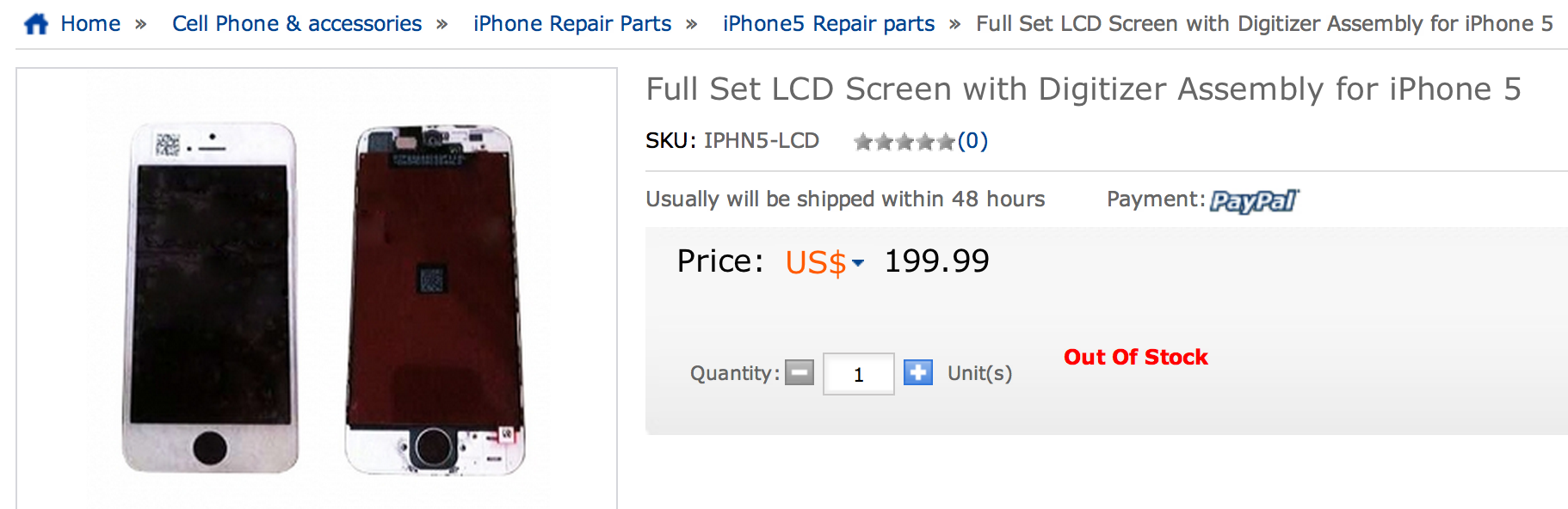
I think it is safe to say we are seeing an unprecedented number of upcoming iPhone parts from the supply chain this time around and one of the few remaining parts yet pictured not only started showing up over the weekend…it is also on sale. For $199, you can pick up (update: out of stock) the “iPhone 5” LCD Screen complete with digitizer assembly. The part looks to be a taller 1,136-by-640-pixel display but obviously, “buyers beware.”
UbreakIfix relayed by MacRumors posted the first images of the new iPhone display over the weekend. Perhaps it purchased the display from ChinaGadgetLand—the parts look very similar.
 .
.
The ChinaGadgetLand description reads:

Much like in the weeks leading up to the iPhone 4S launch in early October 2011, European carriers are preparing for the expected Sept. 12 introduction of the new iPhone with pre-order tickets now available through various carriers. As noted by reports from German website iPhone-ticker.de, Deutsche Telekom will offer pre-order tickets to interested customers through its distribution partners starting today. The tickets will offer a first-come, first-serve basis for the new iPhone with express delivery of the device to ticket holders on the first available day. Carriers are clearly preparing for the launch of Apple’s next-gen iPhone. Not that we need additional verification, as the most recent reports once again confirm a Sept. 12 unveiling and add the device could actually be available for pre-order on the same day. Last year, Vodafone and other carriers quickly followed Deutsche Telekom by offering iPhone pre-order tickets.

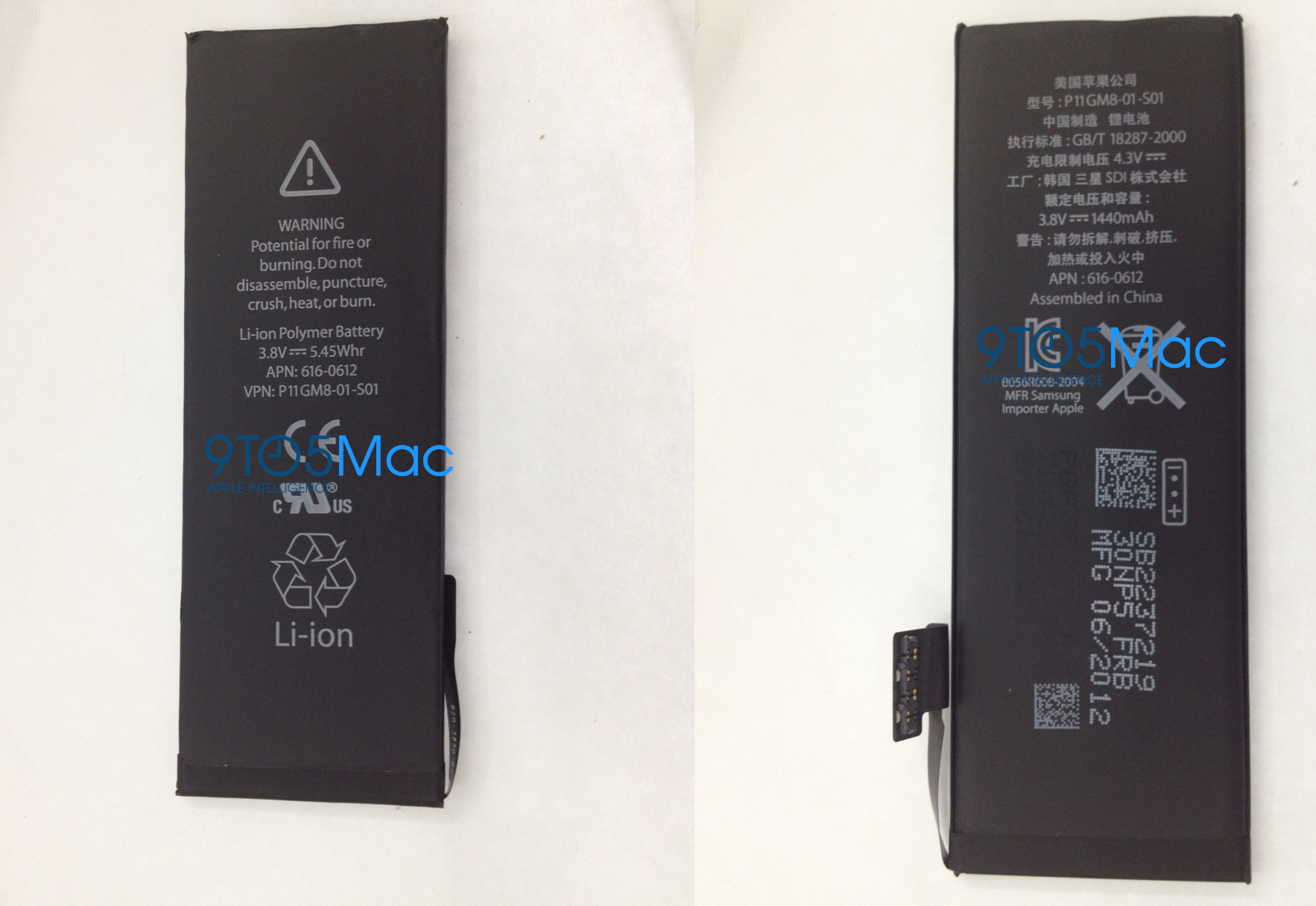
As the launch of the next iPhone approaches, lots of parts have been leaking out and we’ve been able to put the pieces together almost like a reverse iFixit teardown. Over the course of the past couple of weeks, we’ve seen internal components and LCD parts making their way into the hands of iOS device parts suppliers. The most notable part leaks this year were the back plates of the new iPhone. We posted the first photos of these in May. Those new parts revealed an all-new thinner enclosure, metal design, smaller dock connector, and various other next-generation iPhone attributes.
Today, a reliable parts source (via 9to5Mac contributor Sonny Dickson) sent us images of new iPhone battery packs that they received. Notably, these new battery packs sport a higher capacity than the packs in previous generations of Apple’s smartphone. This new battery features a capacity of 1440 mAh. That is up from the capacity of 1430 mAh on the iPhone 4S and up from 1420 mAh on the iPhone 4, according to iPhone repair shop iFixYouri, whom examined the battery photos.
More details after the break:

Earlier this week, we broke the news that Apple’s upcoming version of iOS 6 is fully scalable and aware of taller, larger iPhone displays. The display resolution of 1136 x 640, a resolution we first reported in May that Apple is testing for future iPhones, shows a seemingly perfectly tweaked version of iOS 6. As we revealed earlier, this means five rows of home screen icons and tweaked native app user-interfaces.
We have been playing around more with the iOS simulator, which we tweaked to work on different resolutions, and we noticed some additional notable UI changes for the taller resolution. As we noted several months ago, the 1136 x 640 resolution on the next-generation iPhone will mean that the display comes in just around at a 16:9 proportion, an uncommon resolution for a mobile phone. Because of this, some have wondered how certain user-interface elements would be presented.
Many interface elements that are displayed while using the iPhone in vertical orientation will remain unchanged. The most important element, perhaps, is the iPhone’s keyboard. In portrait/vertical view, the keyboard on the next-generation iPhone will likely not change.
However, in landscape, it will:

Earlier this week, we broke the news that Apple’s upcoming iOS 6 software for the iPhone is fully aware and capable of running on taller iPhone displays. It just so happens that the latest iOS 6 builds are optimized to express a tweaked, properly displayed new interface when running at a resolution of 640 x 1136. This happens to be the exact resolution that our sources reported Apple is testing for upcoming iOS devices.
iOS specialist Sonny Dickson decided to create some screenshots of what running native applications may be like on the next-generation iPhone – if Apple chooses to roll with the taller, 640 x 1136 screen. Dickson installed some applications into the tweaked iPhone simulator, and the results are interesting. Apps that are already included and optimized for the iOS 6 simulator appear to have tweaked interfaces that fit the taller display. Several more screenshots and all the details are after the break:
According to a translated report from Nowhereelse.fr, images of the tray for Apple’s new nano-SIM design started surfacing from China. In June, the ESTI was thought to have selected Apple’s new SIM card design for its 4FF standard, and reports from just last month claimed European carriers are stockpiling the new SIMs in anticipation of a next-gen iPhone launch. A smaller home button appears to also be present in some of the images, which of course lines up with previous leaks.
Presented as being designed to slip into the SIM card slot of the iPhone 5, this element seems in turn confirm that the next iPhone indeed adopt this new standard imposed by Apple. I take this article to drag other photos with us in passing a Home button which should equip the iPhone 5 and which is also slightly smaller than previous generations, details of which we heard last Friday.
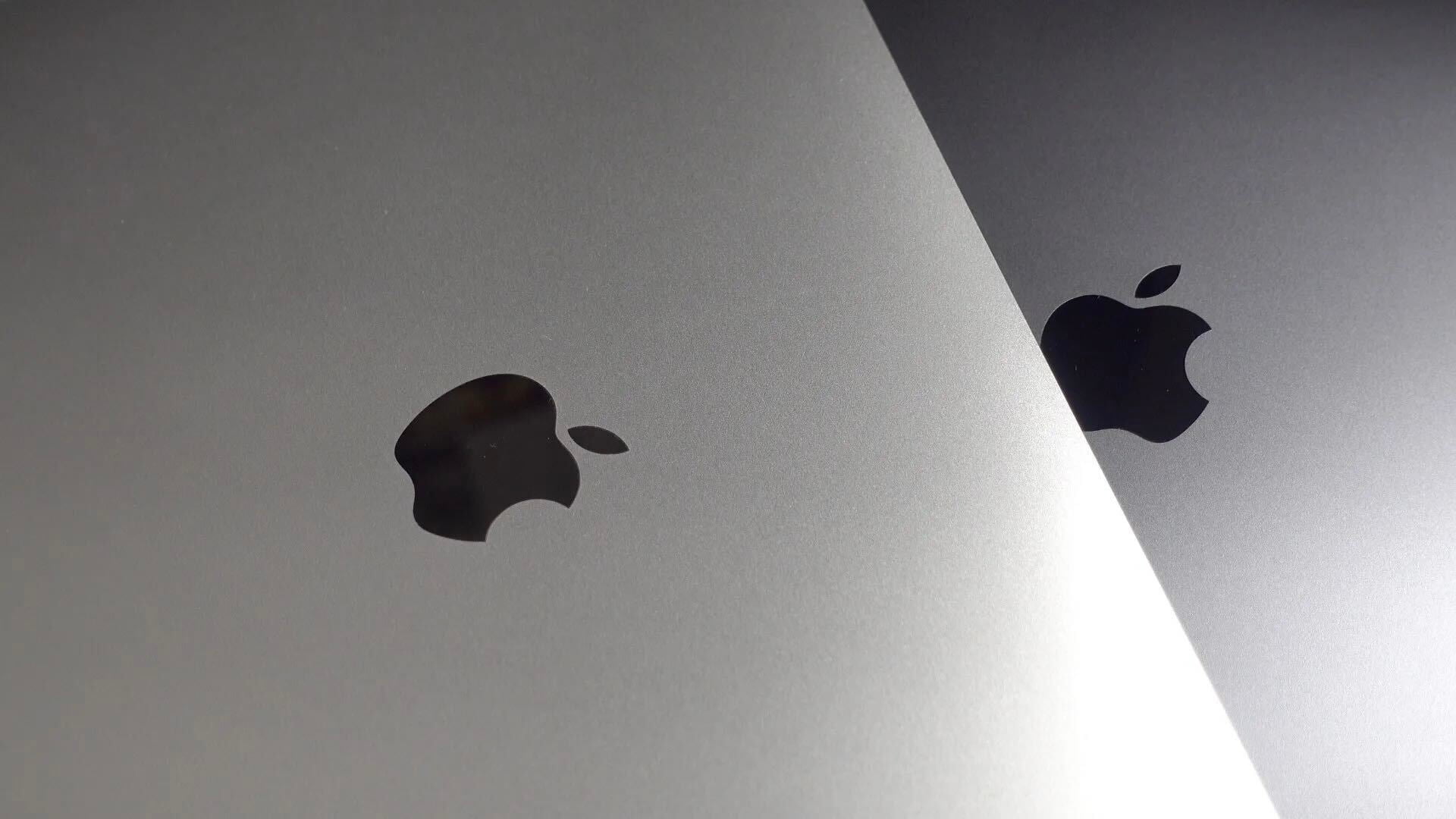
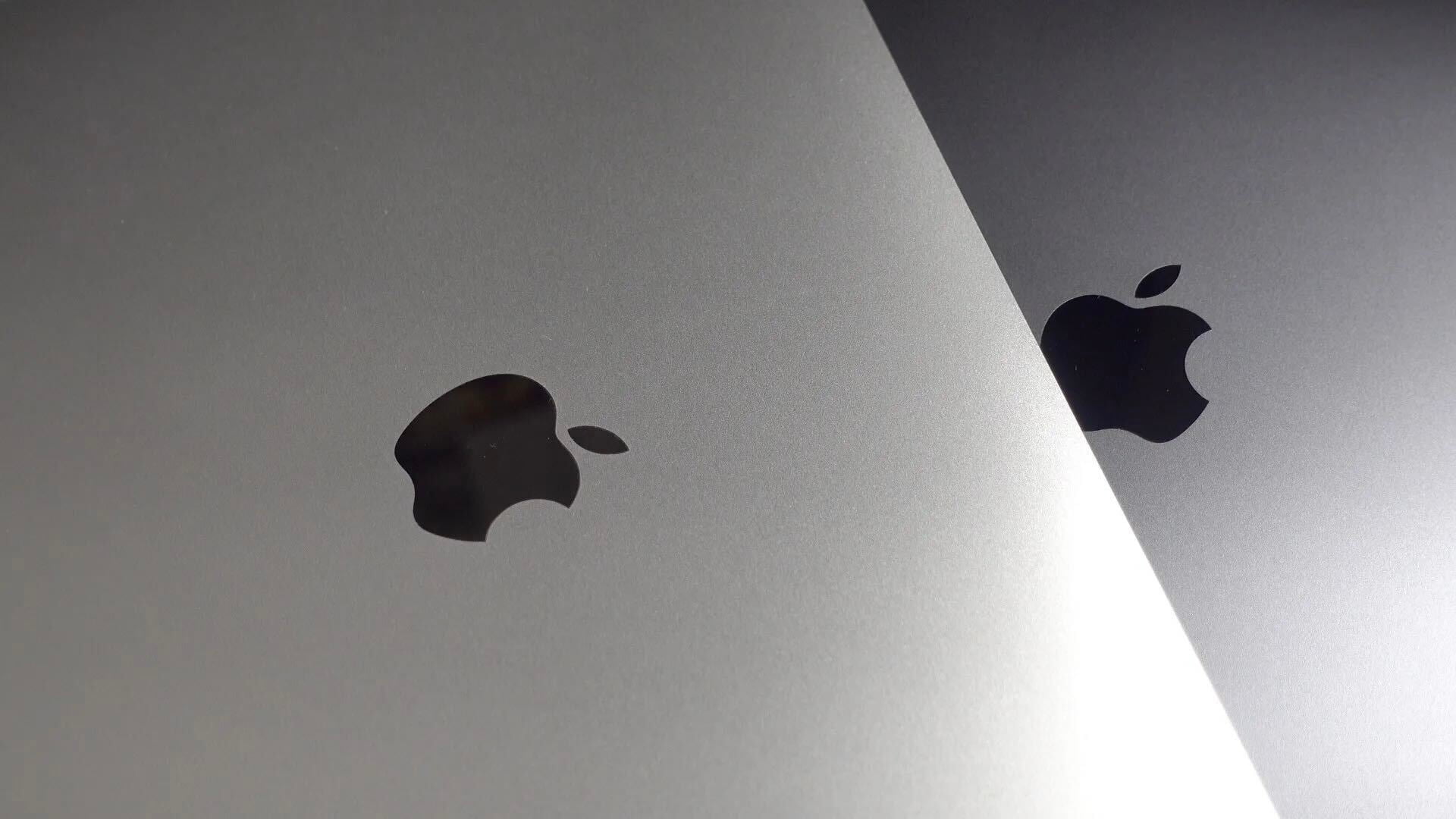
We brought you high-res shots of the black and white next-generation iPhone backs in May, and then we brought you a video hands-on with similar looking casings in June that surfaced online. Today, Neowin posted images it claims to be a “prototype finalized design casing” of the next-gen iPhone (not a functioning device) in the hands of an ex-staff member at MBK Center in Bangkok, Thailand. Present is the repositioned headphone jack, redesigned speaker grills, smaller dock connector, etc., from past leaks, but we have no way of confirming its authenticity. It is possible this is a really good knock-off based on our earlier leaks.
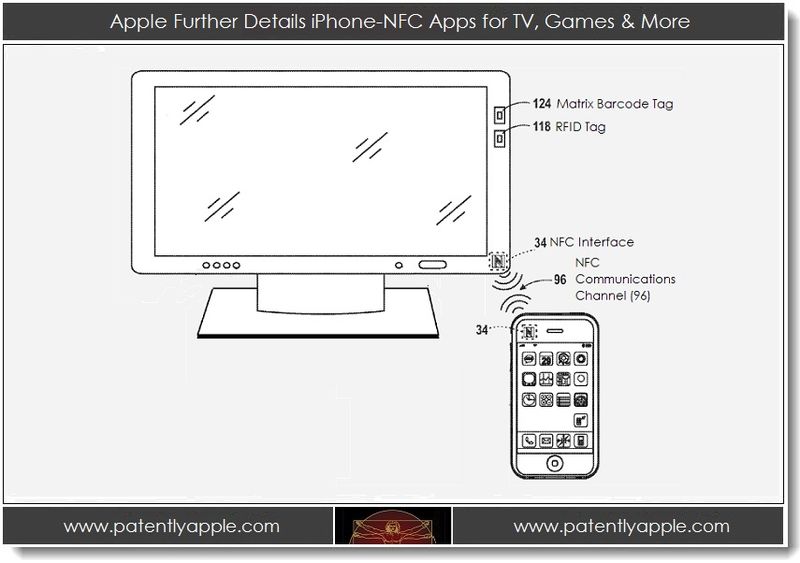
9to5Mac reported last month that prototypes of the next iPhone contained Near Field Communications hardware. The tech could obviously be used with the PassBook app to create some wallet-type functionality, but that is just the tip of the iceberg.
The US Patent & Trademark Office published more patent applications today from Apple that indicated the company envisioned much more NFC capabilities than a Wallet app. The company apparently filed the applications between 2009 and 2010, and the graphics depict an iPhone interacting and controlling everything from a television and DVR to a standalone camera and a projector.
Patently Apple detailed the patent applications:
Our report mainly focuses on the new system as it relates to an iDevice controlling and interacting with a possible standalone television in addition to an expanded version of Apple’s current Apple TV styled device. The updated Apple TV could one day control cable or satellite television programming and video game play via a video game controller. This would really be a boost for Apple if users were able to play high end RPG video styled games with a standard styled controller. Further, Apple’s invention runs deep and they envision NFC ready iDevices being able to control standalone cameras, projectors, in-home security systems, lawn sprinkler systems, your thermostat, garage door and more. One of these fine days, future iDevices will finally support NFC; and when they do – watch out, because Apple will open the floodgates and release a new generation of applications noted in this report and others like their forthcoming iWallet. Will Apple’s next generation iPhone 5 finally be the one that will introduce NFC? Only time will tell.
According to a report from iMore’s Rene Ritchie, Apple plans to release an adapter alongside the new iPhone that will allow users to connect accessories using the old 30-pin dock connector to the device’s new 19-pin connector:
iMore reached out to the original sources that gave us the new Dock connector story way back in February just to make doubly sure — and yes, there will be an adapter for the iPhone 5’s smaller Dock connector that will let it work with many of the accessories designed for the old 30-pin Dock connector.
The report noted there is no word on whether Apple plans to include the adapter in the box with the new iPhone or make it a separate purchase. Earlier today, a report from Reuters backed up the rumors and earlier reports that Apple plans to include the smaller, 19-pin dock connector on the new iPhone expected to launch in October. iMore originally reported the new iPhone would include the smaller connector in February, and several reports since followed up with similar predictions.
In May, we posted images of the next-gen iPhone‘s metal back (above) that clearly show the smaller connector.
Tvc-mall.com (via CydiaBlog) has some “iPhone 5” cases for sale (at just $1.58 each!) that seem to align with the many, many, many, many next generation iPhone body part leaks. One thing to remember: Just because a case maker is producing cases, does not mean the next generation iPhone will fit into it.
As you can see, the cases are longer to accommodate the larger 4-inch display and have a smaller dock connector hole at the bottom. The speaker holes are bigger with the addition of the headphone jack rumored to be moving down south.
If you are one of the 65 percent of smartphone owners who are already signed up for the next iPhone, are you buying a case for it yet?
According to a report from Financial Times, carriers in Europe are stocking up on mini SIM cards designed for Apple’s next-generation iPhone in anticipation of the device’s expected October launch. In June, reports speculated that Apple’s nano-SIM design for the new 4FF standard was selected by the European Telecommunications Standards Institute, while hands-on video of the next-generation iPhone backs, which we first revealed in May, showed what appeared to be a smaller SIM card holder.
Today’s report from FT claimed Apple’s nano SIM card design is indeed the mini SIMs being purchased by European operators:
Operators expect that the iPhone will feature the nano sim in a slimmed down design, according to two sources with knowledge of the situation, and have begun to store millions of the cards in warehouses in anticipation of high demand for Apple’s iPhone. Apple declined to comment[Shocker]…
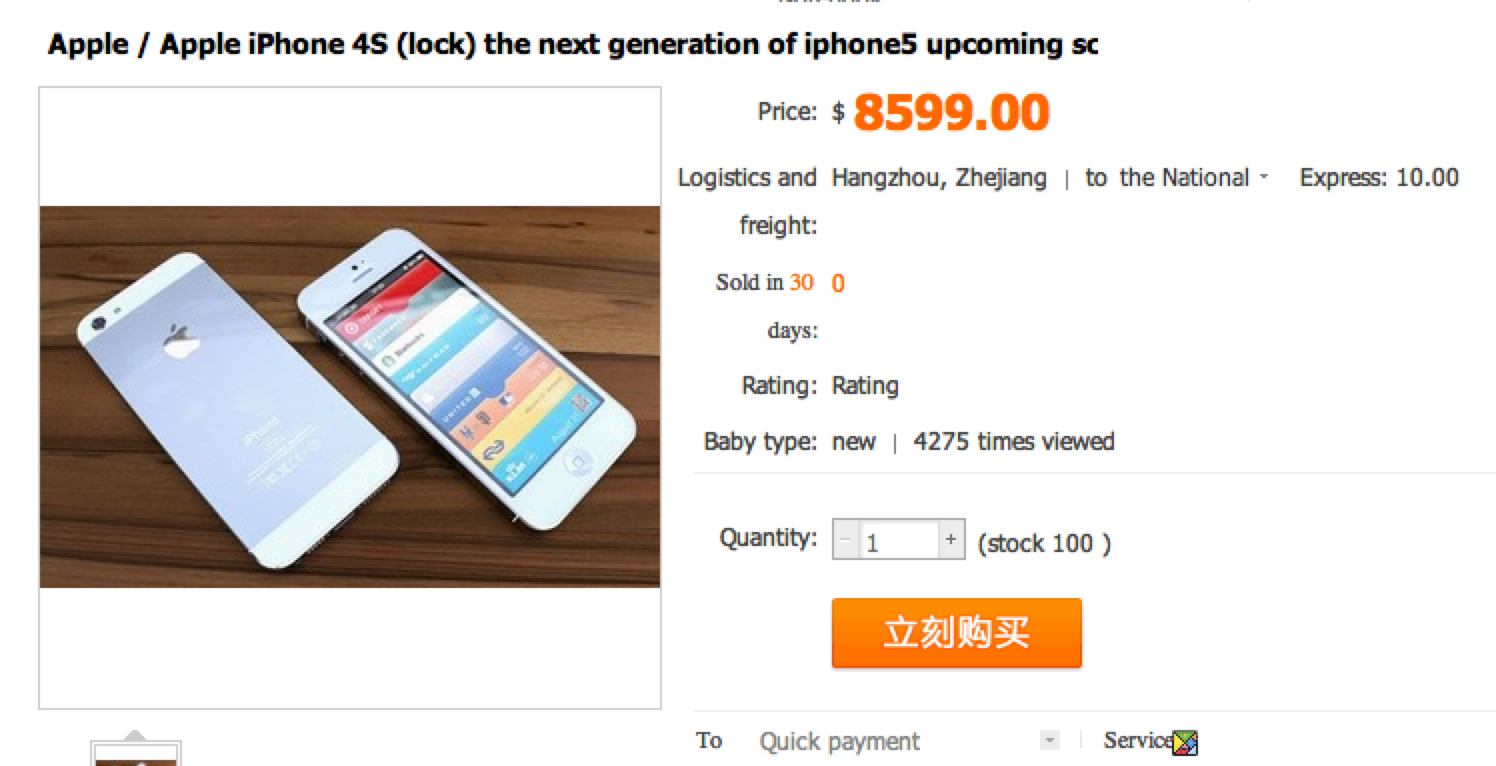
Those in China looking to get a head start on their Fall iPhone shopping are given the opportunity by sites like TaoBao, which, according to Reuters, (and the link we dug up) are already for sale.
Apple Inc’s next-generation iPhone has not even been released yet, but opportunistic sellers on China’s largest e-commerce platform, Taobao, are already accepting pre-orders, complete with mock-up pictures and purported technical specifications.
The hotly anticipated iPhone 5 is widely expected to be released sometime between August and October this year, although Apple itself has been tight-lipped about it. Sources have said the iPhone 5 would have a bigger screen than previous models, while Taiwanese media reported the phone’s voice recognition software, Siri, would have more powerful functions.
Buying Apple devices unseen shows what kind of confidence consumers have in the products that Apple makes. Would you put money down on Apple’s next iPhone without knowing anything about it?
Expand
Expanding
Close
Another batch of newly granted Apple patents were published today by the U.S. Patent and Trademark Office, and then detailed by Patently Apple. Perhaps the most notable is one for an inductive charging solution that we have heard about in the past. Apple patents surfaced last year showing new methods of inductive charging that could be used in various Apple devices. There were even rumors last year that a next-gen iPhone could sport a similar cable-free charging solution. Patently Apple described the docking station invention covered in today’s patent that would include an “eradiating antenna and an inductive charging circuit for inductively charging a handheld device”:
[slideshow]
The iOS 5.1.1 untethered Absinthe 2.0 jailbreak unveiled in Amsterdam this morning and is available for download. For those who want to run Absinthe 2.0 on OS X 10.8 Mountain Lion, or for those having trouble with the jailbreak, just browse the slideshow and steps above. It is literally as easy as 1, 2, and 3.
Note: A jailbroken iPhone simply means it is freed from the limitations imposed by Apple for safety measures.
[tweet https://twitter.com/stroughtonsmith/status/206019793688604672]
Thanks, Preston!
With all the rumors that Apple plans to increase the next iPhone’s display to approximately 4-inches, and yesterday’s reports from Wall Street Journal confirming the rumors, there is much speculation regarding the exact dimensions and resolution of the upcoming display. Overdrive Design blog’s Niilo Autio pointed us to the mock-ups he did of how apps might benefit from a 4-inch display using a resolution of 640-by-1,152. The images below are compared to apps on the existing iPhone 4/4S design. The added screen real estate is especially noticeable in the Safari and Mail apps.
[slideshow]
Earlier this year, leading up to the new iPad launch, iLounge editor Jeremy Horwitz claimed to have held the new device, and then he reported a few of the features that would ultimately launch with the third-gen iPad in March (and some that would not). Today, Horwitz claimed to have new details on the next-generation iPhone. He reported the device would sport a longer 4-inch screen, metallic backside, and smaller and rounded dock connector.
The majority of Horwitz’s specs mirror our report from March 2011 about the iPhone 5 prototypes spotted with metal backs, larger displays, and the overall iPhone 4 design.
The first of his claims: As rumored, the new iPhone will be “longer and thinner” than iPhone 4 and 4S, and it will sport the following changes to its physical design:
According to a report from The Oregonian, power amplifier specialists TriQuint Semiconductor is facing a “challenging” quarter due to a temporary drop in revenues from its biggest customer, Apple. The report noted the company’s CEO Ralph Quinsey did not mention Apple by name, but that Foxconn was responsible for 35 percent of TriQuint’s revenue during 2011:
TriQuint said sales in the current quarter will fall at least 19 percent to the lowest point in at least two years… While Quinsey wasn’t specific about where the problem lies, Apple has incorporated TriQuint chips in the last several generations of the iPhone. Apple is approaching its annual iPhone upgrade — the last upgrade took place in October — and sales tend to fall off before new products launch.
We know from teardowns that Apple included TriQuint chips in many generations of the iPhone and iPad, including the most recent iPhone 4S and third-generation iPad. When iPhone component supplier Qualcomm announced last week it was having “trouble meeting demand” for LTE chips likely to end up in a next-gen iPhone, many analysts speculated that was a clear indication of an October iPhone launch.
Quinsey said in a statement to the publication that he expects to return to normal revenue and growth numbers in the second half of this year:
“I believe this dip will be temporary and remain confident about our long term position,” Quinsey said in a written statement. “We have achieved design win success with our new products and I believe we will return to normal revenue levels and growth in the second half of 2012.”


