Samsung is already eying the iPhone 6s’s most significant new feature, 3D Touch, for its next-generation Galaxy phones. A report on Weibo suggests that the Korean company will be adding pressure-sensitive screens next year following Apple’s lead.
Samsung will apparently be using screen technology from Synaptic, called ClearForce, which we reported on last week. Although right now pressure-sensitive screens are effectively exclusive to iPhone, the availability of Synaptic hardware to OEMs is seemingly allowing Samsung (as well as other manufacturers, not yet disclosed) to jump on board in the near future.
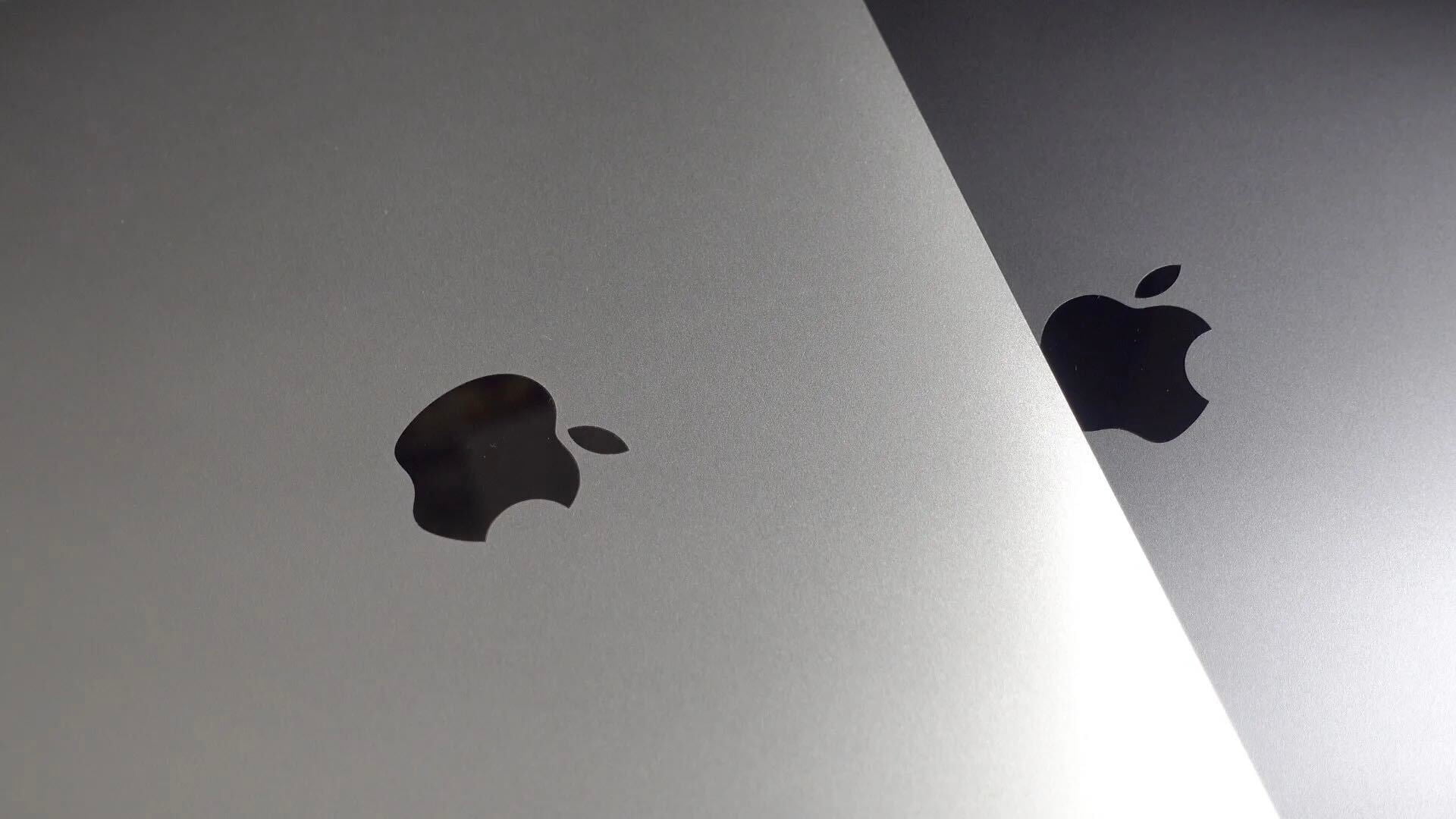
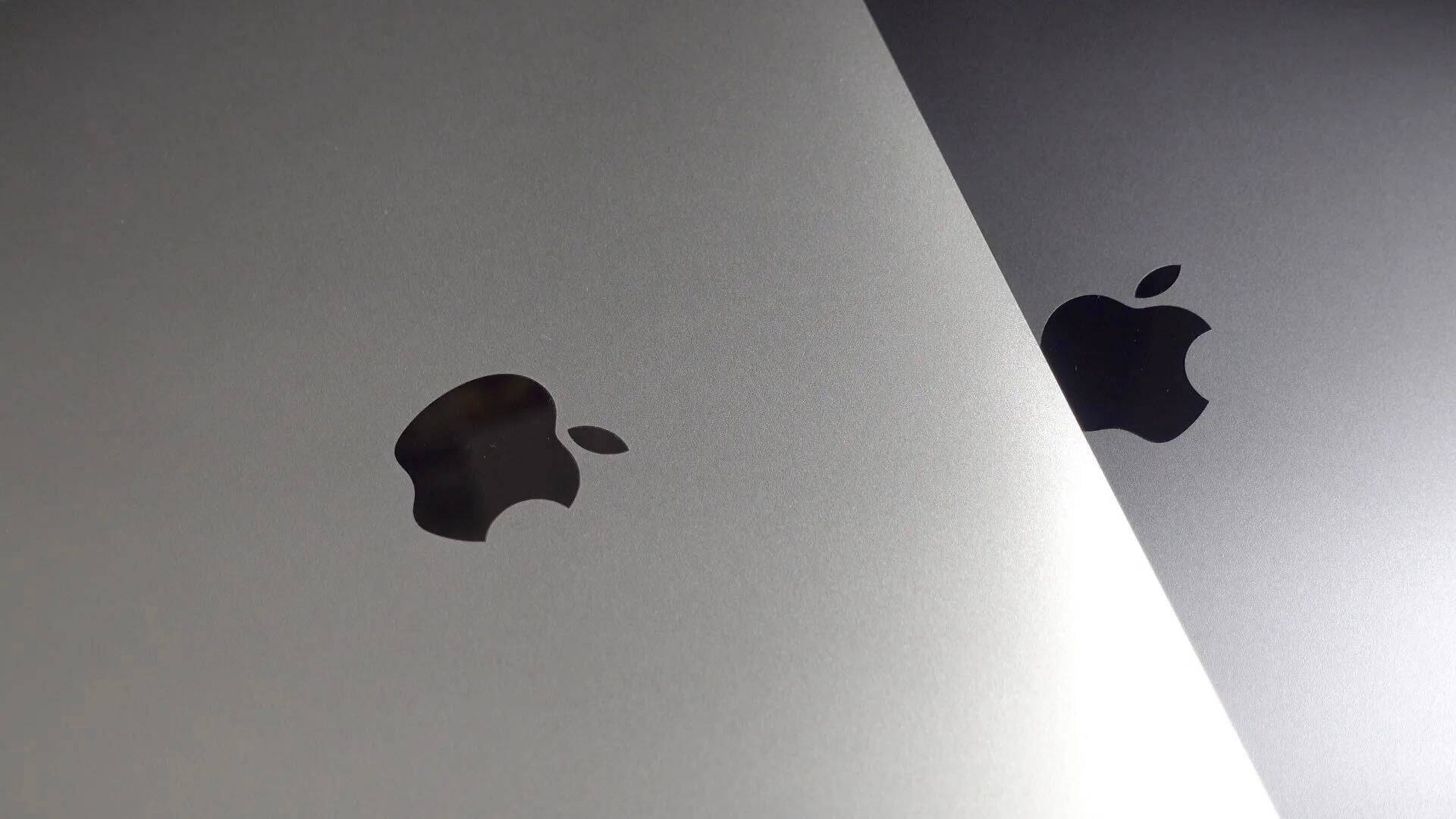
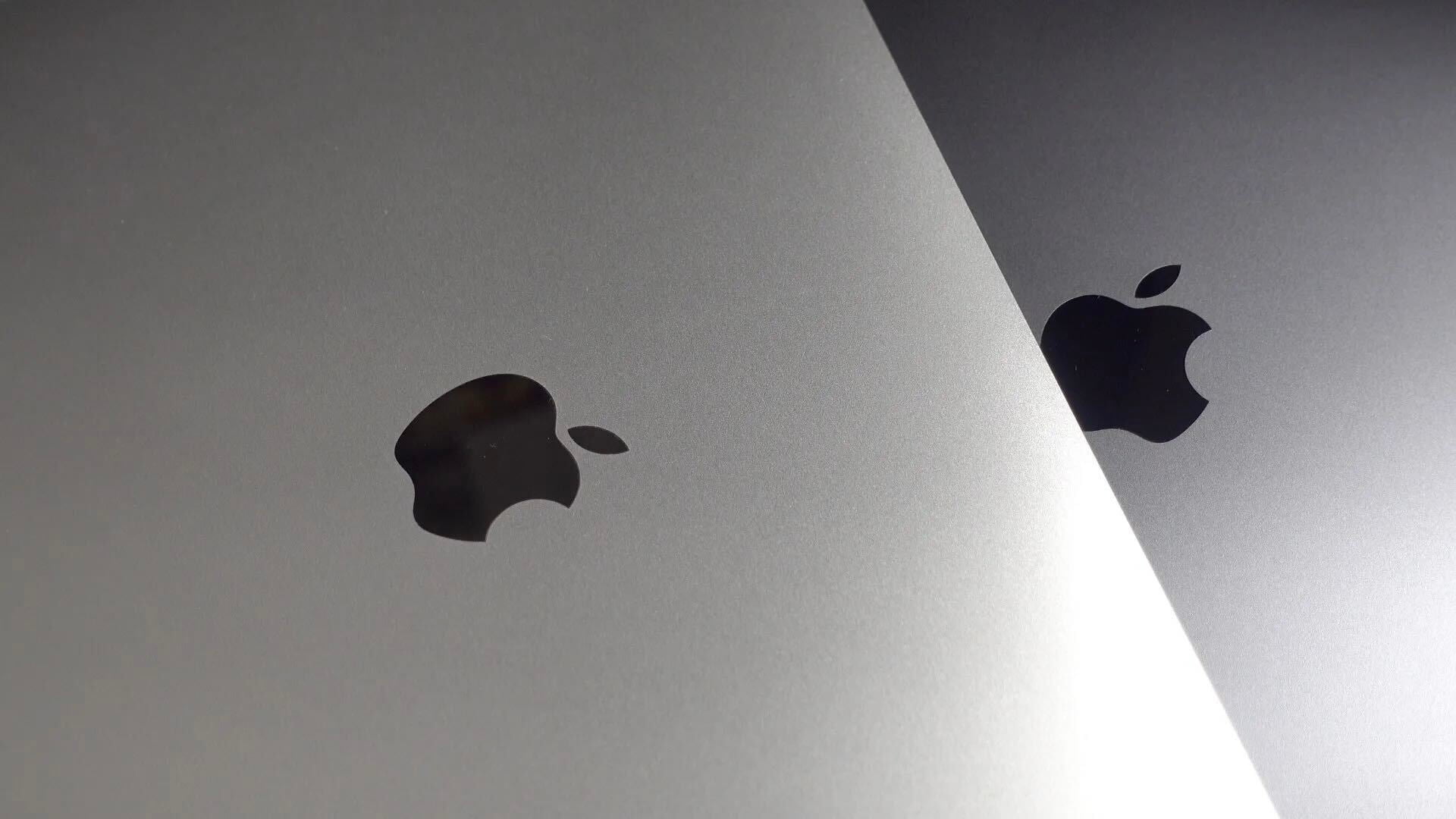
Earlier this month, the United States Patent Office made a non-final ruling that one of Apple’s design patents for the original iPhone is invalid within Apple’s long-running lawsuit against Samsung, according to a report from FOSS Patents. This particular patent, as seen in the drawings above, references the overall design of the original iPhone launched in 2007. It is known as the “D’677” patent in court proceedings and legal documents. FOSS explains the reasoning behind the invalidation:
Gartner is out with its latest report tracking smartphone movement during the previous year and more specifically the holiday quarter.
Headlining the report is news that over 1 billion smartphones were sold in 2014, a data point IDC first said was hit in the previous year, adding that two out of three phones sold last year qualified as smartphones.
Gartner’s data shows Apple topped Samsung in worldwide smartphone sales with 74,832,000 units shipped during the holiday quarter, just 1.8 million units more than Samsung, giving Apple 20.4% market share for the quarter, a virtual tie with Samsung’s 19.9%. Expand Expanding Close
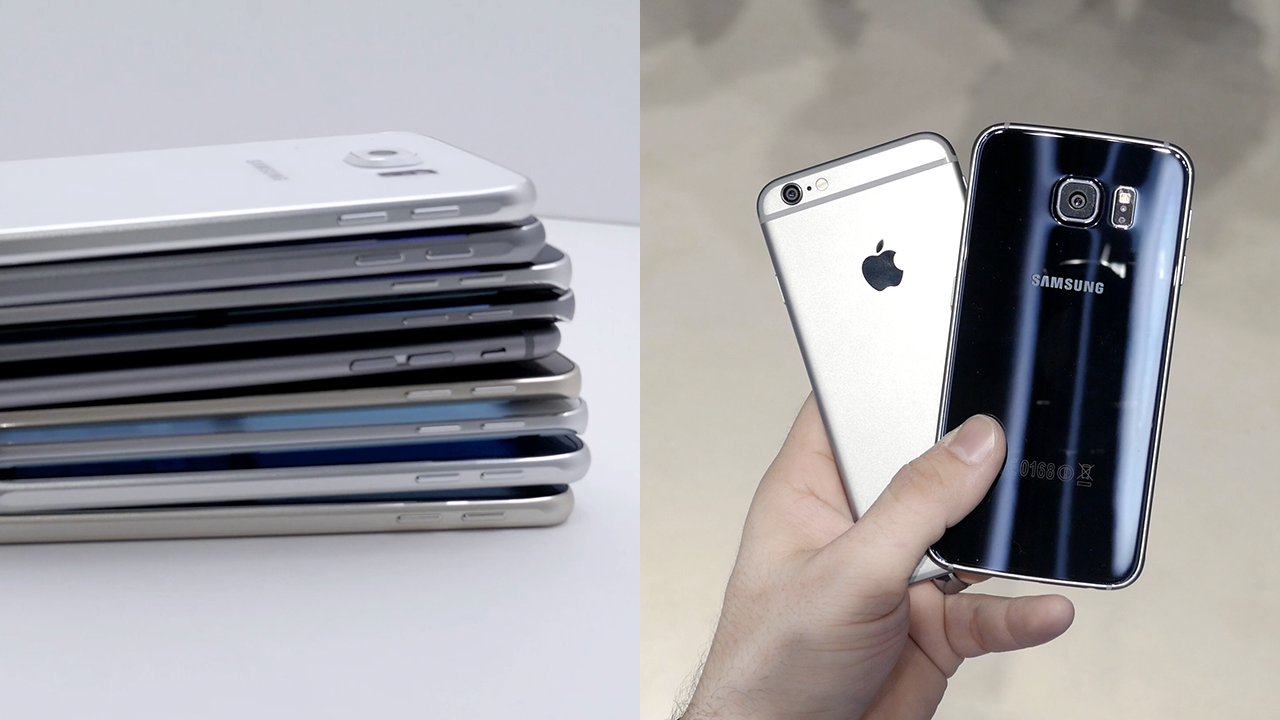
Believe it or not, there’s an iPhone 6 in that pile of smartphones shown in the image above and we’re going to compare it to Samsung’s newly announced Galaxy S6. Which one would you prefer? More importantly, what are the major differences between these two devices? Well, let’s go ahead and find out…
Today we’re going to be comparing Apple’s iPhone 6 Plus to Samsung’s Galaxy Note 4. I realized that there are a limited range of “comparisons” that can happen between these two devices, but we’re going to touch on some of the most important factors between the two such as design, software, features, and cameras.
I’m not going to make this a battle between iOS and Android as many people have their own preferences which lead them to one platform or another. Either way, these two devices are shaping up to be the most coveted large screen smartphones of 2014 and it makes sense to compare them and help you make an informed decision…
Samsung has reportedly decided to move up the launch of its new Galaxy Note 4 smartphone following a positive reaction and strong first week sales from Apple’s new larger iPhones 6 models. The KoreaTimes cited an unnamed employee in Samsung’s marketing department who said “the positive reaction from consumers to those two Apple devices prompted us to launch the Note 4 earlier than previously scheduled.” Expand Expanding Close
A judge this week issued a decision denying a sales ban, and Apple on Friday said it would appeal the decision.
In the trial, which wrapped up in May, jurors concluded that Samsung should pay $119.6 million in damages for violating three of Apple’s patents — far below the $2 billion that Apple had asked for. Samsung’s Galaxy S III, a flagship smartphone, accounted for the biggest portion, contributing $52 million worth of the damages.
As Samsung has done with past TV commercials for its flagship Galaxy S5, its latest ad for the device again takes the iPhone head-on. The new ad, titled “Wall Hugger”, focuses on mocking the iPhone’s battery life while showing off the S5’s Ultra Power Saving Mode and removable battery features. And in usual Samsung-fashion, it also borrows a line from comments Blackberry executive John Chen made back in March… Expand Expanding Close
Based on the most recent verdict in Apple v. Samsung, Apple is attempting to seek a permanent injunction against any Samsung device that infringes upon its patents.
While this includes the devices that were at the center of the latest court case, it also includes “software or code capable of implementing any Infringing Feature, and/or any feature not more than colorably different therefrom,” which could be construed to mean current and even future devices.
A Dutch appeals court today upheld a 2011 decision that banned the sale of Samsung’s Galaxy S II and Galaxy Ace phones, as noted by Re/code. The devices in question were found to have infringed on Apple’s design in an earlier ruling and blocked from sale.
Apple’s original intent was to get an injunction against all Galaxy devices, but the company was forced to settle instead for just the two devices listed above.
The fingerprint sensor is said to be embedded in the home button
If a report by SamMobile is correct, Samsung’s forthcoming Galaxy S5 won’t just have a similar name to the iPhone 5s, it will also have a fingerprint sensor embedded in the home button. The S5 is expected to be officially announced at Mobile World Congress in Barcelona on 24th February, replacing the Galaxy S4, though it may not go on sale until March or April.
It had earlier been rumored that the S5 would have iris recognition, but a KGI Research document pointed instead to a fingerprint sensor, which SamMobile claims to be able to confirm via sources inside Samsung.
We are finally confirming that Samsung’s upcoming flagship device, the Galaxy S5, will be equipped with a fingerprint sensor […]
Samsung hasn’t opted for on-screen buttons and is still using physical buttons, like it has been using in the past on all of its flagship devices. The sensor itself works in a swipe manner, which means that you would need to swipe the entire pad of your finger, from base to tip, across the home key to register your fingerprint properly …
From SamMobile‘s description, the fingerprint technology appears to be less sophisticated than Touch ID, requiring users to pull their finger across the button rather than the one-touch system offered by the iPhone 5s. The ‘swipe across’ type of fingerprint scanner dates back many years.
Apple boasted about maintaining its 10-hour iPad battery-life in the new iPad Air despite an overall thinner and faster design, but how does it compare to other tablets? Most reviews had good things to say about battery life (many even experiencing more than 10 hours), but it’s interesting to see how the device stacks up against the rest of the tablet market. While battery life largely depends on how you’re using your iPad, an extensive test from Which? shows that iPad Air comes out on top in just about any case and significantly beats out much of the competition. Expand Expanding Close
Game/App Deals: Scanner Pro: FREE (Reg. $7), Hotline Miami PS3/PS Vita: $2.50 (Reg. $10), Xbox One games $40, iOS Sonic & All-Stars Racing out now, iOS freebies, 3D Blu-rays, more
HP 27″ LED IPS Monitor w/DisplayPort, Dual-Link DVI & 4-Port USB Hub (refurb): $355 shipped
IDC is out today with its latest report tracking worldwide tablet shipments, reporting that total shipments have experienced a sequential decline during Q2 at the expense of Apple and the iPad. Apple already announced that it had sold 14.6 million iPads during the quarter, a significant drop from the 17 million it sold in the year ago quarter, but today IDC gives us some insight into where that puts Apple in its lead over Samsung as the top tablet vendor.
Apple was able to pick up 32.4% of the market during Q2, continuing its lead as the top tablet manufacturer, but dropping from the 60.3% of the market it had in Q2 last year. While Apple’s tablet shipments are clearly suffering from lack of new product announcements this year, it’s also losing share to Samsung and others. IDC reports 277% year over year growth for Samsung, giving it 18% of the market with 8.1 million units shipped during Q2. All of the top 3 vendors– Apple, Samsung, and ASUS– experienced a drop compared to Q1 2013, but the Android tablet makers have experienced significant growth compared to Apple since last year. Expand Expanding Close
Samsung infringes key text-selection patent:Reuters reports that the International Trade Commission has handed down a preliminary decision ruling Samsung infringed on an Apple patent related to a text-selection feature. However, the courts also ruled Samsung didn’t infringe another patent related to detecting when other devices are plugged into a microphone jack. If the text-selection decision is upheld, the result could be a U.S. import ban on Galaxy, Transform, and Nexus devices: Expand Expanding Close
Nowhereelse.fr posted another set of high-quality renders from designer Martin Hajek today that seem to be the illegitimate lovechild of a Samsung Galaxy device and the iPhone 5. In the images below, we get the designer’s take on a 4.8-inch “iPhone 6” with a super thin bezel and black and silver anodized backs. He’s also included a 4-inch version of the concept that clearly takes cues from Samsung’s Galaxy devices.
We brought you an update on the third day of the Apple vs. Samsung trial earlier today, with Happy Mac logo creator Susan Kare and former President of the Industrial Designers Society of America Peter Bressler set to take the stand as Apple presented evidence that Samsung copied its trademarked iOS icons. During his testimony today, Bressler claimed there are “a number of Samsung phones and two Samsung tablets that are substantially the same” as Apple devices, just as Samsung’s chief strategy officer, Justin Denison, testified its devices are “distinctly different.”
Bressler suggested that consumers could confuse one of Samsung’s devices with Apple’s…To back that point up, Bressler, the inventor or co-inventor on about 70 patents, went through how nearly a dozen Samsung devices were similar to Apple’s. That includes Samsung’s first– and second-generation Galaxy S devices, as well as the company’s Galaxy tablets.
Bressler also attempted to gut Samsung’s prior art defense, which cites a Japanese design patent issued to rival electronics firm Sharp in 2005. That device, which Samsung suggests looks like the iPhone, is unlike the ones depicted in Apple’s patents since it has a curved, non-flat front, Bressler argued.
While testifying earlier today that Samsung’s Galaxy devices look “distinctly different” at the request of carriers, Denison was questioned by Apple’s lawyers over an internal Samsung document referencing the iPhone’s user-experience as the new standard. According to CNET: Expand Expanding Close
Samsung just announced the production of its latest advancement in flash memory for mobile devices: the eMMC Pro Class 1500.
“Samsung Electronics announced that it has now begun volume production of an ultra-fast embedded memory for smartphones, tablets and other mobile devices in 16-, 32- and 64-gigabyte densities,” explained Samsung, as it noted the new chips feature read speeds of 140 MB/S and write speeds of 50 MB/S.
Those stats equal turbo web and video browsing, ameliorated multitasking, and a boost for processor-exhaustive gaming on smartphones and mobile devices. Users will love the performance enhancements, but manufacturers will enjoy the chip sizes. They go up to 1.2mm in thickness and just 0.6 grams in weight.
“The ultra high-speed storage device uses Samsung’s 64-Gb NAND with a toggle DDR 2.0 interface based on the company’s latest 20 nanometer class process technology. The new eMMC’s fully managed NAND memory comes with its own high performance controller and intelligent flash management firmware,” Samsung added.
The South Korea-based Company’s newest embedded multimedia cards are surely destined for more devices than the next-generation Galaxy.
According to a report from research firm Strategy Analytics, covering its Global Handset Shipments Forecast for Q2 2012, the company provided insight about the number of iPhones Apple has sold since the device’s launch five years ago on June 29, 2007. The report estimated that Apple sold 250 million iPhones, which accounts for $150 billion in revenue:
“The iPhone portfolio has become a huge generator of cash and profit for Apple. A quarter of a billion iPhones have been shipped cumulatively worldwide in the first five years since launch and Apple reaches its fifth birthday at the top of its game. However, there are emerging signs that the iPhone’s next five years could get tougher. Some mobile operators are becoming concerned about the high level of subsidies they spend on the iPhone, while Samsung is expanding its popular Galaxy portfolio and providing Apple with more credible competition.”
At its Q2 earnings report, Apple announced it sold 35.1 million iPhones during the last quarter, with 365 million iOS device sales to date.
The South Korea-based Company is making it easier than ever to jump ship from iOS to its Galaxy line with the Easy Phone Sync app. The software is free to anyone purchasing a Samsung Galaxy device, and it quickly installs on any Galaxy product, PC, or Mac.
In the most straightforward manner, it transfers media, contacts, content—and all that other stuff packed into handhelds—from iTunes to an Android-powered tablet or phone by Samsung. Users can also manage their content through iTunes to maintain preferences during the sync process.
For more information on Samsung’s plan to pilfer iPhone users from Apple, check out its newest marketing strategy that 9to5Google detailed earlier this week.
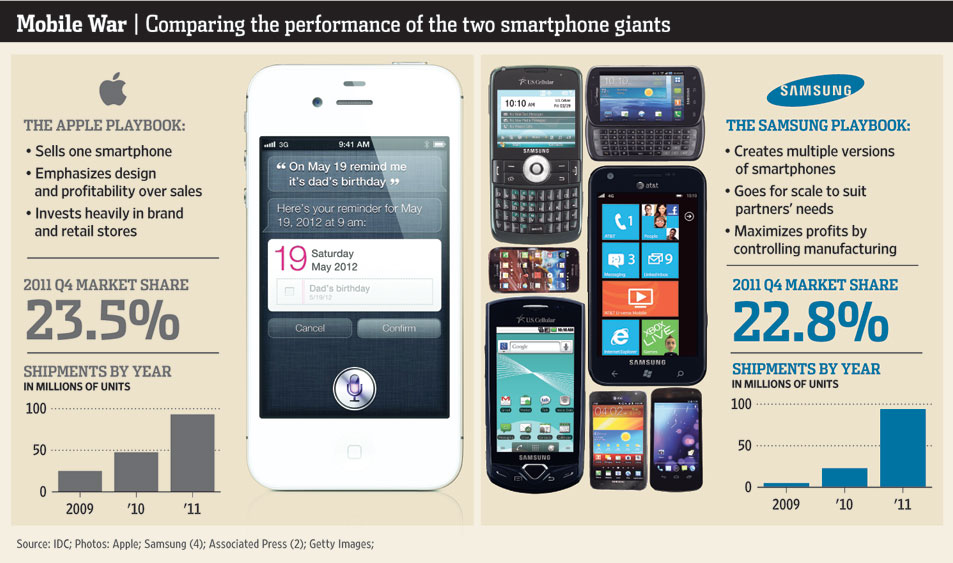
Apple, the world’s most valuable company, sells just one phone, the iPhone. The Cupertino, Calif., company emphasizes design and profitability over sales. It also invests heavily in its consumer brand and its tightly controlled retail stores, and it benefits from a strong ecosystem of software and apps.
Meanwhile, Samsung, the world’s largest tech company by revenue last year, goes for scale. The South Korean company is a fast-follower that places its bets broadly, creating multiple versions of myriad products such as its Galaxy smartphones to suit partners’ needs. It maximizes profits by controlling its own manufacturing
According to research firm Strategy Analytics (via Bloomberg), Google’s Android-based tablets gained market share in the iPad dominated tablet market during the third quarter, specifically led by new models from Samsung (presumably referring to the same Galaxy Tab family that is currently the focus of patent related litigation between Apple and Samsung).
The report claims Android was up from just 2.3 percent from the same three month period last year, to a 27 percent share of worldwide sales during the third quarter in 2011. The iPad’s market share during the same period reportedly fell from 96 percent to 67 percent. The research firm notes that Samsung’s Galaxy tablets currently account for 9 percent of the total tablet market.
There is also reason to believe Android’s growth on tablets will continue to grow into 2012, as the introduction of Android 4.0 Ice Cream Sandwich (the first Android OS specifically designed for both phones and tablets) could help tablet adoption among Android smartphone users. Strategy Analytics believes that Amazon’s Kindle Fire will also drive Android tablet sales, estimating the company will sell more than 15 million units by 2013.
In contrast to this obvious good news for the Android tablet market, which the WSJ’s Walt Mossberg recently described as having “flopped” in an interview with Google mobile chief Andy Rubin, there are conflicting stats for Android tabs in the enterprise. Rubin’s answer? “There’s a little over 6 million Android tablets that we know about”, a figure which of course includes pre-Honeycomb devices but not the Nook and those that don’t use Google services. The recently released Good Technology Device Activations Report for Q3 2011 shows that when it comes to tablets in business, enterprise users are clearly choosing iPad over the alternatives, noting “iOS tablets represent over 96 percent of total tablet activations”. Their graphic (above) also speaks volumes. Expand Expanding Close