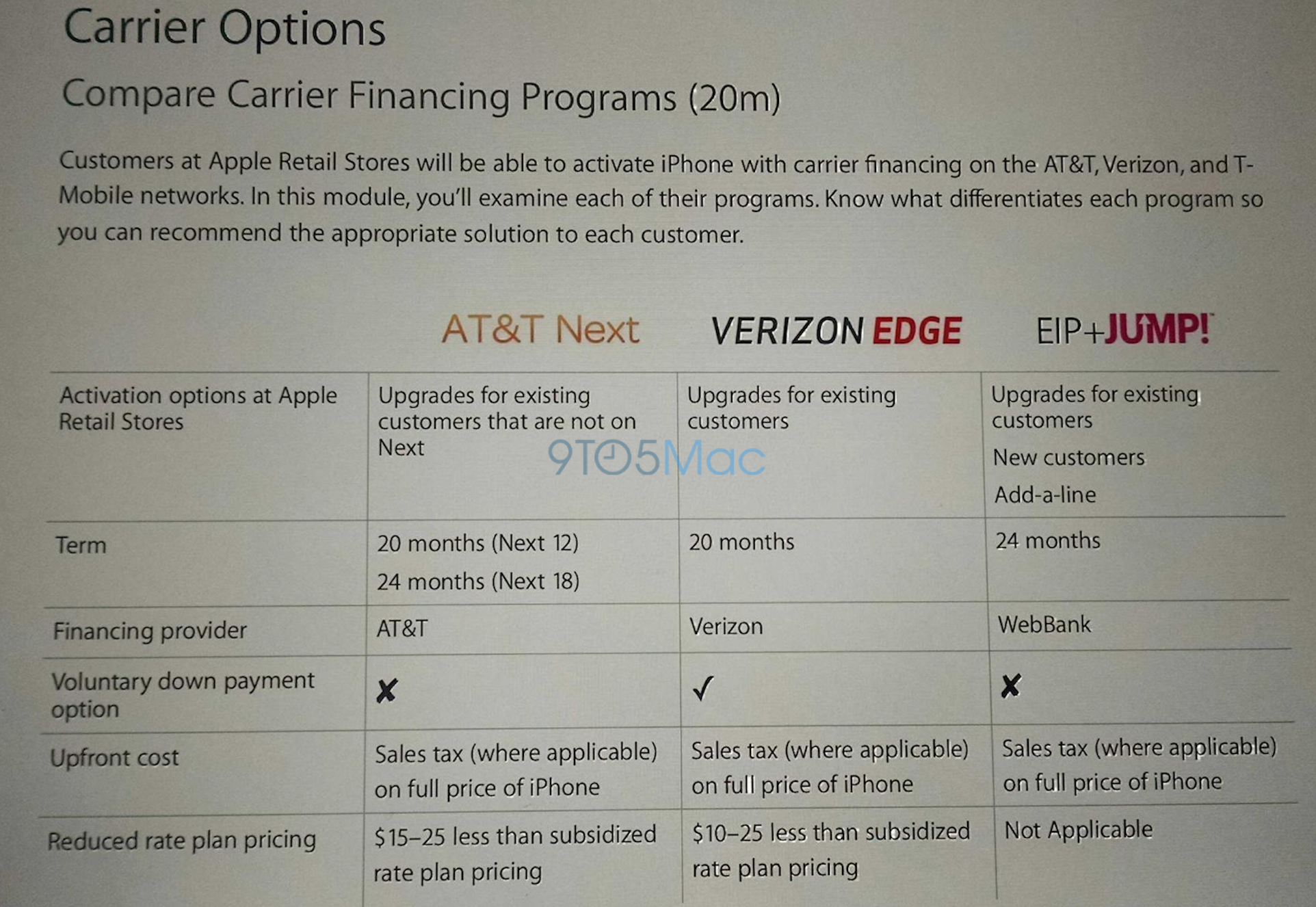
Earlier this month we heard reports that Sprint was readying its own upgrade program to combat recent initiatives introduced through the other major carriers including AT&T’s Next, T-Mobile’s Jump, and Verizon’s Edge program. Today Sprint has officially announced the “Sprint One Up” plan and explained exactly how it works:
Sprint One Up, a new upgrade program that gives customers unlimited talk, text and high speed data while on the Sprint Network plus the ability to upgrade their smartphone every 12 months starting at just $65 a month – a $15 per month savings off their Unlimited, My Way standard rate plan and Sprint’s guarantee of unlimited talk, text and data for the life of the line of service. Sprint One Up is also available for smartphones on the My All-in plan as well as on tablets in combination with tablet plans starting at just $5 a month.
Sprint notes that the upgrade every 12 months will require a new 24 month instalment plan with no down payment, while cancelling your service will cost you the remaining balance on the device.
The new Sprint One Up plan becomes available starting today, lining up with retail iPhone launches around the world.
Sprint One Up Along With Sprint Unlimited Guarantee for Life Available to New and Existing Customers on Sept. 20
OVERLAND PARK, Kan. (BUSINESS WIRE), September 20, 2013 – In continuing its commitment to offering customers the best value in wireless, Sprint (NYSE: S) announced today Sprint One UpSM, a new upgrade program that gives customers unlimited talk, text and high speed data while on the Sprint Network plus the ability to upgrade their smartphone every 12 months starting at just $65 a month1. The new program is available Sept. 20 to new and existing customers on Unlimited, My WaySM and My All-inSM plans.
Sprint One Up offers customers an affordable option to upgrade their device more frequently. With Sprint One Up, participating smartphone customers get unlimited talk, text and data for an introductory rate of $65 per month – a $15 per month savings off their Unlimited, My Way standard rate plan and Sprint’s guarantee of unlimited talk, text and data for the life of the line of service2. Sprint One Up is also available for smartphones on the My All-in plan as well as on tablets in combination with tablet plans starting at just $5 a month.
To participate, customers simply purchase an eligible smartphone or tablet and agree to 24 monthly installment payments for the device. For a limited time, customers can enjoy no down payment for the device. After 12 consecutive payments, customers can give back their current device and upgrade to a new smartphone or tablet.
“Sprint One Up is the best value in wireless,” said Sprint CEO Dan Hesse. “The new program gives Sprint customers the ability to upgrade every 12 months and unlimited talk, text and high speed data for just $65. And, unlike other carriers, Sprint guarantees the unlimited talk, text and data for life. No other plan can compare.”
Sprint One Up for Existing Sprint Customers
Existing customers meeting upgrade eligibility requirements also can participate in Sprint One Up. In celebration of this significant launch, Sprint is rewarding current customers with the opportunity to join Sprint One Up through the holidays. Sprint customers who are not yet upgrade eligible, but have had their current phone for 12 months, can give back their current eligible phone and sign up for Sprint One Up, provided they meet the credit qualifications3.
Best Value in Wireless
Sprint continues its commitment to offer the best value in wireless with Sprint One Up and Unlimited, My Way and My All-in plans. Sprint One Up features:
- Unlimited talk, text and high speed data on smartphones guaranteed for the life of the line of service starting at $65 a month (excludes surcharges and taxes)
- Annual upgrades on smartphones and tablets
- 0% APR monthly installment payments for the device
Single Line Smartphone Comparisons
Sprint customers also will see significant monthly savings — up to $45 a month – compared to similar plans from AT&T and Verizon4.
4G LTE
Sprint continues to bring a better wireless experience to more customers across the country as it builds out its all-new 3G and 4G LTE network and is projected to provide LTE to 200 million people by the end of 2013. For the most up-to-date details on Sprint 4G LTE, visitwww.sprint.com/network. Customers can also check www.sprint.com/coverage for updated coverage maps.
Availability
Sprint One Up is available in Sprint company-owned stores to new and eligible existing customers on Sept. 20 (program currently not available in Florida and Washington, D.C.). Visitwww.sprint.com/oneup for more information.