Antitrust

See All Stories

There are growing concerns that Apple could be facing an anti-trust investigation by the US Department of Justice.
Apple faces antitrust worries

What does antitrust mean?

In most jurisdictions around the world, it is illegal for large companies to band together to form agreements or “trusts” to behave in a particular way – for example, to all sell their products for the same high price. Laws designed to outlaw this type of behavior are called antitrust legislation.

However, the term is used more generally to refer to laws designed to prevent companies from engaging in any kind of anti-competitive action – that is, do anything that would tend to artificially distort competition within a market.

One common myth is that antitrust laws only apply to monopolies. This is very much not the case: They apply to any company large enough to have a dominant position in any market. As we shall see below, the definition of the word “market” can be crucial to deciding whether antitrust concerns arise.

Why is Apple facing antitrust investigations?

First, Apple is a very large company, and it would be very easy for a company of that size to commit antitrust violations, so it is to be expected that any massive corporation would be put under the antitrust microscope.

But in Apple’s case, there are some more specific concerns based on the company”s market dominance in particular areas. These are addressed below.

What are the antitrust concerns with Apple?

There are a number of different ones, in areas as diverse as ad tracking and Sign In With Apple, but here are three of the main ones.

The App Store

The biggest antitrust concern is the App Store.

Apple argues that it does not have a dominant position in this market, as it considers the relevant market to be either “smartphones” or “apps.” Since the company holds a minority share of the smartphone market in most of the countries in which it operates, it believes it cannot be considered to have a dominant position.

Competition regulators tend to take the view that the relevant market is “iOS apps,” and here Apple has a 100% monopoly on their sale and distribution. Edge cases aside, there is no way for a developer to bring an iOS app to market without selling it through the App Store.

Companies like Epic Games argue that they should be allowed to sell in-app purchases without Apple taking a cut of their revenue. The argument here is that Apple harms developers by taking part of their income, and consumers by forcing developers to charge more to make up for Apple’s cut. Apple, in response, says that it is perfectly normal for a company to take a cut of the sales it facilitates.

Default apps

Additionally, some companies accuse Apple of anti-competitive behavior by giving its own apps advantages over third-party ones.

One way that Apple does this, they say, is by pre-installing its own apps. For example, when the Apple Weather app is already installed on an iPhone when you buy it, then Apple’s own app has an obvious advantage over a competing app.

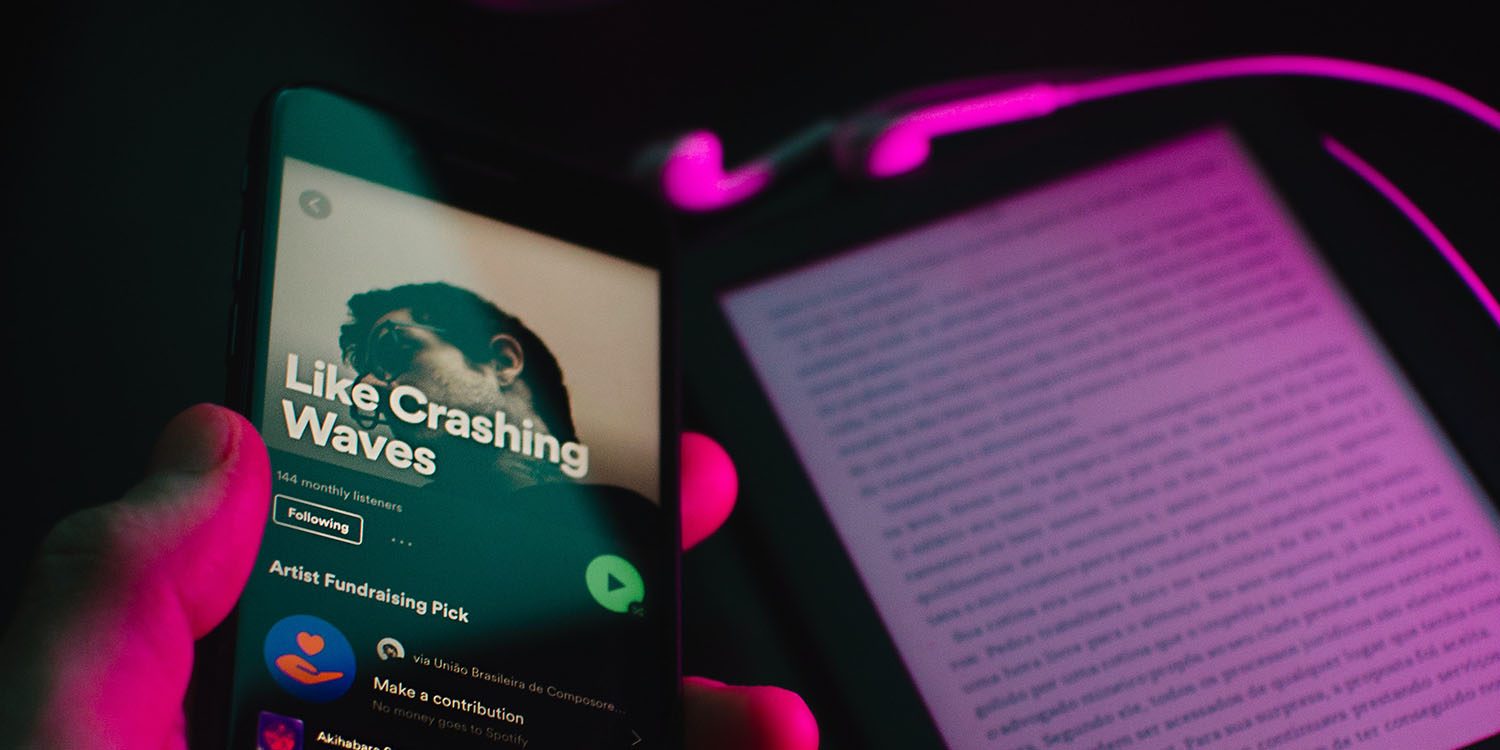
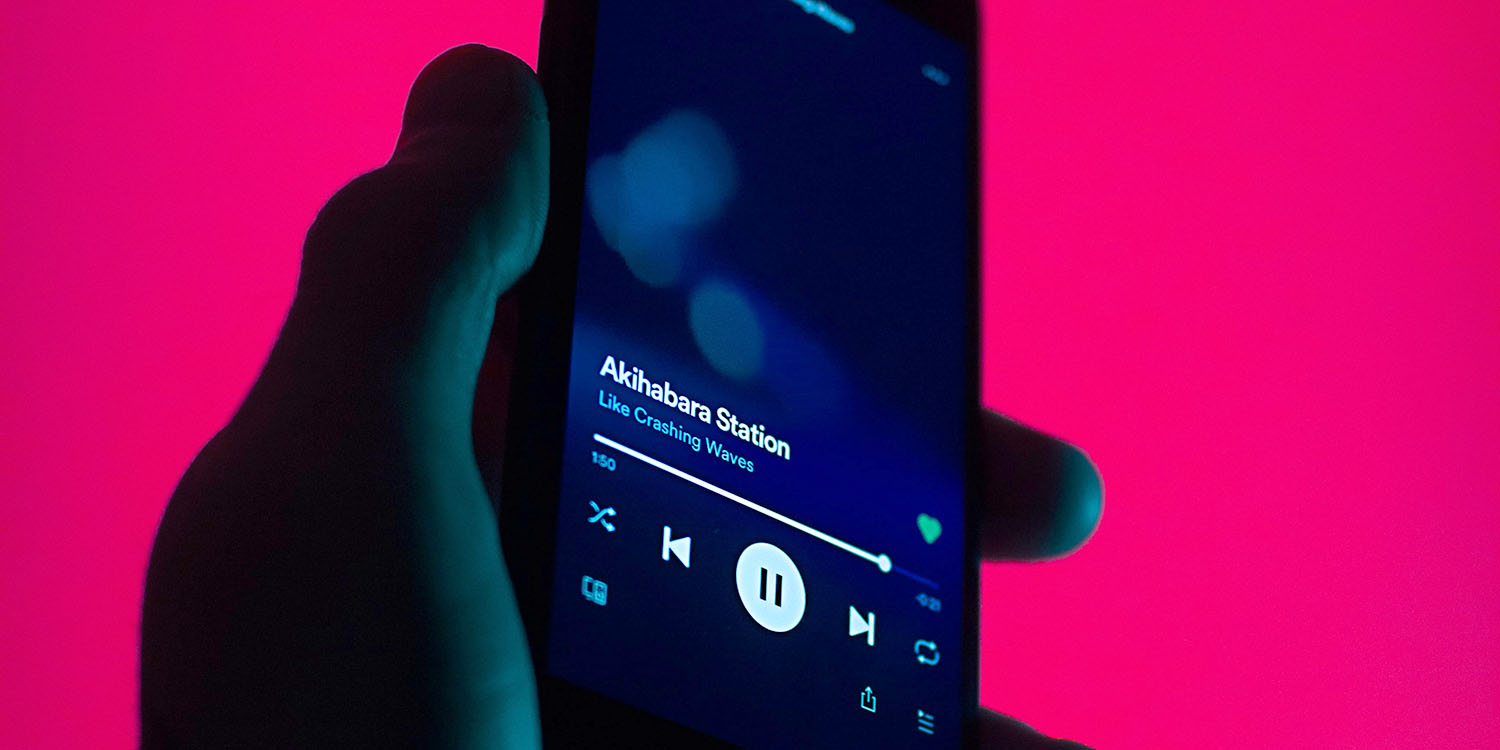
There is overlap here with the App Store concerns. For example, Apple Music and Spotify are competitors, but not only is Apple Music preinstalled, you can subscribe from within the app. If Spotify offered this same ability, it would have to pay Apple a 30% cut. Spotify can’t afford this, so users are forced to take a more long-winded route to subscription, which gives Apple Music an additional competitive advantage.

Relationships with carriers and retailers

Apple has also been found guilty in more than one country of exploiting a dominant position within the smartphone market to place undue demands on carriers and retailers.

Because the popularity of iPhones meant carriers had to sell them, Apple was able to dictate terms. In South Korea, for example, it was accused of imposing three onerous conditions on local carriers:

  • Carriers had to buy minimum quantities of each model, dictated by Apple
  • Carriers had to share the cost of warranty repairs or replacements
  • Carriers had to pay to run Apple’s own TV ads for the iPhone

Budget-focused carriers might, for example, want to buy only older and cheaper models, as that’s what their customers want, but Apple would force them to buy flagship models, too. And if a phone proved faulty, Apple wouldn’t just replace it, but would oblige carriers to meet some of the costs. Finally, although carriers had to pay the full cost of running iPhone ads on TV, they were only allowed to use Apple’s own ads, and the only thing they were permitted to change was adding their own logo to the final frame.

Additional areas of concern range from Apple Pay to a 4K video codec alliance!

What could happen to Apple as a result?

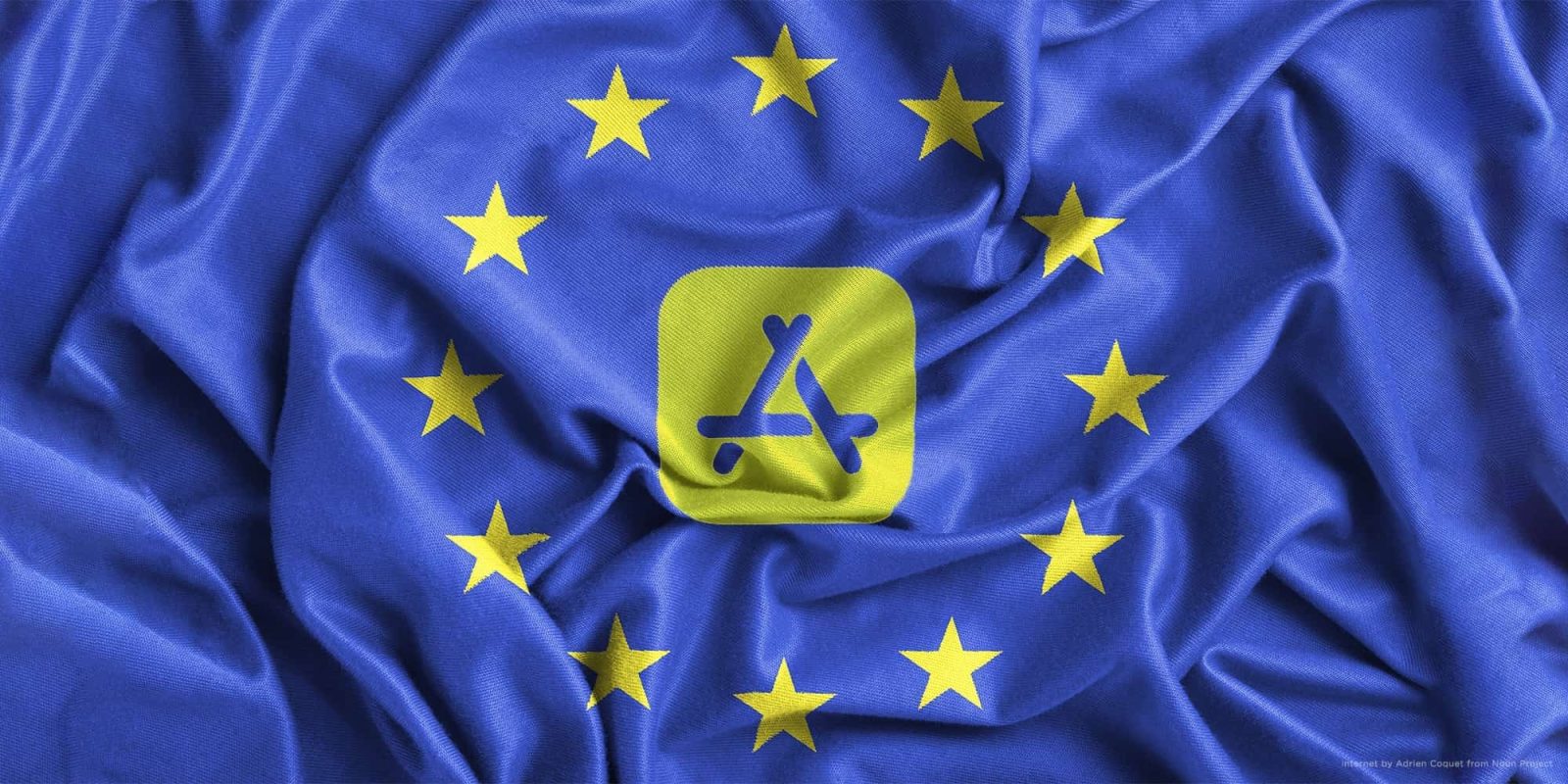
Antitrust outcomes will usually happen on a country-by-country basis, though there are exceptions. In Europe, for example, it is likely that the European Union will act as a bloc, and that any legislation applying to Apple will apply across all 27 member countries.

The worst-case scenario for Apple is for the US government to call for the breakup of the company. For example, it might be ruled that Apple Inc cannot run an App Store while also selling the iPhones on which those apps run. This is not a likely outcome, however.

A more likely scenario is a series of smaller changes. For example, Apple might be required to appoint an independent oversight board to carry out app reviews, or that it must allow Spotify to offer in-app subscriptions without taking a cut.

How is Apple responding?

In public, Apple’s stance is an outraged one, arguing that it does not have a dominant position and is doing nothing wrong. Behind closed doors, the company is aware that it either has to change some of its practices, or be forced to do so by law.

For example, while publicly declaring that a 30% commission on apps was industry standard, Apple made a massive U-turn by introducing the Small Business Program, with a 15% commission instead. Although touted as applying to the smallest developers, it in fact applies to 98% of them. It would be more accurate to say that the App Store now has a standard commission rate of 15%, with a higher 30% rate applying only to a tiny minority of companies.

The company has also quietly made a number of other changes in direct response to antitrust concerns, for example, opening up the Find My app to third-party accessories, and allowing people to change their default email app and web browser.

However, Apple is still sticking its head in the sand and hoping the issue will go away – when it absolutely won’t.

UK antitrust case against Apple fails again; one more appeal possible

Antitrust case against Apple | 'No' slide from Apple keynote

A UK antitrust case against Apple has once again been thrown out, after an appeal tribunal ruled that the original decision was correct – that the UK’s competition watchdog had missed a legal deadline.

The ruling stands despite the fact that two Apple App Store policies were found to be anticompetitive, and even though the tribunal appeared to agree that its own decision was likely to have “undesirable or unfortunate results” …

Expand Expanding Close

Apple’s fight against iPhone sideloading was pointless at best, harmful at worst

iPhone sideloading | iPhone and Mac

Apple put up a lengthy fight against being forced to allow iPhone sideloading – the ability for owners to install apps directly from a developer’s website, in the same way we can a Mac app.

The company even went as far as arguing that Macs weren’t safe from malware because users can download apps directly. But ultimately the battle was pointless, and may even have been harmful …

Expand Expanding Close

Apple app tracking policies face antitrust action in France, as well as Germany

Apple app tracking | Apple rainbow image

Advertisers and ad-funded platforms like Facebook have been vocal in their objections to Apple’s app tracking policies, and the Cupertino company now faces antitrust investigations into the issue in two European countries.

A new report says that the French Competition Authority has found evidence of anticompetitive behavior by Apple in regard to app tracking, closely following a similar finding in Germany

Expand Expanding Close

German antitrust regulator declares Apple a target for stricter controls

German antitrust regulator declares Apple a target | Archery target

Not long after Apple successfully blocked a UK antitrust action against the company, a German antitrust regulator has declared that the iPhone maker is a legitimate target for special measures designed to prevent abuse of market dominance.

The regulator found that Apple was a company “of paramount significance for competition across markets,” which means that it can be subjected to stricter controls on anticompetitive behavior …

Expand Expanding Close

Apple wins UK appeal to dismiss Safari antitrust probe because of a government mess up

Safari WebKit web apps browser engine

Going back to 2020, UK regulators started looking into possible antitrust issues regarding Apple’s Safari browser on iPhone and iPad as well as its restriction of mobile gaming on its browser. Now Apple has won an appeal that revokes the UK’s ability to continue its probe into the matter due to a government goof.

Expand Expanding Close

Apple/Spotify battle could be resolved in Europe with Epic-style compromise [U]

Apple Spotify battle | Spotify app on iPhone

Update: Apple comment added at end

Some four years after the Apple/Spotify battle began back in 2019, we may have the first indication of how the European Union will resolve the antitrust dispute.

Reading between the lines of a brief report today, it appears that the European Commission may be heading toward a compromise ruling, which would mirror that made in the Apple vs. Epic Games case in the US …

Expand Expanding Close

Apple and Google duopoly dominates mobile app market, says Japanese antitrust regulator

Site default logo image

The Japanese antitrust regulator has completed its study of the mobile app market, and concluded that it is dominated by an Apple and Google duopoly.

It says that while it hopes the two companies will make changes voluntarily, and that existing antitrust regulation can be used to apply pressure, new legislation would be the most reliable way of ensuring fairness …

Expand Expanding Close

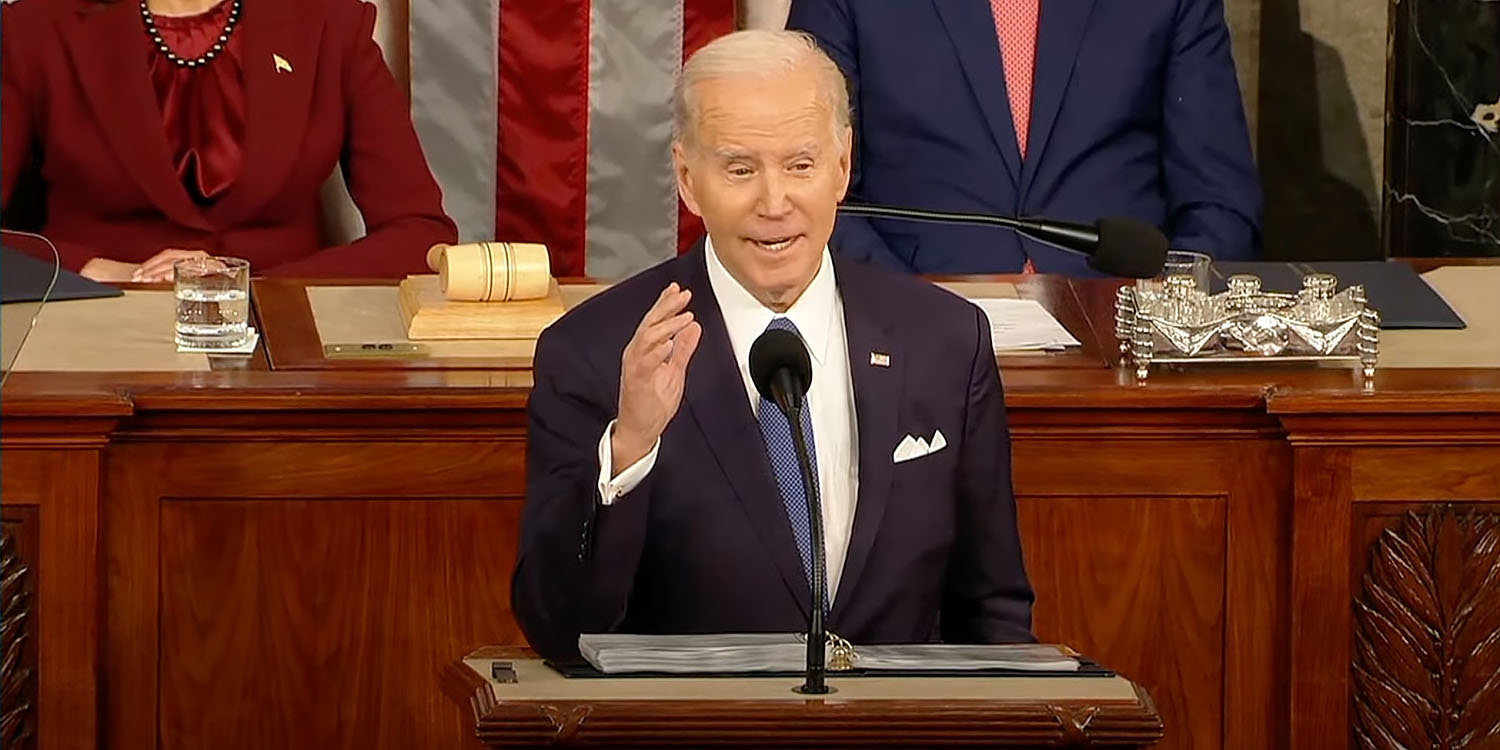
State of the Union address calls for Congress to pass antitrust and data privacy legislation

State of the Union address

President Biden’s second State of the Union address called on Congress to pass bipartisan legislation on both antitrust and data privacy issues.

His comments on the antitrust issue specifically referenced the need to prevent tech companies favoring their own products, an accusation frequently levelled at Apple

Expand Expanding Close

App Store antitrust pressure builds as White House report says Apple inflates app prices

App Store antitrust pressure

A new report commissioned by the White House has further added to the App Store antitrust pressure, concluding that the control exerted by both Apple and Google results in inflated prices for apps, as well as potentially diminishing innovation.

It effectively backs the changes introduced in proposed antitrust legislation that saw bipartisan support in Congress, but not enough to make it into law

Expand Expanding Close

Apple antitrust appeal comes down to the legal meaning of the word ‘shall’

Apple antitrust appeal | People debating

An Apple antitrust appeal filed in the UK is likely to be decided on how a court interprets the meaning of a single word. Even more crazily, this is the second time that a single word has had a major impact on potential action against the Cupertino company on the very same issues.

The first time came down to the legal difference between an antitrust “study” and an “investigation,” and this time it all hinges on the legal meaning of the word “shall” …

Expand Expanding Close

Spotify vs. Apple battle heats up, with call for ‘swift and decisive’ regulatory action

Spotify vs Apple battle | Spotify app

Heat was added to the Spotify vs. Apple battle today, when seven other companies and organizations co-signed a letter calling for “swift and decisive” regulatory action to be taken against the Cupertino company.

Spotify told the European Commission that it has been almost four years since the company filed an antitrust complaint against Apple, and accused the commission’s executive VP and former competition regulator of “failing to act decisively” …

Expand Expanding Close

Alternative app stores will be a win, even if you don’t plan to use them [Comment]

Alternative app stores

One of the many antitrust investigations into Apple seems set to mandate alternative app stores, and it was yesterday reported that the Cupertino company is making plans to bow to the inevitable.

While there will be the usual chorus about politicians interfering in the way that companies operate, this change will be a win for all Apple users, even if we have no plans to go anywhere near a third-party app store …

Expand Expanding Close

Apple cloud gaming and mobile browser antitrust investigation underway in the UK (again)

Apple cloud gaming | iPhone game

Apple cloud gaming and mobile browser policies are again under investigation in the UK, following a public consultation on the topics.

The Competition and Markets Authority (CMA) had already investigated both issues, and found Apple and Google guilty of anticompetitive behavior, but says that the public wants a “fuller” investigation …

Expand Expanding Close

Apple walled garden at heart of appeals hearing in Epic Games antitrust case

Site default logo image

Last year’s Epic Games versus Apple ruling left both sides unhappy with the result, each filing its own appeal. An appeals hearing took place on Monday, and the intention and effect of the Apple ecosystem – aka the “Apple walled garden” – was the core issue debated.

Apple made the case that the ecosystem is designed to keep iPhone users safe from malware and scams, while Epic argued that the iPhone maker is simply afraid of competition …

Expand Expanding Close

Korean antitrust authority raids Apple offices to investigate 33% App Store cut

Site default logo image

The Korean antitrust authority has carried out a dawn raid on Apple offices in the city of Gangnam-gu. The raid was part of an investigation into claims that Apple effectively charges some developers even more than the 30% cut, which has itself come under fire.

The same issue also sees small developers subjected to an effective commission of 16.5%, instead of Apple’s claimed 15% small business rate …

Expand Expanding Close