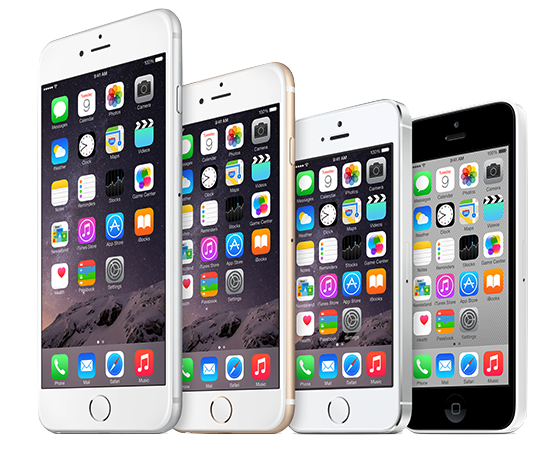
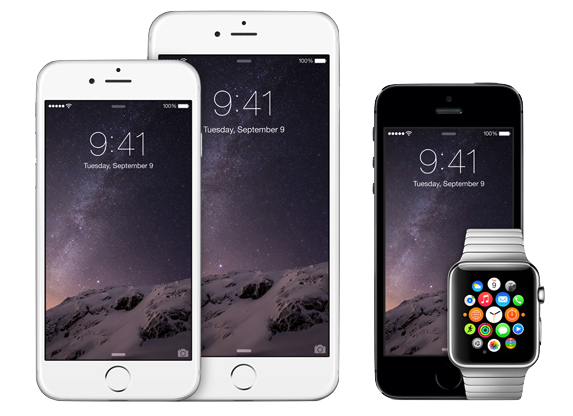
iOS devices refer to any of Apple’s hardware that runs the iOS mobile operating system which include iPhones, iPads, and iPods. Historically, Apple releases a new iOS version once a year, the current version is iOS 10. Here is the complete list of iOS 10 compatible devices.
In a ‘ground-breaking’ deal, not only does Verizon renew its agreement with Viacom to show their TV content (including Comedy Central, MTV and Nickelodeon) nationally, these channels will also be offered in FiOS’s mobile app for iOS. Early next year, you will be able to watch all of these channels from your iOS device from anywhere — you aren’t restricted to being on the same network as your cable box.
Under the current agreement, you can watch Viacom channels within the house with a Verizon subscription. Shortly, you will be able to go anywhere with your iOS devices and watch the same content, live or on-demand. Look for the shows on your iOS devices in early 2015!
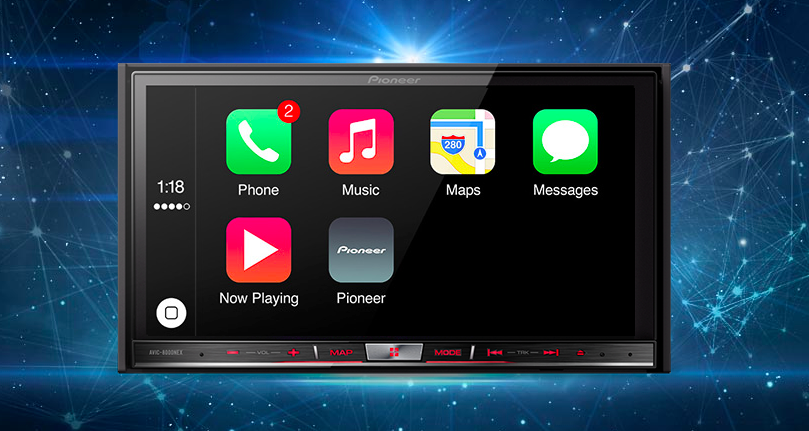
Existing Pioneer device owners may not need to purchase any extras, as the CarPlay update is free for supported devices. Aforementioned units include the AVIC-8000NEX, AVIC-7000NEX, AVIC-6000NEX, AVIC-5000NEX and the AVH-4000NEX with prices ranging from $700 to $1400.
Apple has unveiled a new tool for users to help determine whether an iPhone, iPad, or iPod touch is configured to use Activation Lock. The page works much like the tools used by carriers such as AT&T to determine whether a potential trade-in device was protected with the feature. You enter the IMEI or serial number of the device, fill in a CAPTCHA, and press “Continue” to get your results (via iDownloadblog).
If the device is protected, you’ll find instructions for disabling the security measure before selling it. You’ll also find help for removing a used device from another user’s account, in the event that you were sold a phone and the original owner had not disabled it (of course, all of those options involve contacting the previous owner and having them do it, for security purposes).
The iPhone 5c is often criticised in light of its beefy powerful cousins, acting as a bit of a laughing stock for the technology industry. However, it is often reported as one of the top phones by sales volume in many countries (usually beating out Samsung’s offerings).
In fact, for August the iPhone 5c was the best selling smartphone in the UK, even outselling the iPhone 5s, according to Kantar World Panel.
The iPhone 5c was the best selling phone in Britain in August with 8.9% share, outselling the flagship iPhone 5s with 7.6% and the Samsung Galaxy S5 with 6.0%.
Normally, Apple phone sales drop in the runup to the next-generation devices, as customers hold off on iPhone purchases until the new versions are announced. However, Kantar says that the success of the iPhone 5c meant that Apple’s decline was much lower than in previous years.
In line with previous claims, Bloomberg is now reporting that Apple is planning to introduce a gold model to its iPad lineup with the release of the next-generation iPad Air. Interestingly, the report is specific to note that the full-size model will get the color while the mini line goes without mention.
Per the report:
New versions of the company’s 9.7-inch iPads, anticipated to be unveiled this month, will include gold as a choice of color for the rear metal cover, adding to the silver and gray available for the lighter iPad Air, the people said, asking not to be identified ahead of an announcement. That brings the color palette into line with the iPhone 5s, which come with silver or gold backs for models with a white faceplate, and space gray for those with a black front.
Apple has announced it is holding its earnings call for company results in fiscal Q4 (covering July, August and September) on October 20th. Following tradition, Apple will announce earnings in a press release about half an hour before the earnings call at 2PM PST. Apple’s earnings for fiscal Q4 will include the first wave of iPhone 6 and iPhone 6 Plus sales, as it went on sale towards the end of the period. However, Apple is unlikely to breakdown the split between new and old iPhone sales, as it only reports total sales numbers for Mac, iPhone and iPad.
As part of an extensive hands-on by Ariel Adams, the piece shines some light on how the Apple Watch is controlled and managed. At the media event, Apple showed a wide variety of watch apps … but did not mention how they get onto the watch itself.
Adams’ post says that users download Apple Watch apps through a central hub app on the iPhone. Rather than having an App Store UI on a tiny watch screen, users install content on the device from their phone. This is similar to how iPods are managed via the iTunes app on a Mac or PC.
Apple Watch users will install an Apple Watch app on their iPhone, which will be used to download apps onto the watch as well as likely manage Apple Watch settings. A user’s iPhone is also used to help with computational demands. Apple cleverly pushes a lot of processor needs to the phone in order to preserve Apple Watch battery life.
Apparently, the phone will also dedicate some of its processing power to handle complicated or computationally-intensive tasks. This means that the Apple Watch battery can be drained as little as possible. For instance, the iPhone may do the deep analysis of incoming health data sending only the results to the Watch, for display. Apple has vaguely suggested that the Apple Watch will have about one day of battery life.
Computer Bild, Europe’s best-selling computer magazine, has had its PR accreditation pulled after posting a video of one of its journalists bending an iPhone 6 Plus.
The german PR department of the company reacts in a disturbing way: Instead of answering the questions about why the iPhone 6 Plus is so sensitive, a manager called Computer Bild and told us, that Computer Bild will not get any testing devices and no invites to official events any more …
Update: We have received this unconfirmed message from a reader who attended the event, seemingly indicating a January launch for the Apple Watch — the earliest of Apple’s quoted ‘early 2015’ timeline.
At Colette, when we entered inside there was a guy from Apple who took our name, email and said to choose an apple watch model we’re interested in. After that he said that we’re gonna receive an email from them 2 weeks before the launch. Later he said that we’ll be receiving it in late December. So… the Watch in early January
The mysterious invitation was indeed for the Apple Watch. Apple has already confirmed it will not be revealing any more information (via Engadget) about the product at this demo area, such as pricing or availability. The device is also — unsurprisingly — locked behind glass running the same UI video loop that was shown at Apple’s media event on September 9th.
For the public, the Apple Watch demo units are all shielded by their glass cases. Select members of press attending the ‘show’ can try on the Watch, albeit the screen is still just playing a mocked-up video of the user interface. Apple execs and celebrities are in attendance, such as Jony Ive and Marc Newson and members of the fashion industry like Sarah Andelman, Colette’s CEO and Vogue’s editor Anna Wintour.
A 9to5Mac reader caught a brief video of one of the display units, showing the Apple Watch Home Screen, embedded below.
Earlier this month it was discovered that the iPhone 6 and 6 Plus would be delayed in China due to regulatory hold ups when Chinese authorities decided that they were not pleased with the current state of security on iOS. According to Bloomberg, Apple has cleared the last hurdle and received the licenses necessary to run the device on Chinese cellular networks.
Apple reportedly agreed to make undisclosed changes to the privacy settings on the device to appease the regulators. Yesterday we reported that Apple was apparently preparing for a Chinese launch on October 10th, but that date has not yet been confirmed. Update: Apple has announced through a press release that the phones will be available for sale in China on October 17th with pre-orders starting on the 10th.
Apple also released a beta version of iOS 8.1 today, which may or may not include the updated privacy settings necessary to get approval from the Chinese government.
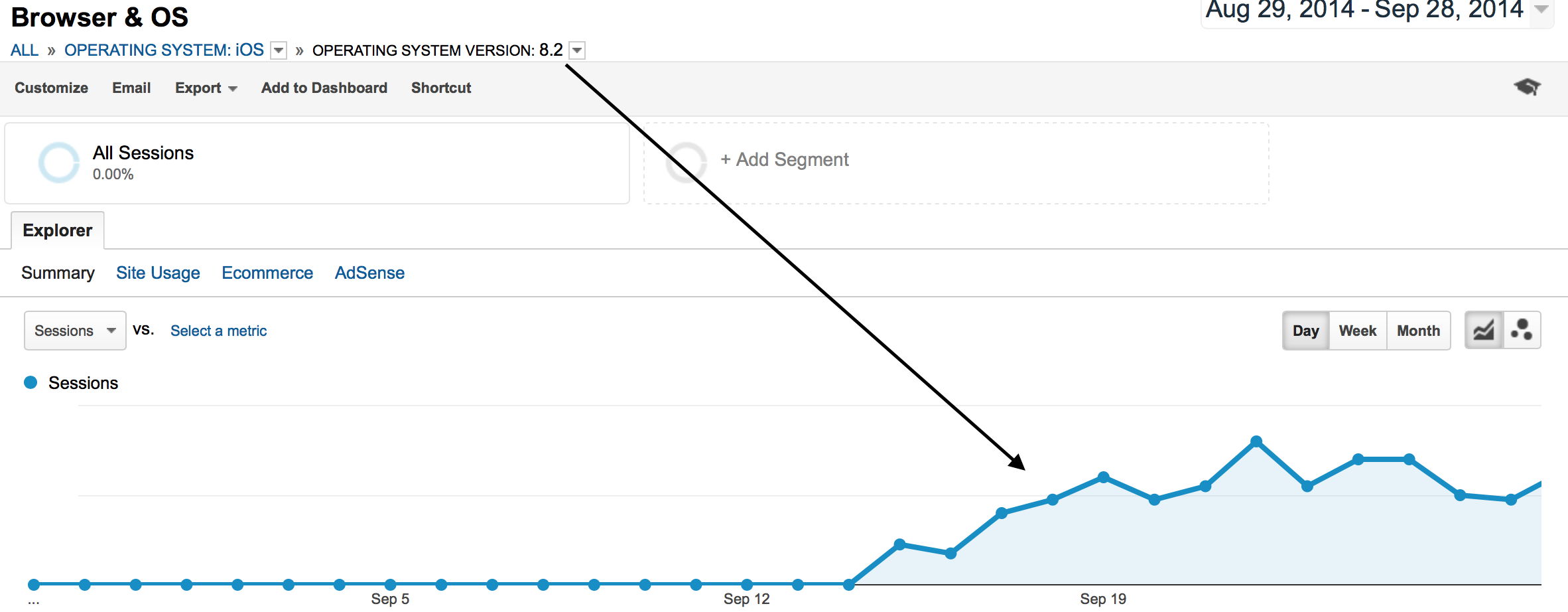
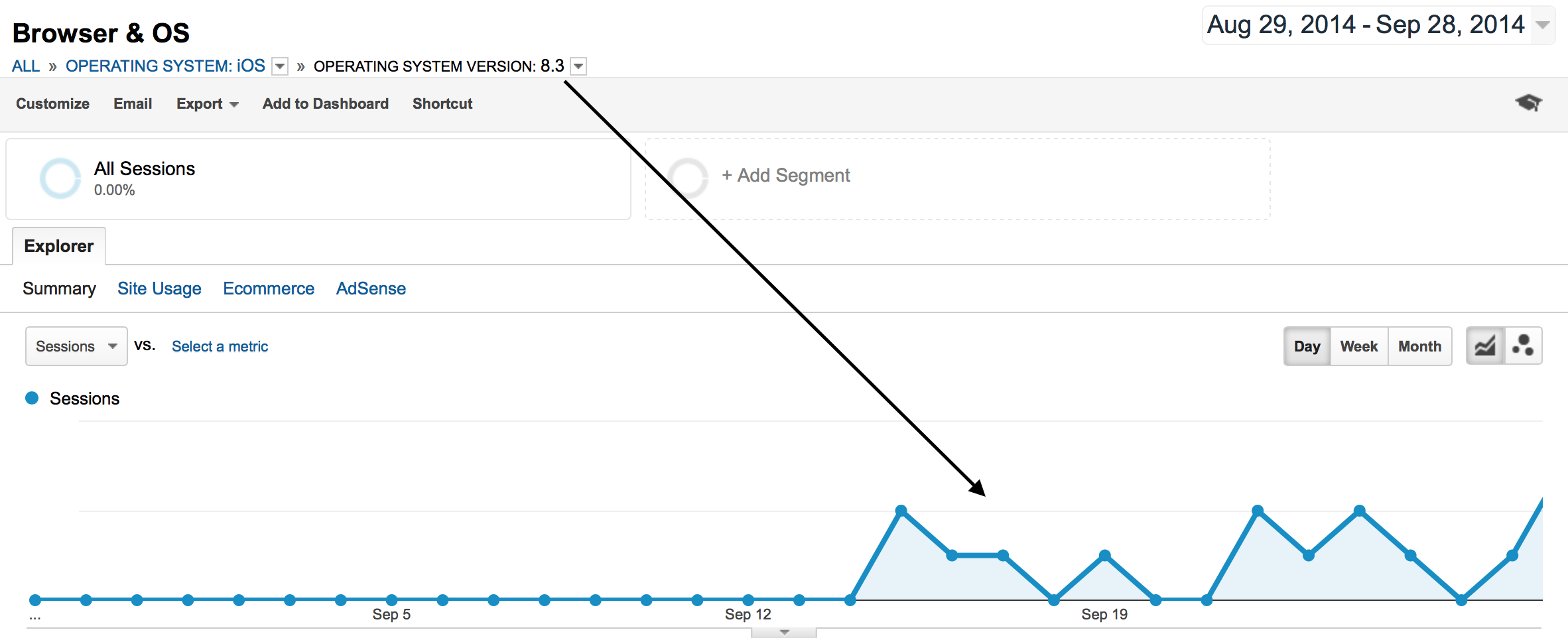
Starting with iOS 5 in 2011, Apple has released a major new iOS version each fall and a notable follow-up update early in the following year. For example, iOS 6 launched in September 2012 and was updated to iOS 6.1 in January, and iOS 7, which was launched in September 2013, was updated to iOS 7.1 with CarPlay and interface improvements in March 2014. But starting with the recently released iOS 8, it appears that Apple has a different development schedule for 2015 and perhaps beyond. According to sources, Apple is already hard at work on three major follow-up versions to iOS 8: iOS 8.1, iOS 8.2, and iOS 8.3.
iOS 8.2 visits to 9to5Mac
We’ve confirmed that these major new versions are in development via two means. First, a developer of a major hardware-connected iOS application has shared with us their analytics, and this data indicates that all three versions are in testing by Apple employees in or around Cupertino, California. Second, and much closer to home, our own Google Analytics for 9to5Mac.com show that iOS users are visiting our website via iOS 8.1, iOS 8.2, and iOS 8.3 devices. iOS 8.1 hits to 9to5Mac.com started appearing even months before iOS 8.0 launched, but 8.2 and 8.3 visits only started picking up following iOS 8’s release in mid-September.
iOS 8.3 visits to 9to5Mac
While Apple works on several iOS features and enhancements over the course of several years, it typically only begins wholly testing major new releases close to the ship dates of the preceding release. Apple working on three significant follow-ups to iOS 8 is a shift from the usual development cycle, one which would normally indicate Apple to be working on just iOS 8.1 as well as iOS 9.0. It’s possible that iOS 9 is also in the works, and of course Apple is always working on nominal bug fix (x.x.1 or .2 or .3) updates, but the fact that 8.1, 8.2, and 8.3 are all in simultaneous development raises some interesting possibilities:
On its website, French fashions retailer Colette is teasing a ‘one day only experience’, taking place at its stores on September 30th. The event runs from store open to 7 pm local time (via MacGeneration). Other details are unknown.
The invite image sort of resembles the Apple Watch home screen, so maybe this is some sort of special demonstration of the upcoming product. There is a possibility that Colette will sell the device in its store when the Watch is released ‘early next year’. Although this would make sense due to the connection with fashion, it would still be weird for the company to demo the product in public when it is still many months off release.
To address these claims, several different phones were tested under up to 150 pounds of pressure to see when each model would stop “snapping back” to its original shape. The devices tested were the iPhone 6 Plus, iPhone 6, iPhone 5, HTC One M8, Samsung Galaxy Note 3, and LG G3.
Apple has finally released the iPhone 6 and 6 Plus, and that means tons of new buyers are now becoming sellers—of their old phones. While it probably would have been best to sell that device a month ago to maximize its value, some people just didn’t have that luxury. The good news, though, is that many merchants are still offering very decent trade in values. My good condition 16 GB iPhone 5 falls between $150 and $200 depending on where I look.
One of those merchants is Amazon, which is claiming values up to $400 for a top condition iPhone 5s. Interestingly, it looks like device trades are really picking up, with the official Amazon tech deals Twitter saying that they’re seeing as many as two iPhone trade ins per minute. If you want to join the ranks among those who are grabbing a couple of benjamins for an old iPhone, head over to Amazon’s trade in page to start the process.
After a series of botched updates, which meant HealthKit apps could not launch alongside iOS 8’s release, Apple has finally started allowing apps that integrate with the Health app into the App Store. The first of many is FitPort, which acts as a replacement dashboard for Health information, with all data being synced back into the Health database.
On opening the app, the Health permissions screen opens which asks users to individually enable access to health statistics. This allows users to be very selective about what information they share with third-party apps. Users have to explicitly enable read and write capabilities for every health data type the app wants to integrate. Just like asking for location access, this sheet is presented by the OS, meaning all apps benefit from this level of privacy.
Some new numbers from the Opower blog have revealed how much you can expect to spend when charging your iPhone 6 or 6 Plus. At average U.S. energy prices, the cost comes in at a mere $.47 per year for the smaller 4.7-inch device. The 5.5-inch model will run a little extra due to its larger battery, coming in at just over half a dollar for a total of $.52 per year on average. As you might expect, this year’s larger devices will cost a little more than the smaller iPhone 5, which cost only $.41 per year.
According to the blog, adding up the energy used by each of the 10 million units sold over opening weekend would come out to less power than the entire state of Nebraska uses in 12 hours. By comparison, a typical desktop computer uses about 41x the power of an iPhone 6, while Microsoft’s Xbox One console uses has much as 61x as much energy.
As was pointed out last week, while charging your device may be fairly inexpensive, it can cost you a lot of unnecessary time if you’re using the charger that ships with it.
You can find more facts and figures about the new iPhone’s power consumption over at the Opower blog.
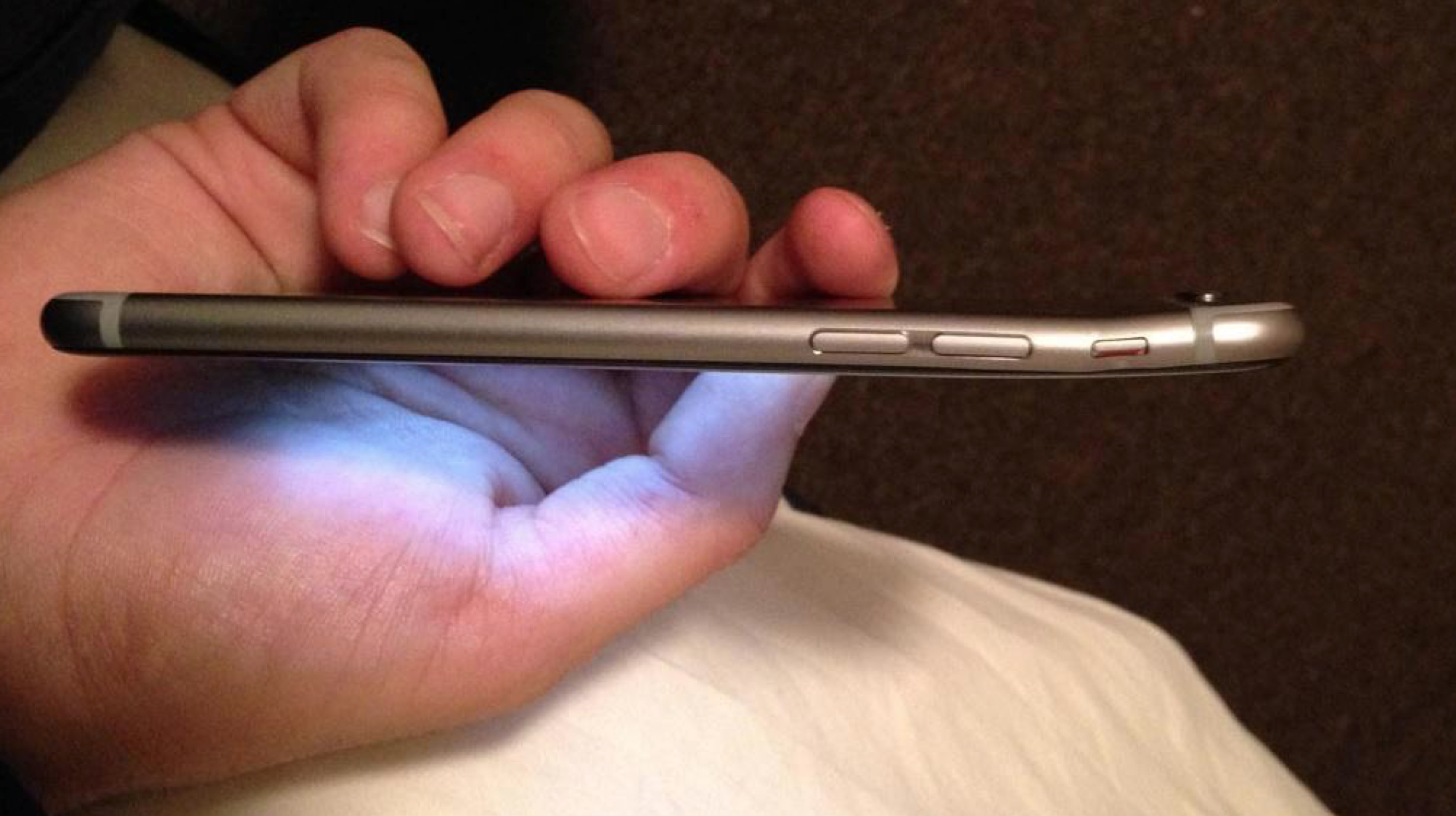
After a few YouTube videos hit the web claiming that the iPhone 6 Plus could be easily bent out shape in a user’s pocket, Apple addressed the issue by stating that the device was designed to meet its quality requirements and that only a handful of owners had complained about any issues. To further prove its commitment to building solid devices, Apple gave journalists access to the lab where it tests the build quality of its iPhones.
In a tour of the facility guided by SVP of Hardware Engineering Dan Riccio, reporters were given an in-depth look at how each new generation of the iPhone is tested to ensure that it can endure all of the rigors of daily life. Each device the company makes—including its notebook computers—is put through thousands of rounds of testing that simulates everything from twisting the device to flexing the screen, or sitting on a bench with the phone in the back pocket of your skinny jeans.
Not sure what to believe about recent claims that the iPhone 6 Plus has a malleability issue? Consumer Reports says it is in the process of undergoing authoritative testing to find its own answer to the question of whether or not the larger iPhone has a bending problem.
According to their post, Consumer Report will critically test the new iPhones against other popular smartphones using their “sophisticated machinery” which can apply up to 1,000 pounds of force previously used to test the LG G Flex and determine whether or not the iPhone 6 models are more likely to bend than other phones. Expand Expanding Close
Apple has officially issued a statement regarding the iPhone 6 bending controversy saying the issue is rare during real world use and that it’s only received complaints from 9 customers (via CNBC). Apple adds, according to the reports, that the “new iPhones feature steel/titanium inserts to reinforce stress locations and use the strongest glass in the industry.” Apple also commented that bending is “extremely rare” during normal use and that it performs a number of strength and durability tests (as you’d expect) before it ships new devices (via WSJ):
Since going on sale Friday, Apple said only nine customers have contacted the company about a bent iPhone 6 Plus—the larger and more expensive of its two new iPhones. Apple said both the iPhone 6 and iPhone 6 Plus passed a series of tests meant to check the products’ strength and durability to withstand every day, real-life use.
<a href="http://9to5mac.com/2014/03/17/ipad-pro-concept-imagines-an-edge-to-edge-12-9-inch-display-in-new-renders-gallery/" target="_blank">iPad Pro design render</a>
While recent reports have pegged Apple’s rumored larger display tablet for debut early next year, a new report from Asian site Technews.tw (via GforGames) claims the rumored 12.9-inch iPad will run on an “enhanced version” of the A8 chip introduced with the iPhone 6 and iPhone 6 Plus.
According to the site, the iPad Pro, an unofficial name given to the expected larger model, will rely on a new A8X chip to power the largest iOS device yet. Although the next-generation iPad Air and iPad mini with Retina display are both expected to include the same processor as the iPhone 6 and iPhone 6 Plus, Apple has introduced higher performance versions of its chips in the past with the iPad in mind.
The software developer credited by Apple for discovering last year’s developer center flaw says that he informed Apple of an iCloud weakness that may have been used to obtain celebrity nudes more than six months before the photos were accessed.
The Daily Dot reports that Ibrahim Balic advised Apple in March of a Find My Phone weakness that would allow brute-force attacks on iCloud accounts. It has been suggested that this may have been one of the methods used to access the accounts – or even complete iPhone backups – of celebrities … Expand Expanding Close
An Apple support representative has told TNW that iPhone 6/Plus phones that have experienced warping in normal use would qualify for replacement under warranty if they pass a test known as “a visual mechanical inspection.” It should be noted that this is simply one AppleCare rep speaking, and not an official statement by Apple.
That is 100 percent up to the Genius you speak with at the store. There is a test called a Visual Mechanical Inspection that the device will have to pass. If it is within the guidelines, they will be able to cover it. If not, the replacement would be a paid one.
Apple was not able to provide any information on what the test involves, though one commentator below suggests that it is simply comparing the phone to a set of reference photos used to distinguish phones damaged by misuse from those considered faulty. In some rather Steve-like phrasing, the representative said that support chatroom comments revealed that “we’re looking into this with an insane amount of detail.”
Photos of the iPhone 6 and, especially, 6 Plus bending whilst in pockets starting emerging a couple of days ago. Video tests, though, do seem to indicate that a substantial degree of force is required.
Our own poll suggested that around 30 percent of readers are concerned about the issue, with 11.5 percent saying that they already own an iPhone 6 and are worried about damaging it, and 18 percent stating that they are delaying purchase until the issue is resolved.
iDevice warranty specialists SquareTrade found that the iPhone 6 passed all its breakability tests, describing it as the “toughest iPhone yet” and noting that it beat all other phones in its drop tests.
Earlier this week it was revealed that if you bend your iPhone 6 Plus, it will bend. This shocking news took the world by storm, but left some people wondering if other phones would also flex under pressure. To answer the question, YouTuber Unbox Therapy attempted to repeat his earlier experiment with iPhone 6, iPhone 5s, HTC One M8, newest Moto X, and Nokia Lumia.
After applying roughly the same force to each of these handsets, he discovered that the iPhone 6 Plus was in fact more flexible than the rest. The Moto X ended up coming out top of the pack, with next to no flexibility at all. The 4.7-inch iPhone 6 was also found to be much less “bendy” than the larger model, though it did get a very small curve with enough force.
You can check out the video of all five phones being tested below:
The Internet recently exploded with reports of the iPhone 6 Plus’ bendable body. Unofficially dubbed “Bendgate” this problem seems to occur when the device is in pockets and other tight areas that apply pressure on the chassis of the iPhone 6 Plus. This is probably a small issue when you look at the big picture and ones that other metal phones including previous iPhones also experience. Over 10 million iPhones have been sold since its Sept. 19 launch, but we’ve only seen a handful of legit Bendgate issues in the wild. The question is, does this actually bother you?