AAPL Company

See All Stories

Breaking news from Cupertino. We’ll give you the latest from Apple headquarters and decipher fact from fiction from the rumor mill.
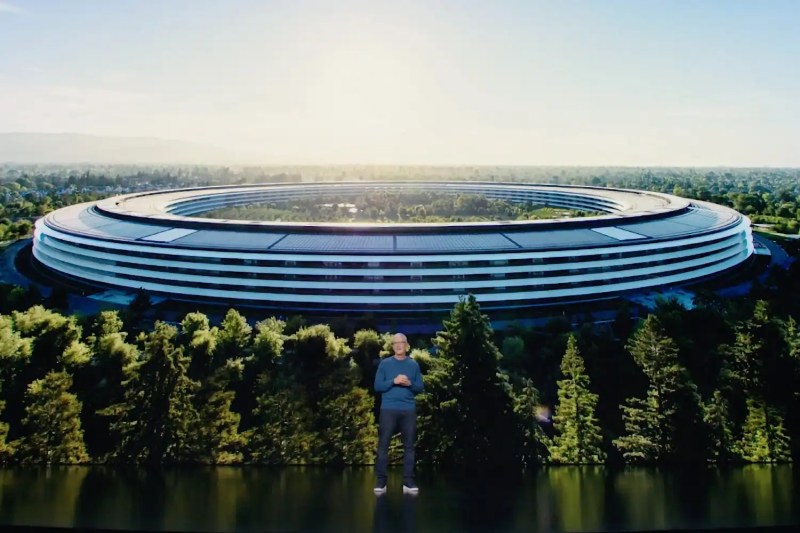
Apple Park Tim Cook AAPL

AAPL is a California-based computer company that became the most successful smartphone company in the world.

AAPL defined by Apple

Here’s how Apple defines itself:

Apple revolutionized personal technology with the introduction of the Macintosh in 1984. Today, Apple leads the world in innovation with iPhone, iPad, Mac, Apple Watch, and Apple TV. Apple’s five software platforms — iOS, iPadOS, macOS, watchOS, and tvOS — provide seamless experiences across all Apple devices and empower people with breakthrough services including the App Store, Apple Music, Apple Pay, and iCloud. Apple’s more than 100,000 employees are dedicated to making the best products on earth, and to leaving the world better than we found it.

Key AAPL history

From Apple I to iMac

Apple was founded in 1976 by Steve Jobs (Steve), Steve Wozniak (Woz), and (briefly) Ronald Wayne as a business partnership: Apple Computer Company. The following year it became Apple Computer, Inc. The company’s first product was the Apple I, a personal computer hand-built by Woz and sold in part-completed kit form. The Apple II and Apple III followed.

The modern Apple as we know it today began in 1983, with the launch of the first personal computer with a graphical user interface, the Lisa. Way too expensive to succeed, it was replaced by the Macintosh in 1984, launched with the single showing of a Ridley Scott commercial during the Super Bowl. The Macintosh transformed the world’s understanding of what a computer was, and would eventually lead to Microsoft adopting the GUI approach.

Steve Jobs and then Apple-CEO John Scully fell out in 1985, when Steve wanted to focus on the Macintosh while Scully wanted to put more attention on the Apple II, which was still selling well. That led to Steve being forced out of the company and going off to form NeXT.

Apple focused on selling Macintosh models at the highest possible margins, but would eventually fall foul of a mix of unsustainable pricing in the face of competition from Windows machines, and an overly complex product lineup. By 1996, the company was in trouble, and in 1997 Steve was brought back, along with the NeXT operating system, which would eventually form the basis of Mac OS X.

Steve simplified the Mac lineup and had industrial designer Jony Ive work on a whole new look for a consumer desktop Mac, the colorful iMac. The iMac, like the original Macintosh, again changed the world’s understanding of what a computer was, and who should want one.

From Apple Computer, Inc. to Apple, Inc.

In 2001, Apple launched the iPod. Although this wasn’t the first mp3 player, it was massively better than anything on the market at the time, and succeeded in turning a geeky piece of technology into a consumer electronics product with mass-market appeal.

The success of the iPod paved the way into other mobile devices. Apple was working on what would eventually become the iPad, when Steve realized that this was the basis of a smartphone. He diverted the team’s work into this, to launch the iPhone in 2007. The iPad launched later, in 2010.

The iPhone was yet another transformational product. While most other smartphones of the time were clunky devices with a keyboard and stylus, the iPhone was a sleek-looking device operated with a finger, and so simple that no user guide was needed. It was with the launch of the iPhone that Apple Computer, Inc. was renamed to Apple, Inc.

From Intel to Apple Silicon

While the iPhone, iPad, Apple Watch, and more are made with Apple-designed processors, the Mac lineup has historically relied on third-party companies for its CPUs. Over the years, Macs progressed from Motorola 680000 series chips through PowerPC to Intel.

In 2020, Apple began a two-year transition to the final stage in that journey, with Macs too finally getting Apple-designed chips. The first such is the M1 chip, used in the latest Mac mini, MacBook Air, and 13-inch MacBook Pro. Other Apple Silicon Macs followed.

AAPL today

Apple is one of the largest companies in the world. It was the first publicly traded company to hit a trillion-dollar valuation in 2018, $2 trillion in 2020, and $3T in 2022.

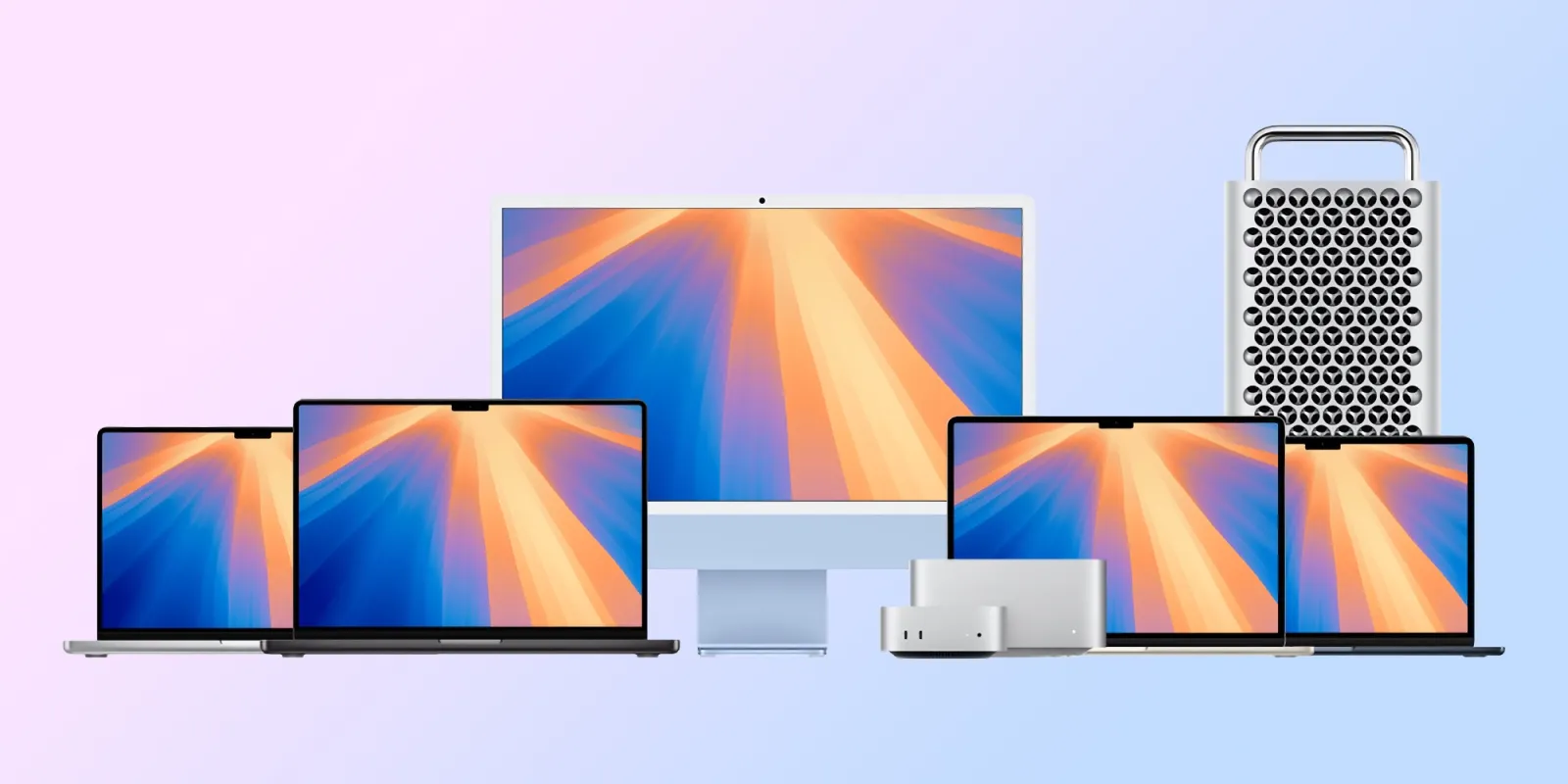
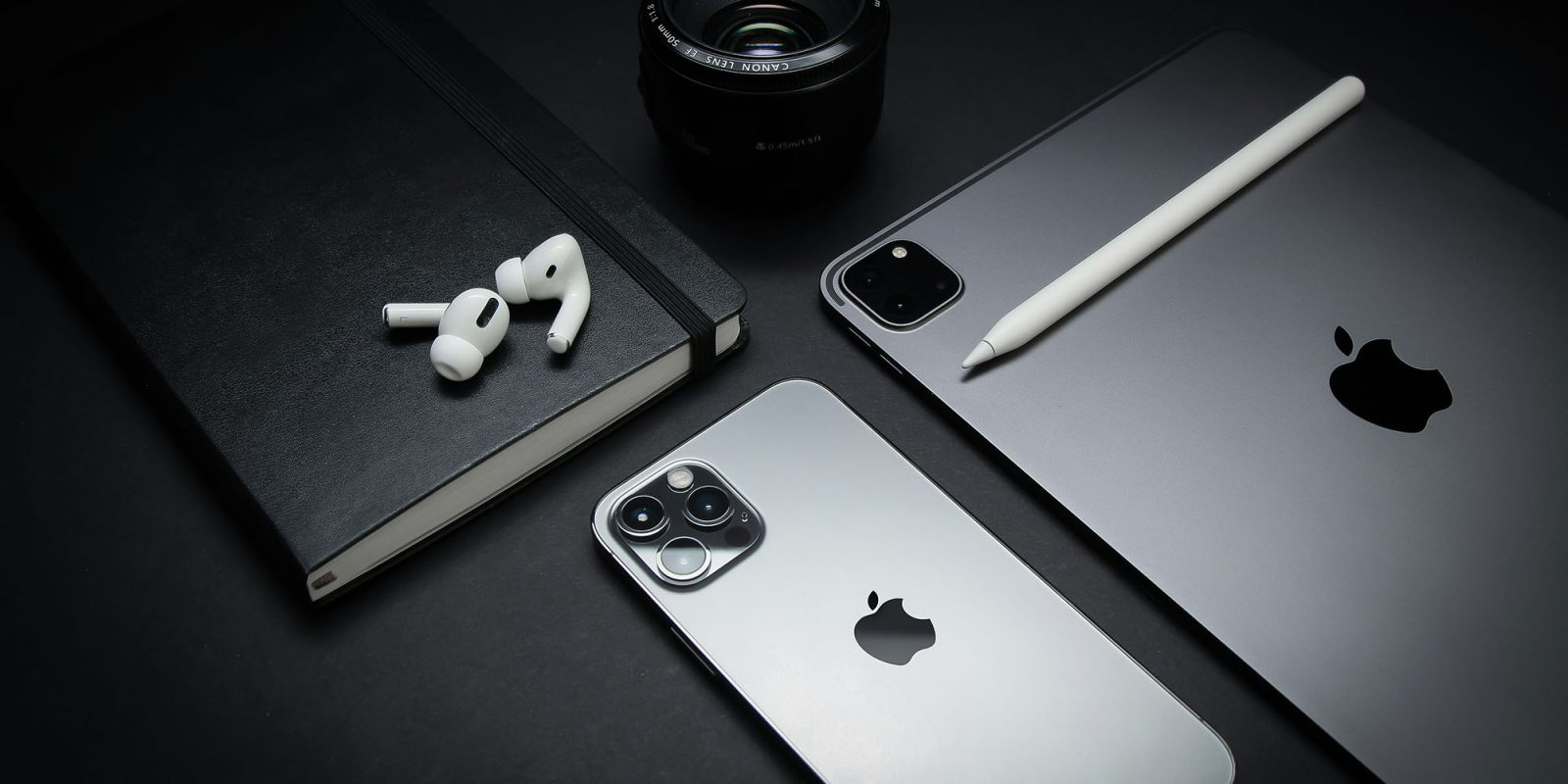
The company’s product lineup includes five different Mac families (MacBook Air, MacBook Pro, iMac, Mac Pro, and Mac mini); four iPad ranges (iPad mini, iPad, iPad Air, iPad Pro); four iPhone 12 models (12, 12 mini, 12 Pro, 12 Pro Max); three main Apple Watch models (SE, Series 3, Series 6); as well as other products, including Apple TV, AirPods, and HomePod mini.

In addition to hardware sales, Apple derives a growing proportion of its income from Services, including the App Store, iCloud, Apple Music, and Apple Pay.

Apple pursuing ways to launch TV+ and more in China, report says

Apple TV+

Over the weekend, Tim Cook confirmed that Apple Vision Pro will launch in China later this year. The Information now reports that Apple has reached a key deal with Tencent to make a number of China’s most popular apps available on Vision Pro.

The report also makes mention that Apple is “pursuing” ways to launch its own content services, like Apple TV+, in China.

Expand Expanding Close

Following DOJ, Apple faces new class action lawsuits alleging the iPhone is a monopoly

It’s not just the US Department of Justice setting its sights on Apple this year. Since the DOJ announced its lawsuit last week, Apple has been hit with a wave of new lawsuits from consumers accusing the company of monopolizing the smartphone market.

These consumers say Apple “inflated the cost of its products through anticompetitive conduct.”

Expand Expanding Close

Apple buying AI services from Chinese tech giant Baidu, say reports

Apple buying AI services from Chinese tech giant Baidu | Brain image against colorful background

Chinese media is reporting that Apple is buying AI services from local tech giant Baidu. The WSJ had earlier reported that the iPhone maker had been in discussions with the company, to use its AI smarts in iOS 18.

Baudi operates a ChatGPT-style LLM known as ERNIE Bot, which claims to “comprehend human intentions and deliver accurate, logical, and fluent responses approaching human level” …

Expand Expanding Close

DOJ antitrust lawsuit complains that iPhones are cool, says lawyer

DOJ antitrust lawsuit complains that iPhones are cool, says lawyer | Boxed iPhone 15 Pro

One element of the DOJ antitrust lawsuit against Apple addresses iMessage, and Apple’s decision to keep the app exclusive to iPhone. But it goes further than arguing that this is anti-competitive, and attacks the use of green chat bubbles for Android users as creating “social stigma.”

A lawyer commenting on this claim says that it effectively amounts to the Department of Justice complaining that people think the iPhone is cooler than Android phones …

Expand Expanding Close

EU rejects Apple’s European App Store changes: Company could be fined 10% of global turnover

App Store proposals rejected | Case full of $100 bills

The EU has today announced that it is not satisfied that Apple’s App Store changes comply with the Digital Markets Act (DMA), and the company is now officially under investigation for non-compliance.

If that investigation confirms that Apple failed to comply with the antitrust law, then the iPhone maker could be fined up to 10% of its worldwide turnover – increasing to 20% for repeat infringements …

Expand Expanding Close

Apple’s best defence against the DOJ antitrust lawsuit is its customers

Apple's best DOJ antitrust lawsuit is its customers | Crowds at Apple Store Battersea opening

After literally years of investigation, the DOJ antitrust lawsuit is finally official. Apple is accused of using a dominant market position to lock in customers, block competitors, profiteer, and stifle new technologies.

The lawsuit mirrors moves made in the EU, most notably through the Digital Markets Act (DMA), which obliges Apple and other tech giants to adopt a less aggressive approach to protecting their own financial interests against competition …

Expand Expanding Close

Tim Cook praises China as a production hub, amid Apple moves to lessen dependence

Tim Cook praises China | Waterfront in Shanghai

A state-owned newspaper has cited Tim Cook praising China as a production hub, during the CEO’s visit to the country for a new store opening.

Cook’s remarks were made after Apple reported a 13% decline in revenue from China, with a recent market intelligence estimate suggesting that iPhone sales were down 24% in the opening weeks of this year …

Expand Expanding Close

Epic will take 12% cut of Epic Games Store sales when it launches on iPhone this year

There are more developments today in the ongoing battle between Apple and some of its biggest App Store opponents. First, in a new amicus briefed filed in the United States today, Meta, Microsoft, X, and Match Group have teamed up to oppose Apple’s proposed anti-steering changes in the United States.

Meanwhile, Epic Games shared more details about its plans to launch its own app marketplace for iPhone in the European Union. The company says it will take a 12% commission from sales…

Expand Expanding Close

Apple could be in trouble over DMA security warnings, as well as Core Technology Fee

Core Technology Fee and security warnings | App Store 3D logo

It was already clear that Apple’s Core Technology Fee would come in for close scrutiny by the EU, but an interview with the bloc’s antitrust chief has revealed that the company could also be headed for trouble with its security warnings about alternative app stores.

While Apple was not directly named, there was little doubt who Margrethe Vestager was referencing when she described such warnings as “unwise” …

Expand Expanding Close

Apple pushes back on criticism, says it’s fully complying with the DMA

Apple App Store EU

With iOS 17.4 this month, Apple debuted a number of new features as part of its efforts to comply with the Digital Markets Act in the EU. These efforts include alternative app marketplaces, new business terms for developers, and support for third-party browser engines.

Apple’s plans have faced criticism from companies like Meta, Epic, and Spotify. In a hearing on Monday, however, Apple justified its changes and explained why it believes it is in compliance with the DMA.

Expand Expanding Close

Apple expands Restore Fund with new investments from TSMC and Murata

Apple today announced that it is expanding its Restore Fund, a project that it first launched in 2021 with a $200 million investment. Through the Restore Fund, Apple backs new financially-viable initiatives to restore forest woodland areas, which removes carbon from the atmosphere. 

In an update today, Apple said that it is welcoming its partners Taiwan Semiconductor Manufacturing Company (TSMC) and Murata Manufacturing as new investors in the Restore Fund.

Expand Expanding Close

Brave Browser sees sharp increase in take-up as Apple prompts EU users to choose

Brave browser iPhone installs | Logo with graph

One change Apple made in iOS 17.4 has resulted in a notable increase in the number of iPhone owners choosing to install the Brave Browser app to use in place of Safari.

The EU’s Digital Markets Act (DMA) required Apple to prompt European iPhone users to choose their default browser, with its own Safari app merely listed as one of the options …

Expand Expanding Close

Another Apple research lab opening in China, for new materials and technologies

Another Apple research lab opening | City skyline in Shenzhen, China

The bulk of Apple’s new product development work takes place in Cupertino, but the company has a number of research labs around the world. Locations include ChinaFranceIsraelJapanSweden and the UK. The company has today announced plans for a further lab in China.

Apple has two primary motivations for most of the overseas labs it operates, but there is an additional factor in the case of the latest example …

Expand Expanding Close

Apple will allow users to download apps directly from a developer’s website, in latest EU App Store rule change

Apple App Store EU

Last week, Apple released iOS 17.4 with big changes to the iPhone and App Store ecosystem to comply with the Digital Markets Act in the European Union. This includes things like support for alternative app marketplaces, new business terms and in-app purchase options, and more.

Now, Apple has announced a few additional changes in response to feedback it’s received from developers so far. Most notably, Apple will launch a new Web Distribution feature later this spring that lets developers offer their apps for download directly from their website.

Expand Expanding Close