AAPL Company

See All Stories

Breaking news from Cupertino. We’ll give you the latest from Apple headquarters and decipher fact from fiction from the rumor mill.
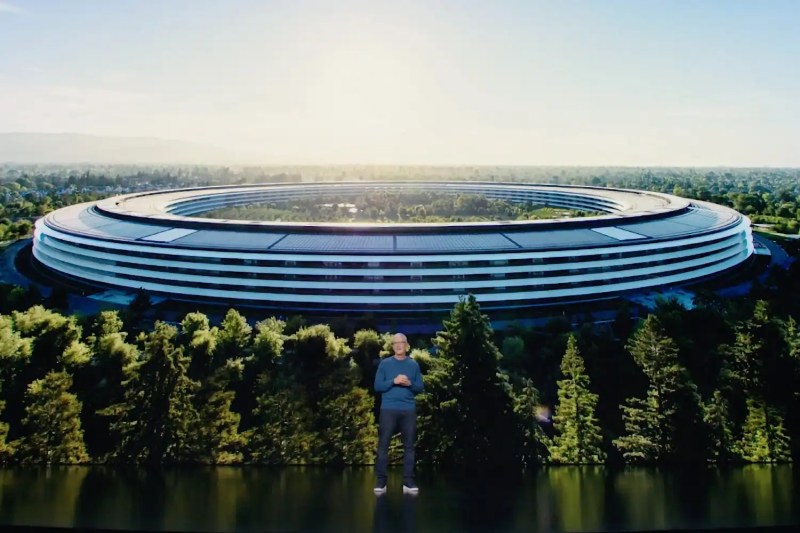
Apple Park Tim Cook AAPL

AAPL is a California-based computer company that became the most successful smartphone company in the world.

AAPL defined by Apple

Here’s how Apple defines itself:

Apple revolutionized personal technology with the introduction of the Macintosh in 1984. Today, Apple leads the world in innovation with iPhone, iPad, Mac, Apple Watch, and Apple TV. Apple’s five software platforms — iOS, iPadOS, macOS, watchOS, and tvOS — provide seamless experiences across all Apple devices and empower people with breakthrough services including the App Store, Apple Music, Apple Pay, and iCloud. Apple’s more than 100,000 employees are dedicated to making the best products on earth, and to leaving the world better than we found it.

Key AAPL history

From Apple I to iMac

Apple was founded in 1976 by Steve Jobs (Steve), Steve Wozniak (Woz), and (briefly) Ronald Wayne as a business partnership: Apple Computer Company. The following year it became Apple Computer, Inc. The company’s first product was the Apple I, a personal computer hand-built by Woz and sold in part-completed kit form. The Apple II and Apple III followed.

The modern Apple as we know it today began in 1983, with the launch of the first personal computer with a graphical user interface, the Lisa. Way too expensive to succeed, it was replaced by the Macintosh in 1984, launched with the single showing of a Ridley Scott commercial during the Super Bowl. The Macintosh transformed the world’s understanding of what a computer was, and would eventually lead to Microsoft adopting the GUI approach.

Steve Jobs and then Apple-CEO John Scully fell out in 1985, when Steve wanted to focus on the Macintosh while Scully wanted to put more attention on the Apple II, which was still selling well. That led to Steve being forced out of the company and going off to form NeXT.

Apple focused on selling Macintosh models at the highest possible margins, but would eventually fall foul of a mix of unsustainable pricing in the face of competition from Windows machines, and an overly complex product lineup. By 1996, the company was in trouble, and in 1997 Steve was brought back, along with the NeXT operating system, which would eventually form the basis of Mac OS X.

Steve simplified the Mac lineup and had industrial designer Jony Ive work on a whole new look for a consumer desktop Mac, the colorful iMac. The iMac, like the original Macintosh, again changed the world’s understanding of what a computer was, and who should want one.

From Apple Computer, Inc. to Apple, Inc.

In 2001, Apple launched the iPod. Although this wasn’t the first mp3 player, it was massively better than anything on the market at the time, and succeeded in turning a geeky piece of technology into a consumer electronics product with mass-market appeal.

The success of the iPod paved the way into other mobile devices. Apple was working on what would eventually become the iPad, when Steve realized that this was the basis of a smartphone. He diverted the team’s work into this, to launch the iPhone in 2007. The iPad launched later, in 2010.

The iPhone was yet another transformational product. While most other smartphones of the time were clunky devices with a keyboard and stylus, the iPhone was a sleek-looking device operated with a finger, and so simple that no user guide was needed. It was with the launch of the iPhone that Apple Computer, Inc. was renamed to Apple, Inc.

From Intel to Apple Silicon

While the iPhone, iPad, Apple Watch, and more are made with Apple-designed processors, the Mac lineup has historically relied on third-party companies for its CPUs. Over the years, Macs progressed from Motorola 680000 series chips through PowerPC to Intel.

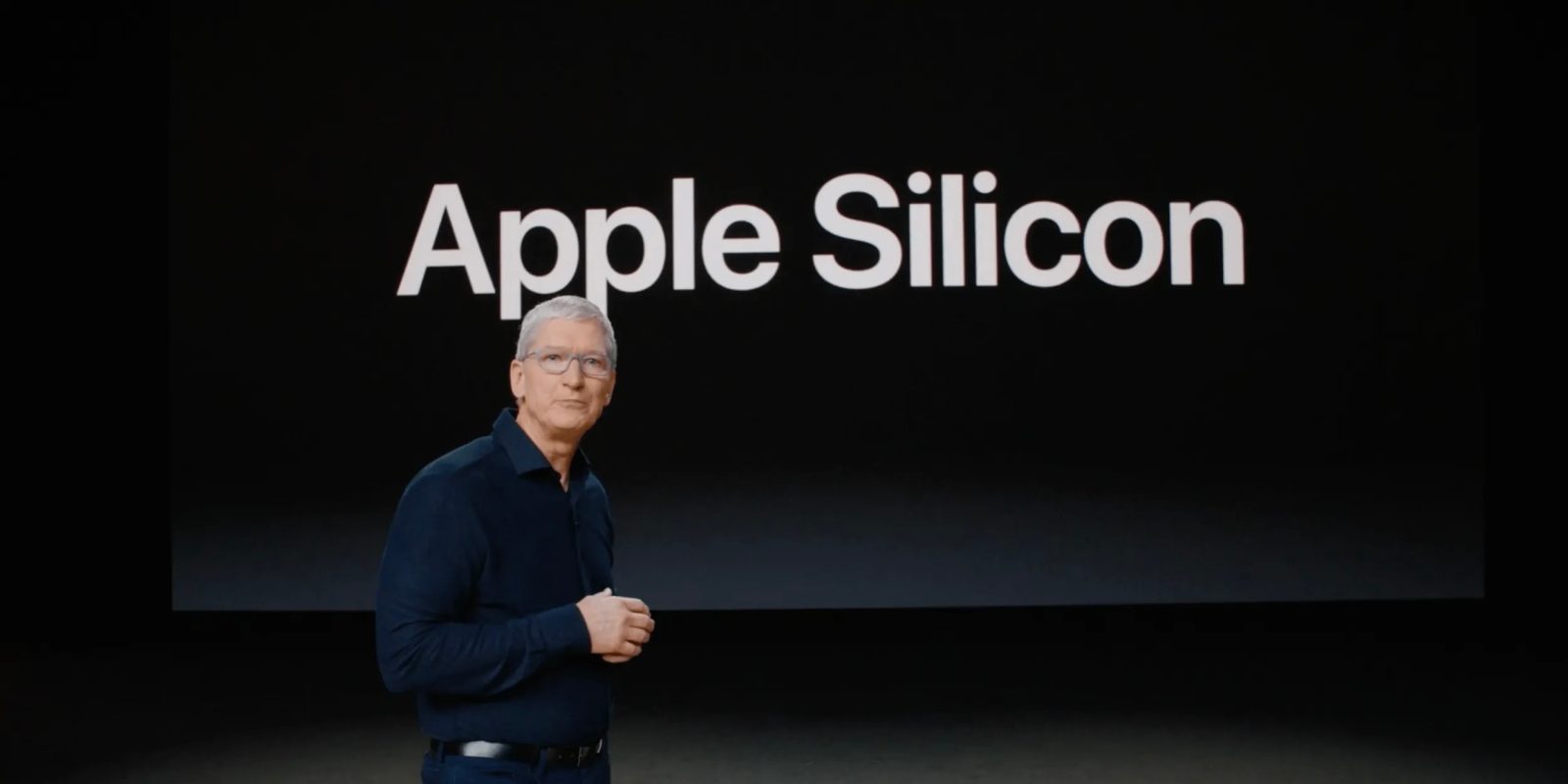
In 2020, Apple began a two-year transition to the final stage in that journey, with Macs too finally getting Apple-designed chips. The first such is the M1 chip, used in the latest Mac mini, MacBook Air, and 13-inch MacBook Pro. Other Apple Silicon Macs followed.

AAPL today

Apple is one of the largest companies in the world. It was the first publicly traded company to hit a trillion-dollar valuation in 2018, $2 trillion in 2020, and $3T in 2022.

The company’s product lineup includes five different Mac families (MacBook Air, MacBook Pro, iMac, Mac Pro, and Mac mini); four iPad ranges (iPad mini, iPad, iPad Air, iPad Pro); four iPhone 12 models (12, 12 mini, 12 Pro, 12 Pro Max); three main Apple Watch models (SE, Series 3, Series 6); as well as other products, including Apple TV, AirPods, and HomePod mini.

In addition to hardware sales, Apple derives a growing proportion of its income from Services, including the App Store, iCloud, Apple Music, and Apple Pay.

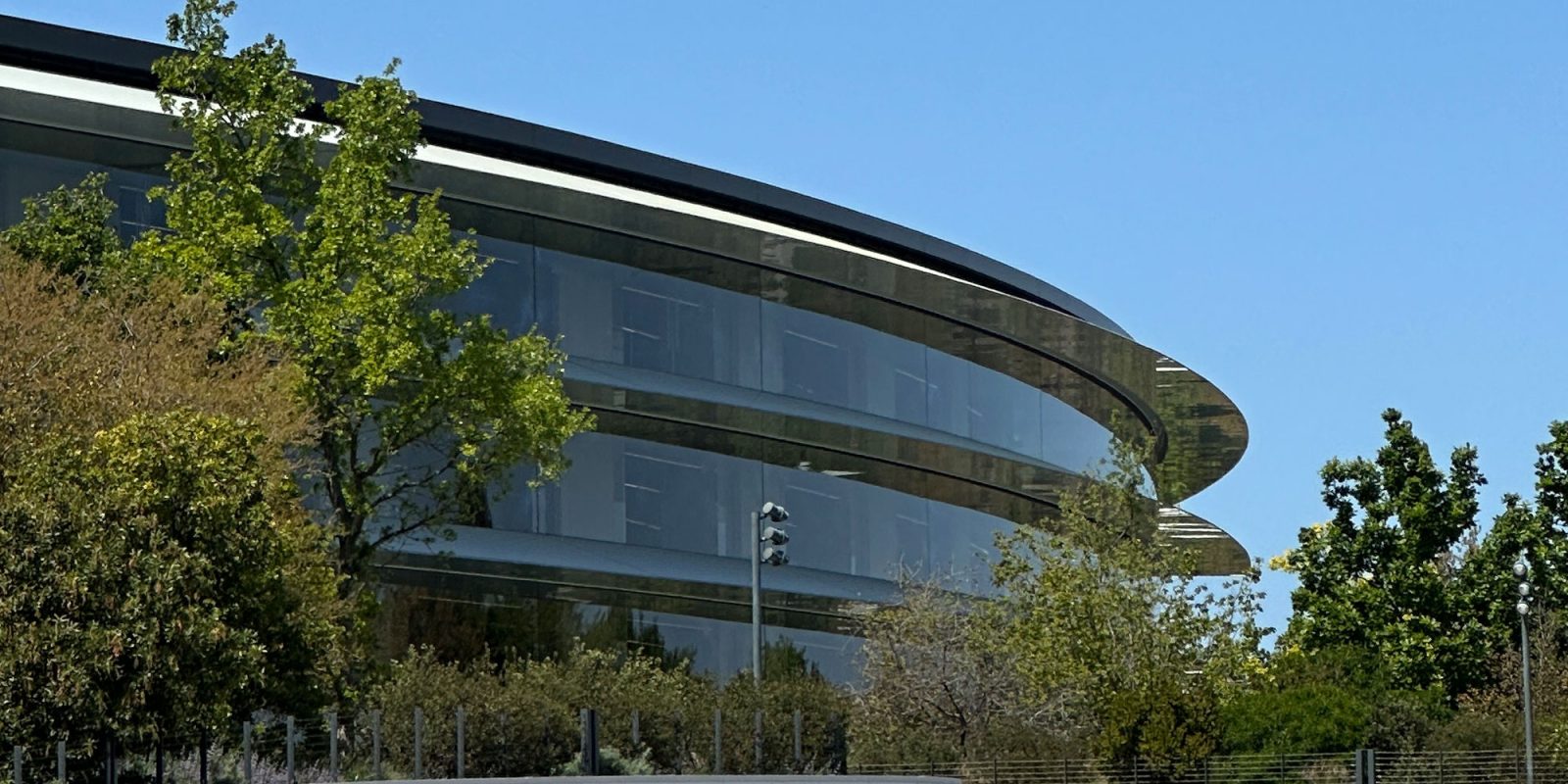
Apple drops mask requirement for corporate employees ‘in most locations’

Apple Park | AAPL (9to5Mac image)

Since the onset of the COVID-19 pandemic, Apple has enforced a masking mandate for its corporate employees and retail staff. Although this mandate has been revised multiple times since then, there are still some locations where Apple employees were required to wear a mask. Now the company is dropping the mask mandate “in most places” for corporate employees.

Expand Expanding Close

Apple buys HP’s 67-acre San Diego campus as it expands footprint and works on custom modem

apple silicon transition | apple 5G modem iPhone

It’s been several years since Apple announced its intentions to move beyond its retail presence in San Diego and build a hub of hardware and software engineering. Now in what looks like the company’s first commercial purchase in the area, Apple has bought HP’s old 67-acre campus as it ramps up work on making an in-house modem and more.

Expand Expanding Close

Apple claims human rights violation over iPhone ban in Colombia, despite judge’s warning

iPhone ban | UN General Assembly Hall

In the latest bizarre twist to the patent infringement battle between Apple and Ericsson, the Cupertino company has responded to the iPhone ban in Colombia by claiming that its human rights have been infringed.

The company requested emergency relief in Colombia just days after being warned by a US judge not to abuse the court system there by filing emergency requests for non-emergencies …

Expand Expanding Close

Apple union-busting was ‘traumatic,’ say workers – even included immigration assistance threat

Apple union busting | People in meeting

Apple union-busting techniques have been described as “traumatic” by employees in the first Apple Store to unionize, Towson, Maryland.

They accuse Apple of failing to live up to its own human rights policy, and say that various threats were made to workers intending to join the union – including one who was told that the immigration assistance offered by the company could be withdrawn …

Expand Expanding Close

Apple Q3 2022 results show iPhone (just barely) creating a new record

Site default logo image

Yesterday saw the announcement of Apple Q3 2022 earnings. While it was technically a record quarter, the analysts were right that this would be the point at which Apple’s pandemic-boosted growth would tail off.

Mac revenue was down 10% year-on-year, iPad dropped 2%, and wearables (Apple Watch and AirPods) fell 8%. Services continued to rise, of course, but the only good news on the hardware side was the iPhone …

Expand Expanding Close

Virtual reality antitrust intervention, as FTC tells Meta it can’t buy another VR company

Site default logo image

It might seem a little early for a virtual reality antitrust intervention, in a field which is as yet still a niche interest, but the FTC is taking no chances. It has moved to block Meta’s planned purchase of VR fitness company Within.

The aggressiveness of the move makes it seem likely that Apple will face similar bars on acquiring VR companies to assist its upcoming Apple Headset product …

Expand Expanding Close
Site default logo image

CHIPS Act passes Senate vote, after $52B became $280B to fund scientific research too

The CHIPS Act, originally designed to provide $52B in incentives for chipmakers to open US plants, has now passed a Senate vote, with bipartisan support. It is expected to pass a House vote as early as next week, but has gained weight in its journey through Congress.

Apple lobbied in favor of the original plan, stating that it was vital to the construction of a TSMC plant in Arizona, which is expected to make chips for the Cupertino company …

Expand Expanding Close

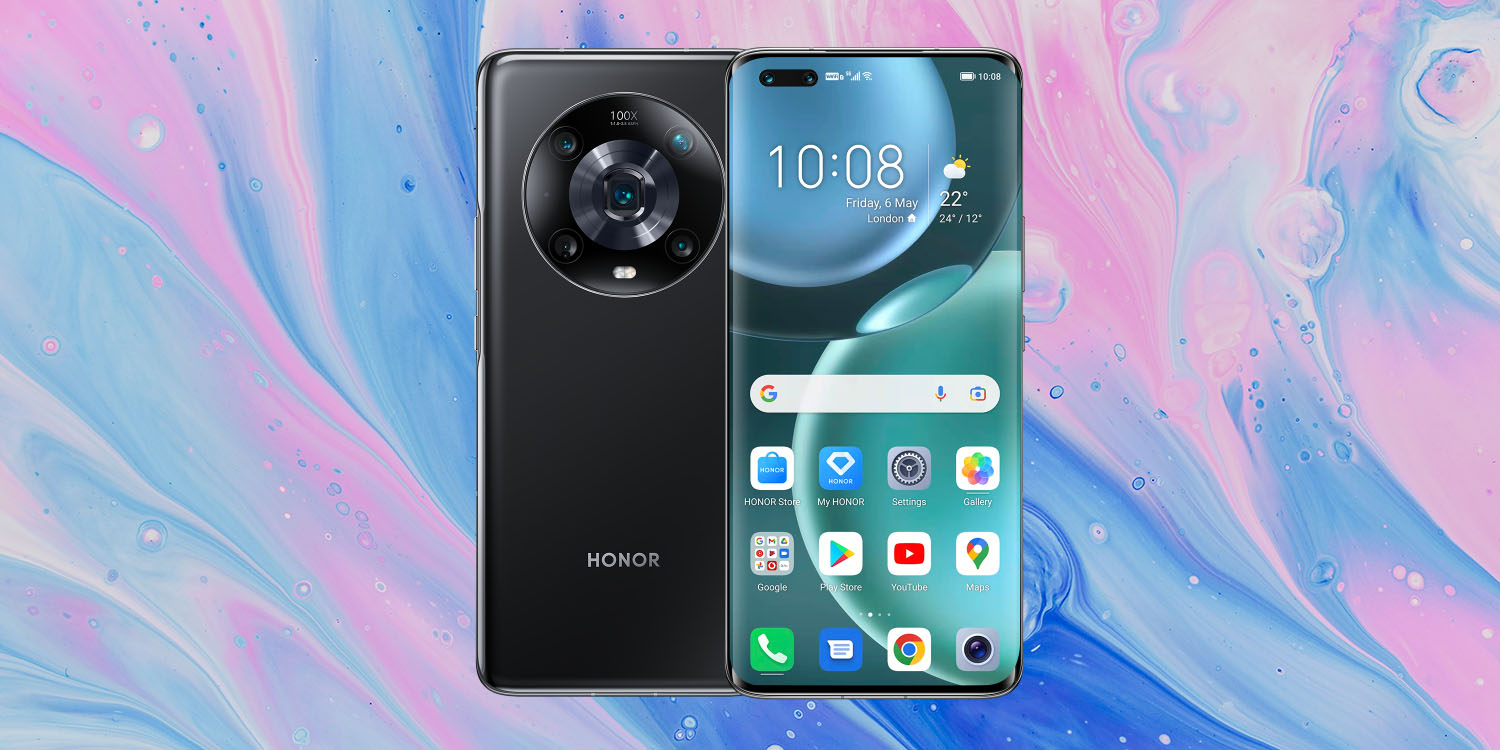
Copying iPhone features helped Chinese smartphone brand Honor double sales

A new market intelligence report says that Chinese smartphone brand Honor managed to double its year-on-year sales in Q2, and that copying iPhone features was one of the reasons for this success.

Honor was the only brand to increase its market share during the quarter, though Apple fared better than all remaining brands …

Expand Expanding Close

Apple default apps might be banned; here’s how Apple could respond

Site default logo image

We’re not seeing much progress with US antitrust legislation just at present, but if the two bills do make it through the Senate, that raises the prospect of Apple default apps being banned. Which is to say, Apple could not pre-install its own stock apps on iPhones, instead having to offer customers a choice of core apps.

Apple might respond with a choice of key apps during initial iPhone setup, likely with its own apps top of the lists …

Expand Expanding Close

Tech antitrust legislation remains stalled as Schumer tells donors he won’t yet schedule votes

Site default logo image

Democrats last week urged Senate Majority Leader Chuck Schumer to schedule votes on two pieces of tech antitrust legislation, but he last night told donors that he won’t do it yet.

At the heart of the impasse is a disagreement about whether enough senators would vote in favor of the two bills – one of which would have a big impact on Apple …

Expand Expanding Close

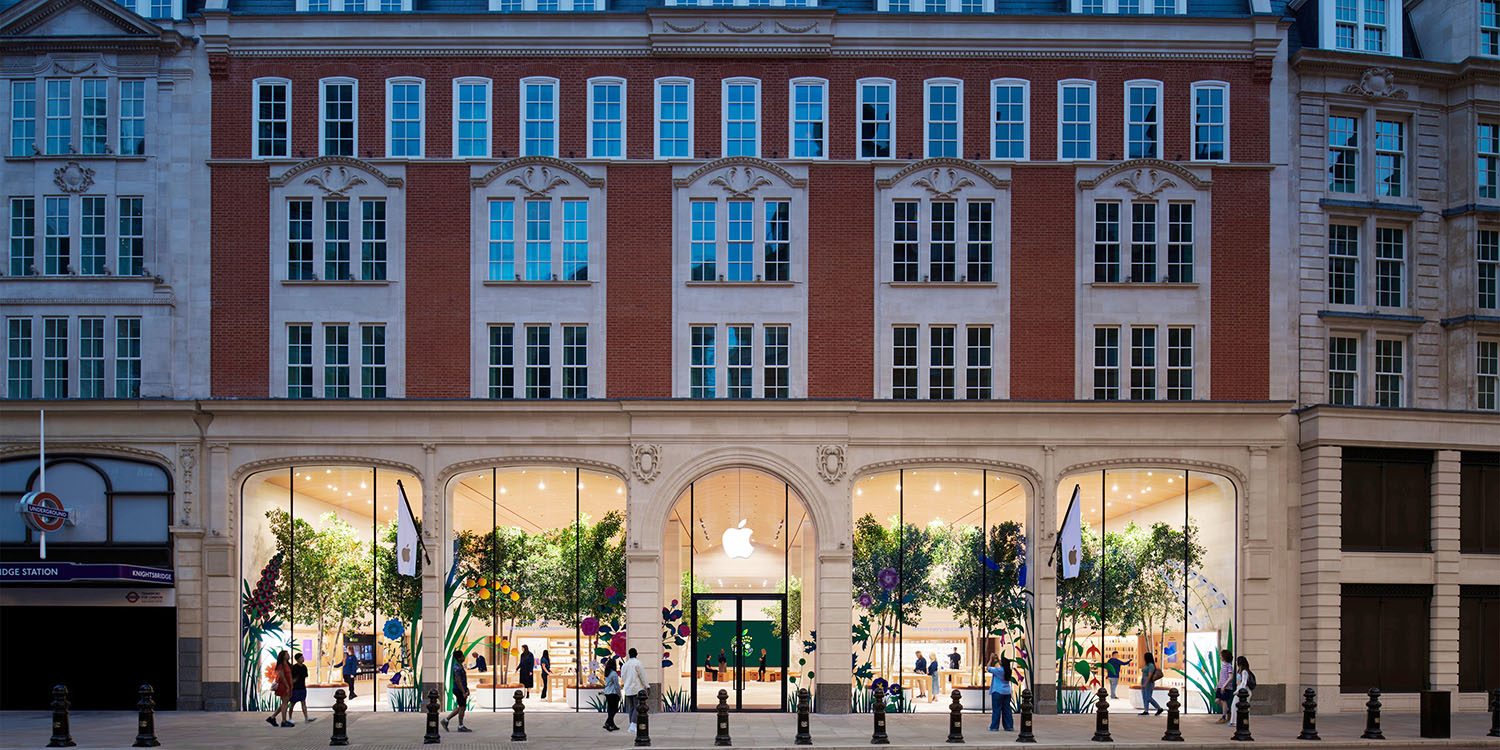
Apple Brompton Road store features curved and mirrored ceilings, 200 staff, world-first flooring

Apple Brompton Road | Frontage, with floor-to-ceiling arched windows

A preview of the new Apple Brompton Road store in London’s upmarket Knightsbridge shopping area shows off both the unique features of the space itself, and a number of Apple Store firsts. The store will be the fifth one in London, and the third flagship, alongside Covent Garden and Regent Street.

The store opens on Thursday, but the company has today previewed the space, with a series of photos and notable elements …

Expand Expanding Close

Apple discounts offered for the first time on the official website in China

Apple discounts | Screengrab of Chinese Apple website

One of the secrets to the success of iPhone sales in China is something the company doesn’t usually like to admit: the widespread availability of Apple discounts. Usually these are offered only by third-party companies, even if the iPhone maker itself is offering them the discount to pass on to customers.

But today the company is promoting Apple discounts on a whole range of products on the company’s official website

Expand Expanding Close

Apple spending more than ever on federal lobbying amid possible antitrust bill

Apple CEO Tim Cook Federal lobbying

Early this morning, 9to5Mac reported that tech lobbying spending hit $35M this year as companies are fighting antitrust measures. Now, a story shows that Apple alone spent $4.6 million in the first half of 2021. Not only that, but Apple’s Tim Cook has become one of the country’s most politically active tech CEOs of the moment.

Expand Expanding Close

Amazon to buy One Medical – should this be Apple’s next step in healthcare?

Apple Healthcare

Amazon is acquiring One Medical, a company that operates a network of boutique primary-care practices, for around $3.9 billion. As the health market is one of the most profitable in the world and Apple is heavily betting in this sector with the Apple Watch and tons of health studies, should this be the company’s next step and start seeking its way in healthcare?

Expand Expanding Close