The Q&A session of one of Apple’s most notable events in the last 20 years has surfaced online, and you should watch it before it vanishes. Watch it below.
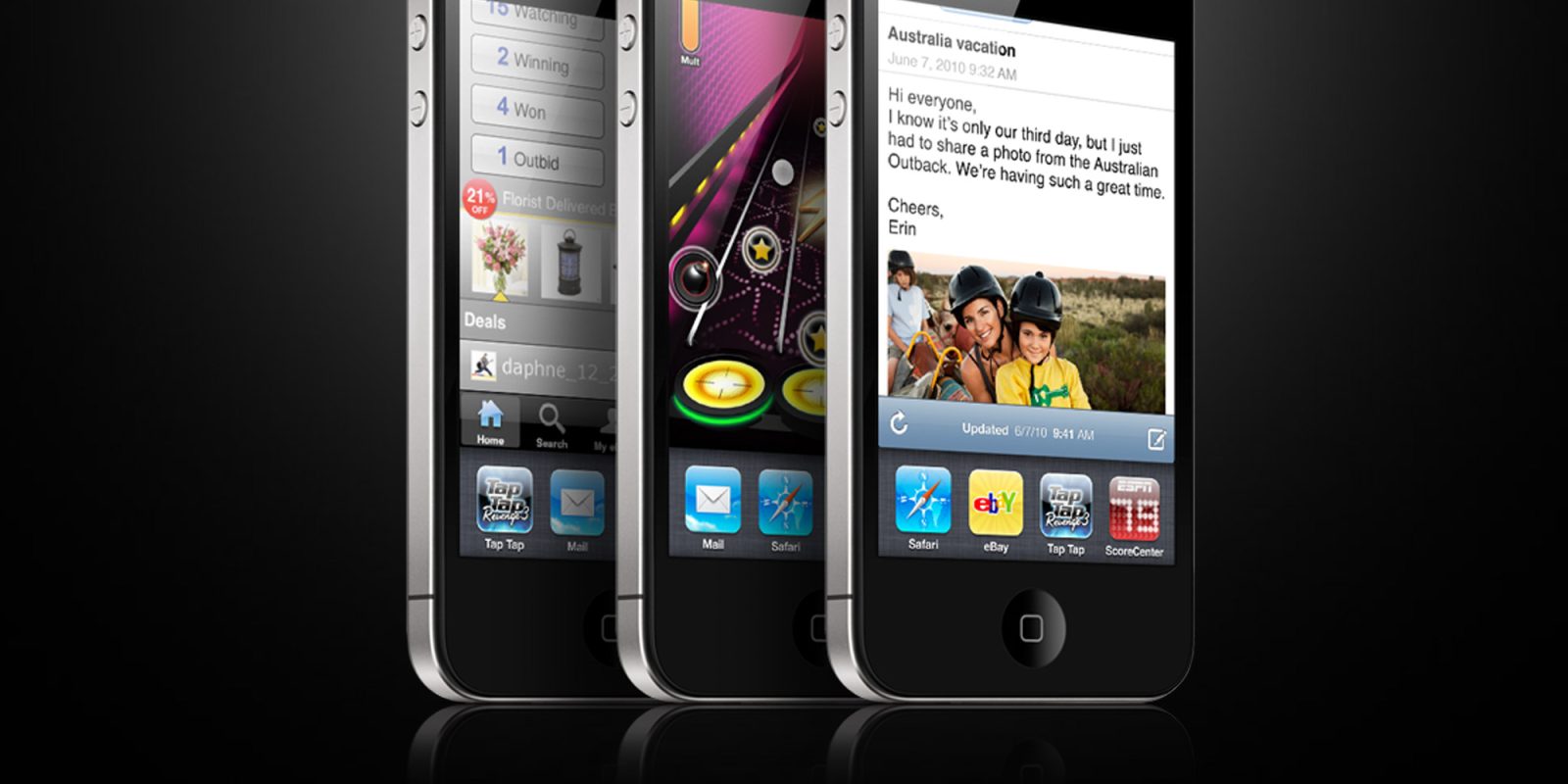
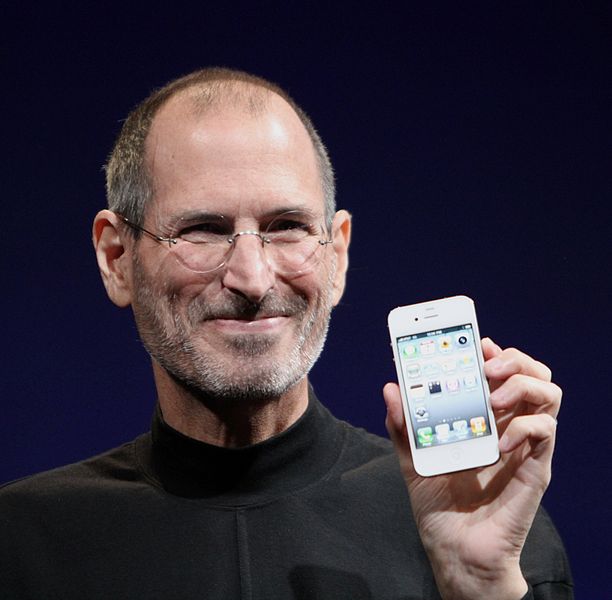
Ah, 2010. The year when Apple launched the iPad, but the limelight was stolen by something else entirely: Antennagate. Soon after the launch of the iPhone 4, users discovered that when they held the phone in a typical grip for a phone call, the number of bars shown for signal strength immediately dropped dramatically.
Apple responded in a number of ways, including Steve Jobs famously suggesting that users were holding the phone wrong, but the issue was resolved by changing just 20 bytes of code …
A decade-old iPhone recently caught on fire while charging in a family’s kitchen, and the combustion was caught on video. Fortunately, no one was injured and the fire burned out, but the footage is alarming as it occurred overnight while the family was sleeping.
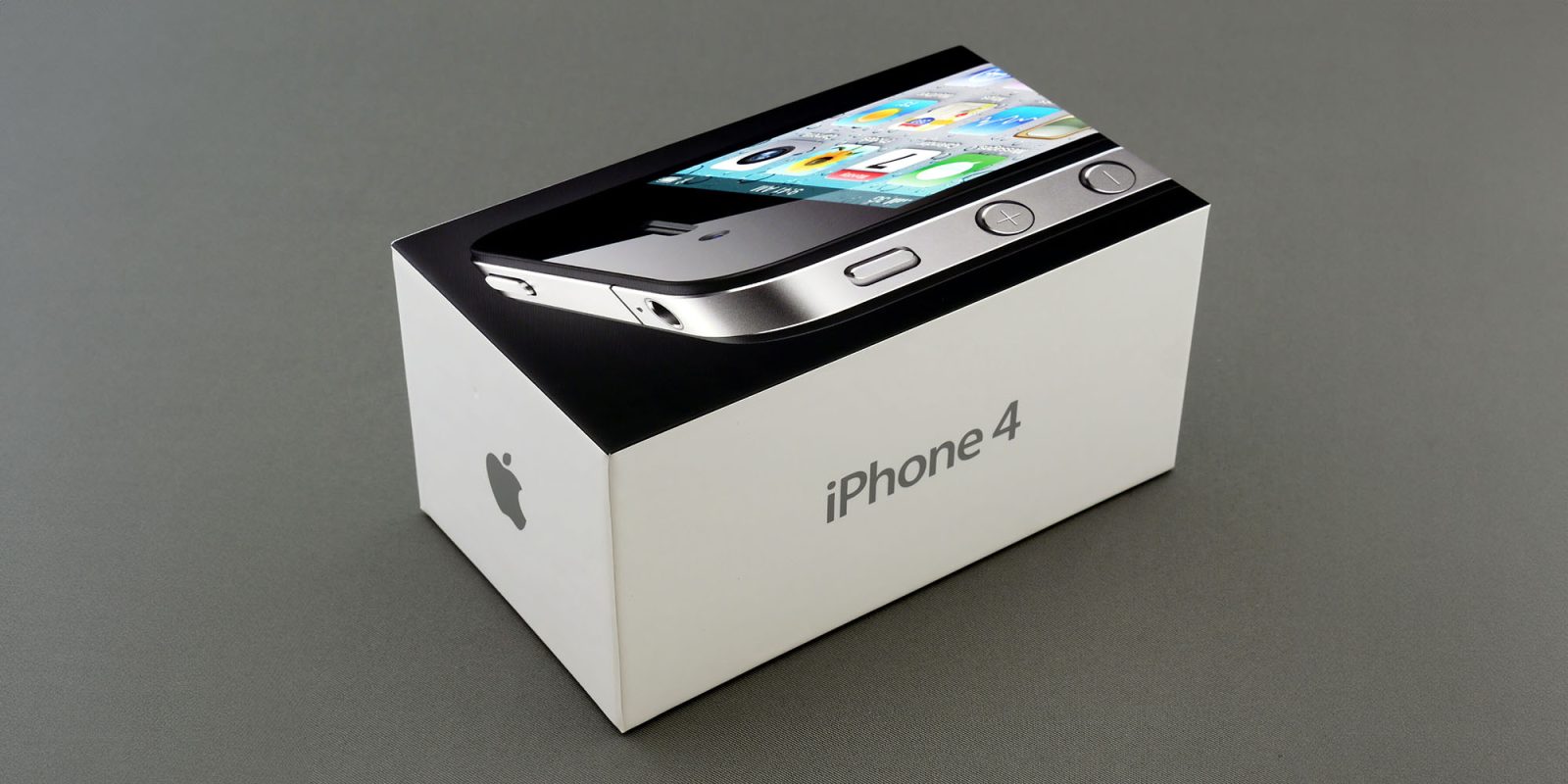
The fire occurred with an iPhone 4, a model that was introduced 12 years ago, so no one should worry about modern iPhones catching fire. However, the incident highlights the importance of knowing what can cause a battery to combust.
It’s not uncommon for Apple’s devices to vary from the prototype to final production version but a rare and interesting prototype has just surfaced that is very different from the iPhone 4 Apple ended up selling. Check out the video below for a close look at the “Death Star” iPhone 4.
Reliable Apple analyst Ming-Chi Kuo at KGI Securities has today issued a new note in which he says that Apple will entirely revamp its iPhone lineup come 2017. According to Kuo, Apple in 2017 will release a new iPhone with glass casing and an AMOLED display. This somewhat contradicts an earlier note from the analyst that said Apple was aiming for an AMOLED iPhone by 2018.
Flickr today released their list of most popular cameras and brands used for photos shared on their site this year, and it’s no surprise that Apple’s iPhone continues to top the list. The iPhone 6 alone tops the list of most popular camera on Flickr in 2015, accounting for 5% of all photographers on the photo sharing site this year. Various models of the iPhone from 2015 and earlier still in use take 8 out of the 20 slots on the top camera list this year. In total, Apple-branded cameras made up 18.52% of ones used on the service this year.
When Apple releases a new version of iOS, owners of previous generation devices are always a tad hesitant to upgrade, worried that the added features will bog down their device and make it run slower than it originally did. While iOS 9 has been the quickest adopted version of Apple’s operating system yet, there are likely still some holdouts worried about device performance. YouTuber iAppleBytes has this evening shared videos comparing the performance of iOS 9.0.1 to iOS 8.4.1 on the iPhone 4S, iPhone 5, and iPhone 5S…
Apple’s<a href="http://9to5mac.com/2015/03/29/apple-store-revamp-for-apple-watch-revealed-magical-tables-demo-loops-sales-process/" target="_blank"> upcoming retail overhaul</a> for displaying the Watch
A lot of my techie friends are saying that the entry priced-Apple Watch Sport will be their pick next month, and not because of the exterior look. The theory is that Sport is the cheapest way to experience Apple’s new product category in 2015, and since the second-gen Apple Watch will inevitably be upgraded, why pay a premium this year for nicer materials such as stainless steel and sapphire glass?
Despite the Apple Watch’s desire to marry jewelry with technology, it hasn’t lost the baggage gadgets carry, namely the reality that they’ll be outdated and replaced in a relatively short period of time. If the Apple Watch evolves anything like the original iPad did when it became the iPad 2, the differences could be dramatic.
Personally, when I think about getting more perceived value out of a higher-priced stainless steel Apple Watch rather than testing the waters with the cheaper aluminum model, I’m more concerned with how soon the Apple Watch 2 will be announced rather than how much more functional the newer device could be. No matter what happens with the first-generation model, an Apple Watch 2 will come to market. How will Apple balance keeping the Apple Watch evolutionary momentum going with keeping the first-generation model “modern” for enough time to satisfy early adopters?
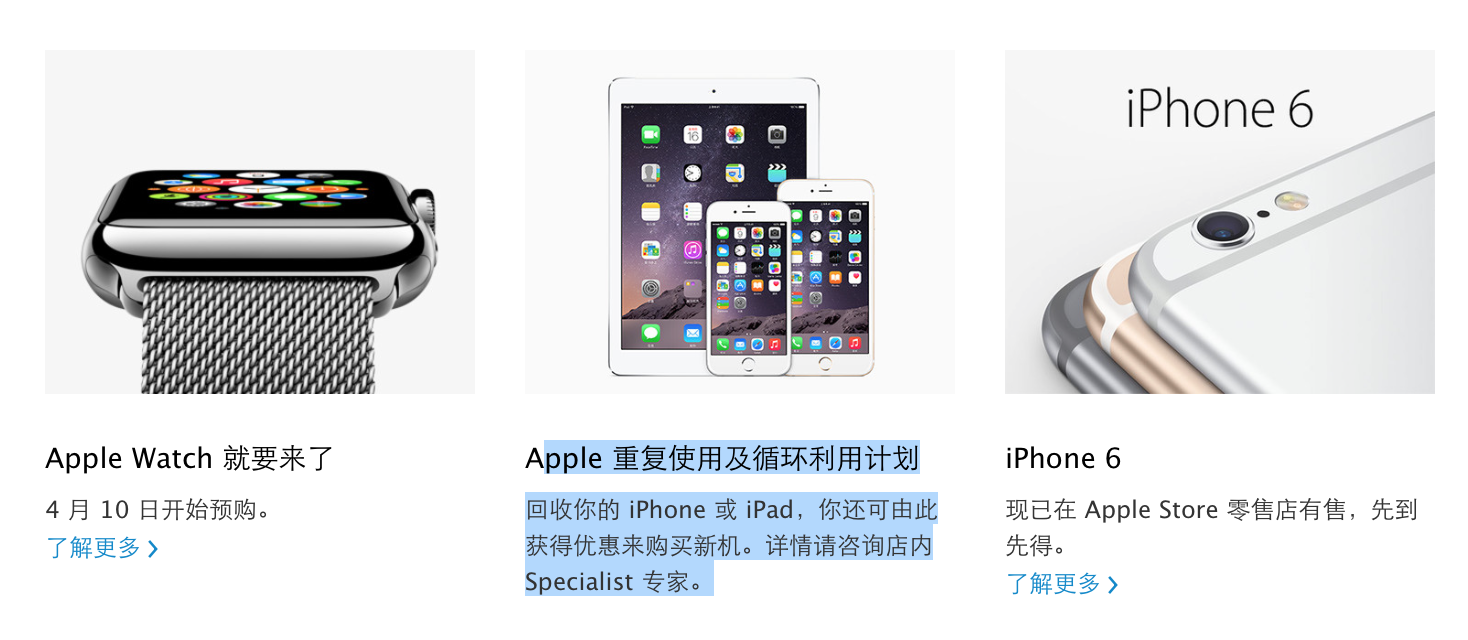
Apple today officially launched a version of its Apple Store iPhone trade-in program for China, as noted on the individual store pages for China’s Apple Retail Stores.
As is the case in the United States and several other countries with Apple Stores, the program allows a user to bring in an older iPhone model and trade in that device for gift card credit toward the purchase of a new iPhone; the program will most likely not allow a customer to trade in an iPhone toward the purchase of an Apple Watch. But as contrasted with the U.S., France, United Kingdom, Germany, Canada and Italy, the new China program is limited to iPhones and iPads, and will not support non-Apple smartphones.
Early this year, we heard from a source that Apple had been testing multiple resolutions for the iPhone 6’s larger display, including a resolution of 960 x 1704. As we outlined, the benefit of that resolution is that it allows both developers and consumers to smoothly transition to the new display without losing high-quality imagery and graphics found in many applications from the App Store. At that density on both a 4.7-inch and 5.5-inch display (the two larger screen sizes for the next iPhone), all content would display larger in comparison to the current, 4-inch iPhone, but there would not be more actual screen real estate. Now, we’ve discovered another potential iPhone 6 screen resolution by way of iOS 8 files inside of the latest Xcode 6 Software Development Kit (SDK) betas for developers.
During the WWDC 2014 keynote, Apple wrapped up its overview of iOS 8 and has officially announced device compatibility. This release is available for developers today and schedules for a public launch in fall.
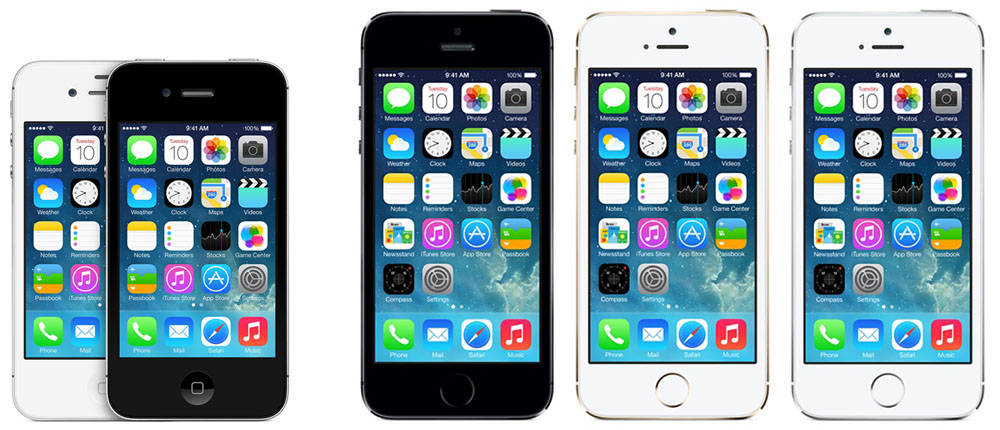
iOS 8 will be compatible with iPhone 4s, iPhone 5, iPhone 5c, iPhone 5s, iPod touch 5th generation, iPad 2, iPad with Retina display, iPad Air, iPad mini, and iPad mini with Retina display. So it looks like the iPhone 4 is officially dead to Apple.
After introducing the phone to the Indian market in January this year, The Times of India is reporting that Apple has reversed this decision, once more discontinuing the product which was originally released in June 2010.
The paper says that new supplies of the iPhone 4 have been terminated at three leading trade partners in the country. It is weird for Apple to reverse plans so soon, but it was also uncharacteristic of the company to bring back the iPhone 4 in the first place.
Apple may have decided that the iPhone 4s and 8 GB iPhone 5c fills the gap well enough that it no longer needs to keep the iPhone 4 around. Despite expanding the availability of the SKU to more countries in mid-April, however, the device is not actually offered in India just yet. It is possible that the transition is still taking place.
A new email from Steve Jobs that was published during today’s Samsung lawsuit (via The Verge) has revealed a lot about Apple’s plans for its products in 2011 and beyond. As we’ve previously noted, Jobs referred to 2011 as a year of “holy war” against Google, but this document goes above that and describes how exactly Apple planned to wage this war.
A few choice bits are below, followed by the complete email.
Virgin Mobile is knocking another 20% off their marked down iPhones yielding the lowest prices we’ve ever seen on the unsubsidized phones (that’s another 10% less than this weekend’s mention).
Note Apple charges $650 for an unlocked iPhone 5s and $550 for an iPhone 5c so savings is around $200/iPhone. While the iPhones are unsubsidized, Virgin does offer extremely competitive plans on the Sprint 4G LTE network starting at $30/month for unlimited text/data. Expand Expanding Close
Note Apple charges $650 for an unlocked iPhone 5s and $550 for an iPhone 5c so savings is around $150/iPhone. While the iPhones are unsubsidized, Virgin does offer extremely competitive plans on the Sprint 4G LTE network starting at $30/month for unlimited text/data. Expand Expanding Close
The Times of India reports that Apple is planning to re-introduce the 8 GB version of the iPhone 4 in India to combat its sluggish sales. The report states that the company hopes the even lower price of the device will help win back its share of the market, which is slipping away to competitors.
The phone would be available at a lower price than before, reportedly around ₹15,000 (about $240). Apple lost a large portion of its market share in India after phasing out the iPhone 4, which was previously one of the country’s top three phones.
When Steve Jobs introduced the iPhone 4 in 2010, Apple began focusing heavily on the device’s camera as an area for continuous improvement and promotion. That device featured a 5 MP backside camera, and the next three models (iPhone 4s, iPhone 5, iPhone 5s) featured an 8 MP iSight camera with various improvements along the way.
That pixel count may not change according to a report from The China Post(via MacRumors) which cites financial group Nomura Securities and falling shares of Largen Precision Company.
According to Nomura Securities (野村證券), Largan’s recently lagging performance in the market is caused by rumors that Apple may adopt an 8 mega-pixel (MP) camera with improved optical image stabilization on its upcoming handset, instead of the 16 MP upgrade anticipated by industry observers.
While the report leaves room to speculate a minor bump in pixel count could see the light of day, it’s not too farfetched to believe Apple’s successor to the iPhone 5s could resist increasing pixel count in favor of further improving optical performance with low light and high dynamic range capturing… Expand Expanding Close
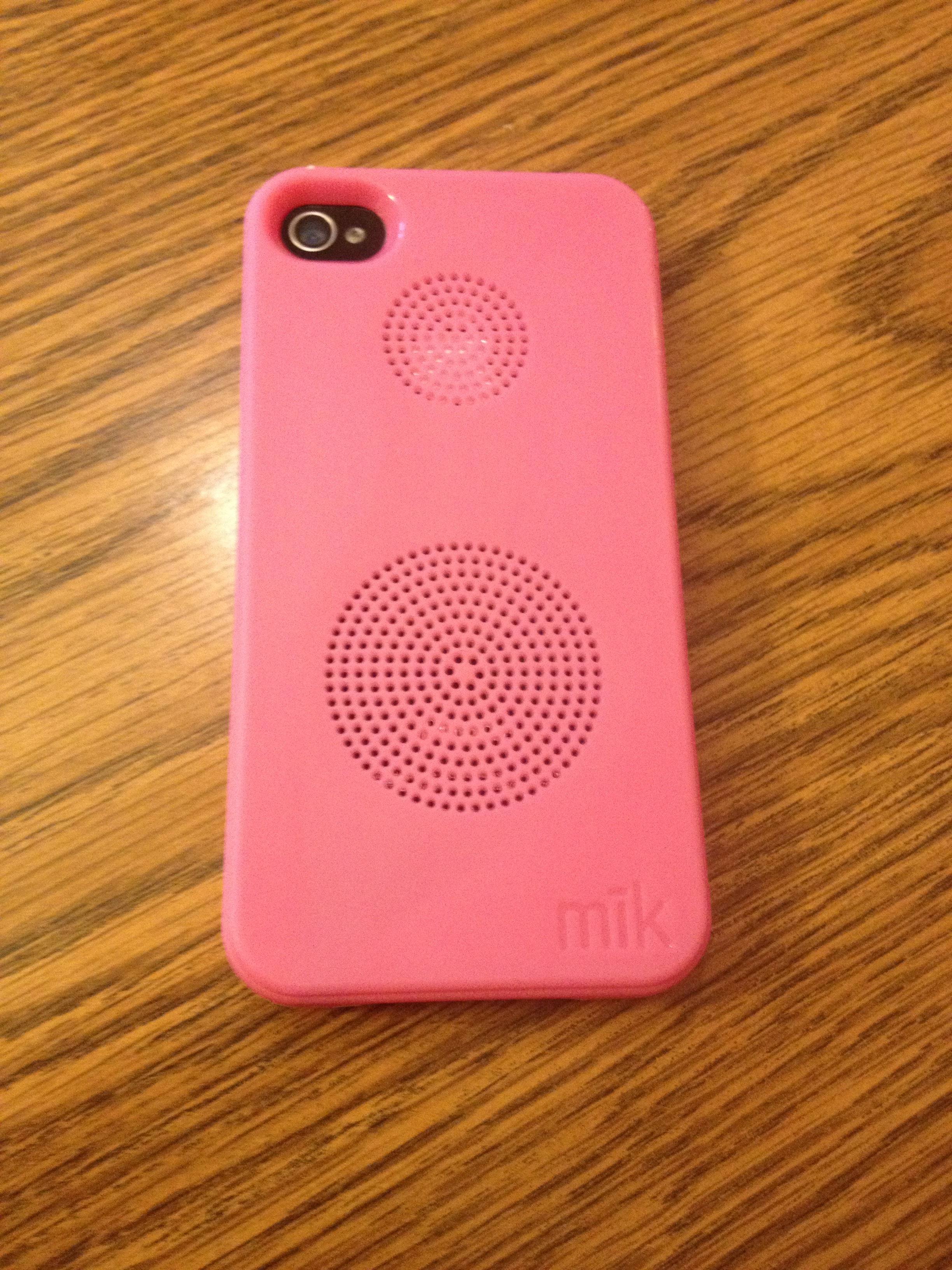
The mik Sound Case is a new type of phone case available for the iPhone 4/4S and iPhone 5/5s. It amplifies the phone’s speaker by an additional 15 to 20 decibels and improves the clarity and quality of the sound. By blocking the speaker, the case forces the sound to travel through a hollow space and out an opening on the back of the phone. Thankfully, the lightweight case doesn’t add any additional weight to the phone.
There was a lot of confusion yesterday when Verizon’s results were discussed, with more than one commentator confusing activations and sales. For the record, what Verizon announced was that 51 percent of its activations were iPhone, not 51 percent of its phone sales.
If you doubt the importance of this distinction, I have one word for you: T-Mobile. As of 11th April, the carrier had two million iPhone activations. Its iPhone sales as of the same date? Zero: T-Mobile didn’t start selling iPhones until the following day.
The difference between the two numbers is particularly dramatic with high-end handsets like the iPhone … Expand Expanding Close
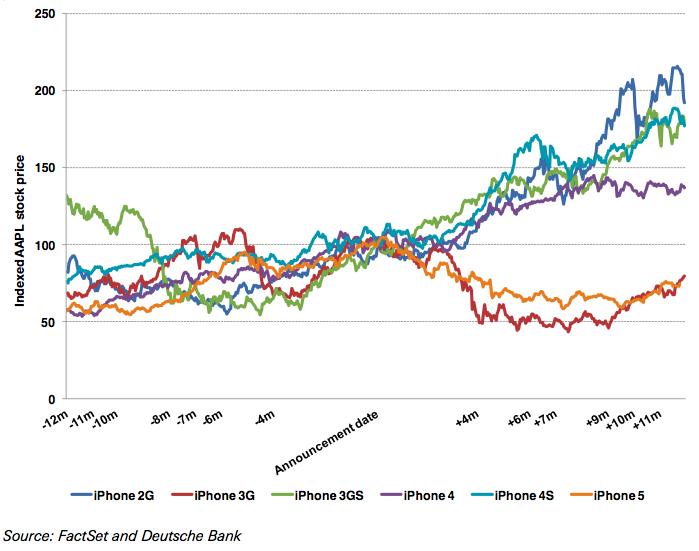
A chart posted by Fortune showing what happened to Apple’s stock price for 12 months before and after each new iPhone launch shows that it rose after four of the six launches.
Conventional wisdom says that Apple traders buy the rumor and sell the news, but the series of stock charts Deutsche Bank’s Chris Whitmore shared with clients Monday suggest the opposite.
The brief piece explains the exceptions by observing that the 3G launched just before a major recession and the iPhone 5 when the stock was already at an all-time high, but we wouldn’t suggest investing any money on the basis of those six squiggly lines …
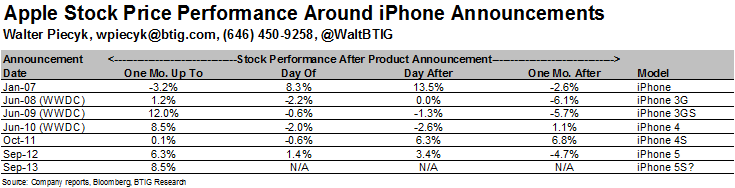
Update: BTIG’s Waltyer Piecyk has posted some more short-term historical data, suggesting that the separation of iPhone announcements from WWDC ended the ‘sell on the news’ phenomenon:
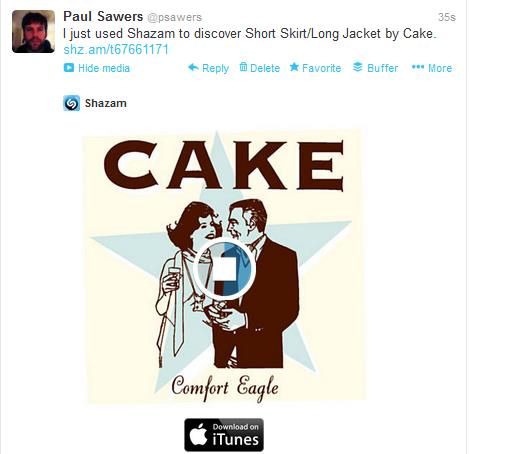
The latest version of music tagging and discovery app Shazam now offers instant previews when you tweet a track and offers faster song recognition on the iPhone 4 and 3GS.
○ Much faster recognition, especially on the iPhone 4 and 3GS.
○ Better recognition in difficult environments.
○ Now when you tweet, your followers can play previews right in Twitter through our Twitter Card.
○ Explore charts are more dynamic, showing you what’s hot in the last seven days.
○ New TV experiences (US only).
The update also mentions ‘new TV experiences,’ but Shazam hasn’t yet revealed any details. Shazam’s previous update added multi-track purchases. The free app is available for download on iTunes.
Yesterday, we reported that Apple is gearing up to launch its iPhone trade-in program in September. The program will allow an iPhone user to exchange an older iPhone model for a new iPhone at a discounted price. Today, we’ve learned several new details about the program, including how it works, the official name, and information about the launch.
The trade-in program will be marketed as the “iPhone Reuse and Recycle Program.” It will begin rolling out in select Apple Stores this upcoming Friday, August 30th. Like we previously reported, a larger-scale rollout will occur during the month of September.
The program is applicable to both standard customers and business customers that want to purchase a new iPhone.