The cost of Apple products varies significantly between countries. As we saw back in May, the cost of an iPhone 6, for example, ranges from an average of $598 in the USA to a staggering $931 in Brazil. But whenever Apple pricing is discussed in Britain, there’s a myth that tends to be repeated: that the company charges a lot more for its products in the UK than in the US.
It’s not difficult to see how people get this impression. Go to apple.com and check the prices of a few products, then compare them to the pricing on apple.com/uk. Here are a couple of illustrative comparisons from the two websites:
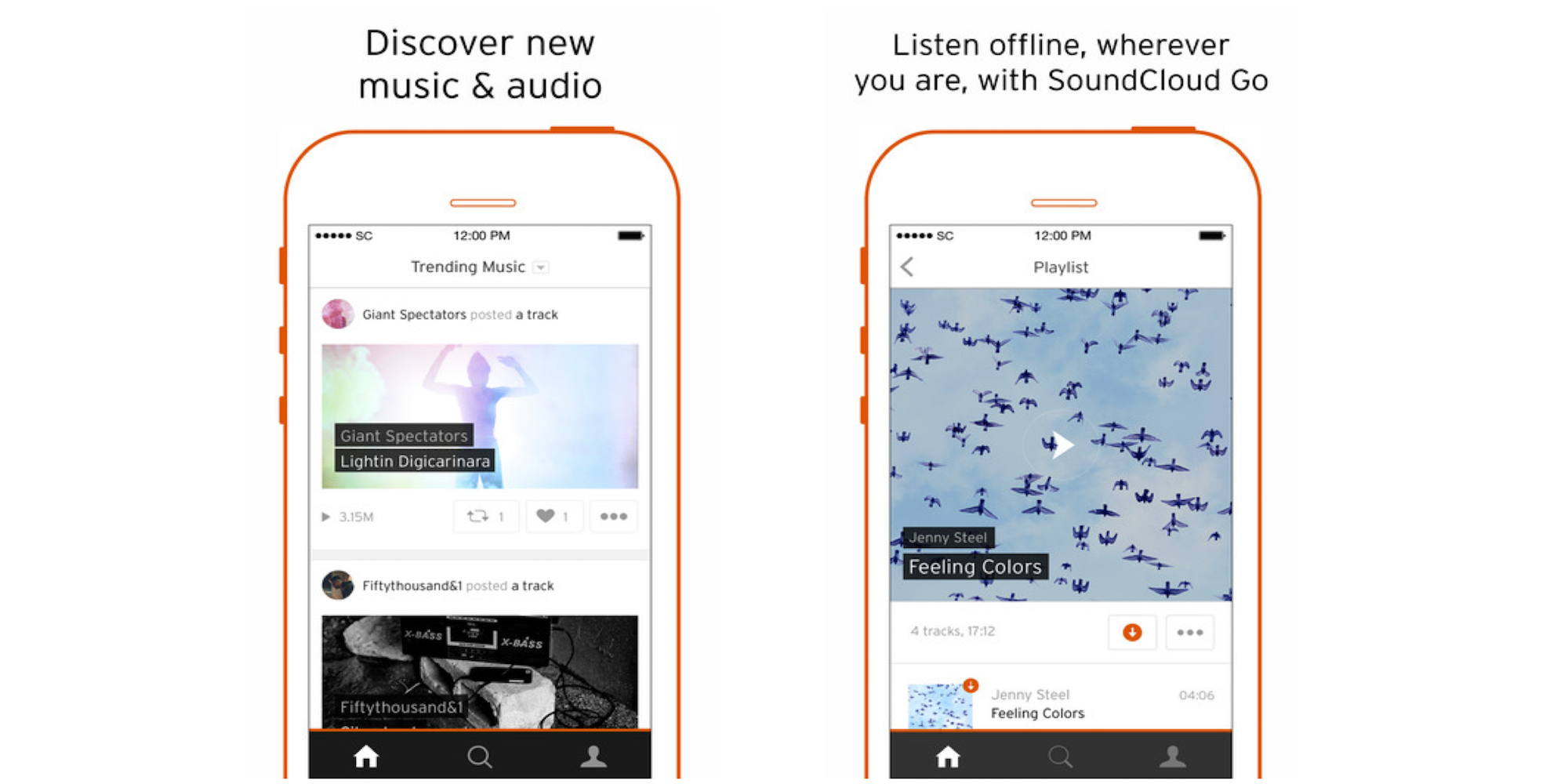
Big changes are coming to the community-based music streaming service SoundCloud as the company today introduces a new subscription service for the first time.
The new feature, dubbed SoundCloud Go, will allow users to listen to SoundCloud music both offline and ad-free for $10/month:
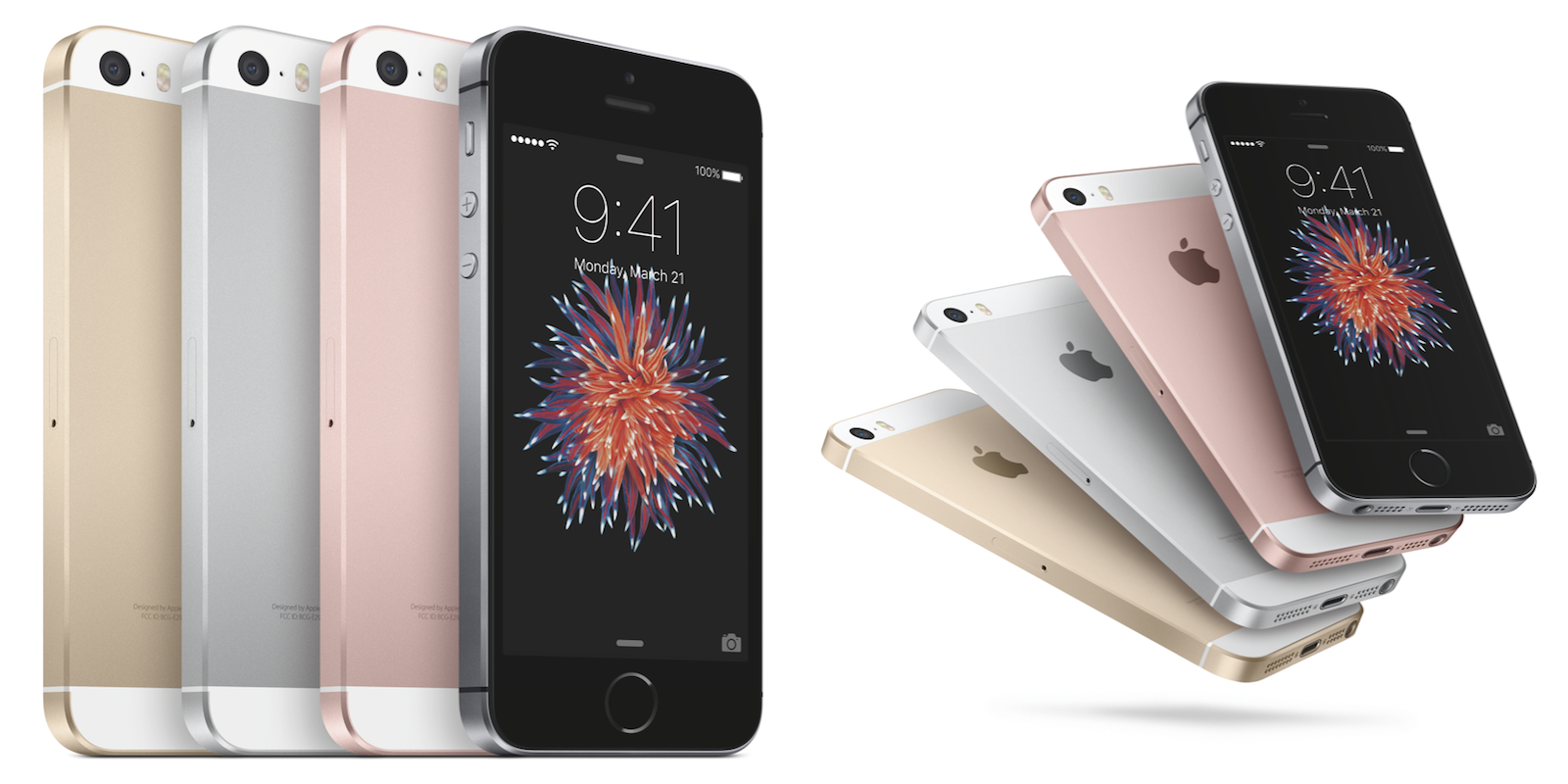
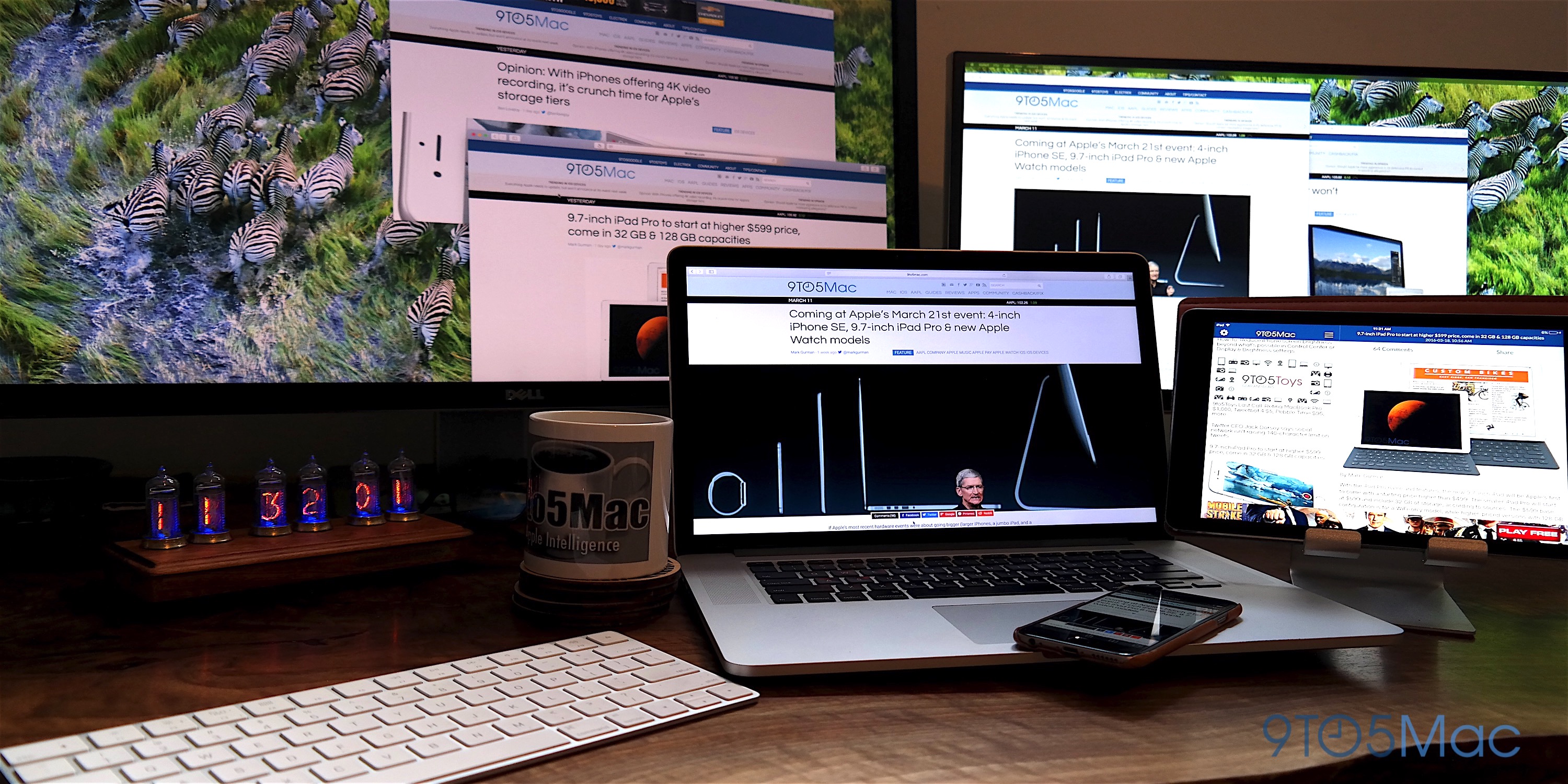
With Apple’s iPhone SE press event scheduled for this upcoming Monday, March 21st, it’s no surprise that our reports surrounding what to expect at the event make up most of our top stories this week.
Since first launching its new Apple Music subscription streaming service for users last June, and bringing it to China in September, Apple has been slowly bringing it to more countries behind the scenes. Today, Turkey is the latest to get access as the service quietly launches for users in the country.
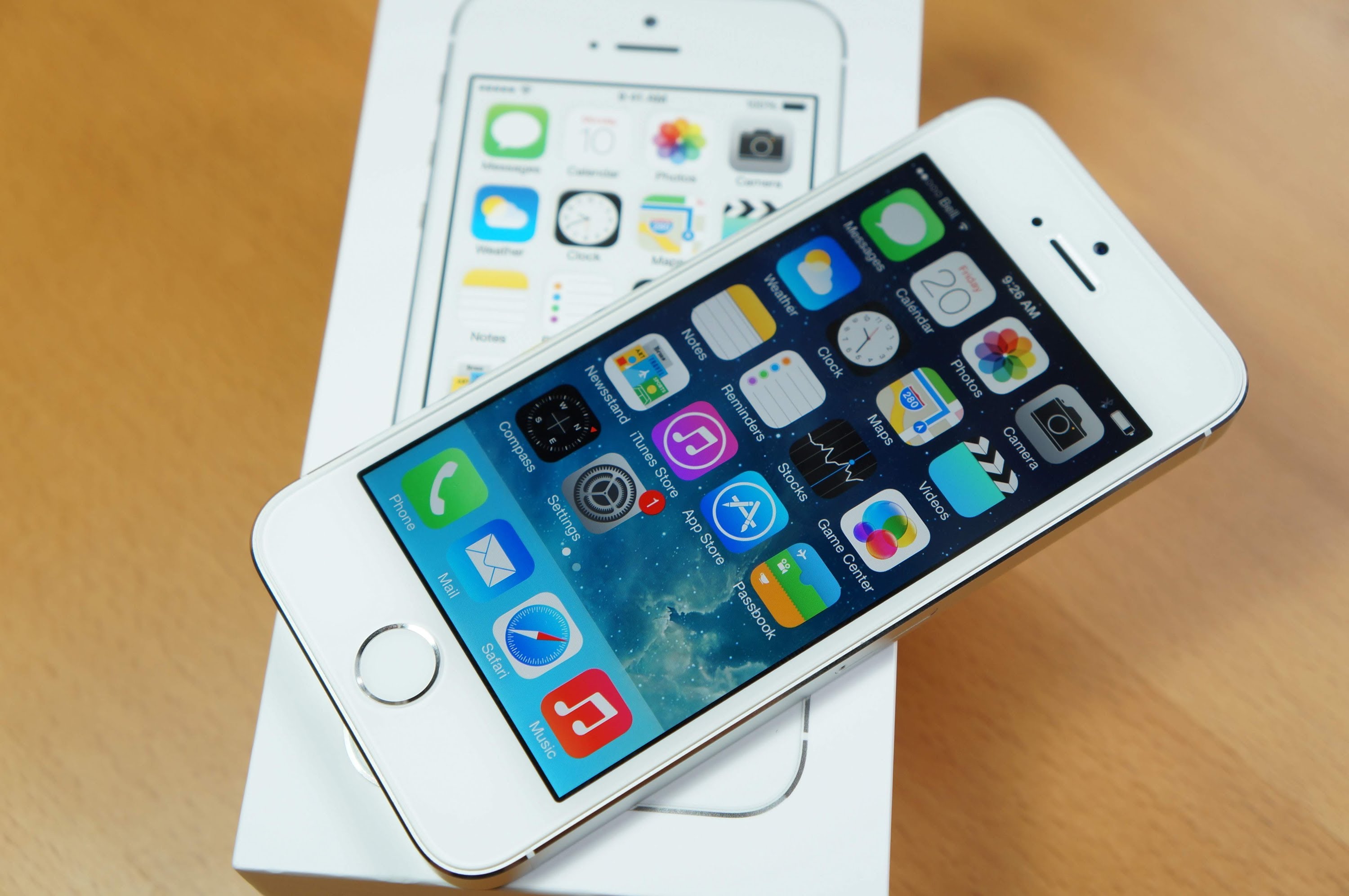
With Apple’s much rumored upcoming iPhone 5se on the horizon— an upgraded version of the iPhone 5S that retains the 4-inch display size for diehard fans of the model— we want to find out if you plan on upgrading when the new device launches. That’s the question we ask in today’s poll, in addition to what device you’re upgrading from (or downgrading, depending on how you look at it). Expand Expanding Close
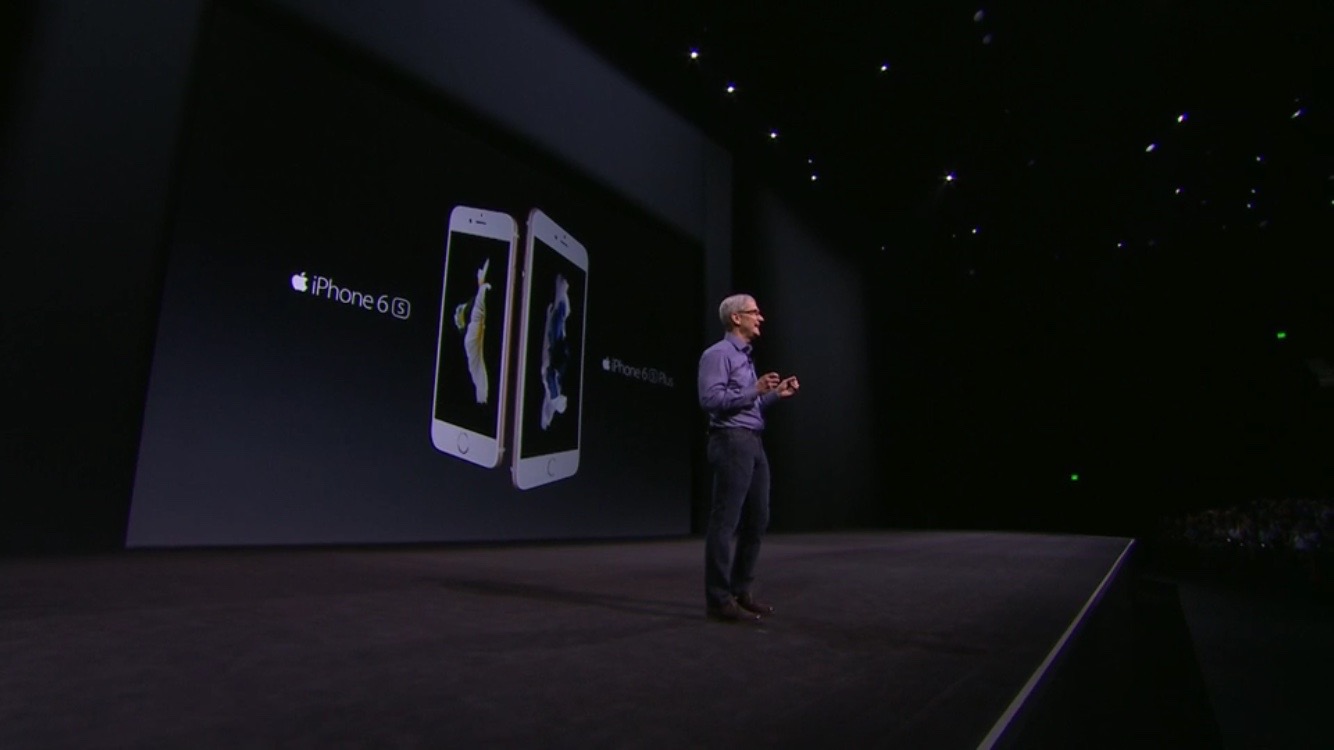
Apple just wrapped up its press event today where it officially unveiled the much anticipated next-generation iPhone 6s lineup, a new 12.9-inch iPad Pro and iPad mini 4, and an all-new, revamped Apple TV experience. It also gave us some updates on Apple Watch with new bands and partnerships with designers, as well as confirmation on release dates for iOS 9, OS X, and iCloud pricing updates.
Head below for handy links to everything Apple announced today: Expand Expanding Close
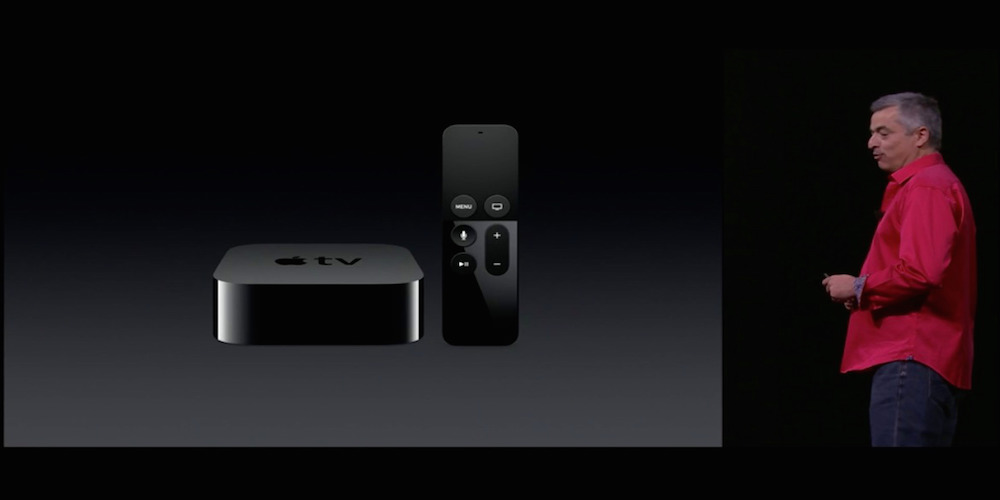
Apple today officially announced its long anticipated revamped Apple TV set top box, marking one of the biggest jumps forward for a product category the company previously classified as a hobby project. Prior to today’s event we reported extensively on Apple’s development of the new Apple TV and the features it planned for the device and developers.
While proclaiming that “The future of TV is apps,” Tim Cook and team highlighted the key areas of the updated hardware and software: new powerful hardware, a modern OS, an all-new user experience, developer tools, and an App Store.
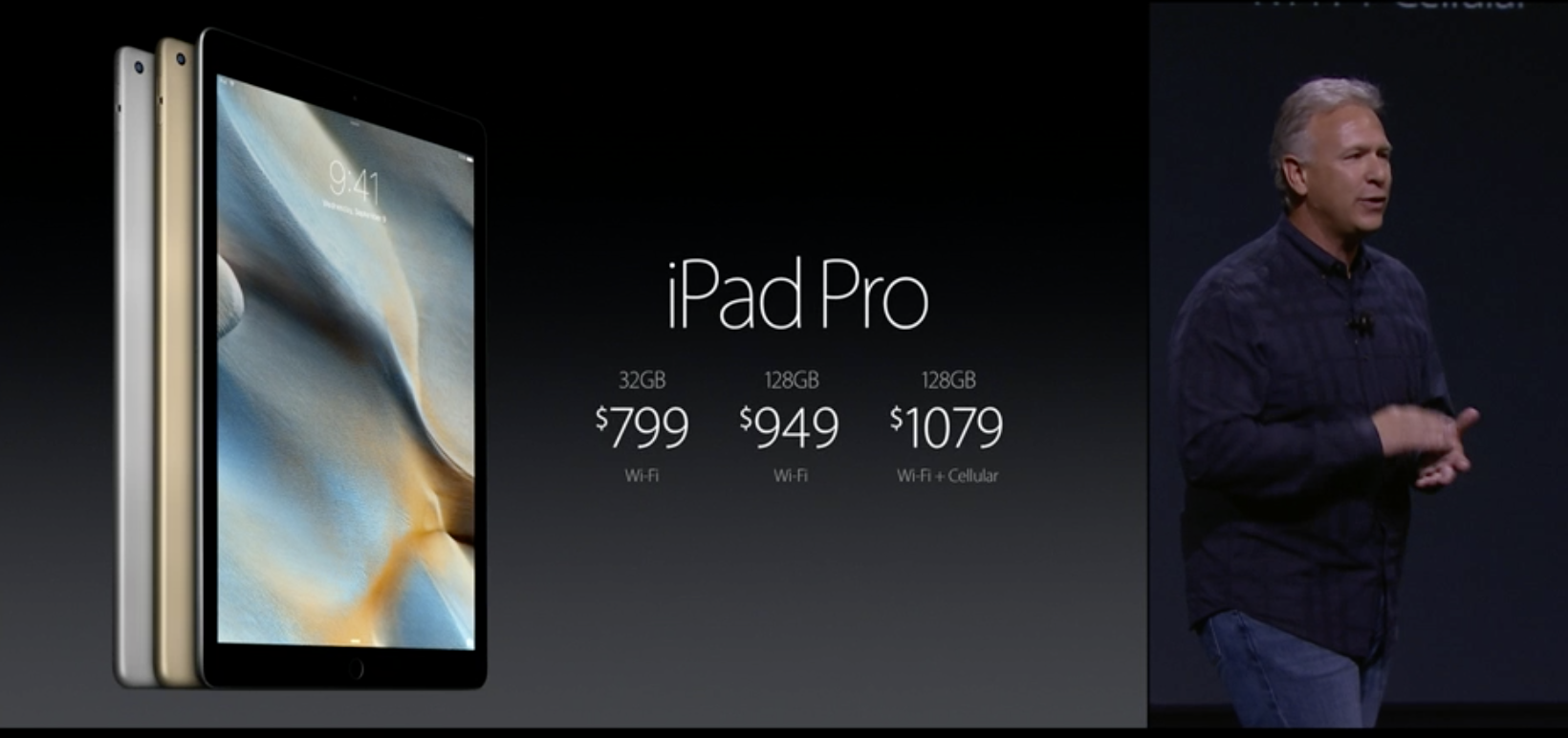
Apple’s monster iPad Pro is coming, but exactly how much will it cost you? It ranges from $799 to $1079 and will be available in November. Details below: Expand Expanding Close
While Apple will unveil a pair of next-generation iPhones at its September 9th event, the iPhone 6S and iPhone 6S Plus, don’t expect a new 4-inch “iPhone 6c” to show up on stage. Sources say that while Apple has been working on a new 4-inch iPhone with the capabilities of last year’s iPhone 6, the device is not yet ready to ship. Interestingly, Apple has also internally prototyped a new, smaller iPhone with a 3.5-inch display, the same size of the iPhone’s screen from the first model in 2007 to the iPhone 4S in 2011, but it does not appear that the company plans to move forward with actually releasing such a device.
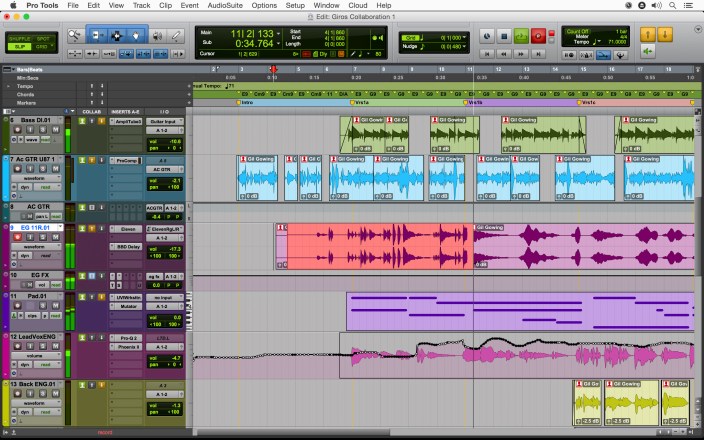
Highlights for Pro Tools 12 include a new “Avid Cloud Collaboration” feature that lets users collaborate in real-time from different locations using built-in chat and other collaboration features, and a new “Avid Marketplace” for finding talent and accessing apps, plug-ins and third-party content.
For the first time, Avid is making Pro Tools, with version 12, available through license subscriptions starting at $29.99/month. An annual update is available for $199 (the one-time price of Apple’s competitive Logic Pro X), while the annual subscription plan will go for $299. Lastly, Avid has perpetual licenses starting at $899.
Apple’s “Spring Forward” event is scheduled for Monday, March 9th and we’re already getting prepared to bring you live coverage and last minute leaks leading up to the event. What can you expect at the event? Below we’ve put together our list of likely announcements including some unannounced Apple Watch features and possible surprises…
Analyst Gene Muster, from Piper Jaffray, has today posted a report with his predictions about Apple Watch pricing. Munster believes that Apple will improve overall margins through the sale of bands. This makes a lot of sense, especially considering Apple Retail SVP Angela Ahrendts is calling out ‘accessories’ as a key area for retail in the coming months.
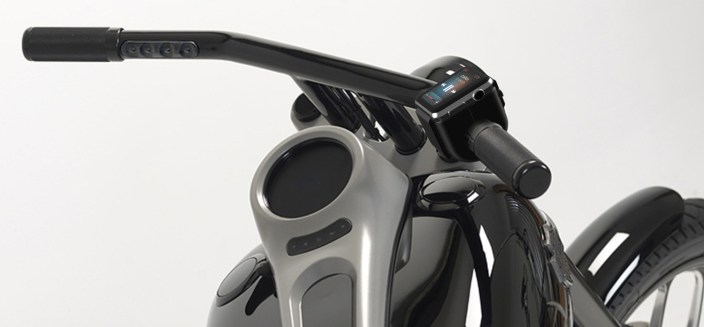
An upcoming product called CyClip will act as a bicycle handlebar mount for the Apple Watch. Currently in development by a company called Var out of Michigan, the team plans to launch the product shortly after Apple launches the Apple Watch in April. Expand Expanding Close
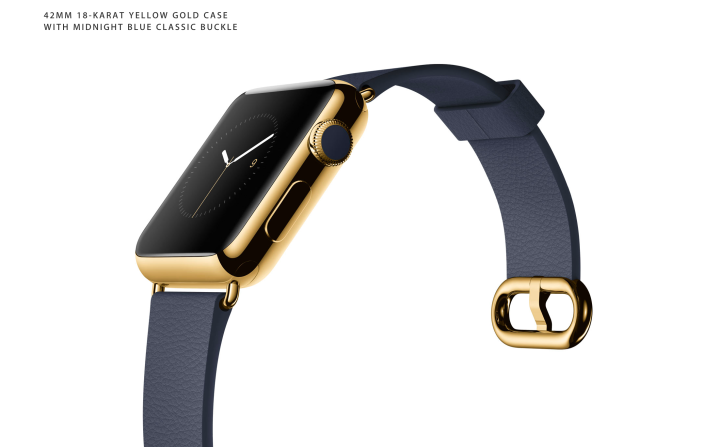
Can you guess the price of the gold Apple Watch? There has been a lot of speculation about how much the 42mm and 38mm versions of the 18-karat AppleWatch Edition will cost, but we wanted to poll the 9to5Mac community to see where everyone stands. Put your guess in the comments, vote using the polls below, and we’ll check back in April to point fingers, etc.
We do have some clues about how much it might cost: We reported recently that Apple Stores are being prepped with jewelry store-style touches for the Apple Watch launch, including safes that will store the expensive 18-karat gold Watch Edition models. That could be a hint that we’re looking at a product pricier than anything Apple currently has in stock at its stores. Expand Expanding Close
French website iGen.fr, which has provided reliable information in the past, reported on Tuesday that the steel Apple Watch will start at $500 alongside a gold model that will retail for between $4,000 and $5,000. Apple previously claimed at its September event that the Apple Watch would start at $349, but did not disclose further pricing information.
The report claims that the stainless steel Apple Watch in polished steel or black will cost $500, while the gold Apple Watch Edition will be the more expensive version at between $4,000 and $5,000. That price range would be nearly half the estimated $10,000 price that some other reports have suggested.
The new pricing starts with the same free 5GB for all users and introduces a new 20GB for $1/month tier as well as a 200GB for $4/month tier. Currently Apple offers 5GB for free and charges $20.00 for an extra 10GB, $40 for an extra 20GB, or $100 for 50GB per month.
Apple didn’t say exactly when it would be flipping the switch on the new prices, but it did confirm that tiers up to 1TB will be available under its new pricing scheme.
Up from the previous free 7-day trial offered by the service, Beats Music now offers a “no strings attached trial” for 14 days to all users. Most notable in the update, however, is the fact that the service is slashing pricing from $119.88 a year to $99.99/year:
We’ve dropped price of our yearly subscription to $99.99, down from $119.88.
The service will continue to charge $9.99/month for users not purchasing a yearly subscription. The Beats Music website FAQ has been updated to reflect the new pricing and also continues to list $15/month family plans and extended free trials offered to AT&T customers.
Apple also confirmed today that it will continue to operate Beats Music as a separate service including Android and Windows phone apps.
Version 2.1.0 also includes “tons of bug fixes so the whole experience runs smooth as silk.”
What’s New in Version 2.1.0
● We’re stoked to announce that our no strings attached trial has been extended to 14 days to ensure everyone gets ample time to explore the full Beats Music experience.
● We’ve dropped price of our yearly subscription to $99.99, down from $119.88.
● To top it off, we pushed tons of bug fixes so the whole experience runs smooth as silk.
The Wall Street Journal reports that Taiwan’s Fair Trade Commission has fined Apple approximately US$670,000 for its attempts to influence phone pricing set by distributors and service providers in the region. According to a statement from the commission, Apple was forcing at least three carriers to submit pricing plans for iPhone ahead of offering the devices for sale:
“Through the email correspondence between Apple and these three telecom companies we discovered the companies submit their pricing plans to Apple to be approved or confirmed before the products hit the market,” it said in a statement.
The report adds that Apple could face an additional fine of NT$50 million (around $1.7 million US) if it doesn’t change its current methods of negotiating iPhone pricing plans with carriers: Expand Expanding Close
T-Mobile has announced that they will no longer require a down payment on certain iPhone models during the holiday season. Specifically, customers will no longer have to pay anything when purchasing a 16 GB iPhone 5s or 5c. Several iPad models—the 16 GB Air, mini, and Retina mini—are also available for no money down, though that seems to be their regular price. Monthly payments on these devices ranges from $17-$26.
This deal is available both in physical T-Mobile stores and through the carrier’s online store starting on December 11th. This special price is only available for a limited time, though the carrier hasn’t given an official ending date. The full press release is below:
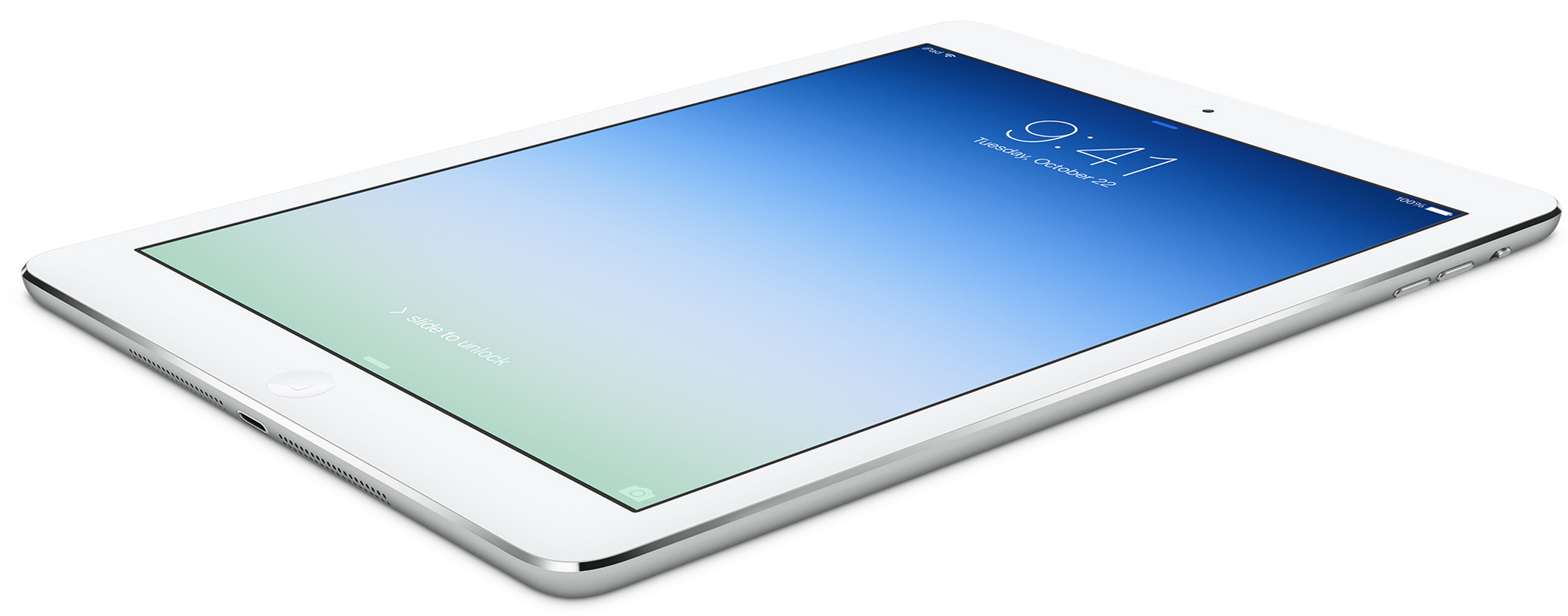
As it has been known to do for recent Apple product launches, Walmart announced last week that it would be offering a $20 discount on Apple’s new entry-level 16GB iPad Air starting as soon as the device launches tomorrow on November 1. Now, on launch day of the device in the US, we’ve confirmed that both Apple and Best Buy will be price matching the $479 deal in at least its retail stores. Staples has also decided to join in the day-one iPad Air discount and is currently listing the $479 price point on its website. Expand Expanding Close
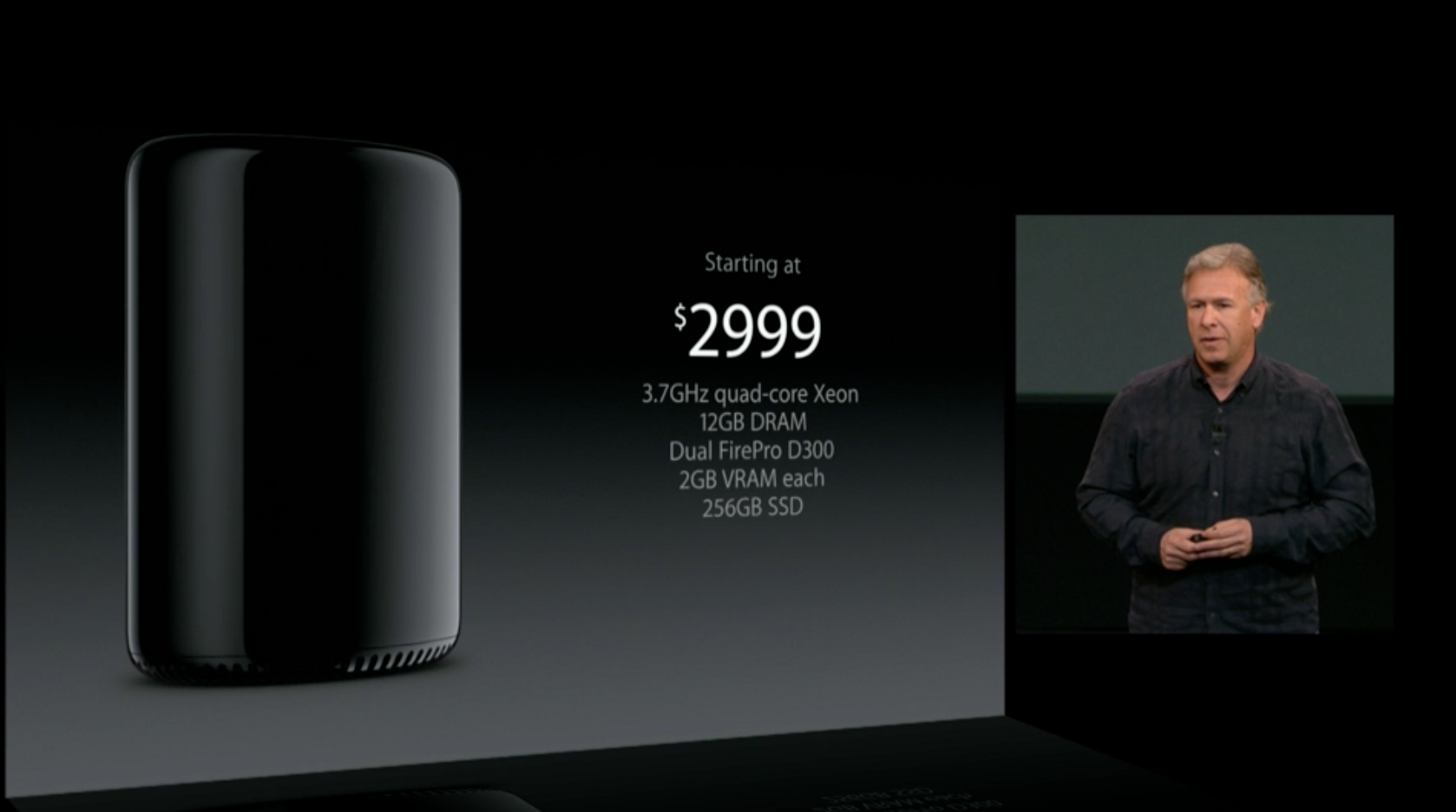
After first unveiling the completely redesigned Mac Pro at WWDC earlier this year, Apple today gave the new machine a bit of stage time at its iPad event to announce pricing and availability details. The base model of the new Mac Pro (pictured above) will start at $2999 and ship by the end of the year.
While Apple will presumably have several configurations and built to order options available for the next-gen Mac Pro– including Quad 6, 8, or 12-core designs– it only announced base pricing for the configuration above. That model includes a 3.7GHz quad-core Xeon processor, 12GB of DRAM, Dual FirePro D300 graphics, 2GB VRAM each, and a 256GB 22D.
Apple is also listing a $3999 configuration on its online store that comes with a 6-core 3.5GHz Intel Xeon E5 processor, 16GB DDR3 ECC memory (configurable up to 32GB), and Dual AMD FirePro D500 with 3GB GDDR5 VRAM each.
Apple also mentioned on stage that it has new versions of Final Cut Pro and Aperture that support 4k and other features of the new Mac Pro while presenting first impressions from professionals that have been using the new machine.
The new Mac Pro features an all-new cylinder design that is 1/8th the volume of previous generation Mac Pros and also packs in some impressive specs that Apple’s Phil Schiller walked through today on stage (gallery below). The new machine includes the latest Xeon processors in Quad 6, 8, or 12-core configurations, dual station FirePro GPUs with up to 12GB of GDDR5 VRAM, 4K video support, PCIe-based flash, ECC memory, and six Thunderbolt 2 ports.
Other specs include HDMI, Bluetooth 4.0, 802.11ac WiFi, up to 1TB of flash storage, and a motion sensor that lights up I/O when picking up the Mac Pro.
Apple also noted today that it aimed to have the new Mac Pro as quite as the current Mac Mini and was able to achieve that goal.
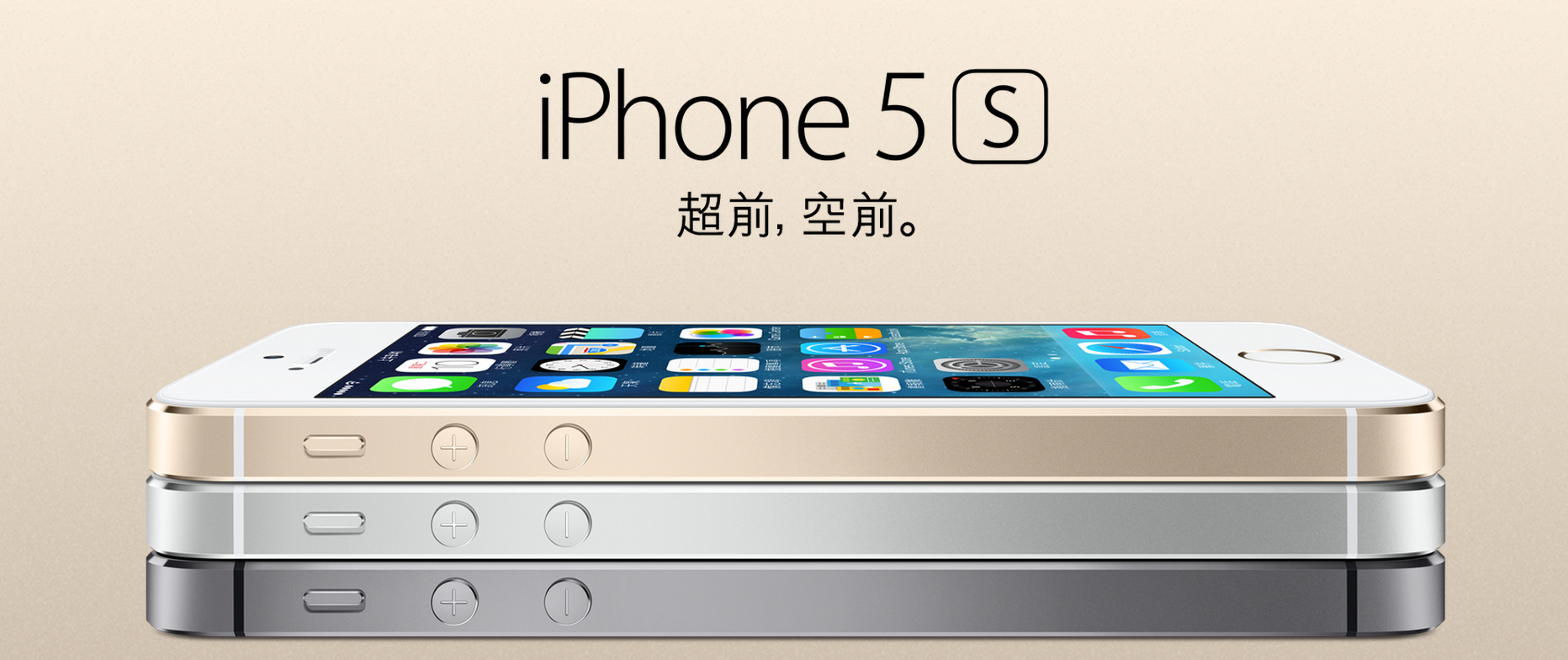
As we were expecting, Apple just officially announced its new iPhone 5S live on stage during its event taking place now on the company’s Cupertino campus. The new iPhone 5S largely retains the same glass and aluminum design as Apple’s previous generation iPhone, but it does include upgraded internals, and a new gold color option and fingerprint sensor that we previously reported. The new iPhone 5S comes alongside the announcement of Apple’s much rumored lower-cost, plastic iPhone 5C unveiled during the event earlier today.
The iPhone 5s includes a new A7 chip, which Apple notes is the first 64-bit chip in a smartphone, something we reported previously that the company was testing. Apple says the new chip includes 2x general-purpose registers, 2x floating-point registers, and includes over 1 billion transistors on a 102mm2 die size. A7 makes the iPhone 5s over twice as fast in terms of speed, according to Apple, and also provides a 40x increase in CPU performance and 56X faster graphics. The new iPhone 5s hardware will also support Open GL/ES 3.0 and will still support 32 bit apps.
Apple is also including a fingerprint sensor in the new iPhone 5s for a new security feature dubbed “Touch ID.” Embedded into the home button, the Touch ID capacitive sensor is 170 microns thin and will not only allow users to unlock their device, but also authenticate iTunes purchases. Apple says that all fingerprints will be encrypted, stored securely and never uploaded to iCloud or its own servers. It also noted the fingerprint sensor will be able to support multiple fingerprints with the same device
The new iPhone 5s also include a new motion co-processor called the “M7” that Apple says works alongside the A7. It’s able to measure motion data continuously, as well as measure gyroscope, compass, and accelerometer data.
M7 knows when you’re walking, running, or even driving. For example, Maps switches from driving to walking turn-by-turn navigation if, say, you park and continue on foot. Since M7 can tell when you’re in a moving vehicle, iPhone 5s won’t ask you to join Wi-Fi networks you pass by. And if your phone hasn’t moved for a while, like when you’re asleep, M7 reduces network pinging to spare your battery.
The new chip will work with new CoreMotion APIs in iOS 7 that will allow developers to identify user movement. The first to take advantage of the technology is Nike with a new app called “Nike+ Move”.
Battery life: Apple says the new iPhone 5S will get 10 hours of 3G talk time, 8 hours of 3G browsing,a nd 10 hours of LTE and WiFi browsing. You’ll also get around 250 hours standby and 10 hours of video, according to Apple.
The iPhone 5s packs in a new camera system with a dual LED true tone flash, a new five-element lens designed by Apple, a F2.2 aperture, a sensor with a 15 percent larger active area, auto stabilization, and bigger 1.5 micron pixels. The camera also includes a new burst mode that will continuously take photos a rate of 10fps, and the 120fps slow mo mode that we reported about back in July. Head below for iPhone 5s pricing and availability: Expand Expanding Close
Manage push notifications
We would like to show you notifications for the latest news and updates.
Please wait...processing
We would like to show you notifications for the latest news and updates.









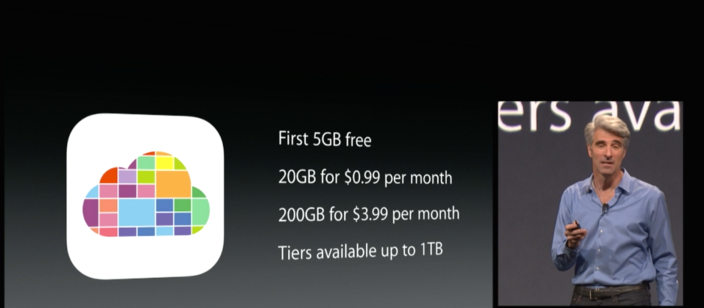 Apple just announced new iCloud pricing coming soon to compliment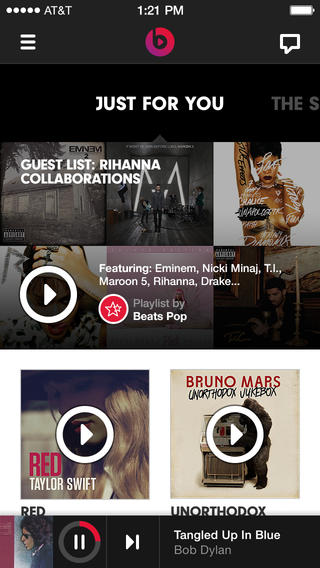

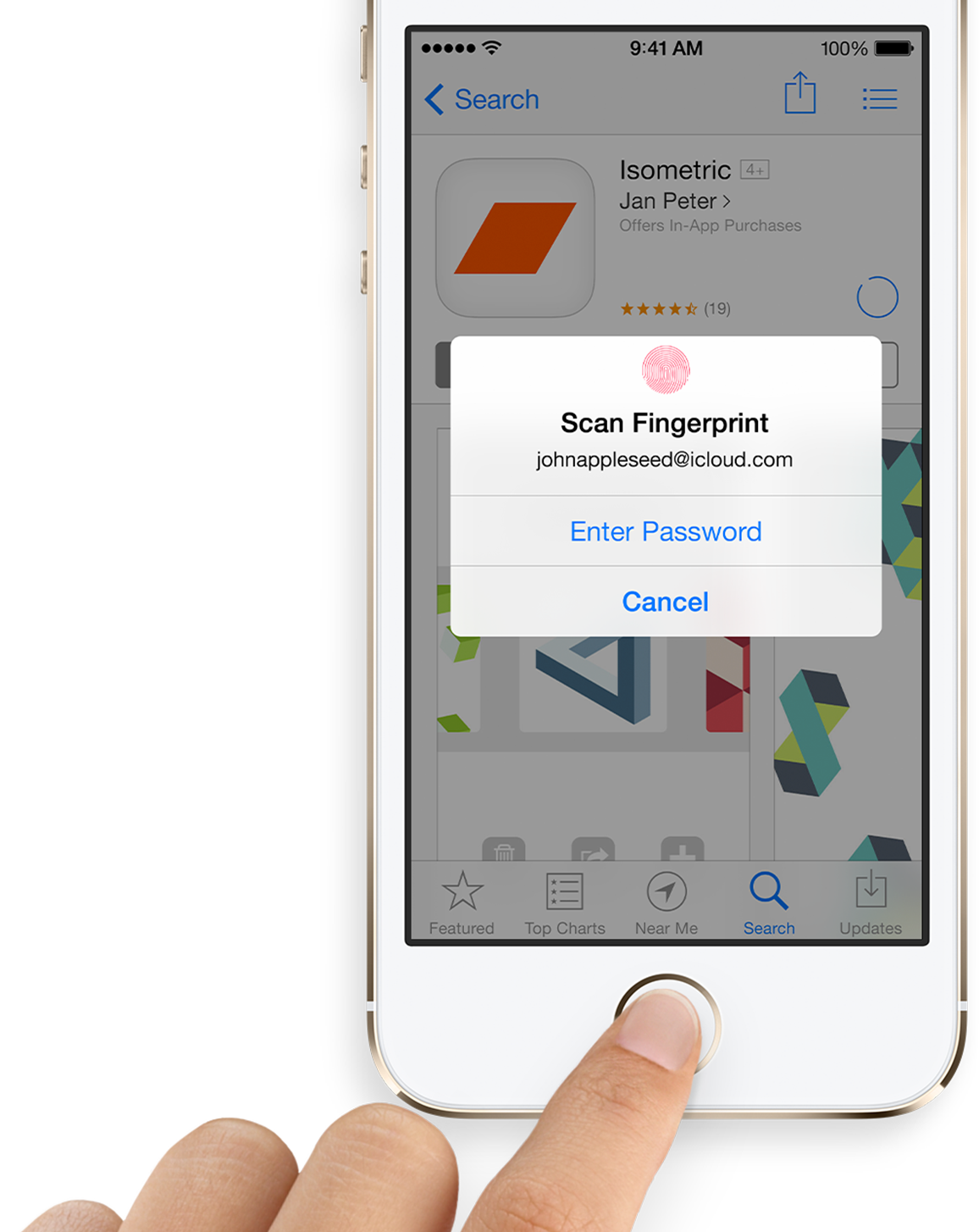 Apple is also including a fingerprint sensor in the new iPhone 5s for a new security feature dubbed “Touch ID.” Embedded into the home button, the Touch ID capacitive sensor is 170 microns thin and will not only allow users to unlock their device, but also authenticate iTunes purchases. Apple says that all fingerprints will be encrypted, stored securely and never uploaded to iCloud or its own servers. It also noted the fingerprint sensor will be able to support multiple fingerprints with the same device
