9to5Toys Last Call: Retina MacBook Pro (2013) $200 off, Air-Fi wireless over-ears $40, 4-port charger $10, more

Be sure to follow 9to5Toys to keep up with the best gear and deals on the web: Twitter, RSS Feed, Facebook, Google+ and Safari push notifications.
Today’s can’t miss deals:
Apple Deals:
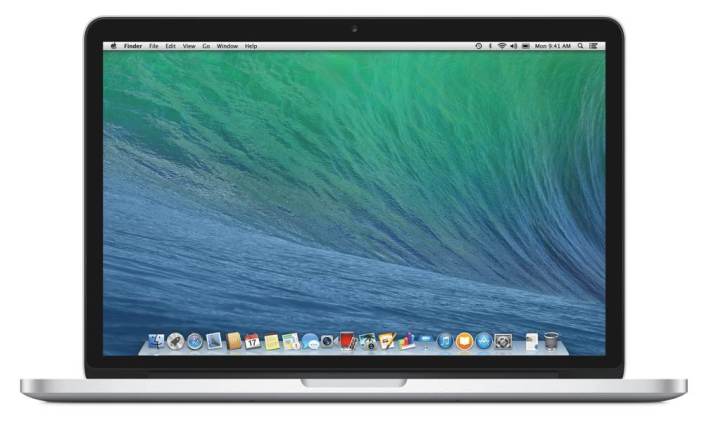
- Apple MacBook Pro w/ Retina (late 2013) up to $200 off: 15-inch $2,000, 13-inch $1,360 in-store pickup, or less with .edu
- Best Buy MacBook sale: Pro w/ Retina: $1,800 or less (Reg. $2,000)
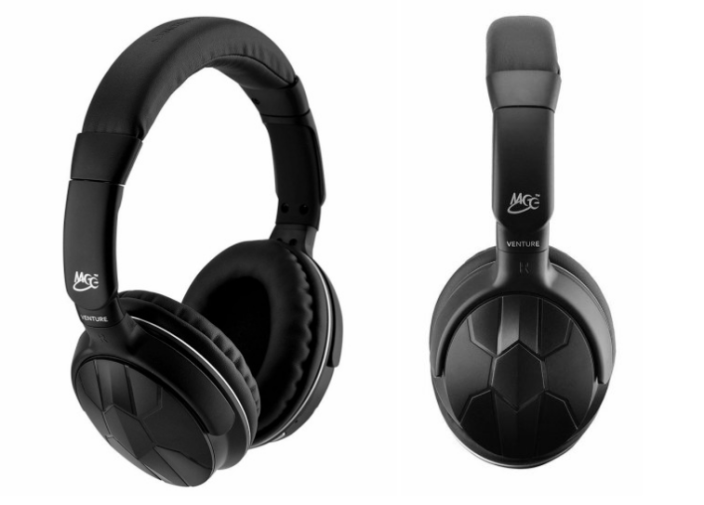
MEElectronics Air-Fi AF52 wireless over-ear headphones $40 shipped (orig. $120), more
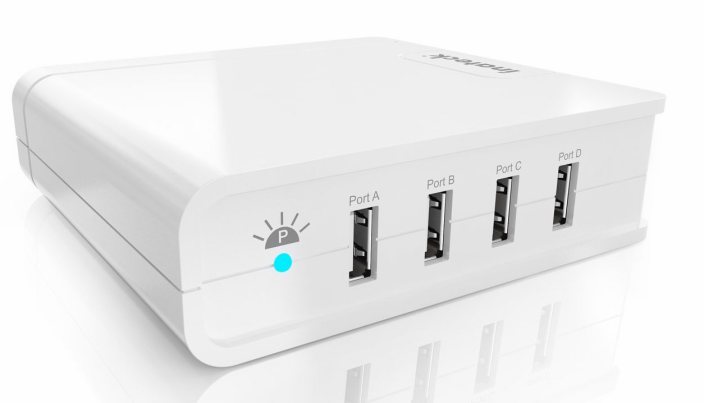
USB Charging: 4-port wall charger $10, Lumsing 4000mAh powerbank $18, Poweradd charger w/flashlight $19, much more

- hhgregg Black Friday Ad: Apple iPad Air $299, Beats by Dre Solo 2 $150, discounted HDTVs
- Staples Black Friday Ad: save 20% on iPad Air & Retina mini, printers, streaming devices, more
- Walmart’s Black Friday ad revealed: iPad mini w/ $30 GC $199, Xbox One/PS4 deals, $4 Blu-rays, much more
- Target Black Friday preview: iPad Air 2 w/$140 GC $499, iPad mini w/$80 GC $249, more
- Best Buy’s 2014 Black Friday ad is out! Includes: Samsung 55″ 4K $900, iPad Air 2 $100 off, Beats Solo $80, much more

Small States – DODOcase uses old world craftsmanship to protect your modern devices, giveaways & 20% off promo code
Other new deals:
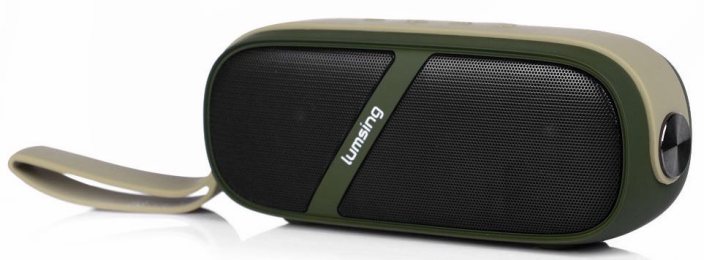
- New! Lumsing stereo BT/NFC portable speaker: $28 Prime shipped (Reg. $80)
- New! Samsung Slim Portable Blu-ray/DVD Writer: $64 shipped (Reg. $90)
- New! Spigen Armor iPhone 6 Case $14 Prime shipped (Reg. $30), more
- New! Daily Deals: Garmin GPS units $100, surge protectors w/ USB $13, more
- New! CowBoom: up to 10% off pre-owned and open-box items
- New! Games/Apps: PlayStation TV $80, Star Walk HD $1, iOS freebies, more
- New! Toys R Us Black Friday ad leak: PS4 bundles, BOGO 40% off games, more
- New! Home: Shop-Vac & Blower $89, Cuisinart Coffeemaker (refurb) $50, more
- New! SanDisk launches MFi ‘iXpand’ USB flash drive w/ Lightning connector
- New! Fashion: REI sale up to 30% off Patagonia, The North Face, Columbia, more
- New! $80 worth of Android apps for free: Fleksy, Shuttle+, more
More deals still alive:
- eBay $10 off $50 purchases: 20% off PSN, Xbox, Steam gift cards, more
- Samsung 840 Pro 512GB 2.5-inch SSD $243 shipped (orig. $500)
- Dell 23″ 1080p LED monitor $150 shipped (orig. $250), more
- Monster clarityHD micro Bluetooth speaker (refurb) $30 shipped (Reg. $40+)
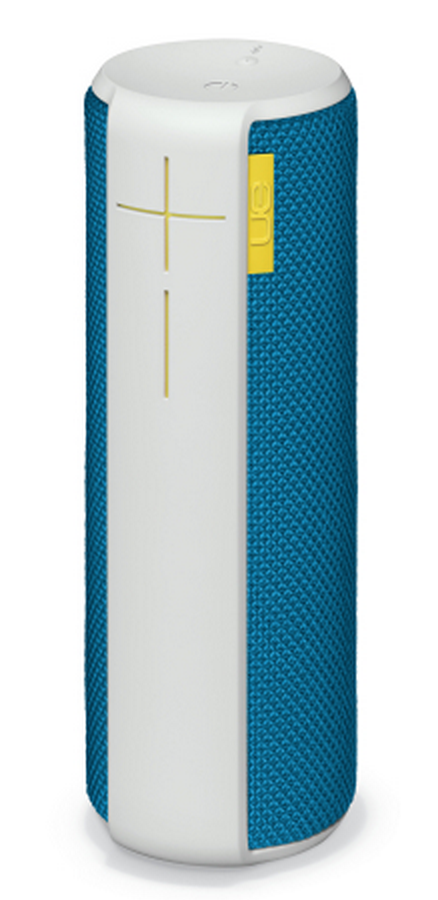
- Bluetooth speakers: Logitech UE BOOM $130, Jawbone Mini Jambox $69, more
- Free music from Google Play: Hunter Hayes, Skrillex, Tiësto, Avicii and more
- HDTVs: Samsung 55″ 4K UHDTV $1,398, 51″ 1080p HDTV $550
- Old Navy/Gap/Banana Republic: Up to 40+% off everything w/ free 2 day shipping
- GoPro HERO3 Black Edition cam (man refurb) $255 (orig. $399)
- Newegg 10% off w/ .edu email address: Bose SoundLink Color, more
- Smaller, more efficient Raspberry Pi A+ comes in at just $20 ($15 less)
- Beats Tour 2.0 in-ear headphones $120 shipped (Reg. $150), more
- Garmin nüvi 5″ BT GPS w/ lifetime maps/traffic: $135 shipped (orig. $220)
- Subwoofers: Klipsch 8″ 350W $190, Klipsch Synergy 12″ 300W $200, more
- Verizon FiOS 50/50 Internet + HBO and Showtime + Netflix: $60/month
- Ridge Racer Slipstream for iOS goes free ($2.99 value)
- ASUS 31.5″ monitor adds a IGZO 4K display to your Mac for $1,470 (orig. $3,499)
- Optoma 3D 1080p home projector + free $50 Amazon GC $599 ($650 value)
- 4-pack eneloop 2500mAh Rechargeable AA Batteries w/ Charger: $21 (orig. $35)
- Prime Members: $10 Free Amazon credit w/$45+ purchases
- 1080p ViewSonic Monitors (refurb): 22-inch $95, 27-inch w/ HDMI $185, more
- Woot coupon: $5 off orders of $25 or more (up to 20% savings)
- Verizon FIOS + 2yrs. of premium channels + $400 Visa Gift Card: $79.99/mo
- BACtrack Vio – 14% off the Smartphone Breathalyzer
- World’s Largest iOS 8 + Swift Elearning Bundle
Black Friday:

- Black Friday Ad Roundup: Costco, Macy’s, CVS, Big Lots, more
- OfficeMax/Office Depot Black Friday: 20% off iTunes gift cards, more
- Staples Black Friday preview: Jawbone or Fitbit w/$25 Visa GC,, more
- More Black Friday ad leaks: JCPenney, Kohl’s, Pier 1, Walgreens, more
- Sam’s Club: 60″ VIZIO 4K Smart UHDTV for under $1,000 ahead of Black Friday
- Sports Authority Black Friday: Garmin Vivofit $80, up to 70% off North Face, more
- Meijer Black Friday: $100 credit w/ iPads, Xbox One bundle w/ $50 credit $330, more
- Sears Black Friday leak: Samsung 55″ Smart HDTV $600, Dewalt drill kit $100, more
- Dell Black Friday ad leak: discounts on monitors, Xbox One/PS4, HDTVS, more
- Xbox One holiday price drop now live with prices starting at $349 (or lower)
- Sam’s Club’s Black Friday deal has iPhone 6 for $99 on-contract starting Nov. 15
- Walmart’s Holiday Savings officially kick off tomorrow with more than 20,000 Rollbacks
- Amazon’s countdown to Black Friday kicks off w/ thousands of Lightning Deals
- Target announces free shipping for all items through the holiday shopping season
New products/ongoing promos:

- Belkin WeMo ‘Maker’: smartphone remote and IFTTT functionality
- Satechi’s sleek F3 smart monitor stand: clutter-free environment at work or at home
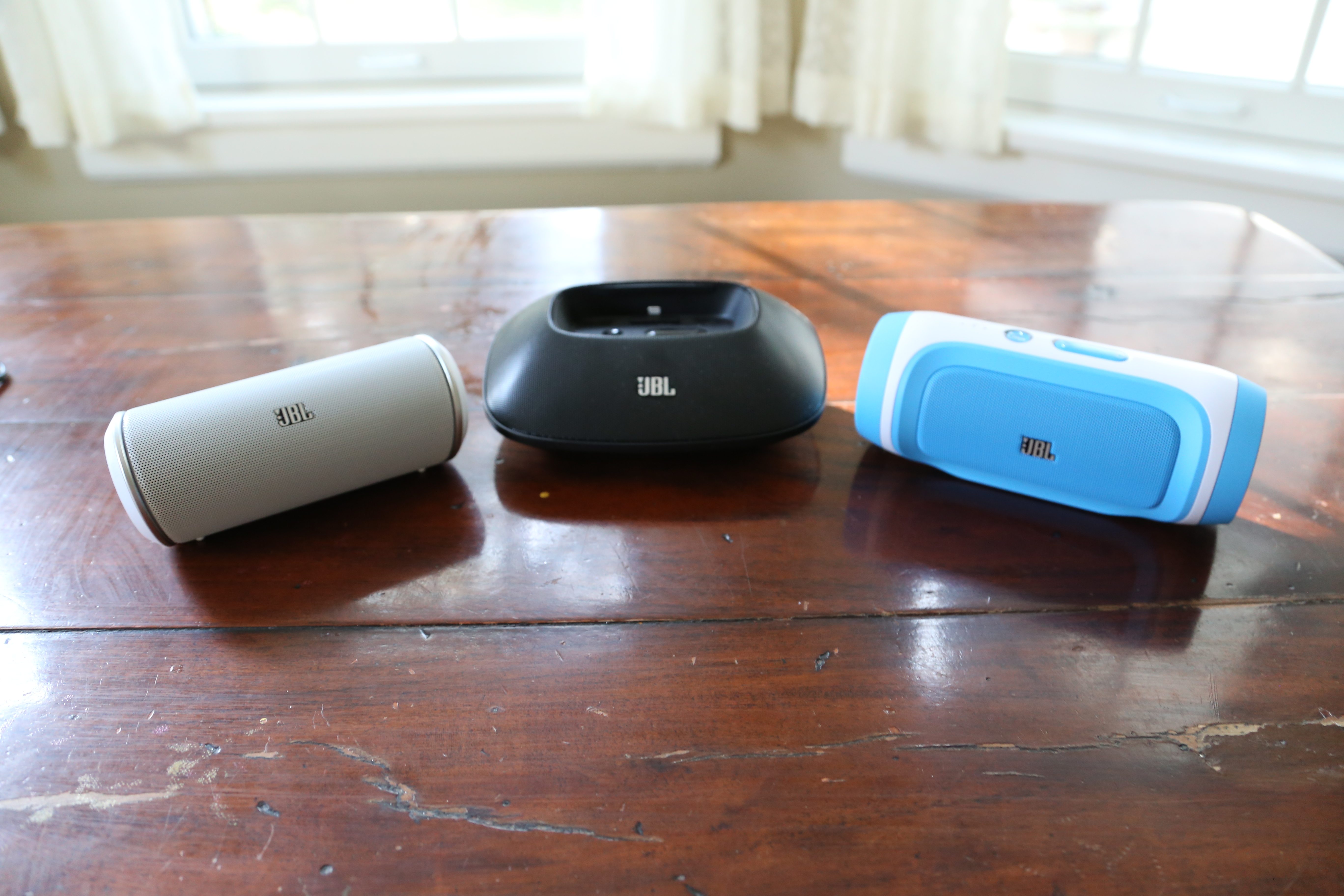
- JBL Horizon: audio streaming w/ ambient light to create the “perfect clock radio”
- Is the new Quirky Norm really the “death of the thermostat”?
- IK Multimedia’s iRig HD-A is the “first digital guitar interface for Android”
- Belkin’s smart coffeemaker with WeMo is now available, save 20% for a limited time
- Joby adds GorillaPod & Locking Arm accessories to its Action Series
- How Scribd’s new audiobook service stacks up against Audible & Kindle Unlimited
- Jaybird enters into wearables with the Reign activity tracker
- Netgear’s Arlo home security camera is waterproof and completely cord free
- Drift’s Stealth 2 is the $249 action camera that films longer than any GoPro
- Epson’s WorkForce WF-100 is the world’s smallest/lightest mobile printer
- ViewSonic projectors are Chromecast ready and fit in the “palm of your hand”
- ChargerLeash Lightning cable makes sure you never forget your iPhone charger again
- Amazon offers free unlimited Cloud Photo storage
- Internet Archive brings 900 classic arcade titles to your web browser for free
- IDrive’s new unlimited plan may be the best mobile backup solution for iOS/Android users
- Mount your iPhone 6 inside your car with Logitech’s new Protection+ case
- Trilogy Dock positions your iPhone 6 vertically or horizontally and boosts its sound
- The thinnest iPhone 6/Plus cases we’ve found so far