
BlackBerry launches ‘Secure Work Space’ feature for iOS & Android enterprise users

http://www.youtube.com/watch?feature=player_embedded&v=c0UEQXUNBto
BlackBerry previously started providing enterprise management tools for iOS and Android devices through its BlackBerry Enterprise Service 10 suite, but today it launched a new ‘Secure Work Space’ feature that will bring even better multi-platform device management and security to companies allowing iOS and Android devices in the workplace. The idea is to separate work apps and the user’s personal data:
Secure Work Space is a new containerization, application-wrapping and secure connectivity option that delivers a higher level of control and security to iOS and Android devices, all managed through the single BlackBerry Enterprise Service 10 administration console… On a personal iOS or Android device, users with Secure Work Space get integrated email (with attachment viewing), calendar and contacts for productivity, as well as secure browser access to intranets and document editing capabilities with BlackBerry’s Documents To Go™. With corporate data separated and controlled within the Secure Work Space container, these standard apps can be deployed with confidence to any user, together with other apps chosen by the company.
BlackBerry noted that it is working with partner Box for the cloud aspect of the new service, while users interested in taking advantage will have to purchase a $99 per year, per device license to access the new Secure Work Space feature through Blackberry Enterprise Service 10. The big benefit, according to BlackBerry, is that users “no longer need to configure and manage expensive VPN infrastructures to provide mobile device access to data and apps that reside behind their corporate firewalls.”
A free trial of the service is available here.

 A
A 
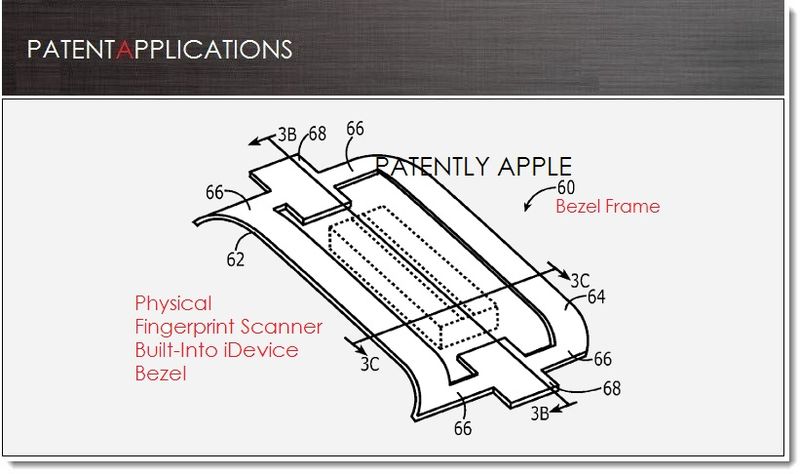
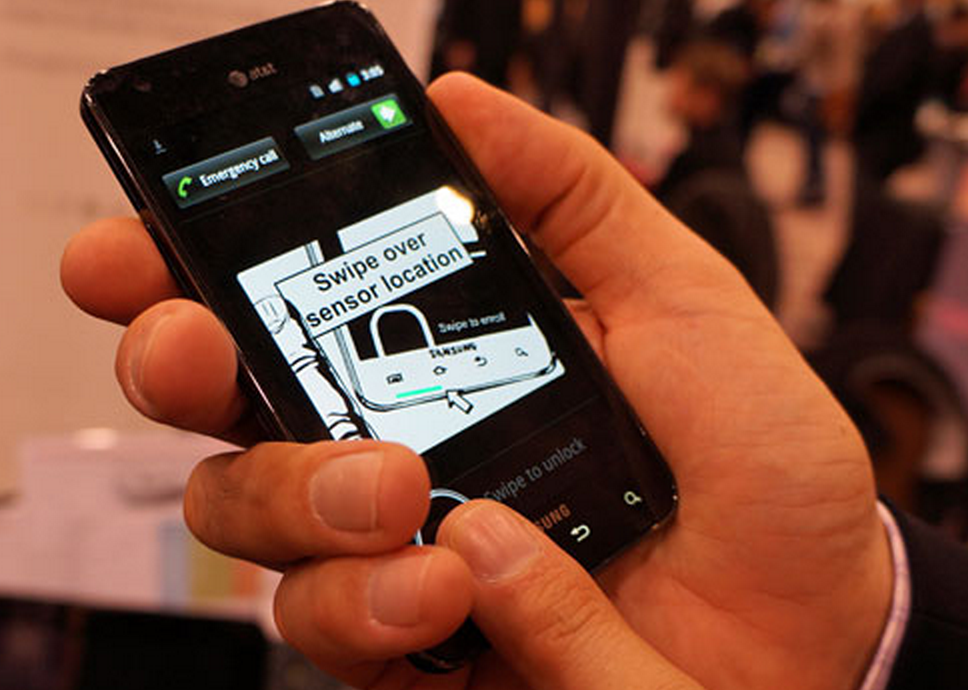 The patent describes a process of embedding a fingerprint sensor into the bezel of a device, which sounds a lot like the finger print sensors Validity was showing off embedded in Android devices at CES this year (pictured right). Apple notes in the patent application that the sensor would be “approximately the width of an average user’s fingertip, but only several pixels tall, typically between 1 and 8 pixels, and possibly as many as 16 pixels tall” when viewed from above.
 You probably haven’t yet heard of Black Pearl: a new startup run by former Apple hardware guru Tim Bucher and a number of former execs from Netflix, YouTube, Intel, Amazon, and others. GigaOM
 The subscription based Rdio music streaming service today


 As part of its ‘Normandy’ project, Feedly has been building its own backend and API for third-party RSS apps and readers that also previously relied on the Google Reader API. It isn’t the only one: Earlier this week Digg
  A huge update today is