Mac

See All Stories

Apple’s Mac lineup consists of MacBook, MacBook Air, MacBook Pro, iMac, Mac Pro, and Mac Mini. The Mac runs macOS for its operating system.
Mac lineup

History

The Mac is Apple’s lineup of computers, and it can be considered the company’s oldest product. The name “Mac” comes from the original Macintosh, which was introduced in 1984 and is also considered the first personal computer for the masses to have a graphical user interface. The first Macintosh hit the stores on January 24, 1984, costing $2,945.

Among all these years, Apple has introduced many different Mac models, ranging from desktops to laptops to professional tower machines. The current lineup consists of the MacBook Air, MacBook Pro, Mac mini, iMac, and Mac Pro. However, there have been other Mac models were discontinued, such as the eMac, MacBook, and iMac Pro.

The history of modern Macs began in 1998, a year after Steve Jobs returned to Apple. Apple had dozens of Macintosh computers at that time, but Steve decided to rethink the entire lineup. In 1998, Apple announced the iMac G3, which ditched the floppy disk and serial ports in favor of USB connectors.
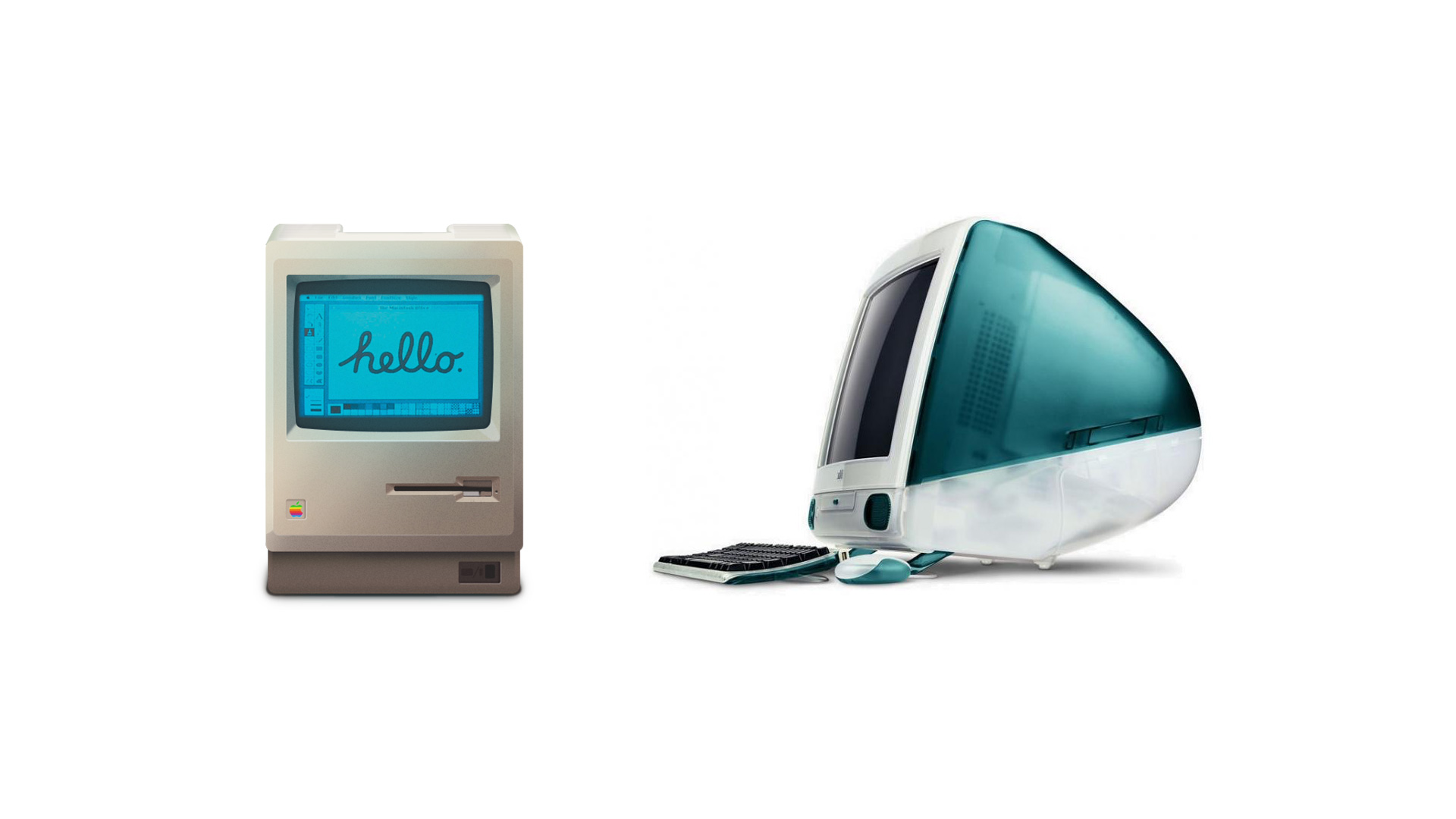
Macintosh and iMac G3.

Unlike the Macintosh, the first iMac was considered a huge success — not only for its technology, but also for its unique design with colorful translucent plastic. Apple quickly expanded the Mac lineup with other models, which included the iBook and PowerBook (which became the MacBook and MacBook Pro) and the PowerMac, which is now the Mac Pro.

macOS

What makes a Mac the Mac is the macOS operating system, which has also had a long history since the introduction of the first Macintosh. Initially called Mac OS, the operating system was rebuilt when Steve Jobs returned to Apple.

The first version of Mac OS X was released on March 24, 2001 with a new interface that is still present in some ways in current versions of macOS. Apple’s desktop operating system comes with many free applications such as Pages, Keynote, Numbers, iMovie, and GarageBand.

With macOS, users also have access to deep integrations with other Apple devices. For instance, you can answer calls and send SMS from your iPhone using your Mac. Handoff lets you switch from one device to the other and pick up where you left off. Apple Watch users can unlock their computer without entering a password, and you can even copy and paste between devices.
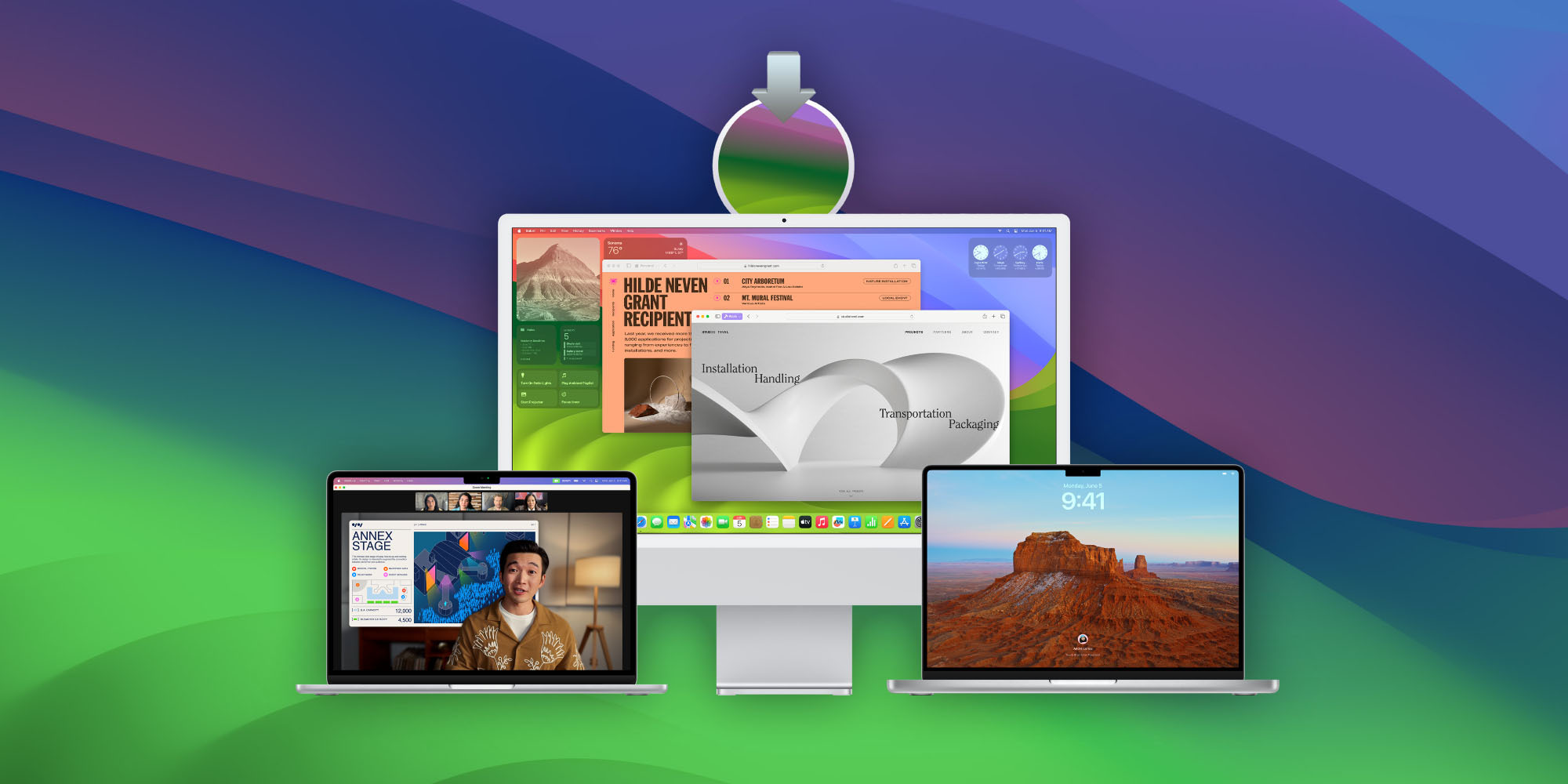
macOS Sonoma

Apple’s desktop operating system is also integrated with services offered by the company, such as iCloud, Apple Music, and Apple TV+.

The current version of macOS is Sonoma (version 14), which features new slow-motion screen savers, widgets on desktop, camera effects on FaceTime and other apps, web apps, passkey sharing, improved PDF support, and Game Mode. The update also comes with a new API that lets developers easily port Windows games to macOS.

Architecture Transitions

The Mac has had three major architecture transitions in its history. Apple’s first computers ran on Motorola processors, but the company decided to migrate to the new PowerPC platform in 1994. While this brought benefits at the time, the PowerPC processors were not delivering what Apple expected.

It was in 2005 that Apple confirmed the transition from PowerPC to Intel. Intel processors had become faster and more efficient than PowerPC, which enabled the development of new Mac computers that were more powerful and also more compact. Developers have been given access to a Developer Transition Kit running Mac OS X Tiger with Intel Pentium 4 to update their apps before the transition begins.
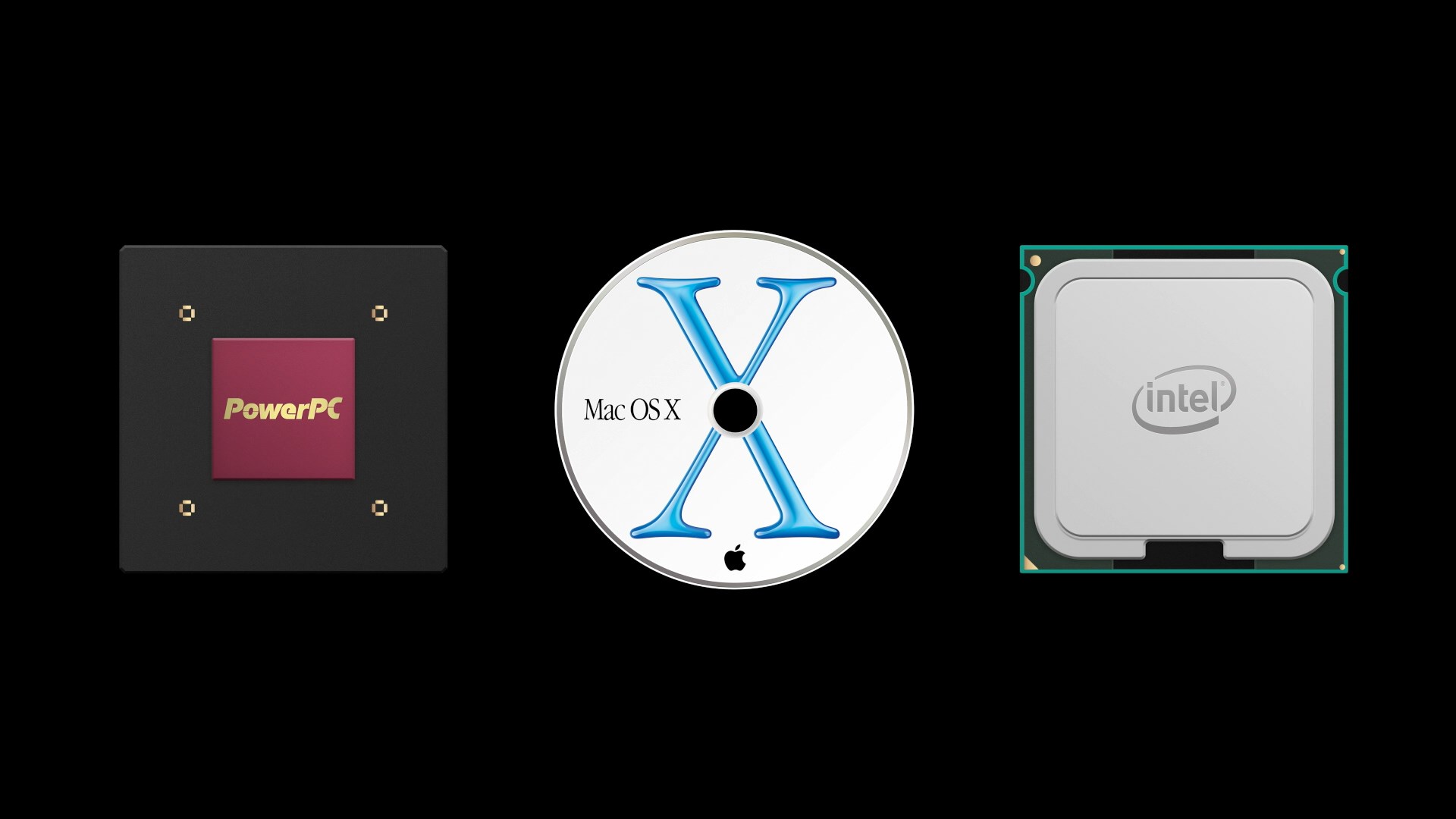
Power PC, Mac OS X, and Intel processor.

Apple said that the transition would begin in June 2006 and be finished by the end of 2007. However, the transition to Intel was fully completed in August 2006 when the company replaced the PowerMac with the new Intel Mac Pro.

As the years went by, Apple once again felt the need to have more powerful and efficient processors for its computers. This time, the company was already working on its own chips for the iPhone and iPad. In June 2020, Apple confirmed that it was changing the architecture of the Mac, now from Intel to ARM chips, which are called Apple Silicon.

Apple offered a Mac mini DTK running on the same A12Z Bionic chip as the 2020 iPad Pro. This way developers could once again update their apps ahead of the transition. In addition to being more powerful and energy efficient, the ARM architecture of Apple Silicon chips has enabled Macs to run iOS apps for the first time.
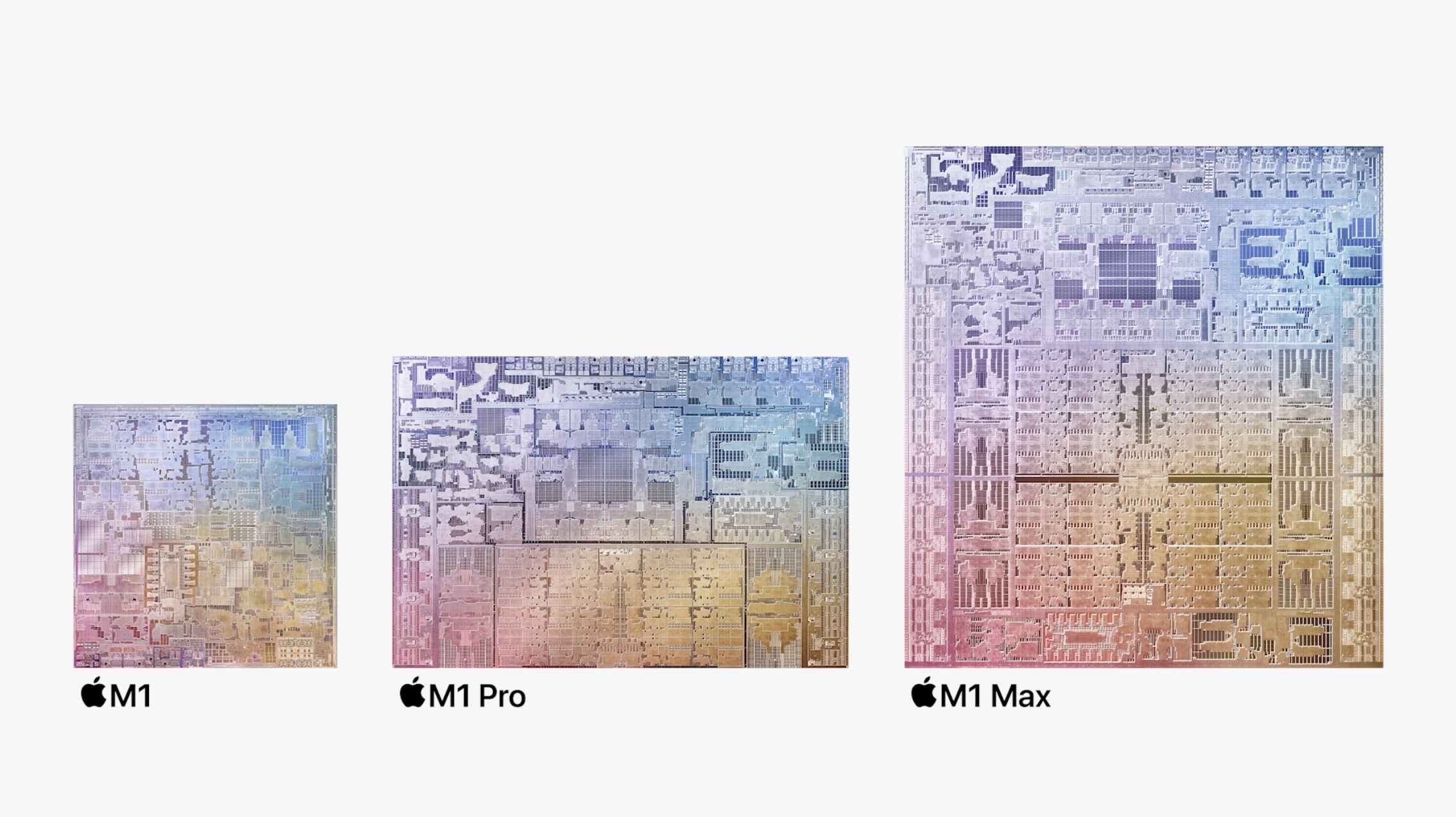
Apple M1 chip | Mac

The first Apple Silicon Macs were released in November 2020 with the M1 chip. The company later introduced more powerful variants of the M1 chip, called M1 Pro, M1 Max, and M1 Ultra. Macs with Apple Silicon have become known for being more powerful while consuming much less power, which has resulted in MacBooks with extended battery life.

In June 2022, Apple introduced the M2 chip, which is around 20% faster than the M1 and also supports more RAM. M2 also has more powerful variants: M2 Pro, M2 Max, and M2 Ultra.

Apple unveiled the M3, M3 Pro, and M3 Max chips in October 2023. The main highlight of this generation is the 3 nanometer technology, the same as the A17 Pro chip. The M3 family also features better GPUs with support for hardware-accelerated ray-tracing.

Current Mac lineup

Apple currently sells a variety of Mac computers, which includes MacBooks, Mac mini, iMac, and Mac Pro. While some of the Macs have already been updated with an Apple Silicon chip, others remain with Intel processors.

MacBook Air

The MacBook Air is Apple’s most affordable laptop and it has become popular for its light, compact design. The 2022 version is powered by the M2 chip and is offered with 8GB, 16GB, or 24GB of RAM. Plus, it has a new, edge-to edge 13.6-inch Retina display.

The laptop features Touch ID and has two Thunderbolt 3 compatible USB-C ports, a MagSafe connector for charging, and a headphone jack. Prices start at $1099 in the US. It’s offered in silver, space gray, starlight, and midnight.
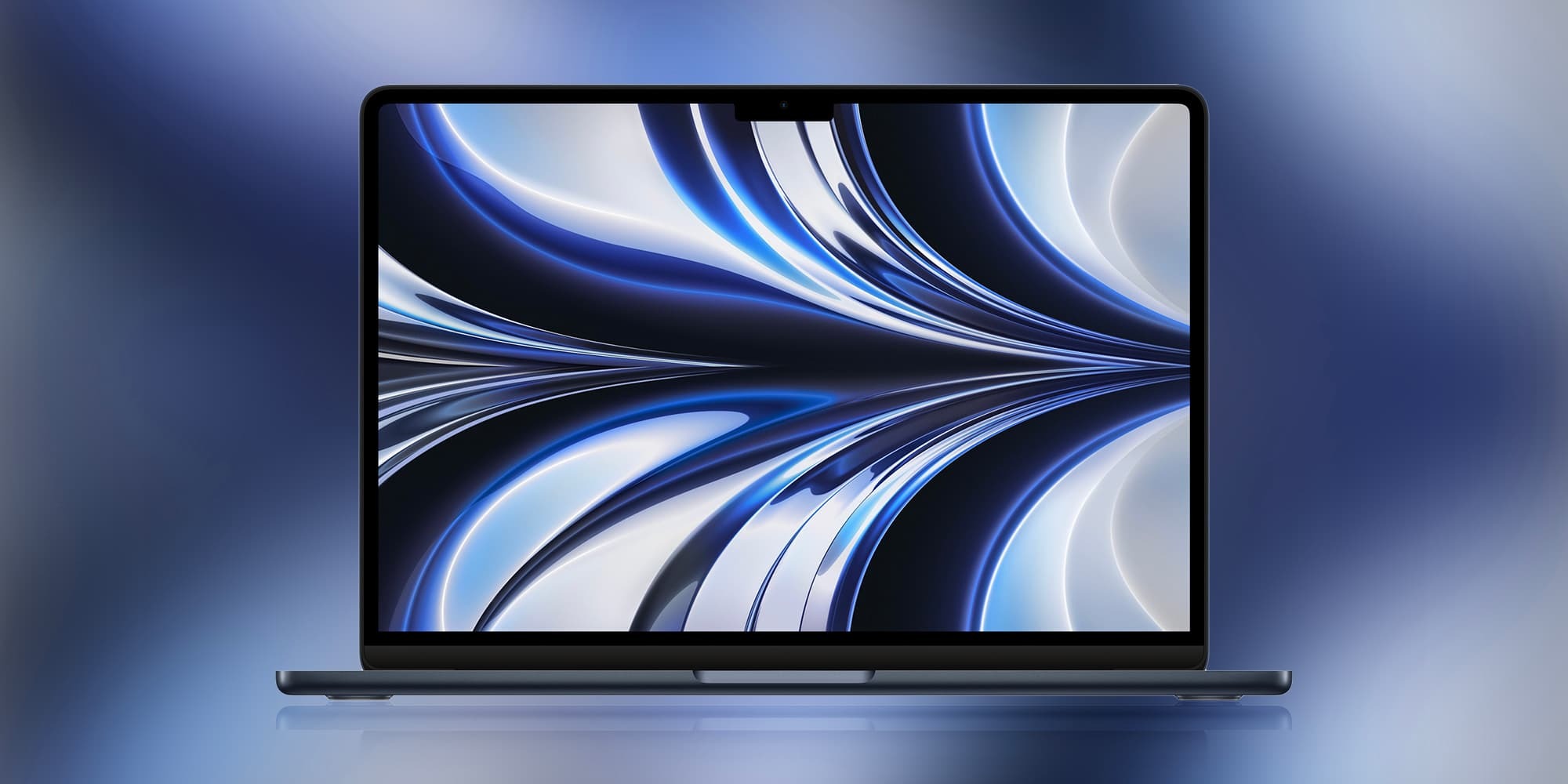
M2 MacBook Air.

A year later, Apple introduced the first 15-inch MacBook Air. It has essentially the same hardware as the smaller version with a similar design, but with a larger display. Prices start at $1299 in the US.Apple is still selling the M1 MacBook Air for prices starting at $999.

MacBook Pro

The 2023 MacBook Pro is available in multiple versions, and customers can choose between 14-inch and 16-inch screen sizes. For the first time, Apple has introduced a less expensive version of the 14-inch MacBook Pro with the base M3 chip. This version has the same design and display as the high-end versions, except that it only has two USB-C ports instead of three.
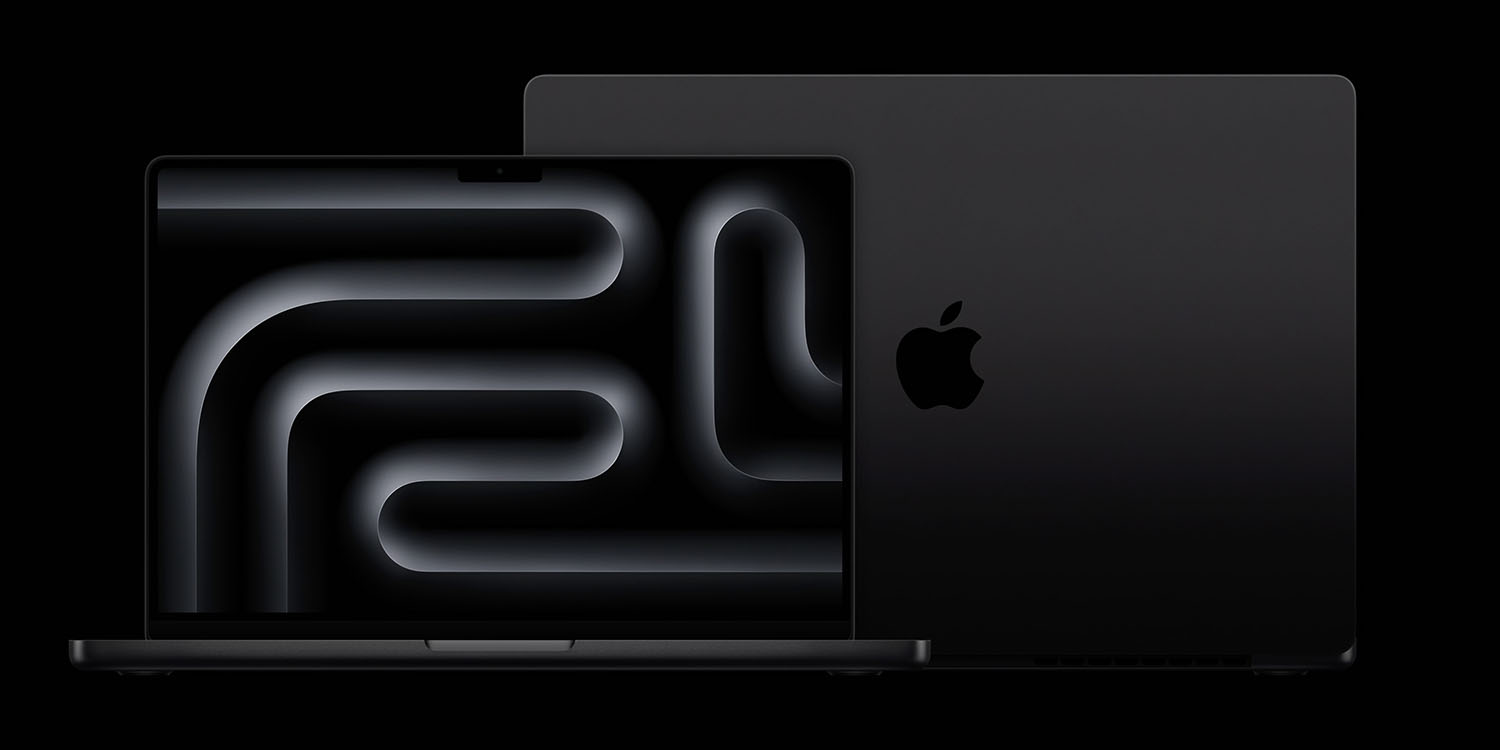
M3 MacBook Pro

The most expensive versions of the MacBook Pro are equipped with the more powerful M3 Pro and M3 Max chips. The laptop can be configured with up to 128GB of RAM and 8TB SSD. These versions also come in a new Space Black color.

Unlike the MacBook Air, the MacBook Pro comes with an HDMI port and an SD card reader. It also features MagSafe and Touch ID on the keyboard. Apple no longer sells MacBooks with the Touch Bar. Prices start at $1,599 in the US.

Mac mini

Mac mini is the cheapest Mac currently available since it’s basically a desktop without a built-in display or other peripherals. The base model with the M2 chip features one Ethernet port, two USB-C/Thunderbolt 4 ports, HDMI 2.0, two USB-A ports, and a headphone jack.

Apple sells a more powerful version of the Mac mini with the M2 Pro chip, which also comes with four USB-C ports instead of two. Mac mini can be configured with up to 32GB of RAM and up to 8TB of storage. Customers can also opt for a 10 Gigabit Ethernet port. The Apple Silicon Mac mini is only available in silver, while the now discontinued Intel model was available in space gray.
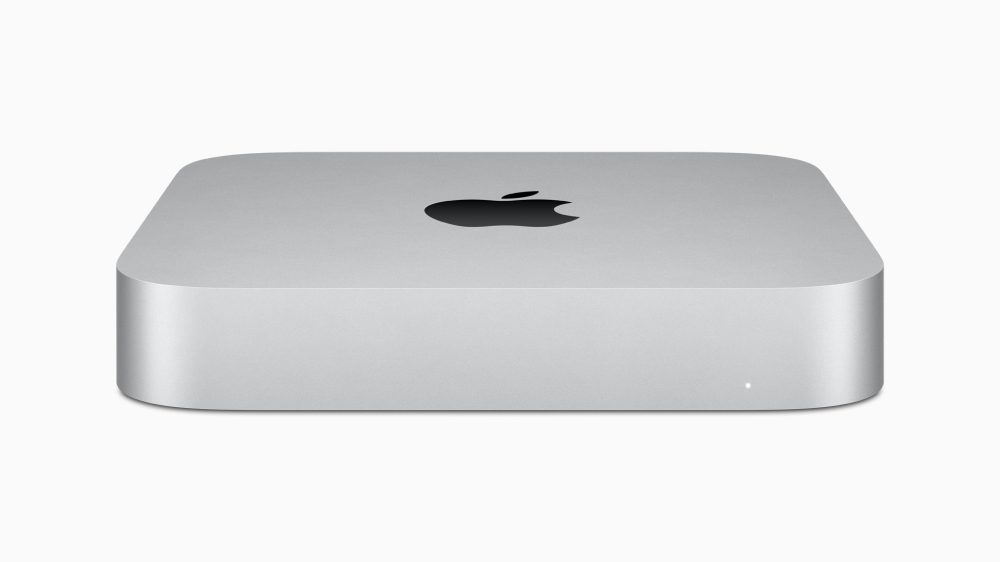
Apple Silicon Mac mini.

Prices for the Mac mini start at $599 in the US. Again, it’s worth noting that it doesn’t come with a keyboard or mouse in the box – you need to buy them separately or use your current ones.

Mac Studio

Mac Studio represents a new category between Mac mini and Mac Pro. It features a design based on the Mac mini, but with a taller body to support the more powerful hardware and also a better cooling system.

The new Mac Studio is targeted at professional users who work with demanding tasks such as video editing, 3D rendering, and machine learning. 

Embraced by creative pros everywhere, Mac Studio now delivers next-generation power in the form of the lightning-fast M2 Max and the boundary-breaking M2 Ultra. It packs outrageous performance and extensive connectivity in an unbelievably compact form, putting everything you need within easy reach and transforming any space into a studio.

By default, Mac Studio already comes with the M2 Max chip, 32GB of RAM, and 512GB SSD storage. A more expensive option lets users customize Mac Studio with M2 Ultra. While M2 Max has a 12-core CPU and a 30-core GPU, M2 Ultra doubles all of those specs. The new chip has a 24-core CPU and a 60-core GPU.

Mac Studio can also be configured with up to 192GB of RAM and 8TB of SSD storage. The machine offers up to six Thunderbolt ports, 10 Gigabit Ethernet, headphone jack, two USB-A ports, and one HDMI port.
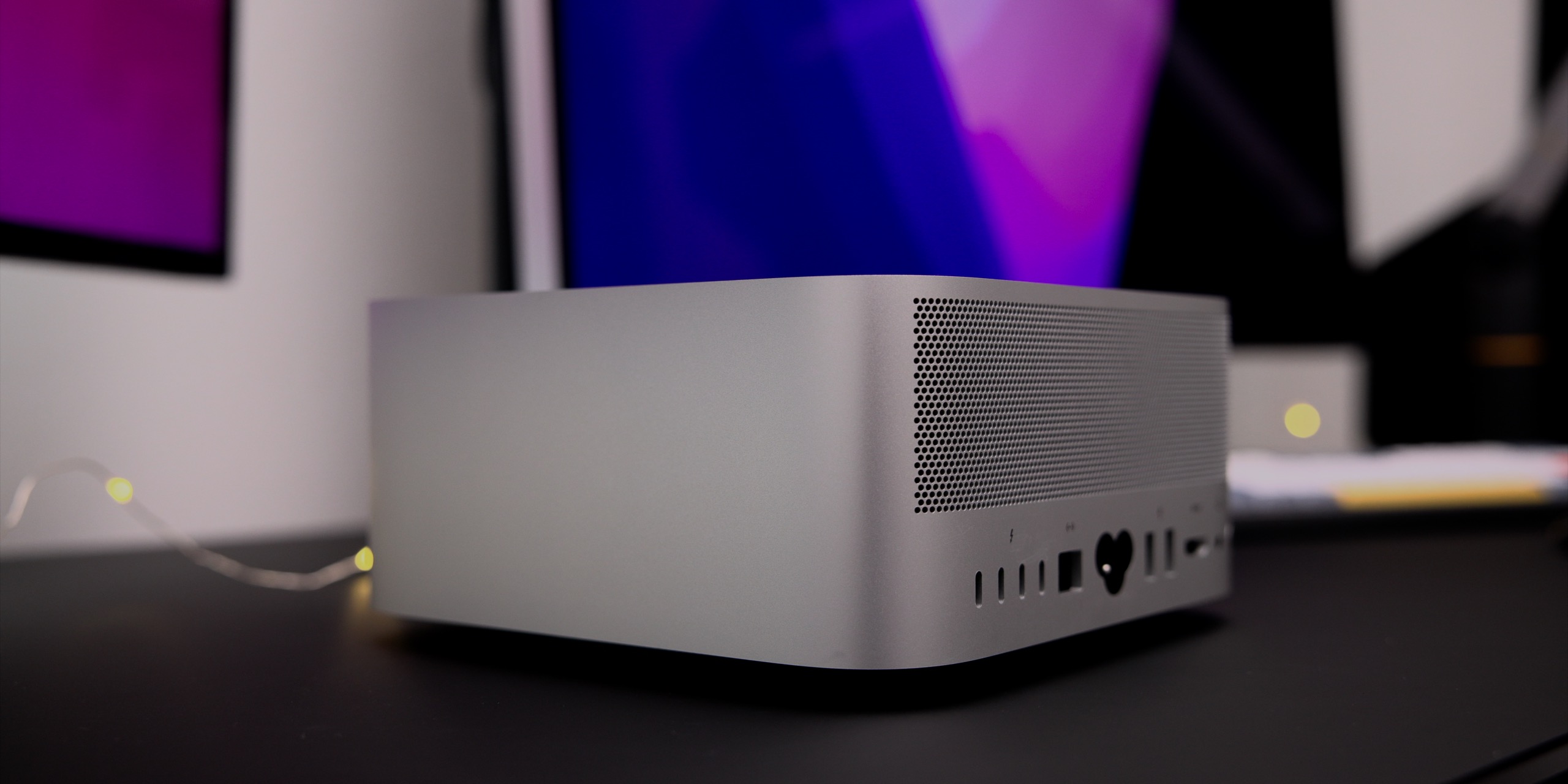
Mac Studio

Apple has been rumored to be working on new versions of this machine with the M3 Max and M3 Ultra chips. However, these versions may not be ready until 2025. Bloomberg’s Mark Gurman said in November last year that the M3 Ultra chip “hasn’t yet gone into broad testing” inside Apple.

In the US, prices for the Mac Studio with M2 Max chip start at $1999. The M2 Ultra chip version starts at $3999. Just like the Mac mini, Mac Studio doesn’t come with a keyboard and mouse in the box. You can find accessories for your Mac Studio here.

iMac

iMac is Apple’s most popular desktop computer with an all-in-one construction. It features a 4.5K display in its 24-inch version and a 5K display in the 27-inch version. At the same time, Apple still sells an entry-level iMac with a regular 1080p display.

The 24-inch iMac is the first to feature the M1 chip, the same as in the Mac mini, MacBook Air, and MacBook Pro. This allowed Apple to introduce a completely redesigned model with a slimmer design, which is also offered in seven new colors. Customers can customize the new 24-inch iMac with up to 16GB of RAM and 2TB of storage.
Site default logo image

The company ships the 24-inch iMac with Magic Mouse and Magic Keyboard, plus a Lightning cable for recharging accessories. Prices in the US start at $1299. Apple has discontinued its old 21.5-inch iMac and the 27-inch iMac 5K.

Mac Pro

Mac Pro is a computer built for professional users who depend on extremely powerful hardware. Available in tower and rack versions, it has a completely modular design. That means users can replace RAM, SSD, GPU, and other internal components.

By default, it features four USB-C/Thunderbolt 3 ports, two USB-A ports, and two 10Gb Ethernet ports. However, the ports can be expanded using the PCI Express slots. Apple also ships the computer with a Magic Mouse and Magic Keyboard, but it does not come with an external monitor included.

All models feature Intel Xeon W processors, which are the most powerful processors offered by Intel. Consumers can configure Mac Pro with up to 28-core processor, 1.5TB RAM, and 8TB of SSD storage. In addition to supporting multiple dedicated GPUs, Apple also offers the Afterburner card — which accelerates the decoding of ProRes videos.

The company recently updated the Mac Pro with new graphics card modules, which include Radeon Pro W6800X and Radeon Pro W6900X.

Site default logo image

Mac Pro prices start at $5999 in the US.

Rumors about upcoming Macs

Top stories about the Mac

Demo of the first public website using Safari’s new native push notifications feature [Video]

Site default logo image

http://www.youtube.com/watch?feature=player_embedded&v=T4QrylM6th0

During the WWDC keynote, Apple introduced a new Safari 7 feature that allows developers to take advantage of native push notifications on their websites. Unlike HTML5 push notifications, which have been used by some browsers for some time now, native push notifications act like any other installed application’s notifications: they are branded for the web app rather than the browser, they can be used even when you aren’t on the website, and they can even pop up when Safari isn’t running.

Working with 9to5Mac, developer Connor LaCombe has developed the first public demo website that shows exactly how the feature works:


Expand
Expanding
Close

Parallels 8 for Mac updated with experimental support for OS X Mavericks

Site default logo image

Parallels announced an update to Parallels Desktop 8 for Mac today that introduces experimental support for OS X Mavericks. That means developers with access to Mavericks will be able to run Parallels Desktop 8 on the OS and also install the OS X 10.9 preview in a virtual machine.

The company has an article available to walk devs through getting Desktop 8 for Mac running on Mavericks and another outlining best practices for installing it as a virtual machine. While you can’t yet install Mavericks into a blank virtual machine, you will be able to update an existing OS X install to the developer preview. Those error messages some users were getting when attempting to run Mavericks on Parallels Desktop 8 should also be taken care of with the latest build.

Parallels hinted more news about Mavericks and its integration with Parallels Desktop 8 for Mac is on the way and is answering questions in its forums here and here.

Good news if you don’t yet own a copy: Parallels Desktop 8 for Mac is currently 25% for a limited time.
Expand
Expanding
Close

Rockstar releasing ‘Max Payne 3’ for Mac on June 20

Site default logo image

Originally released back in 2012 for PlayStation 3, Xbox 360, and later Windows, Rockstar announced today that it’s bringing Max Payne 3 to the Mac later this week through the Mac App Store. We don’t get any details on pricing, but Rockstar notes that the Mac version includes a “number of advanced graphics options, scalable high-resolution textures and character models, DirectX11 features, multi-monitor support and 3D.”


Expand
Expanding
Close

Solid Mac Bundle including Corel Painter, iTunes TuneUp, DiskDrill, Mac Scan, NetSpot Pro, more: $30

Site default logo image

From 9to5Toys.com:

StackSocial has a pretty impressive bundle hitting this evening for just $29.99. In it you get 9 solid apps including:
Painter Lite: Ease Into the World of Digital Art
TuneUp: Organize Your iTunes Music Collection in Just a Few Clicks
Disk Drill Pro: Protect and Recover Data Like a Pro
MoneyWiz: Personal Finance For Your Mac
Voila: The Best All-in-One Mac Screencapture Tool
DVDRemaster 8: The Ultimate DVD Re-Encoding Solution
DesktopShelves: Fight Clutter on Your Desktop by Organizing Files on Shelves
MacScan: MacScan is the premier Macintosh security program
NetSpot Pro: The Only App for Wireless Site Survey, Wi-Fi Analysis, & Troubleshooting on Mac OS X

StackSocial also has Dragon Dictate for half off at $99 for both PC and Mac.

Site default logo image

An in-depth look at Maps for Mac in OS X Mavericks [Video]

Following the introduction of Apple Maps to replace Google Maps in iOS with iOS 6, it seemed like only a matter of time before Apple brought its in-house Maps to OS X as well. Late last year we reported that Maps would be coming to the Mac, and with WWDC yesterday, Apple delivered.

In the above video, we give you an in-depth look at what Apple is planning to release on the Mac later this year in OS X Mavericks, along with a few interesting Maps features on OS X that aren’t shared with iOS.

First look at Apple’s US manufactured Mac Pro with 4K video and many new features

Site default logo image

Immediately following WWDC, Apple has setup Mac Pro demo machines in Moscone West, enclosed in glass cases. This first (blurry) look gives you a little idea what the machine might be like, and how much smaller it really is than the previous generation.

We’ll update this post with additional photos and video if we can grab them.

Apple has also updated its Mac Pro page, adding additional images.


Expand
Expanding
Close

Apple announces iWork for iCloud, new apps for Mac and iOS coming later this year

Site default logo image

Confirming our earlier suspicions, Apple today showed off some new features for its iWork suite of apps, which includes both Mac and iOS versions of the Pages, Numbers, and Keynote apps. While Apple confirmed that new versions of the apps for Mac and iOS would be coming later in the year, it spent its presentation today showing off brand new web versions of the apps designed to run right in the browser through iCloud.com. The new web apps, available initially only to developers starting today, will be dubbed ‘iWork for iCloud’ and bring web apps to iCloud that will compete directly with Google Docs and Google’s other suite of web apps.

Apple execs spent much of the time on stage showing off the new Pages for iCloud app, demoing how users can drag and drop Microsoft Word files and other documents directly into the iCloud.com UI in their browser to begin editing a document. Apple also briefly demoed presentations and spreadsheets running in web versions of the Numbers and Keynote apps.

During the demo of the new iWork for iCloud apps, Apple also made a point of noting that the new apps run in any browser by showing off the apps running on Windows 8.

The new apps are available as developer beta starting today. A public beta of the new iWork for iCloud apps will be arriving later this year. Apple didn’t mention any details regarding pricing, or whether or not the web apps will be a separate purchase from the apps currently available on Mac and iOS.

Apple announces improvements to Notifications for Mac with quick reply, iOS push notifications, and more

Site default logo image

Today at Apple’s WWDC keynote, Apple took some time to announce some improvements to Notifications, as we expected. The majority of the improvements that Apple has demoed so far include new features for Notifications on the Mac coming in the just announced OS X Mavericks, such as quick replies, the ability to receive iOS push notifications, and lock screen access.

Apple showed off a new quick reply feature for Notifications on the Mac that will allow users to mouse over a notification and quickly reply from a dialog that pops depending on the app. Not only can you reply to messages to respond to FaceTime calls, for example, you will also be able to perform other actions with the quick reply Notifications such as quickly deleting emails.

Another feature that we saw today during Apple’s keynote is the ability to receive iOS push notifications right on your Mac for apps installed on your iPhone and iPad. These are a few of the updates we were expecting from Apple today, but we’ll have to wait to see if they fixed the other half of the problem during its iOS 7 portion of today’s presentation but Apple also showed off a redesigned Notification center for iOS including lock screen access and new tabs (pictured below).

Additionally, Apple showed off the ability to view Notifications directly from the lock screen in OS X Mavericks.

Update:  As we expected, Apple also announced that Notification Sync will be coming in iOS 7, but didn’t show off any specifics.

Expand
Expanding
Close

Site default logo image

Chatology for Mac, Flexbits’ answer to the comical search bugs in the Mac’s Messages app

.

Flexibits, makers of the popular calendar app Fantastical for Mac and iPhone, have just announced their next product for the Mac. Their new app, Chatology, seeks to ease the pain of searching through conversations using Apple’s buggy Messages app.

If you haven’t tried this yourself, don’t. But often when searching on messages, the application locks up for an indeterminate amount of time. Apple doesn’t seem to be getting all of our crash/bug reports and hasn’t fixed it since its release with Mountain Lion.

https://twitter.com/stroughtonsmith/status/341979376935649281

A new page on the Flexbits website shows the above image and option to signup for their mailing list, which will include updates on Flexibit’s suite of apps as well details on when you can download Chatology.

Apple again plans AirDrop wireless file-sharing for iOS

Site default logo image

Apple is currently testing versions of iOS 7 internally that include the AirDrop WiFi-direct file sharing tool from the Mac, according to people familiar with the software.

Like with the Flickr and Vimeo integration that we previously reported on, it is very simple for Apple to remove any single feature from the new operating system ahead of the mid-June unveiling. 

Additionally, Apple has scrapped AirDrop late in software development from iOS before. Last year, we reported that Apple was developing an AirDrop tool to take advantage of the new WiFi hardware inside of Apple’s latest iOS devices. Because Apple has postponed the feature before, we believe it is possible that the feature could be pushed back again…


Expand
Expanding
Close

Google begins rolling out revamped conversational Voice Search features in Chrome

Site default logo image

During its Google I/O keynote earlier this month, Google announced that it would be bringing conversational, Google-Now like voice search to the desktop. Using a UI similar to voice search and Google Now in its mobile apps, Google would soon allow Chrome users to search and drill down further into results using only their voice.

Today, Google appears to have finally started rolling out the feature for Chrome users on the stable and beta channels of Chrome.

After updating to the latest version 27.0.1453.93 of Chrome, users can navigate to Google.com, click the microphone icon, and choose to allow the new Google Voice search feature to begin listening. Google will only ask for permission to listen once and from then on users can simply speak in order to search. For certain search results such as questions Google will also provide audible results.

Not all of the functionality seems to be available as of yet. For example, when Google first showed off the feature users weren’t required to click at all. Google execs were activating the feature by simply saying “Ok, Google” and were able to continue searching with their voice, hands-free, from on the search results page. The feature as it’s currently implemented now requires users to click the mic icon in order to start a voice search.
Expand
Expanding
Close

Apple CEO Tim Cook says Made-in-USA Mac will be assembled in Texas

Site default logo image

During this morning’s Senate hearing regarding Apple’s tax strategies, Apple CEO Tim Cook provided opening statements regarding Apple’s perspective on the issues. Notably, during a time in which Cook was discussing Apple’s United States-based operations and strategies, the Apple CEO said that Apple’s upcoming Made-in-the-USA Mac line will be assembled in Texas…


Expand
Expanding
Close

Next Mac ‘Gigabit Wifi’ spotted? Broadcom BCM94360CD PCI-E mini WLAN+Bluetooth card in the wild

Site default logo image

There have been plenty of hints over the past months that indicate that Apple’s incoming next round of MacBook Air/Pros would contain 802.11AC Gigabit wifi chips, not the least of which was code we found referencing ‘802.11AC‘ in 10.8.4 Betas.

TonyMacx86, found some interesting parts on Chinese VR-Zone today that could be the next 802.11AC boards in Macs, widely expected to be announced at WWDC next month. The Broadcom BCM94360CD PCI-E mini custom combo WLAN+Bluetooth card supports IEEE 802.11ac, the next standard in wireless computer networking. Interestingly, it also looks like it may fit in current iMacs/MacBooks which could mean aftermarket updates could be possible.

This compares to the current iMac cards via iFixit below:
Expand
Expanding
Close

Site default logo image

Yahoo’s new Tumblr for iOS updated with “stacks” like post type chooser, app attribution

Tumblr, which was purchased by Yahoo today for a cool $1.1 billion, received an update for iPhone and iPad today that introduces a new post type chooser that resembles fan stacks on the dock in OS X but still includes a 17+ rating. The update also includes attributing app sources to posts shared on Tumblr. This update doesn’t seem to reflect any changes from Yahoo as the social blogging platform was just acquired this morning.


Expand
Expanding
Close

Tim Cook discusses taxes before Tuesday’s visit to Congress: ‘Apple does not funnel domestic profits overseas’

Site default logo image

Yesterday Politico reported that Tim Cook will appear before Congress next week to testify in a hearing regarding how the company is handling its overseas finances and domestic taxes, and today Politico has published a brand new interview with the Apple CEO.

Tim Cook and Apple tend to avoid any public discussion aside from comments during quarterly earnings calls, but it seems the company is on a PR offense leading up to next week’s public hearings.

“We don’t have a large presence in Washington, as you probably know, but we care deeply about public policy and believe creative policy can be a huge catalyst for a better society and a stronger economy.”

Cook went on to defend Apple against any accusations that may come its way next week.

“I can tell you unequivocally Apple does not funnel its domestic profits overseas. We don’t do that. We pay taxes on all the products we sell in the U.S., and we pay every dollar that we owe. And so I’d like to be really clear on that.”

The Apple CEO also noted the company’s $100 million project to produce a Mac line in the United States this year, which the company says will add jobs to the economy.
Expand
Expanding
Close

Amazon announces standalone Cloud Player desktop app, Mac version coming soon

Site default logo image

Amazon today announced that it is launching a standalone desktop app for its Cloud Player cloud music service that was previously only available through a web app and mobile apps. The desktop app brings offline support and, like the service on other platforms, will offer its usual unlimited storage of songs purchased through Amazon plus 250 imported songs for free. Unfortunately, today’s roll out only includes an app for PC with Amazon promising Mac users “we’re working on a version just for you.” 
Expand
Expanding
Close

Site default logo image

Apple seeds OS X 10.8.4 beta build 12E47 to developers

Just over a week following the previous build, Apple has seeded OS X Mountain Lion 10.8.4 build 12E47 to registered Mac developers. The update is available via the Mac App Store for developers and should be on the Mac Developer Center shortly. Apple, once again, tells developers to focus on WiFi performance, Safari, and Graphics Drivers…


Expand
Expanding
Close

Site default logo image

Vemedio releases Instacast for Mac public beta (Updated 2x: early bird pricing, Instacast Mac 1.0 available)

Instacast for iOS is a hugely popular podcast catcher for podcast fans, but aside from iTunes, there hasn’t been much activity in this space on the desktop.

Last year, Vemedio, maker of Instacast, launched version 3.0 of their iOS podcast client, which moved from using iCloud sync to their own more reliable solution.

Today, Vemedio released its first public beta of Instacast for Mac for free, but I’m sure we can expect Vemedio to be a paid app when it launches.

Download the beta here.

Shameless plug: We just launched our own Happy Hour podcast on iTunes over the weekend. Subscribe here!

Update: Vemedio has announced early bird pricing for Instacast for Mac is now available at $14.99 and has no immediate plans for a Mac App Store version due to its robust feature set.

Update 2: Vemedio has taken Instacast out of beta after just 28 days with early bird pricing around until May 31st.

Site default logo image

Little Snitch updated to 3.1 with Automatic Profile Switching and more

Developers Objective Development just announced a nice update to its extremely popular network and application monitoring tool known as ‘Little Snitch’. For those of you unfamiliar, Little Snitch allows users to set up rules that control network access for specific apps and services, allowing you to control when and how apps on your machine talk to the internet. A previous update brought profiles to the app, offering users the ability to switch between different sets of rules for different workflows. Today’s update to version 3.1 enhances that feature by offering Automatic Profile Switching:

With the new Automatic Profile Switching these profiles now can be activated automatically when the computer starts using a specific network connection (e.g. the office, home or some public network) – thereby adapting your network security to the current environment…The first time you connect to a network, Little Snitch presents you the new Profile Switching Alert which lets you define the profile to be activated automatically the next time you join the same network. Of course, this also activates the profile right when you click the OK button.

Analyst: New MacBooks across the line expected at WWDC in June, iPad mini price drops

Site default logo image

KGI Securities analyst Ming-Chi Kuo has suggested that Apple will be introducing new models across the MacBook range at WorldWide Developers Conference in June (via MacRumors). Previously the analyst said he didn’t expect Apple to continue with non-Retina machines but now he does.

Kuo expects all the new models to be bumped up to Haswell processors, expected to give a modest performance bump in the 7-13 percent range, with likely a much better boost to battery-life, though we don’t expect this to be anywhere close to the 24-hour life theoretically achievable …
Expand
Expanding
Close

Site default logo image

Apple is offering WWDC tickets to some developers who didn’t get a chance to purchase

Apple is apparently contacting some developers who didn’t get a chance to purchase tickets, offering them a second chance.

https://twitter.com/jordanekay/status/327543987449761792

Red Sweater Software’s Daniel Jalkut speculates that tickets are being offered to those who had the item in their cart, but were unable to purchase due to the record 180 second sellout.

Twitter for Mac goes Retina, gets design tweaks, 14 new languages

Site default logo image

After years without an update, Twitter has updated its official Mac app with Retina display support and much more:

Today we’re announcing a few improvements to Twitter for Mac:

  • Photos: It’s easier than ever to share photos. Simply click the camera icon in the lower-left corner of the Tweet compose box, and choose a photo to share. If you prefer, you can still drag and drop photos from the desktop.
  • Retina display support: Now Twitter is even more vibrant and detailed on the highest resolution Mac notebooks. With this update, Tweets will be clearer and sharper, creating a more vivid experience.
  • 14 more languages: In addition to English, Twitter for Mac now supports Dutch, French, German, Indonesian, Italian, Japanese, Korean, Malay, Portuguese, Russian, Simplified Chinese, Spanish, Traditional Chinese, and Turkish.

Along with these updates, Twitter for Mac offers keyboard shortcuts, support for multiple accounts and timelines, and other features that you’ve come to love.

You can get this update now in the Mac App Store. Keep an eye out for more improvements to come, too.


Expand
Expanding
Close