A database containing 149 million account logins has been found sitting unsecured on a cloud service. The records include 900,000 usernames and passwords for Apple accounts.
It was discovered by the same security researcher who found a similar database of 184 million records last year …
Security researchers have discovered what they describe as “one of the largest data breaches in history,” comprising a staggering 16 billion logins, which include Apple accounts (formerly known as Apple IDs).
The researchers said that the stolen data gives cybercriminals “unprecedented access to personal credentials that can be used for account takeover, identity theft, and highly targeted phishing” …
Apple login credentials were among a massive database of 184 million records found sitting unprotected on a web server. Other logins included Facebook, Google, Instagram, Microsoft, and PayPal.
The owner of the database is unclear, but the security researcher who discovered it says that it amounts to “a cybercriminal’s dream working list” …
Your Apple ID is getting a new name starting next month. When iOS 18, iPadOS 18, and macOS Sequoia launch this fall, they’ll use new terminology for your Apple ID. ‘Apple Account’ is the new branding, and it will apply across all Apple products and services.
Scams like phishing and social engineering are continuing to grow with some specifically targeting Apple users. With that in mind, Apple has shared a new support document with official tips on how to protect your Apple ID and other online accounts, how to spot and report scam emails, calls, and more.
There are many known phishing attacks that target users of Apple devices to gain access to their Apple ID. However, a new “elaborate” attack uses a bug in the Apple ID password reset feature with “push bombing” or “MFA fatigue” techniques to flood Apple devices with password reset requests.
Apple’s online services have faced a lot of outages this month, and it seems that there’s a new issue around. According to reports from multiple users, their devices are constantly asking for the Apple ID password. And even after entering the password, the system informs users that the login failed.
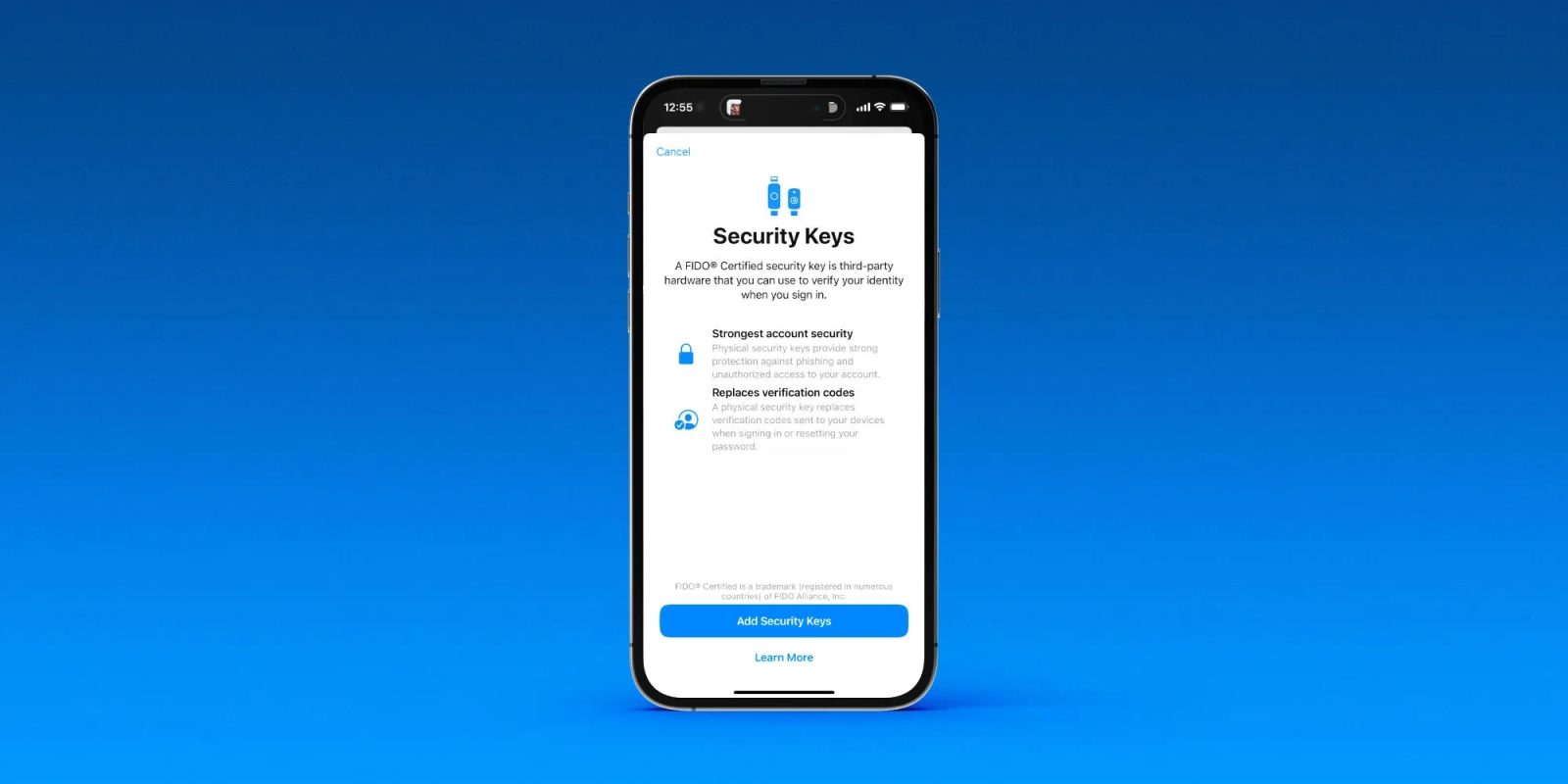
Apple debuted physical security key support with iOS 16.3 and macOS 13.2. While they work across iPhone, iPad, Mac, and the web, there are some instances when they are not supported, even if successfully set up with one device. Here are 5 ways security keys don’t work with Apple ID.
Can’t remember your Apple ID password, want to update it, or having another issue where you need to change it? Read on for how to reset Apple ID password.
Whether you have or will lose access to the email you’re currently using or need to switch your Apple ID for another reason, read on for how to change Apple ID on iPhone, iPad, Mac, and the web.
Whether you can’t remember your Apple ID password, want to update it, or think there may be a security issue, follow along for how to change Apple ID password.
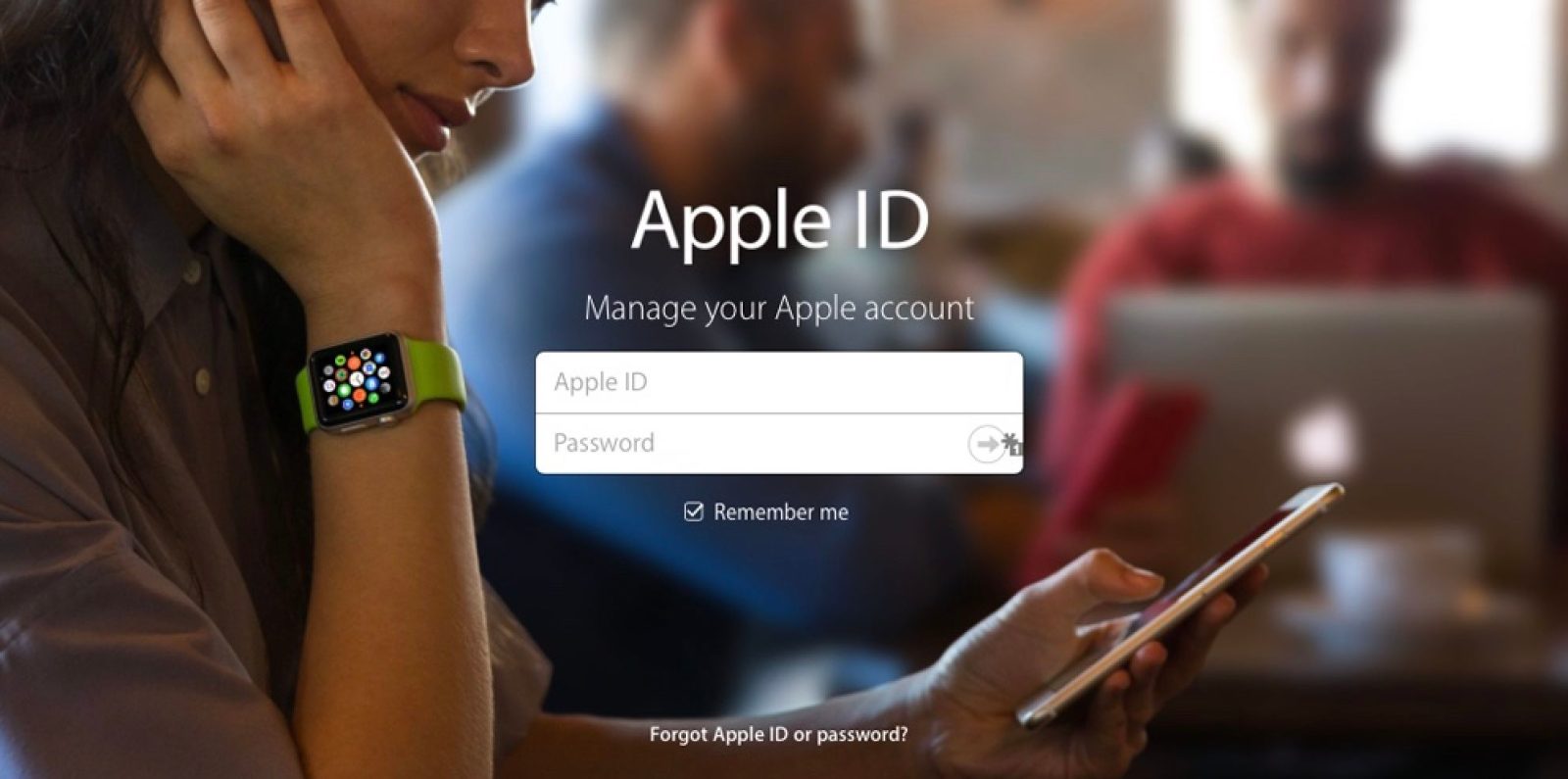
Apple has given its Apple ID website a facelift today, bringing a much-needed modern look to the site. The new design features a colorful Apple logo with the tagline “One account for everything Apple,” with Apple touting that the site gives users the ability to sign in and manage access to all of Apple’s services.
Yesterday, we covered a story regarding Dustin Curtis’s experience with his Apple ID getting disabled when a payment to his Apple Card failed. Apple has today shared a statement with 9to5Mac clarifying the situation. The company says that Apple Card and Apple ID are not linked in the way that the blog post alleged, and the company does not disable Apple ID services because of missed Apple Card payments.
The situation arose because the trade-in process was left unresolved, and Apple was following its standard procedures in matters of money owed; this is not anything specific to the Apple Card. When an account is marked as in bad standing, use of Apple ID services is restricted; things like Apple Music or App Store purchases. iCloud is wholly separate and is not disabled at all. You can read Apple’s full statement on the matter after the break.
Want to remove the credit or debit card you have on file for your Apple ID and use PayPal instead? Read on for how to change your Apple ID payment method.
For some reason, Apple’s website where you can manage your Apple ID (appleid.apple.com) is blocking users of Linux browsers from accessing it. Having access to the website is important to manage things such as payment information, two-factor authentication, and other account details. Even though the number of Linux users accessing the website must be relatively small compared to other operating systems, some iPhone users who use Linux on the desktop noticed the issue.
9to5Mac is brought to you by JustAnswer: Connect 1-on-1 with an Apple support Expert to get step-by-step assistance via phone or online chat, 24/7. Try it now.
Have an Apple ID that you haven’t used in a long time and need to access it? If you forgot your Apple ID email, read on below for how to look it up.
Whether you’d like to delete a secondary account or part ways with an Apple ID for another reason, read on for how to permanently delete an Apple ID account.