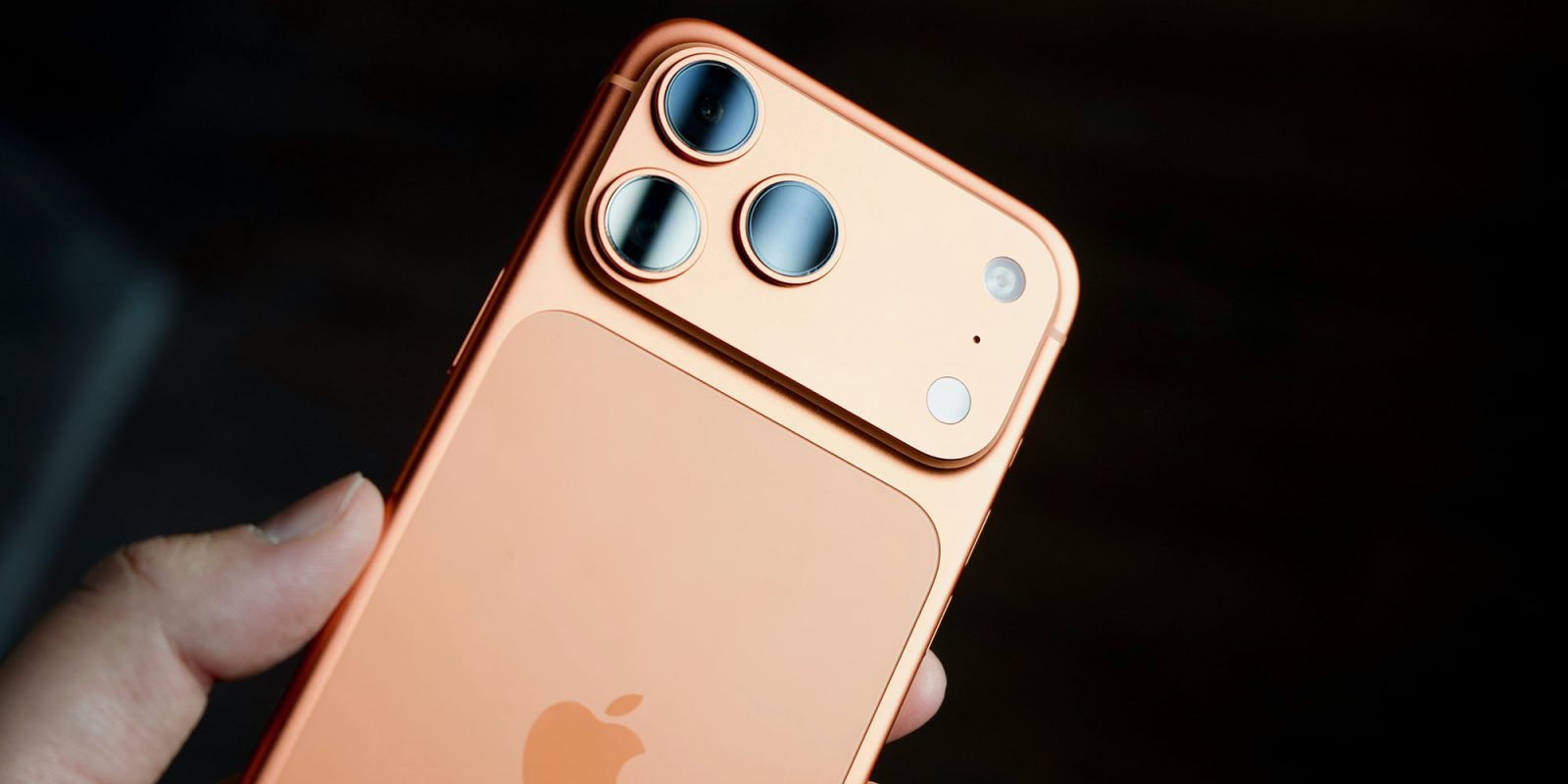
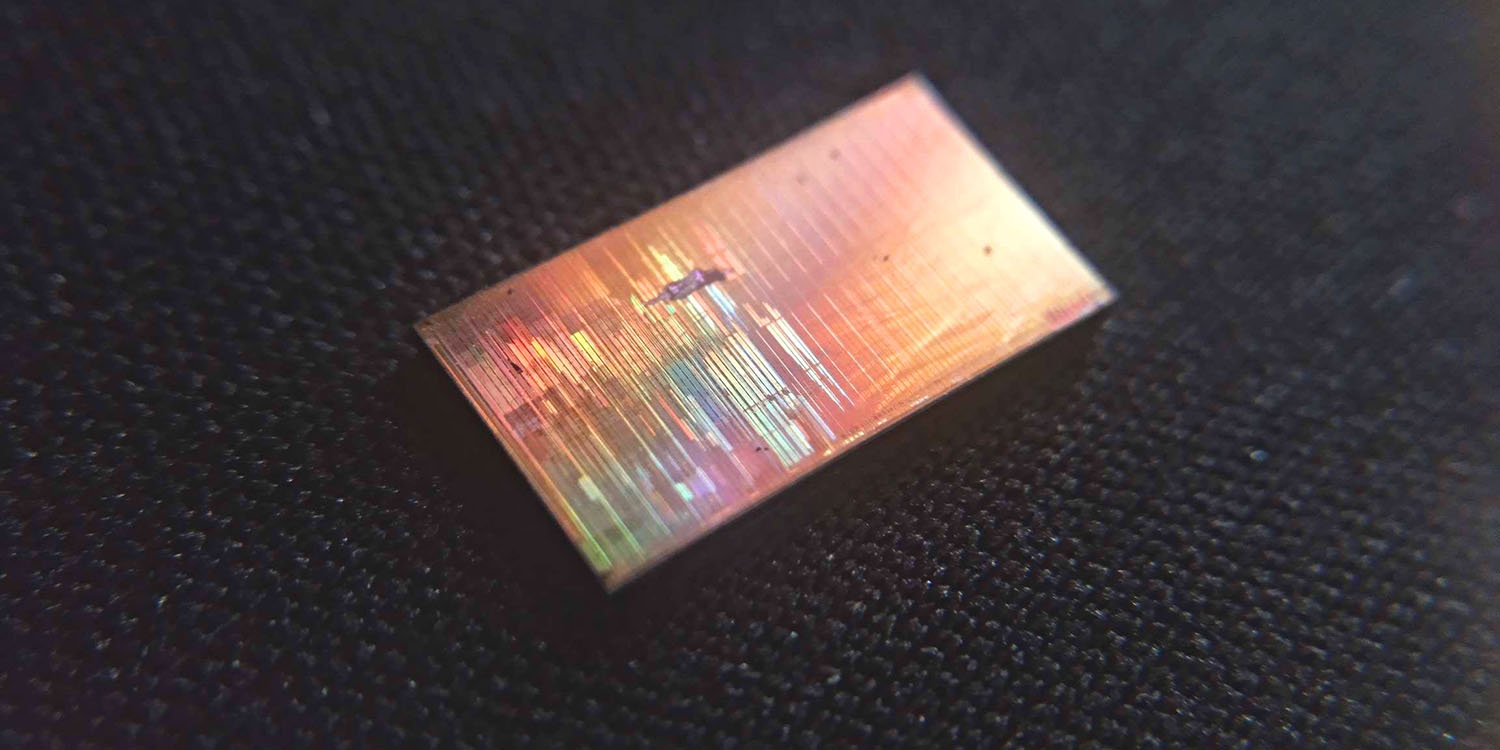
The job posting are interesting as Samsung, which works with Apple to develop the custom chips used in iPhones and iPads, continues to compete with Apple in the smartphone and tablet space.
International CES 2013 is officially ending, so we decided to share some of what we saw from the show floor and surrounding events. 9to5Mac has tons of CES coverage for some of the most interesting new iOS accessories, advancements in display technology, and new Apple-related products we saw at the show right here, but below we have put together a collection of photos and video we shot while walking the many acres of CES exhibits at the Las Vegas Convention Center. Enjoy.
Things aren’t looking good for chipmaker AMD…Following another round of layoffs totaling about 15 percent of its employees last month, Reuters reported today that AMD is looking for an investor to sell its Texas campus in order to raise up to $200 million in cash in a multi-year lease back deal. AMD’s cash dropped from $279 million to $1.48 billion in the third quarter, and today the company sits at a market cap of $1.40 billion.
Despite not being the “main option,” with the restructuring and the company’s financial issues, Reuters’ sources claimed an outright sale of the company isn’t out of the question. This isn’t the first time we’ve heard chatter of an AMD takeover. However, with the company sitting at a market cap of $1.40 billion and rumors of Bob Mansfield’s new Technologies group possibly transitioning away from Intel processors, we can’t help but imagine a few things Apple would stand to gain from the purchase…
Just before we heard Apple was not using an ARM-designed processor and instead its first custom CPU design for the new iPhone’s A6, we also heard reports that Apple was reducing component orders from Samsung due to the two companies’ ongoing patent disputes. While we knew Samsung was still—at the very least—manufacturing the new chip, a report from KoreaTimes gives more insight into the company’s involvement directly from a Samsung official. According to the report, the A6 is the first of Apple’s iPhone chips where Samsung did not contribute to development of the technology:
According to industry sources, Apple has not collaborated with Samsung in the process to develop its A6 microprocessor used in its latest iPhone 5. Samsung has handled the manufacturing of the processors used in previous iPhones and believed to have contributed in their design to some degree… It now appears that the structure of the deal has been dramatically adjusted…Apple is still relying on the Korean firm to manufacture its chips but has made it clear it will no longer use its rival’s technology.
We heard conflicting reports in September regarding Apple’s decision to reduce component orders from its biggest supplier, Samsung. Reuters claimed the reduction in orders was an attempt to simply “widen its supply chain,” while others reported Apple is actively reducing orders of displays, memory chips, and batteries specifically due to increasing tension between the companies. According to the report’s source, an unnamed senior Samsung official, Samsung is now only manufacturing the A6 chips on a “foundry basis”:
“There are three kinds of chip clients. Some want us to handle everything from chip design, architecture and manufacturing. Some want us to just design and manufacture. Some want us to just make the chips. Apple is now the third type,’’
Related to today’s report: Apple’s recent hiring of Samsung chip designer Jim Mergard. The report claimed the hiring of Mergard, who was working specifically on ARM chip designs at Samsung and prior, increases the “mutual tension”… Read more
Update: While the meeting apparently didn’t result in any resolution, ZDnet reports the ITU’s Malcolm Johnson said the ‘heated debate’ “has gone a long way to help clarify the positions” of the companies involved:
“Today’s event has gone a long way to help clarify the positions of various stakeholders in determining the effectiveness of FRAND commitments and the impact of litigations surround standards-essential patents,”
ZDnet also reported Motorola argued “Apple was misunderstanding the way FRAND works in the telecoms industry”:
“For 20 years the [FRAND] licensing commitments made by innovators in the communications industry have been sufficient,” Warren said. “Past experience would indicate that [FRAND] has been effective… but that doesn’t mean there isn’t room for improvement to improve the present situation.”
The world’s biggest tech companies are meeting today for a Patent Roundtable with the United Nation’s International Telecommunications Union to “assess the effectiveness of RAND (reasonable and non-discriminatory) – based patent policies.” The meeting will take place at the ITU headquarters in Geneva, Switzerland; and according to several reports, it will include Apple, Samsung, Nokia, Google, Microsoft, and many of the industry’s other biggest players. The discussions follow high-profile, patent-related cases and failed settlement talks between Samsung and Apple, while the European Union continues to probe Motorola, Samsung, and others over potential abuse of the patent system. It also comes as Google’s legal chief David Drummond issued statements to the press calling for a reform on software patents.
A report from BBC noted others attending the roundtable include: Qualcomm, Cisco, Research in Motion, Intel, Philips, Huawei, Sony, and Hewlett-Packard. BBC also provided statements from the companies that submitted pre-event arguments (below).
According to the ITU, the meeting will have the following objective: Read more
According to a report fromThe Oregonian, power amplifier specialists TriQuint Semiconductor is facing a “challenging” quarter due to a temporary drop in revenues from its biggest customer, Apple. The report noted the company’s CEO Ralph Quinsey did not mention Apple by name, but that Foxconn was responsible for 35 percent of TriQuint’s revenue during 2011:
TriQuint said sales in the current quarter will fall at least 19 percent to the lowest point in at least two years… While Quinsey wasn’t specific about where the problem lies, Apple has incorporated TriQuint chips in the last several generations of the iPhone. Apple is approaching its annual iPhone upgrade — the last upgrade took place in October — and sales tend to fall off before new products launch.
We know from teardowns that Apple included TriQuint chips in many generations of the iPhone and iPad, including the most recent iPhone 4S and third-generation iPad. When iPhone component supplier Qualcomm announced last week it was having “trouble meeting demand” for LTE chips likely to end up in a next-gen iPhone, many analysts speculated that was a clear indication of an October iPhone launch.
Quinsey said in a statement to the publication that he expects to return to normal revenue and growth numbers in the second half of this year:
“I believe this dip will be temporary and remain confident about our long term position,” Quinsey said in a written statement. “We have achieved design win success with our new products and I believe we will return to normal revenue levels and growth in the second half of 2012.”